Plizio Visual Lab
Yungas Coca Terraces
Weather…
Water temperature…
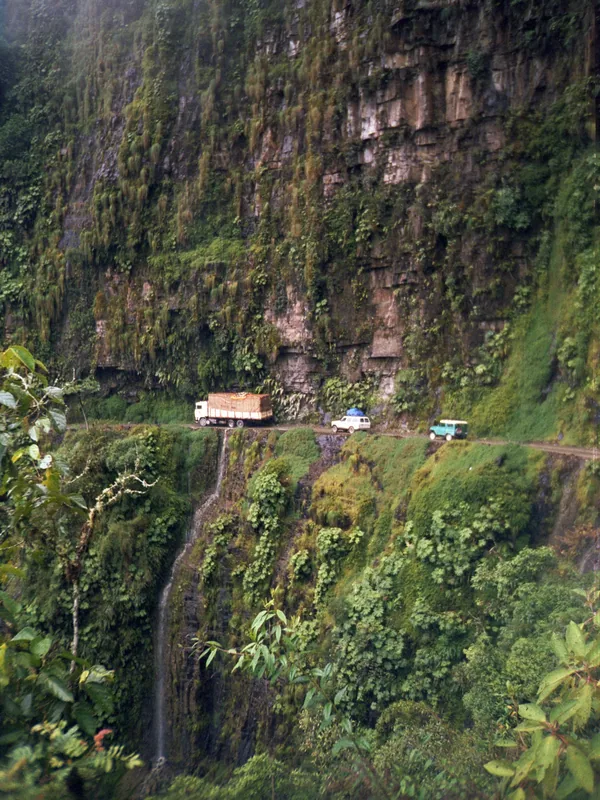
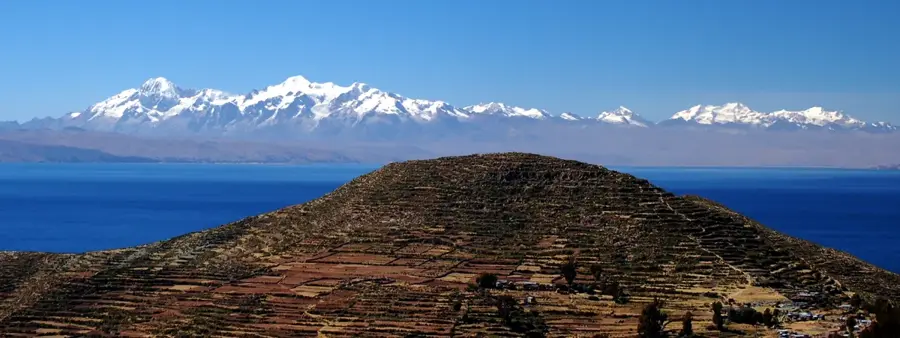
The coca terraces in the Yungas region of Bolivia are a striking example of agricultural adaptation to extremely steep terrain. The Yungas serves as a transitional zone between the high Andes and the Amazonian lowlands, characterized by dense cloud forests and precipitous slopes. For centuries, indigenous communities have utilized a system of 'tacanas,' or stone terraces, to prevent soil erosion and facilitate the cultivation of coca. The coca leaf holds profound spiritual and medicinal significance in Andean culture and is ritually chewed to alleviate altitude sickness. Despite international controversies, legal cultivation in the Yungas is protected by the Bolivian constitution as part of the nation's cultural heritage. Harvesting is a labor-intensive manual task, after which the leaves are dried in the sun on large concrete platforms known as 'secaderos.' This terraced landscape defines the visual character of the valleys and provides the primary livelihood for tens of thousands of small-scale farming families.
Best time to visit & climate
The most pleasant time to visit is Aug–Oct.
| Jan | Feb | Mar | Apr | May | Jun | Jul | Aug | Sep | Oct | Nov | Dec | |
|---|---|---|---|---|---|---|---|---|---|---|---|---|
| Avg °C | 19 | 19 | 19 | 19 | 18 | 17 | 17 | 18 | 20 | 21 | 21 | 20 |
| Rain mm | 189 | 171 | 124 | 76 | 46 | 39 | 35 | 41 | 37 | 73 | 93 | 152 |
📋 Practical info
Geography
Facts
- The Yungas region produces over 90% of Bolivia's legal coca harvest.
- Bolivia is the world's third-largest producer of coca leaves.
- The 'tacanas' terracing technique dates back to pre-Incan civilizations.
- One hectare of coca terraces can yield up to three harvests per year.
- Leaves are traditionally transported in 50-pound bags known as 'tambores.'
- The 2009 Bolivian constitution recognizes coca as a protected cultural heritage.
Explore nearby
Notable places around

Route planner — Car & Motorhome
Where do you start? We build the route here, with stops and country notes along the way.
© OpenStreetMap contributors · OpenRouteService
Sights nearby
Frequently asked questions
Why are the coca fields terraced?
Is coca legal in Bolivia?
Can you visit the terraces?
How often is coca harvested?
What is coca tea?
Yungas Coca Terraces: where is it located?
Yungas Coca Terraces: when is the best time to visit?
Yungas Coca Terraces: why is it worth visiting?
History & landmarks
Nature
More places