Plizio Visual Lab
Illimani
Weather…
Water temperature…
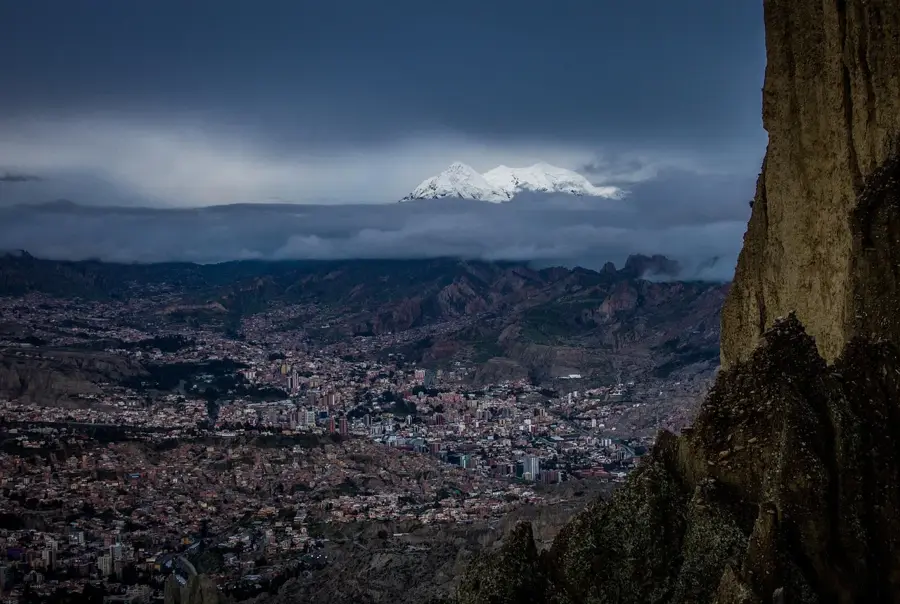
Illimani, standing at 6,438 meters, is the second-highest mountain in Bolivia and the undisputed icon of the city of La Paz. Its massive profile, featuring four distinct snow-capped peaks, looms majestically over the metropolitan basin, providing a dramatic backdrop to the urban sprawl. Geologically, the mountain is part of the Cordillera Real and is primarily composed of plutonic rock dating back to the Tertiary period. For the local Aymara population, Illimani is a sacred mountain, an 'Achachila,' revered as a protective ancestor and central figure in Andean mythology. The first recorded ascent took place in 1898 by the British explorer William Martin Conway, marking the dawn of modern mountaineering in Bolivia. Despite its aesthetic beauty, reaching the summit is a formidable challenge due to the high altitude and technical climbing sections, typically reserved for experienced mountaineers. The name 'Illimani' means 'Golden Falcon' in the Aymara language, a reference to the way the peaks glow during sunset.
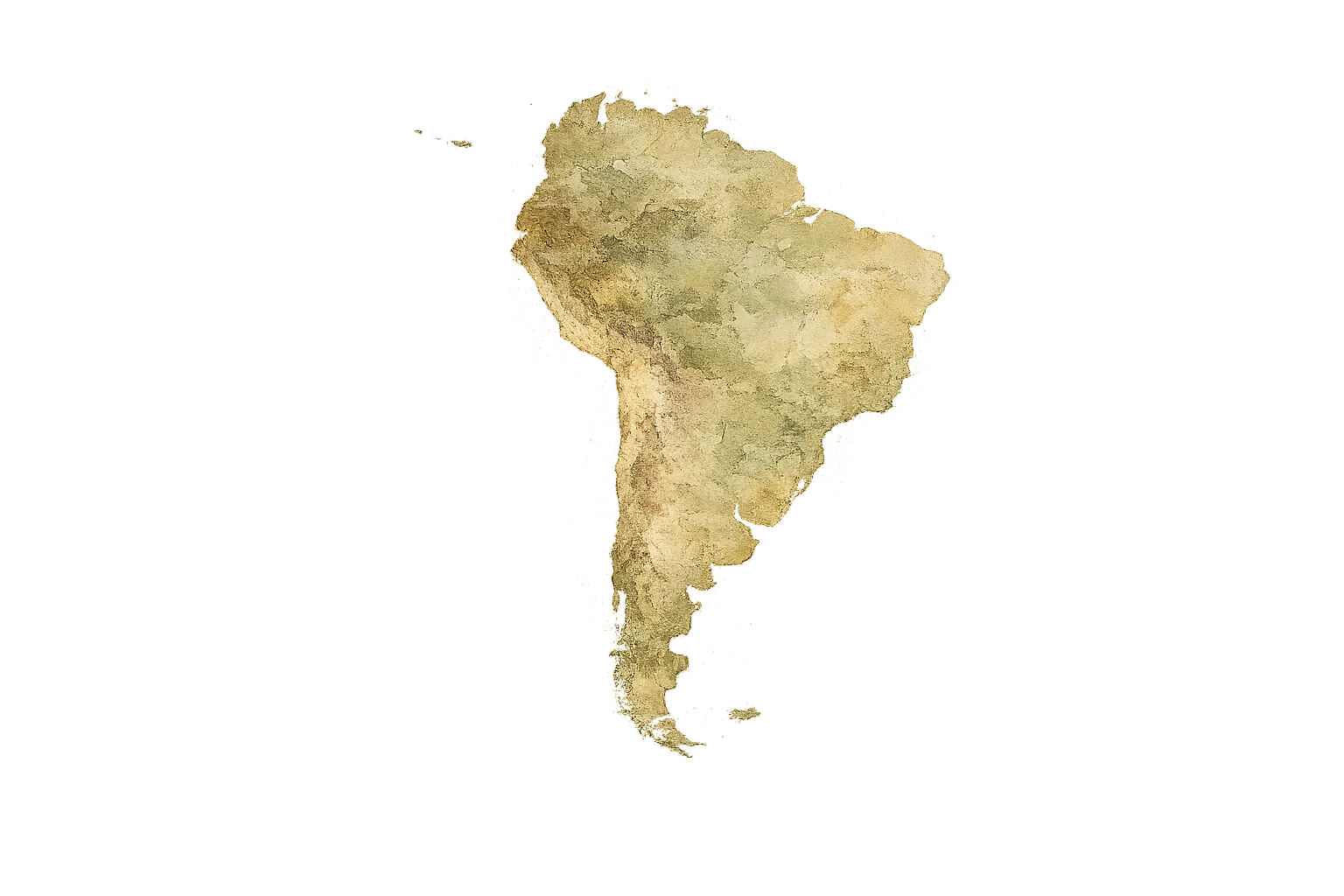
- Location: Bolivia
- Top sights: Ch'iyar Qullu · Illimani · Silla Pata
Best time to visit & climate
The most pleasant time to visit is Apr, Sep, Nov.
| Jan | Feb | Mar | Apr | May | Jun | Jul | Aug | Sep | Oct | Nov | Dec | |
|---|---|---|---|---|---|---|---|---|---|---|---|---|
| Avg °C | 9 | 9 | 9 | 8 | 7 | 6 | 5 | 6 | 7 | 9 | 9 | 9 |
| Rain mm | 136 | 114 | 79 | 35 | 13 | 9 | 16 | 22 | 24 | 48 | 44 | 107 |
📋 Practical info
Geography
Facts
- The highest peak of Illimani is the Pico Sur, reaching 6,438 meters.
- The mountain is located approximately 30 kilometers as the crow flies from La Paz.
- Illimani features four main summits: Pico Sur, Pico Central, Pico Norte, and Pico Indio.
- The first recorded successful ascent occurred in 1898.
- Glaciologists study the mountain's retreating ice caps to monitor global warming.
- In traditional Andean mythology, the mountain is hailed as the 'King of the Mountains'.
Explore nearby
Notable places around
Route planner — Car & Motorhome
Where do you start? We build the route here, with stops and country notes along the way.
© OpenStreetMap contributors · OpenRouteService
Sights in the town Illimani (4)
Sights nearby
Frequently asked questions
How high is Illimani?
Can beginners climb Illimani?
How many peaks does Illimani have?
From where can you get the best view of the mountain?
How long does an expedition to the summit take?
Illimani: where is it located?
Illimani: what is there to see?
Illimani: when is the best time to visit?
Illimani: why is it worth visiting?
History & landmarks
Nature
More places