Plizio Visual Lab
Pilón Lajas Biosphere Reserve
Weather…
Water temperature…
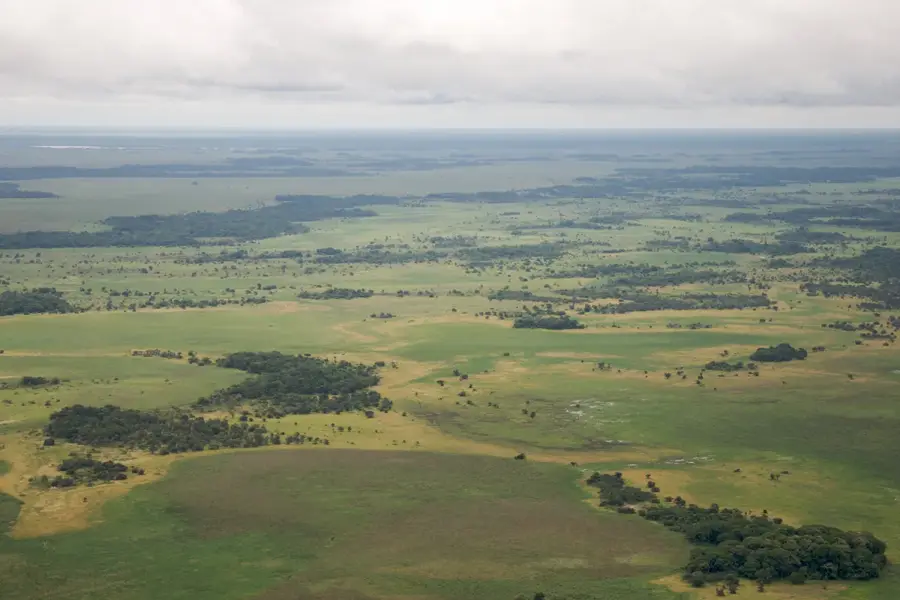
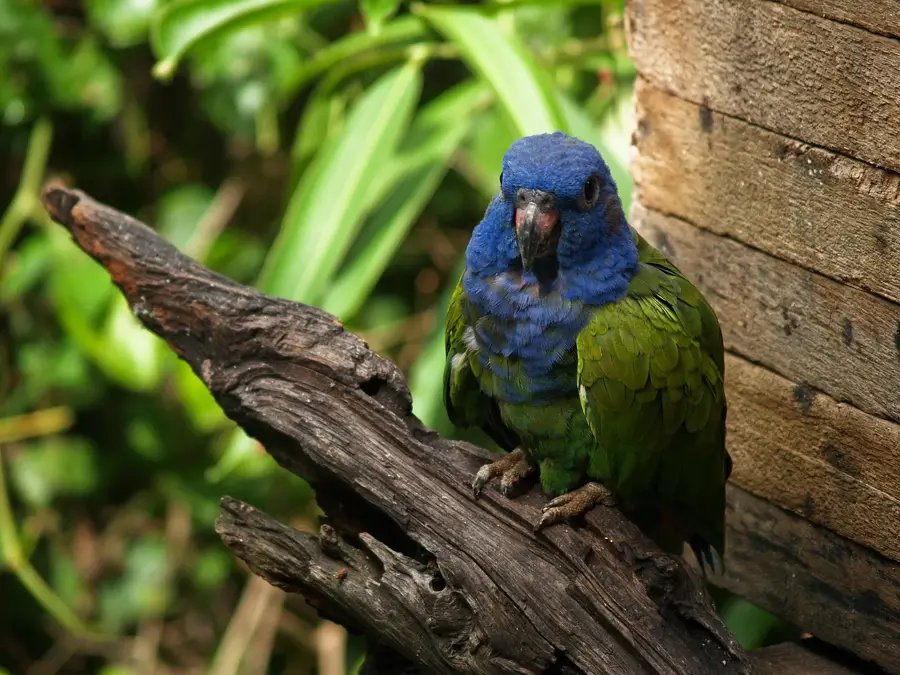
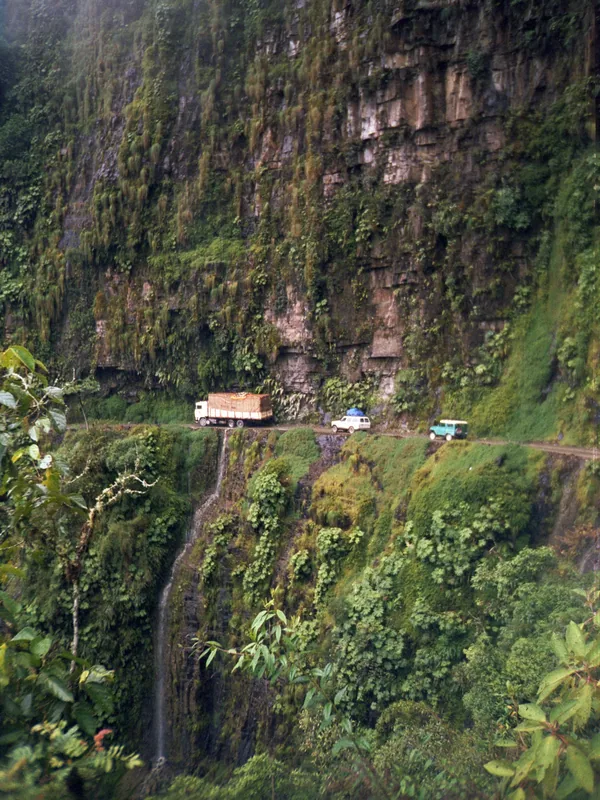
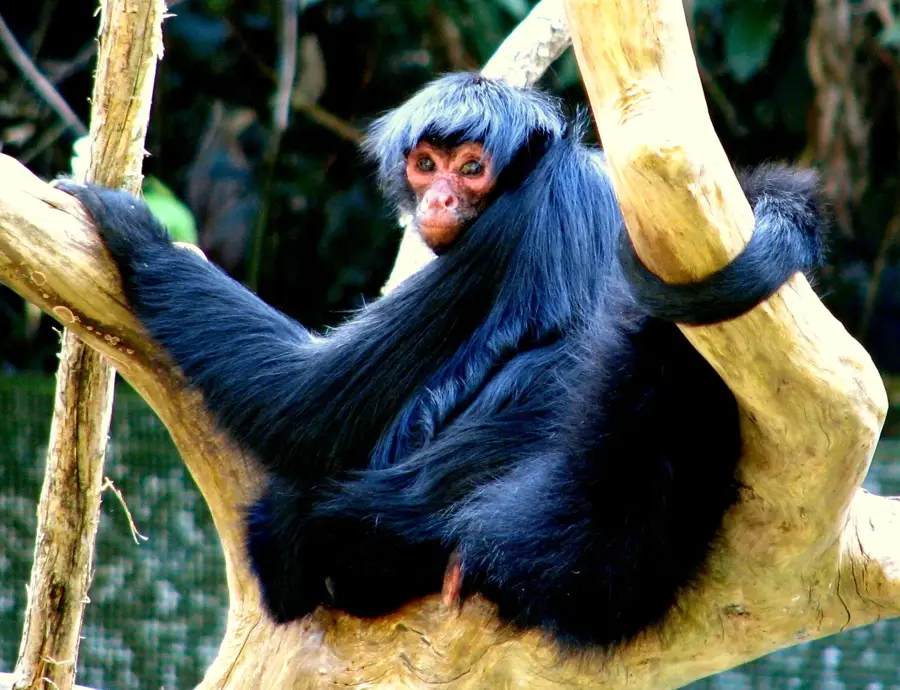
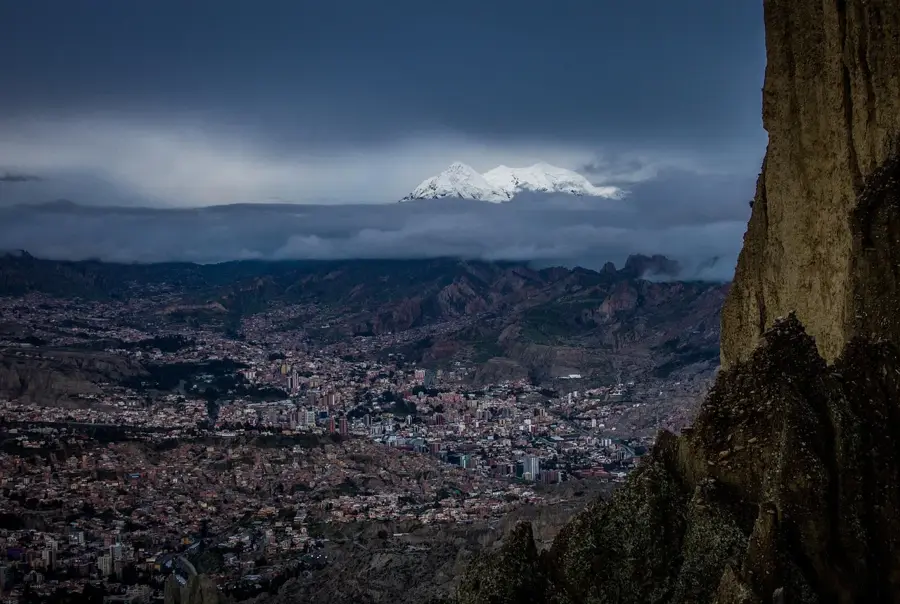
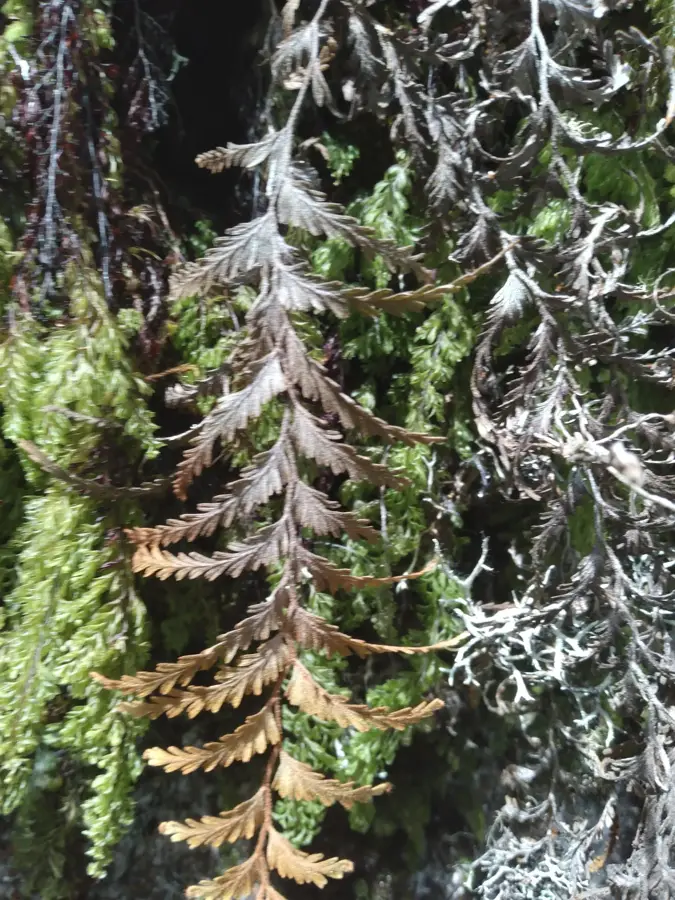
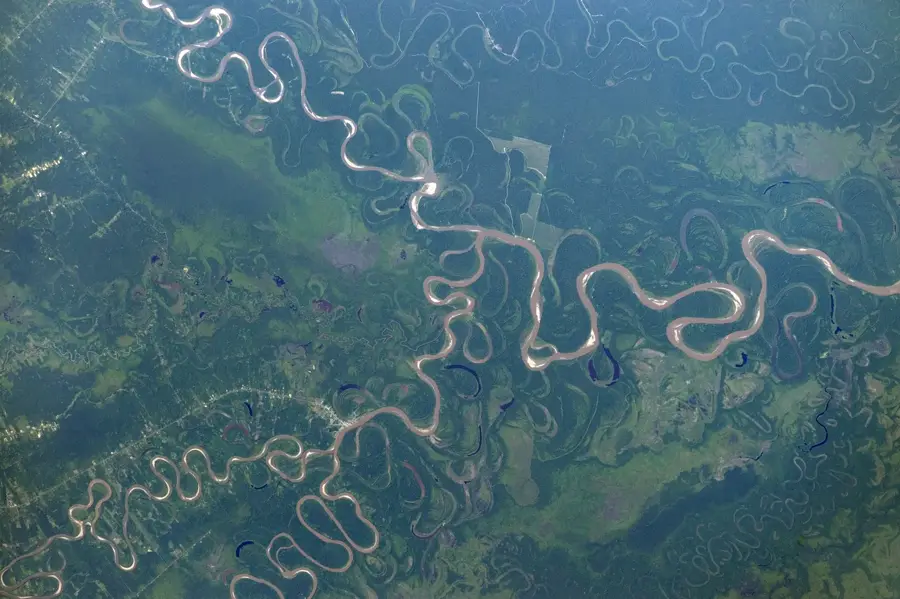
The Pilón Lajas Biosphere Reserve and Indigenous Territory spans the departments of Beni and La Paz in the transition zones between the Andes and the Amazon basin. Established in 1992, the area covers approximately 4,000 square kilometers and is recognized as a UNESCO Biosphere Reserve. The topography is defined by steep mountain ranges and deep valleys, which create an enormous variety of microclimates and ecosystems, ranging from montane cloud forests to tropical rainforests. Pilón Lajas is home to the Tsimane and Mosetene indigenous peoples, who manage the territory sustainably while preserving their traditional lifestyle. The fauna is exceptionally rich, including jaguars, pumas, spectacled bears, and over 700 species of birds. Protecting the reserve is critical for maintaining regional water cycles and preserving biological corridors between the adjacent Madidi and Apolobamba national parks. Despite its protected status, the area faces pressure from illegal logging and the expansion of transportation infrastructure.
Best time to visit & climate
The most pleasant time to visit is Jun–Aug.
| Jan | Feb | Mar | Apr | May | Jun | Jul | Aug | Sep | Oct | Nov | Dec | |
|---|---|---|---|---|---|---|---|---|---|---|---|---|
| Avg °C | 24 | 24 | 24 | 23 | 22 | 21 | 22 | 23 | 26 | 26 | 26 | 25 |
| Rain mm | 258 | 255 | 198 | 143 | 107 | 79 | 59 | 54 | 55 | 110 | 158 | 211 |
📋 Practical info
Geography
Facts
- The reserve was officially established on April 9, 1992.
- UNESCO included the area in the MAB program in 1977.
- It hosts over 2,500 registered species of plants.
- About 25 indigenous communities live within the reserve's boundaries.
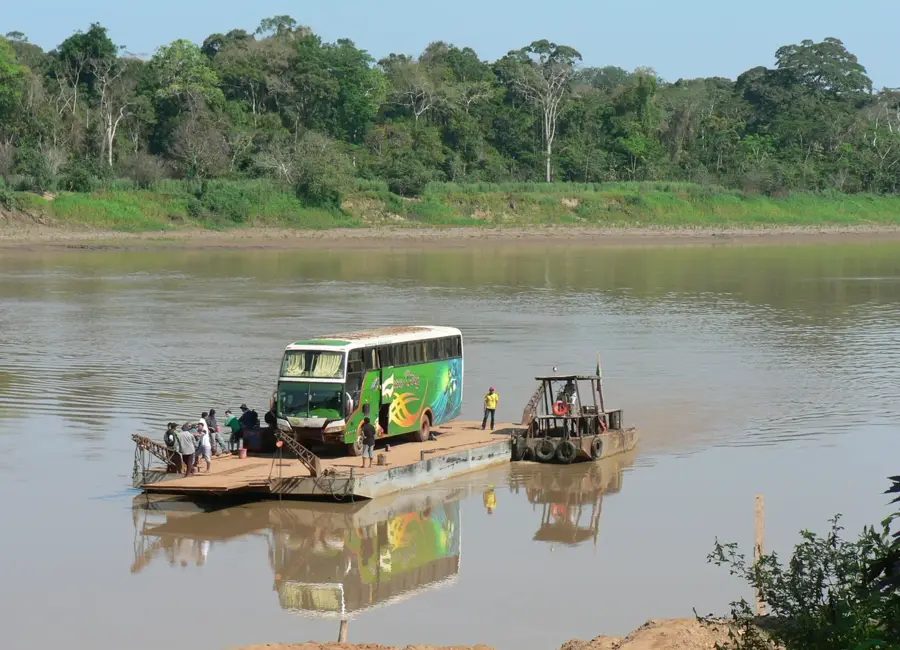
- The Quiquibey River serves as a vital transportation route in the park.
- Altitudes within the reserve range from 300 to 2,000 meters.
Explore nearby
Notable places around
Route planner — Car & Motorhome
Where do you start? We build the route here, with stops and country notes along the way.
© OpenStreetMap contributors · OpenRouteService
Sights nearby
Frequently asked questions
What is the Pilón Lajas Reserve?
Where is the reserve located?
Can you visit indigenous communities there?
What activities are offered?
Is a yellow fever vaccination required?
Pilón Lajas Biosphere Reserve: where is it located?
Pilón Lajas Biosphere Reserve: when is the best time to visit?
Pilón Lajas Biosphere Reserve: why is it worth visiting?
Nature
More places