Plizio Visual Lab
Alibori Elephant Habitat

Weather…
Water temperature…
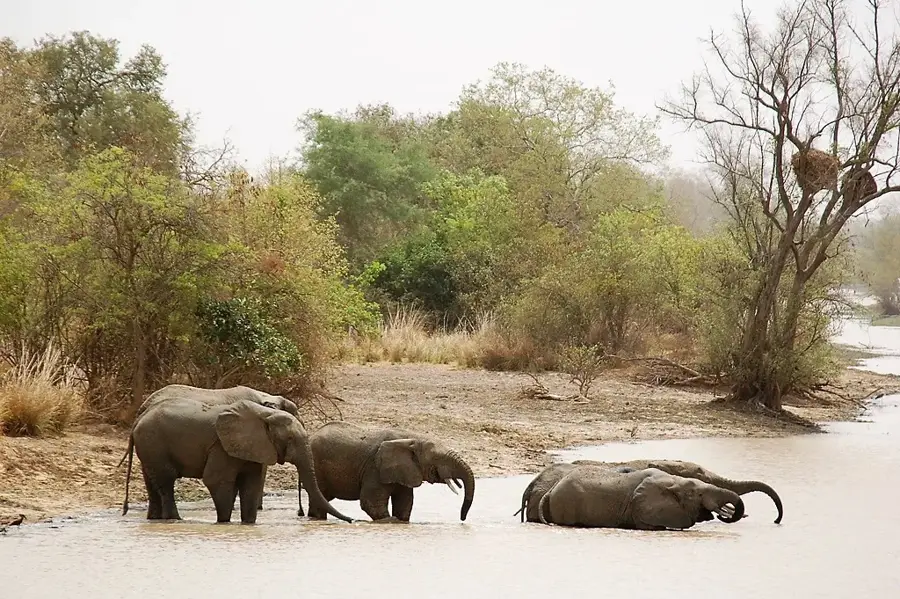
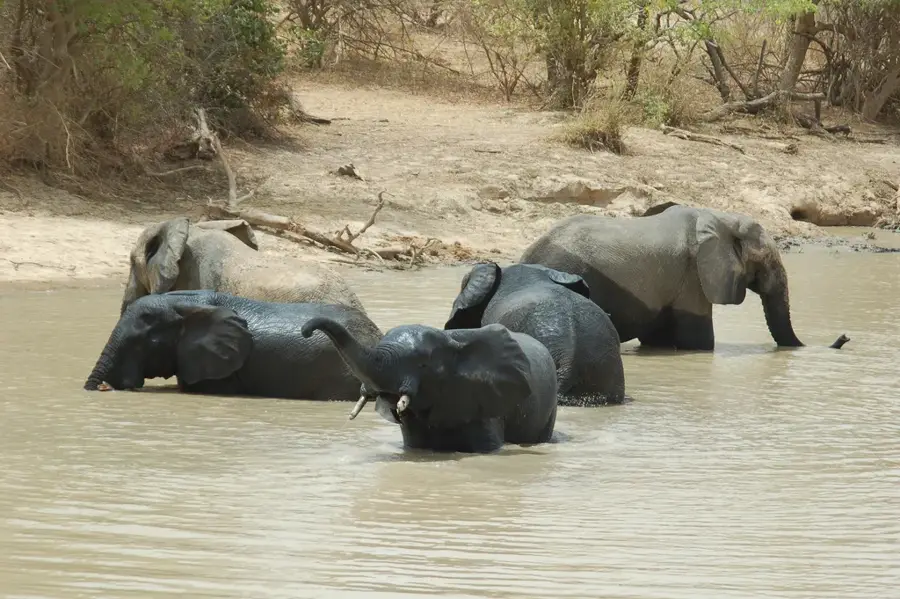
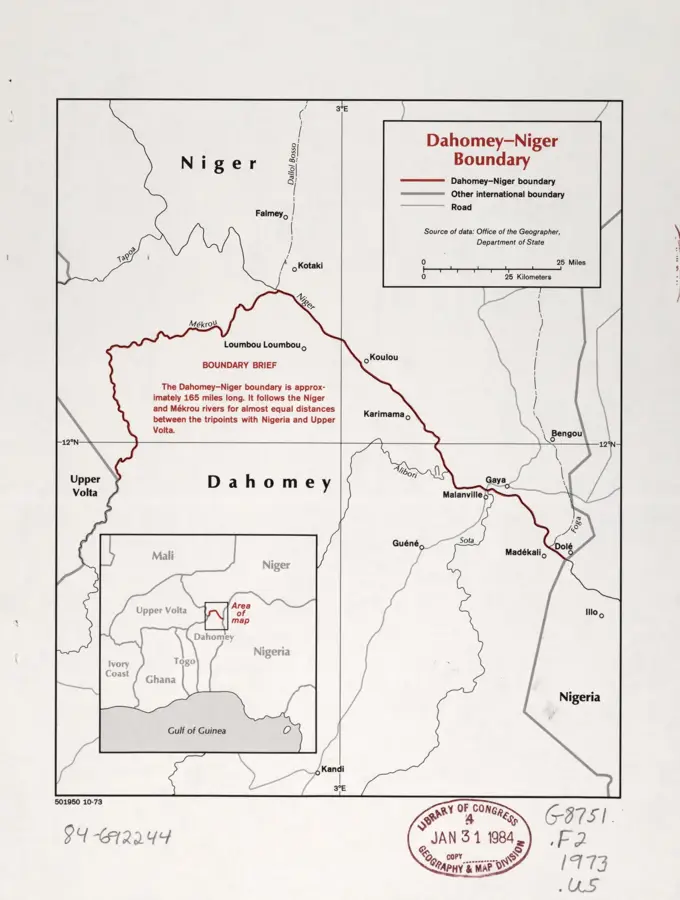
The Alibori elephant habitat in northern Benin is a vital component of the transboundary WAP (W-Arly-Pendjari) national park complex. In this semi-arid savanna landscape, crossed by the Alibori River, one of West Africa's most significant elephant populations finds refuge. The animals rely heavily on the river's watering holes, particularly during the dry season, leading to spectacular gatherings. Protecting this habitat is of international importance, as African savanna elephants in this region are threatened by habitat loss and conflicts with expanding agriculture. The vegetation consists primarily of open woodlands and shrub savannas, providing ample food for these pachyderms. Ranger units regularly patrol the area to prevent poaching and secure the animals' migratory corridors. The habitat also plays an important role in the local ecosystem, as elephants actively shape the landscape by toppling trees and dispersing seeds. Integrating local communities into ecotourism initiatives helps foster support for the protection of these iconic animals.
Best time to visit & climate
The most pleasant time to visit is Jan, Nov, Dec.
| Jan | Feb | Mar | Apr | May | Jun | Jul | Aug | Sep | Oct | Nov | Dec | |
|---|---|---|---|---|---|---|---|---|---|---|---|---|
| Avg °C | 25 | 28 | 31 | 33 | 31 | 29 | 27 | 26 | 26 | 28 | 27 | 25 |
| Rain mm | 0 | 1 | 8 | 22 | 69 | 107 | 162 | 233 | 157 | 49 | 2 | 0 |
📋 Practical info
Geography
Facts
- Part of the UNESCO World Heritage W-Arly-Pendjari Complex
- The Alibori River is the region's most vital source of water
- Home to one of the largest elephant herds in West Africa
- Elephants cover hundreds of kilometers annually during their migrations
- The dry season from November to May is the best time for sightings
- Poaching is combated through strengthened air and ground patrols
Explore nearby
Notable places around


Route planner — Car & Motorhome
Where do you start? We build the route here, with stops and country notes along the way.
© OpenStreetMap contributors · OpenRouteService
Sights nearby
Frequently asked questions
Are there really elephants in Alibori?
What is the best way to observe them?
Is it safe to visit the elephants?
When is the best season?
Can you stay overnight in the habitat?
Alibori Elephant Habitat: where is it located?
Alibori Elephant Habitat: when is the best time to visit?
Alibori Elephant Habitat: why is it worth visiting?

History & landmarks
Nature
More places