Plizio Visual Lab

Sota River

Plizio editorial teamData Sources
River
—°1
Sota River (Benin)

Weather…

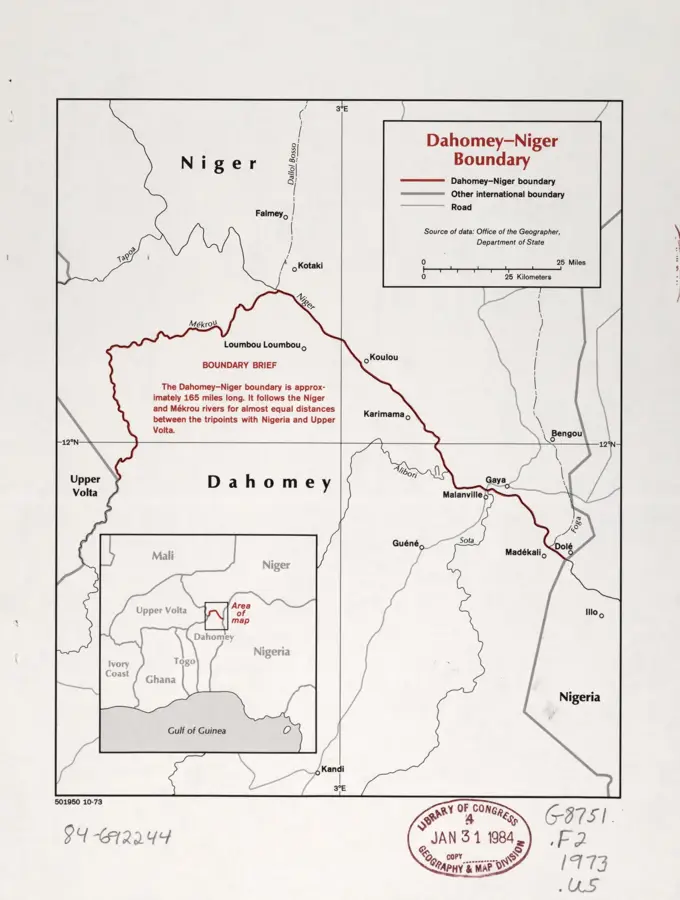
The Sota is a significant right-bank tributary of the Niger River in northeastern Benin, traversing the Borgou and Alibori departments. With a length of approximately 250 kilometers, it drains a fertile basin that plays a central role in regional agriculture. The river originates northeast of Parakou and flows steadily northward until it eventually discharges into the Niger near Malanville. Geographically, the Sota basin is characterized by savanna landscapes and seasonal wetlands, which are particularly utilized for large-scale rice cultivation. The Sota regulates the water balance in the region and becomes an imposing body of water during the rainy season, often flooding parts of the adjacent plains. Ecologically, the river supports a variety of aquatic species and serves as a corridor for wildlife between the different protected areas in the north. Despite agricultural use, preserving the riparian vegetation is essential to prevent erosion and ensure water quality for downstream communities. It is an indispensable economic asset for northeastern Benin.

Best time to visit & climate

The most pleasant time to visit is Jan, Nov, Dec.

JanFebMarAprMayJunJulAugSepOctNovDec
Avg °C242831333230282727272624
Rain mm0151759961532251454410

📋 Practical info

🧭
Getting there
Reaching the river banks generally involves traveling through northern Benin's regional hubs, using local roads that intersect agricultural zones. Hiring a 4x4 vehicle or a local driver is frequently the most practical way to access less developed sections.
📅
Best season
The dry season is typically the best time for a visit, as the dirt roads leading to the agricultural areas are far more passable. During the rainy season, the river swells significantly, often causing local flooding that complicates overland transport.
⛰️
Terrain & paths
The landscape along this right-bank tributary consists mostly of flat plains and cultivated farmlands with muddy banks. Walking near the water requires navigating through dense agricultural plots and occasional patches of riverside vegetation.
🎒
What to bring
Lightweight, breathable clothing is necessary due to the hot regional climate, along with sturdy footwear for walking on uneven, muddy paths. Bringing a strong insect repellent, sun protection, and plenty of bottled water is absolutely essential for comfort.
🅿️
Parking
Parking is generally done on an informal basis near local farming villages or at widened sections of rural dirt roads. It is wise to ask for permission from local landowners or village leaders before leaving a vehicle unattended for an extended period.
⚠️
Safety
Care should be taken around the soft, muddy riverbanks, which can be unstable and prone to collapse after rains. Visitors should also be aware of local wildlife, particularly insects and waterborne parasites, and avoid wading directly into stagnant pools.
⏱️
Time needed
A brief stop to observe the agricultural activities and the river's flow usually takes a few hours of an afternoon. For a more in-depth exploration of the northern agricultural basin, travelers might dedicate an entire day or more.

Geography

Coordinates
11.88330, 3.41670

Facts

  • The Sota has a length of approximately 250 km from its source to its mouth.
  • The Sota basin is one of Benin's most important rice-growing regions.
  • The river discharges into the Niger north of the town of Malanville.
  • A dam at Couberi regulates the water flow for irrigation projects.
  • Annual rainfall in the drainage basin is approximately 1,000 to 1,100 mm.
  • The river traverses several important nature reserves and forest sanctuaries.

Explore nearby

Notable places around
Route planner — Car & Motorhome

Where do you start? We build the route here, with stops and country notes along the way.

Vehicle
Only stops with (optional):

© OpenStreetMap contributors · OpenRouteService

Sights in the town Sota River (1)

Forêt classée de Gorou Bassounga🌿 nature

This classified forest protects the natural flora and fauna along the banks of the Sota River.

Sights nearby

Frequently asked questions

What drainage basin does the Sota have?
The Sota drains northeastern Benin into the Niger River.
Is the river used for irrigation?
Yes, it is vital for cotton and grain cultivation in the north.
Is the river navigable?
Only for small local boats and only during flood season.
Are there bridges over the Sota?
Yes, major road connections like Route Nationale 2 cross it.
Can you fish there?
Yes, local fishing is common; tourists should check local permits.
Sota River: where is it located?
Sota River is located in Benin.
Sota River: when is the best time to visit?
The most pleasant time to visit is Jan, Nov, Dec.
Sota River: why is it worth visiting?
The Sota is a significant right-bank tributary of the Niger River in northeastern Benin, traversing the Borgou and Alibori departments.
View on map → The Top 50 Attractions → OpenStreetMap →
Africa
Explore with Plizio Discover more places in Africa
More places in Benin →

Nature

More places