Plizio Visual Lab

Hallerbos

Plizio editorial teamData Sources
Forest
—°110
Hallerbos (Belgium)

Weather…

Highlights of 2026

1

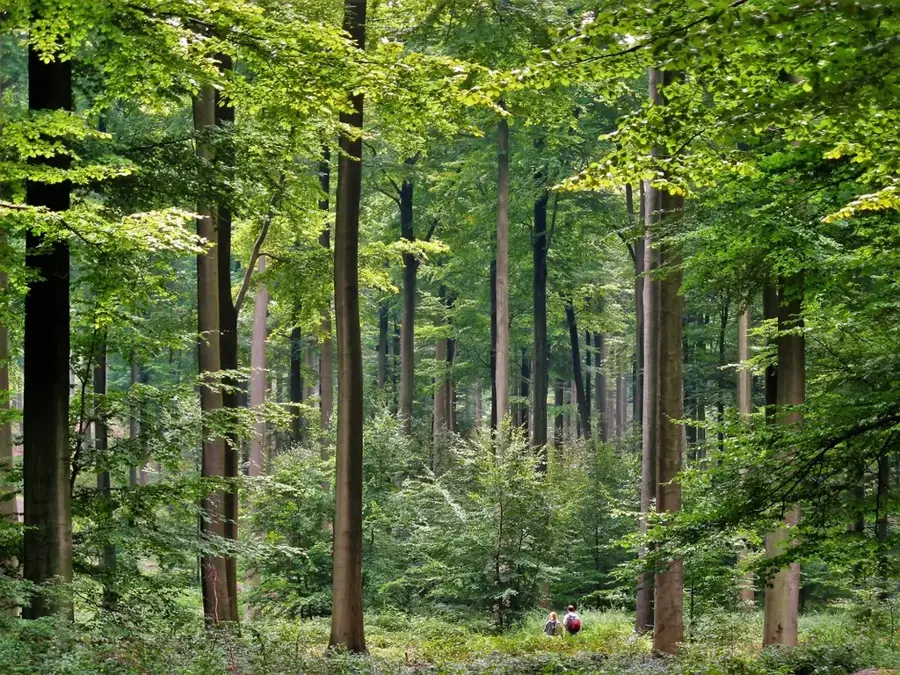
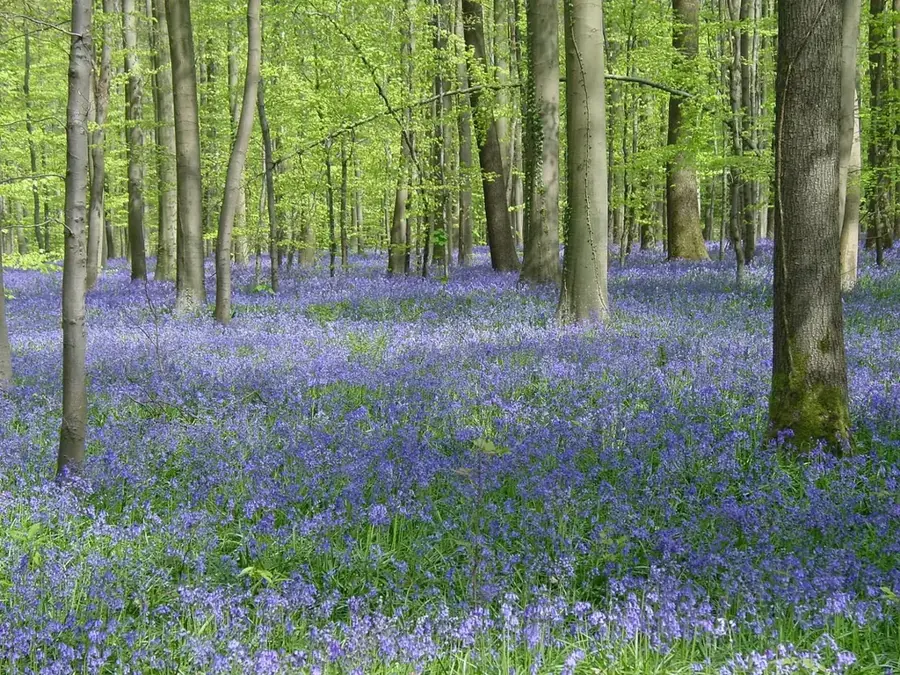
The Hallerbos, located south of Brussels, is globally recognized as the 'Blue Forest' and is one of Belgium's most remarkable natural phenomena. Every year during April and May, the forest floor is transformed into a seemingly endless sea of blue-violet wild hyacinths (bluebells). This dense carpet of flowers, paired with the spirited spring green of the beech leaves, creates a visual spectacle that attracts photographers and nature enthusiasts from around the world. Spanning approximately 535 hectares, the forest is a remnant of the ancient Silva Carbonaria, which once covered much of the country. During World War I, the Hallerbos was almost entirely deforested, but a dedicated replanting effort between 1930 and 1950 restored the majestic beech trees seen today. In addition to the bluebells, the area supports wood anemones, sorrel, and a variety of wildlife, including roe deer and numerous bird species. Because the bluebell bulbs are extremely sensitive to soil compaction, visitors are strictly required to remain on marked paths. The forest is carefully managed to preserve the ecological balance of this fragile yet impressive ecosystem.

Best time to visit & climate

The most pleasant time to visit is Jun–Aug.

JanFebMarAprMayJunJulAugSepOctNovDec
Avg °C236913161818141163
Rain mm706359426165727853627079

📋 Practical info

🧭
Getting there
The forest is heavily promoted and easily accessible by shuttle buses running from Halle train station during the peak bloom period. During the rest of the year, driving or cycling are the primary modes of approaching the woods.
📅
Best season
Late April and early May are universally legendary for witnessing the astonishing, dense carpet of blooming bluebells. Visiting very early on a weekday morning is an absolute necessity to avoid the overwhelming springtime crowds.
⛰️
Terrain & paths
The established forest paths are wide, predominantly flat, and firmly packed, making navigation quite straightforward. The specific routes looping around the delicate flower beds are exceptionally well-maintained for massive foot traffic.
🎒
What to bring
Comfortable, reliable walking shoes are perfectly fine for keeping to the main public trails. A camera is universally considered essential to capture the magical, almost surreal purple-blue hues illuminating the ancient woodland.
🅿️
Parking
Dedicated parking lots physically close off early during the famous blooming weeks, prompting police to enforce traffic diversions. Utilizing designated distant park-and-ride shuttle facilities is strongly encouraged during spring.
⚠️
Safety
It is absolutely crucial to stay strictly behind all roped boundaries; walking directly among the bluebells permanently destroys the soil and bulbs. Keep a close watch on young children to prevent accidental trampling of the flora.
⏱️
Time needed
Following the primary, heavily marked bluebell walking loops generally takes around ninety minutes to two hours depending on the crowds. Photographers often require considerably more time waiting patiently for completely clear, unobstructed shots.

Geography

Coordinates
50.70420, 4.26670

Facts

  • The bluebells typically bloom between mid-April and early May.
  • The forest spans a total surface area of approximately 535 hectares.
  • Extensive replanting took place between 1930 and 1950 after World War I.
  • Hallerbos is a surviving remnant of the ancient Silva Carbonaria forest.
  • The forest is home to a significant and healthy population of roe deer.
  • Picking flowers and stepping off the marked paths is strictly prohibited.

Explore nearby

Notable places around

Route planner — Car & Motorhome

Where do you start? We build the route here, with stops and country notes along the way.

Vehicle
Only stops with (optional):

© OpenStreetMap contributors · OpenRouteService

Sights in the town Hallerbos (10)

Bosmuseum🏛 museum

Forest museum in Hallerbos, showcasing local flora and fauna.

Krekelenberg

Hill in Belgium, part of the Hallerbos landscape.

Jansheideberg

Nature reserve in Hallerbos, heathland area.

Ligne KW

Defence line in Belgium, remnants from World War II.

Maasdalbos

Nature reserve in Hallerbos, wooded valley.

Bruyère Mathias

Nature reserve in Hallerbos, heath area.

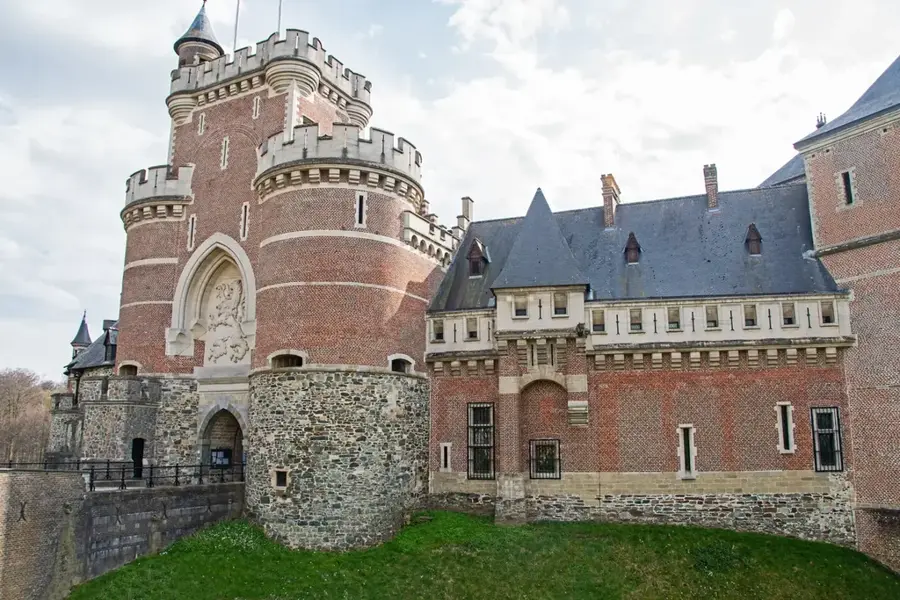
Kasteel Brien🏰 castle

Castle in Hallerbos, surrounded by forest.

Sint-Jozef en Franciscuskerk

Church in Essenbeek, Halle, Belgium.

Moulin banal🏛 museum

Former mill, now a museum in Hallerbos.

Château des Comtes de Hornes🏰 castle

Castle in Braine-le-Château, Belgium.
Sights nearby

Frequently asked questions

When do the bluebells bloom in Hallerbos?
Usually in the second half of April; the exact time varies depending on the weather.
Does it cost anything to enter the forest?
No, access to Hallerbos is free of charge.
Is it very crowded on weekends?
Yes, during the blooming season, the forest is extremely busy on weekends.
Can I pick the flowers?
No, leaving the paths and picking the flowers is strictly forbidden.
Is there parking nearby?
Yes, but they fill up quickly during peak season; early arrival is recommended.
Hallerbos: where is it located?
Hallerbos is located in Belgium.
Hallerbos: what is there to see?
Highlights include Bosmuseum, Krekelenberg, Jansheideberg.
Hallerbos: when is the best time to visit?
The most pleasant time to visit is Jun, Aug.
Hallerbos: why is it worth visiting?
The Hallerbos, located south of Brussels, is globally recognized as the 'Blue Forest' and is one of Belgium's most remarkable natural phenomena.
View on map → The Top 50 Attractions → OpenStreetMap →
Europe
Explore with Plizio Discover more places in Europe
More places in Belgium →

Nearby cities

More places