Plizio Visual Lab
Dour Mining Site
The mining heritage of Dour, in the heart of the Borinage region in the province of Hainaut, tells the story of one of the earliest industrialized areas on the European mainland. Systematic coal mining began here as early as the 18th century and formed the economic livelihood for thousands of families until the mid-20th century. The landscape of Dour is still shaped today by prominent slag heaps, such as the Terril de l'Épine, which are silent witnesses to the massive earthworks. Economically, the zone was closely linked for generations to the steel industry of Charleroi and Liège. Following the closure of the last mines in the 1960s, the region underwent a painful phase of deindustrialization before the industrial heritage was recognized as cultural capital. Today, parts of the site serve as nature reserves and hiking trails, while the history of the miners is preserved in local museums. The social structure of Dour was lastingly shaped by the migration of labor from Italy and other countries, giving the community a multicultural identity to this day.
- Location: Belgium
- Top sights: Terril Saint Antoine Vedette · City Theatre · Terril Frédéric
- Nearby: Boussu (5 km)
Best time to visit & climate
The most pleasant time to visit is Jun–Aug.
| Jan | Feb | Mar | Apr | May | Jun | Jul | Aug | Sep | Oct | Nov | Dec | |
|---|---|---|---|---|---|---|---|---|---|---|---|---|
| Avg °C | 3 | 3 | 6 | 10 | 13 | 16 | 18 | 18 | 15 | 11 | 7 | 3 |
| Rain mm | 66 | 59 | 56 | 41 | 59 | 63 | 70 | 76 | 53 | 63 | 70 | 76 |
📋 Practical info
Geography
Facts
- Coal mining documented since the year 1715
- The Borinage region was a center of the Industrial Revolution
- Closure of the last major mine 'Sainte-Catherine' in 1961
- Terril de l'Épine is one of the most prominent slag heaps
- Major wave of Italian miner immigration after 1946
- Part of the European Route of Industrial Heritage
Explore nearby
Notable places around
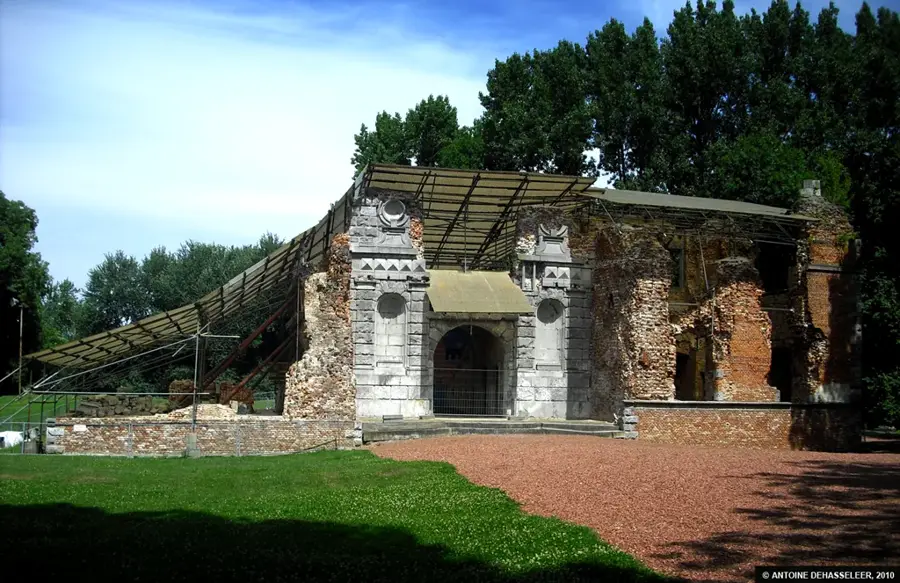
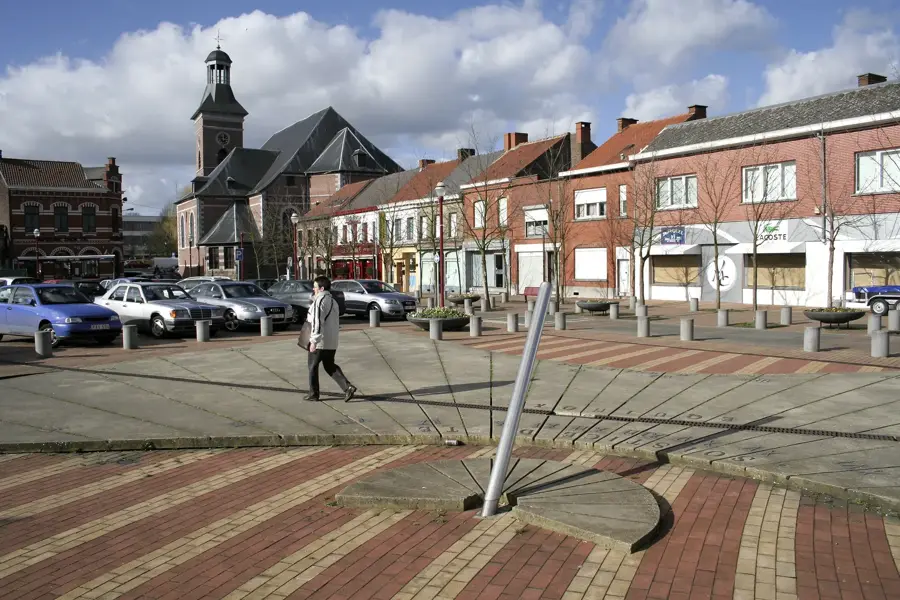
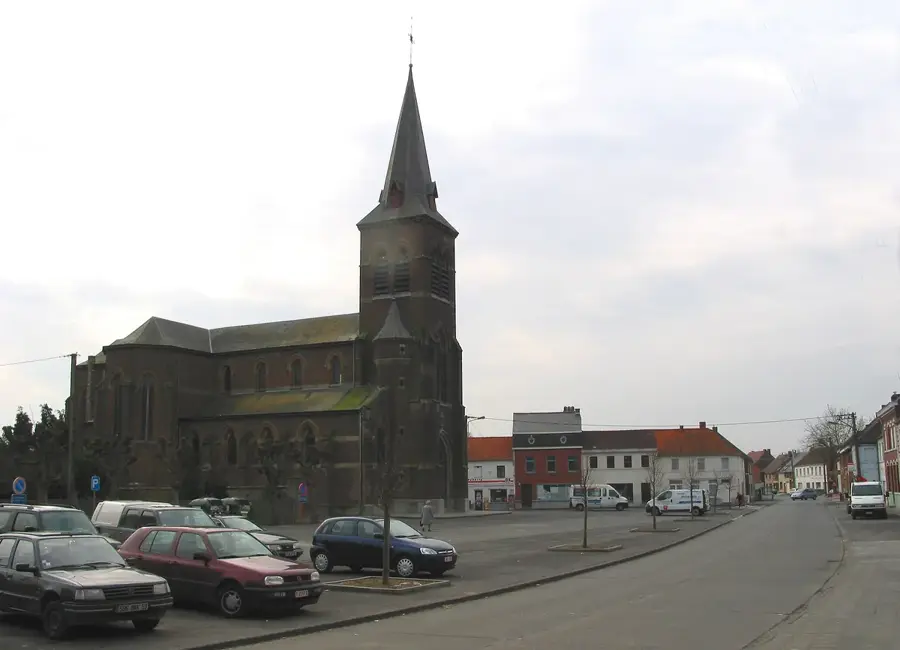
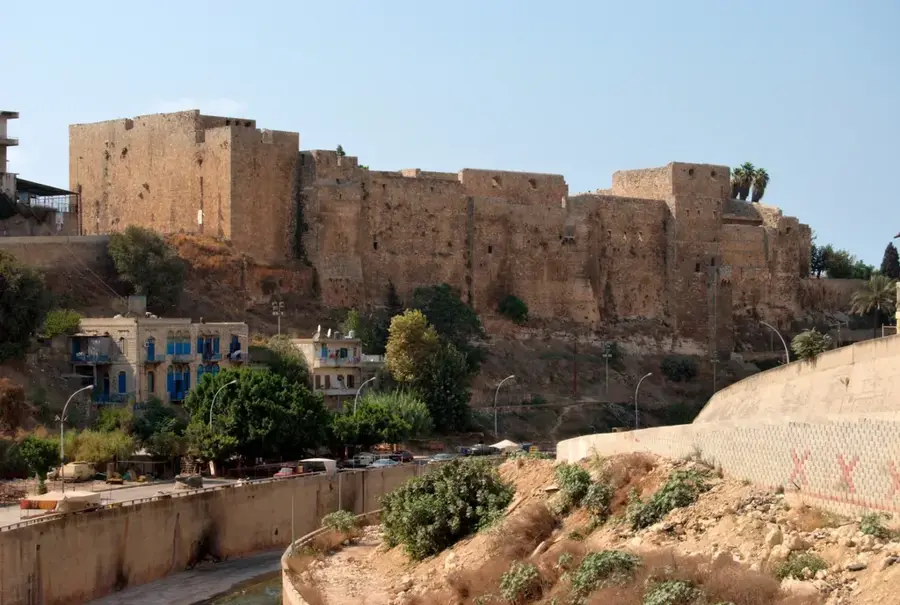
Route planner — Car & Motorhome
Where do you start? We build the route here, with stops and country notes along the way.
© OpenStreetMap contributors · OpenRouteService
Sights in the town Dour Mining Site (7)
Musée Communal G. Mulpas🏛 museum
Museum in Dour, Belgium.
Aux Morts WW
War memorial in Dour, Belgium.
Notre-Dame de l'Epinette
Chapel ruin in Dour, Belgium.
Sights nearby
Frequently asked questions
What is the Dour mining heritage?
Can the old mines be visited?
What are the 'terrils' in Dour?
Is there a mining museum?
What else is Dour famous for today?
Dour Mining Site: where is it located?
Dour Mining Site: what is there to see?
Dour Mining Site: when is the best time to visit?
Dour Mining Site: why is it worth visiting?

Nearby cities