Plizio Visual Lab

Condé-sur-l'Escaut

Plizio editorial teamData Sources
City
—°174
Condé-sur-l'Escaut (France)
ℹ️

Practical info — Condé-sur-l'Escaut

🌤 Weather — 5 days

📍 Nearby

Sights nearby

💡 Tips

  • Take time to explore the old Vauban fortifications; they are deeply historical and freely accessible for walking.
  • Pack comfortable walking shoes, as the paths around the former mining sites and the old ramparts can be quite uneven.
  • Take a quick trip across the border since you are right next to Belgium, but remember to check your mobile roaming plan.
  • The town is home to a rich coal mining heritage. Look out for the traditional old miners' cottages (corons) that are still in use.

🍽 Food

🍽
Carbonnade Flamande

A rich, slow-cooked beef stew made with dark beer, commonly found in traditional estaminets (local taverns).

🍽
Flamiche au Maroilles

A savory tart baked with the region's pungent yet absolutely delicious Maroilles cheese.

🍽
Frites

Stop by a local "friterie" (chip stand) to grab a cone of authentic, double-fried regional French fries.

🛍 Shopping · 🧘 Quiet spots

🛍
Place Pierre Delcourt Market

Held on Thursday mornings, this market is excellent for picking up fresh regional produce and local cheeses.

🛍
Local Craft Beer

The surrounding area is famous for brewing; look for local artisanal ales in specialized shops or larger supermarkets.

🧘
Base de loisirs de Chabaud-Latour

A beautiful lake and nature reserve that has been impressively reclaimed from an old industrial mining site.

🧘
Towpaths of the Escaut

Flat, peaceful walking paths running right alongside the river, well-suited for strolling and watching the barges pass.

Highlights of 2026

1

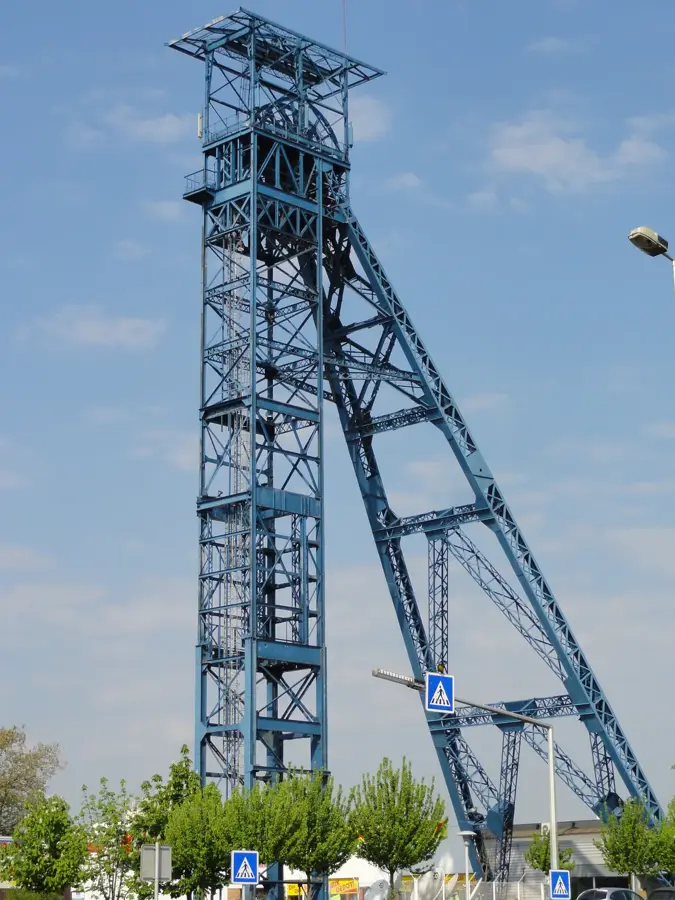
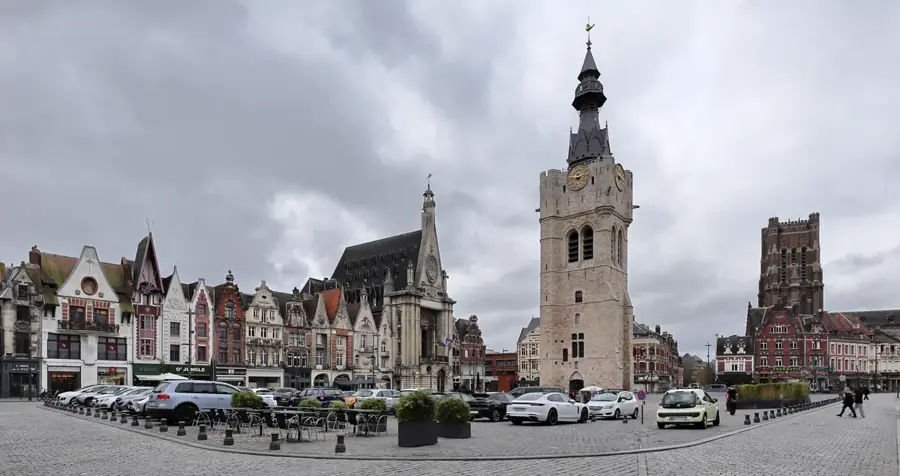
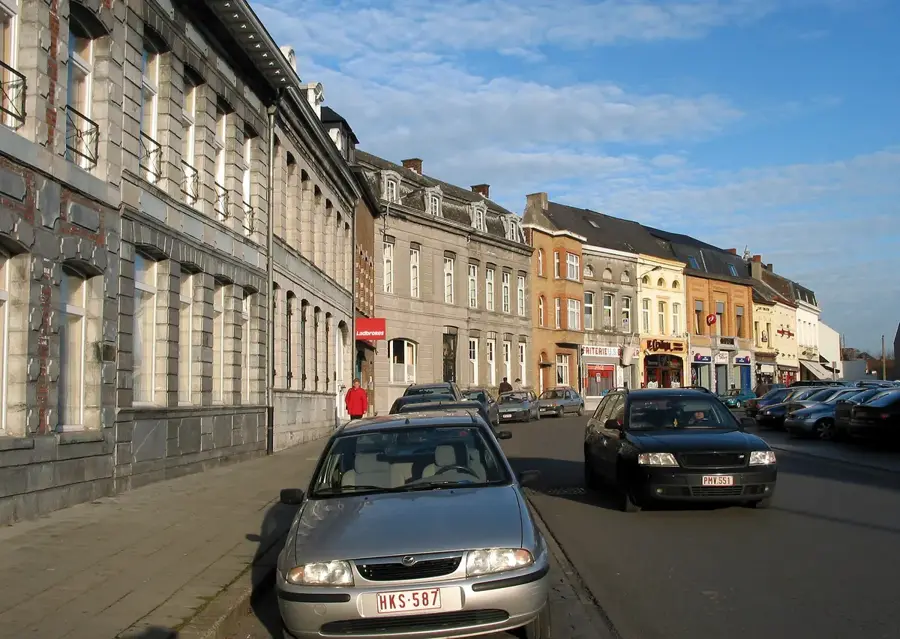
Condé-sur-l'Escaut is a historic town in the Nord department of northern France, situated at the strategic confluence of the Escaut and Haine rivers. Its name reflects its location and its long-standing importance as a border stronghold. The town's most prominent feature is its vast fortification network, which was significantly enhanced by the renowned military engineer Vauban in the late 17th century. These defenses made it a formidable obstacle during numerous European conflicts. In the 1800s, the town transitioned from a purely military site to a hub of the industrial revolution, driven by the discovery of coal. The local mines, particularly the Fosse Ledoux, were integral to the region's prosperity for over a century. Today, Condé-sur-l'Escaut is celebrated as part of the UNESCO World Heritage site of the Nord-Pas-de-Calais Mining Basin. Visitors can explore the blend of grand 18th-century architecture, such as the Château de Bailleul, and the raw industrial remains that define the character of this resilient northern French community.

Best time to visit & climate

The most pleasant time to visit is Jun–Aug.

JanFebMarAprMayJunJulAugSepOctNovDec
Avg °C3361013161818151173
Rain mm665956415963707653637076

Geography

Population
10,215
Coordinates
50.44920, 3.59060

Facts

  • The Ledoux coal pit was opened in 1901.
  • The city fortifications span a perimeter of over 3 kilometers.
  • Formally integrated into France by the Treaty of Nijmegen in 1678.
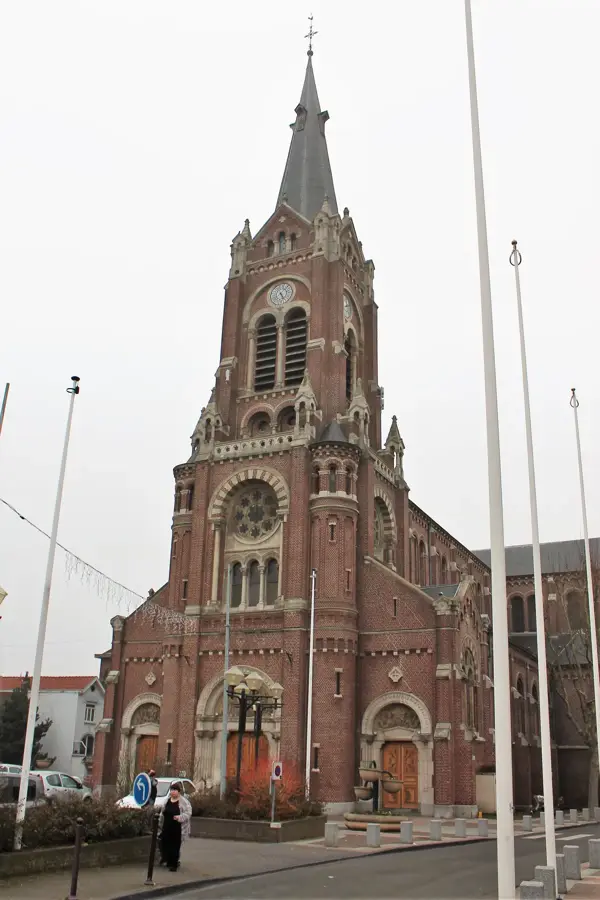
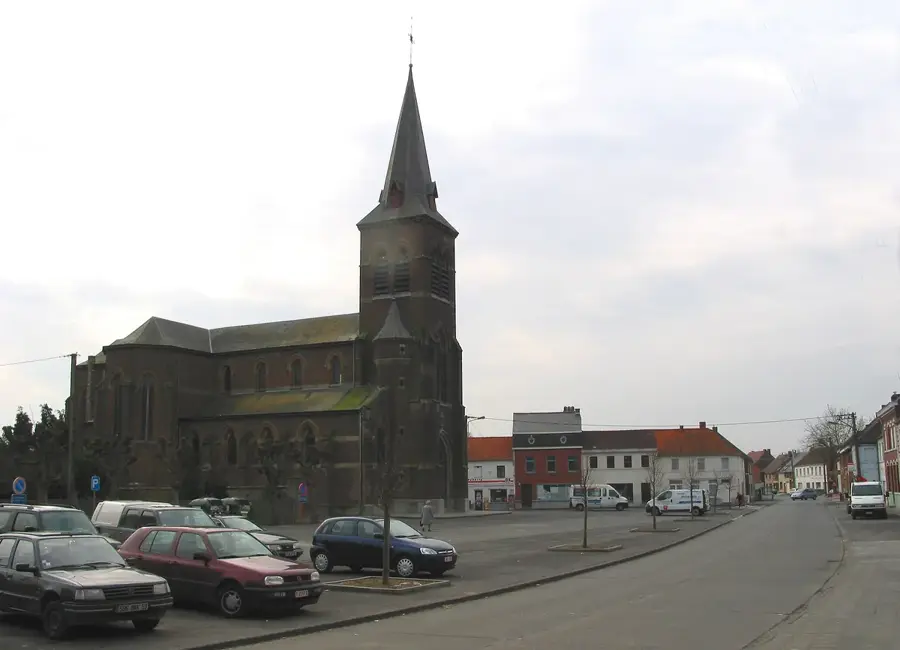
  • Saint-Wasnon Church was constructed starting in 1751.
  • The total area of the municipality is approximately 18.4 square kilometers.
  • Home to the famous Renaissance composer Josquin Desprez.

Explore nearby

Notable places around

Route planner — Car & Motorhome

Where do you start? We build the route here, with stops and country notes along the way.

Vehicle
Only stops with (optional):

© OpenStreetMap contributors · OpenRouteService

Sights in the town Condé-sur-l'Escaut (7)

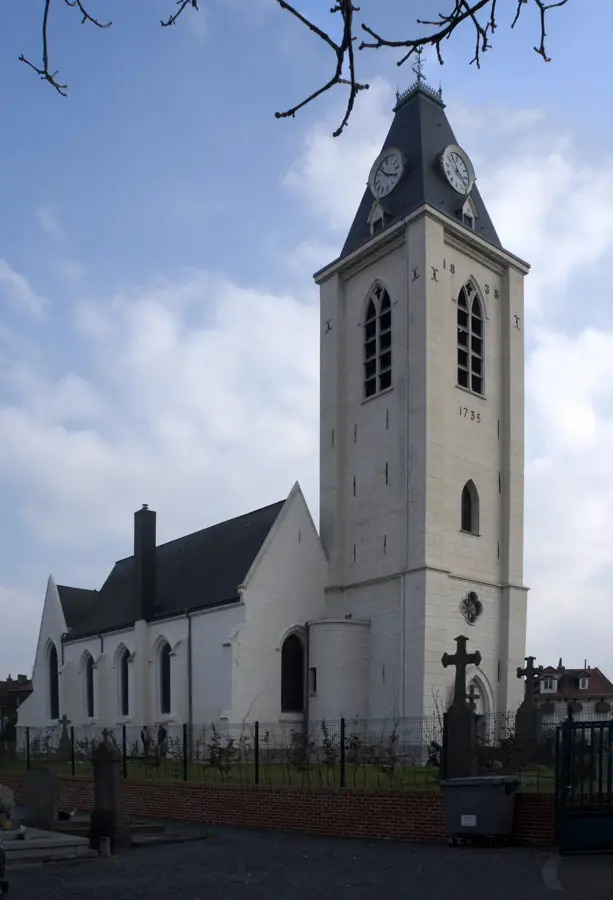
Saint-Wasnon Church⛪ religious

An impressive neoclassical church with a prominent tower, designed by a pupil of Hardouin-Mansart.

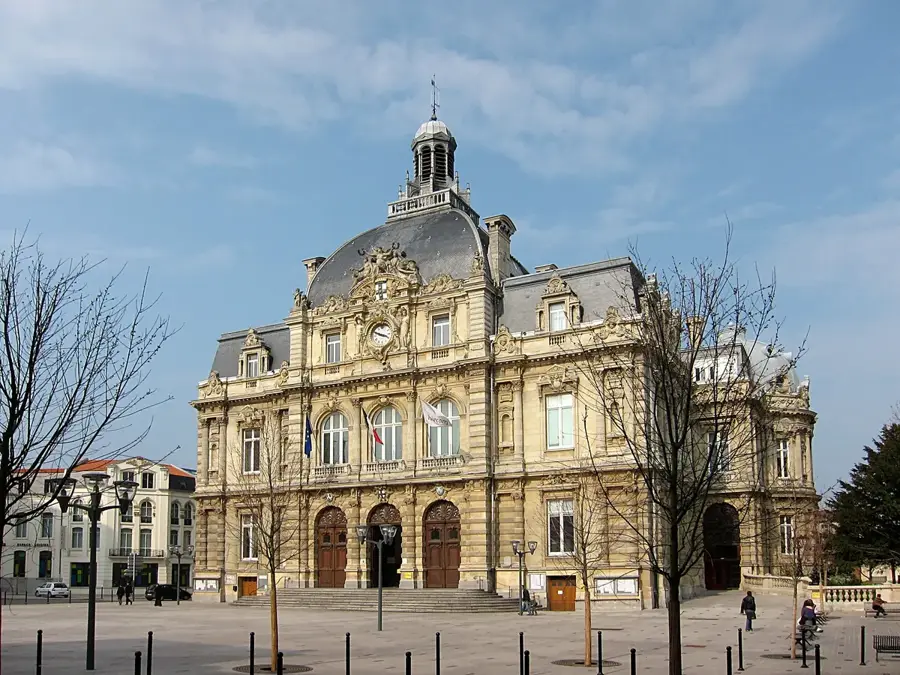
Château de Bailleul🏺 historical

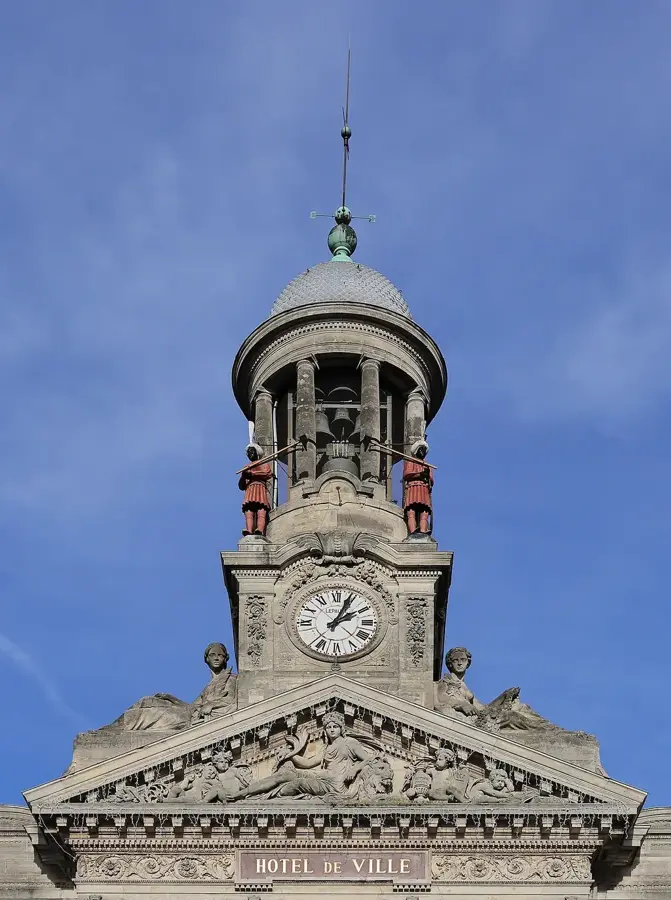
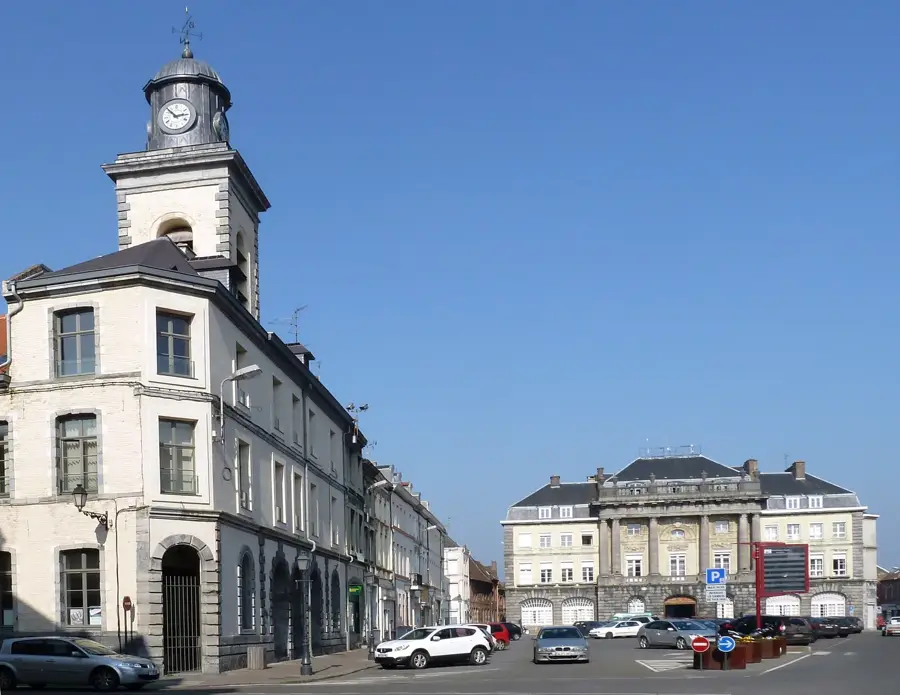
A magnificent building that now houses the Town Hall, known for its elegant architecture and local history.

Remparts de Condé🛡️ fortress

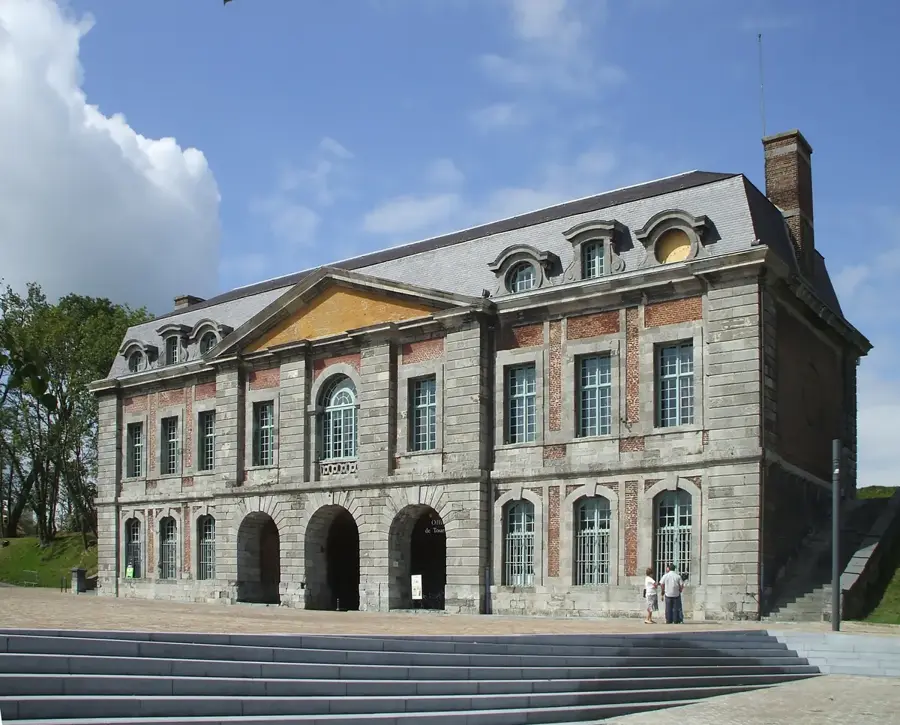
Well-preserved fortifications designed by Vauban, showcasing the town's past military significance at the border.

Chabaud-Latour Lake🌿 nature

A large lake formed by mining subsidence, now a protected natural area and a haven for many species of waterfowl.

Porte de Vautourneux🏺 historical

A monumental 18th-century city gate preserved as a remnant of the historical defense systems of Condé.

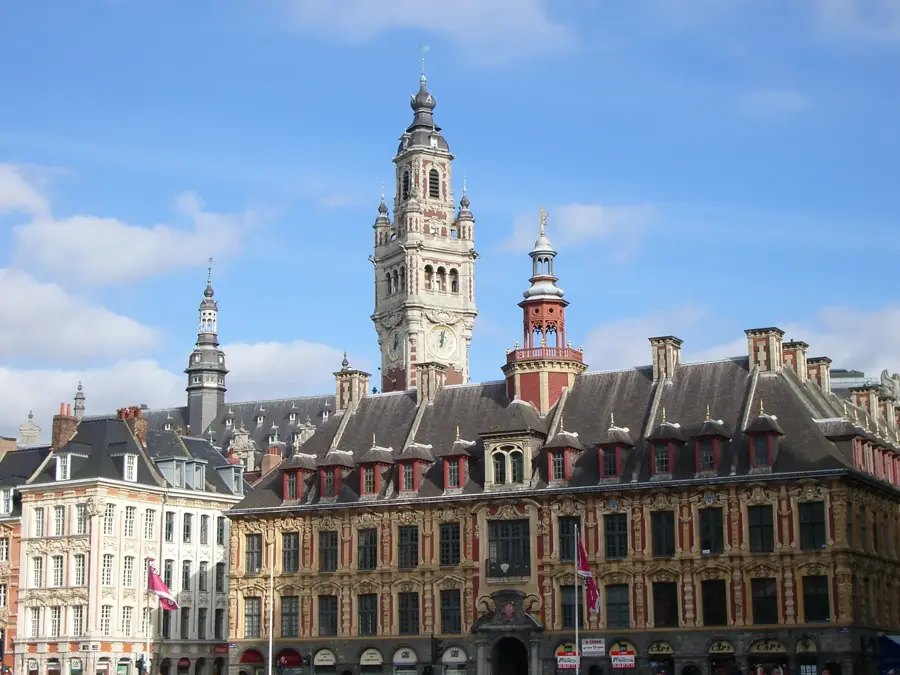
Condé Belfry🏺 historical

The town's historic belfry, representing civic pride and standing as a landmark in the old town center.

Lac de Bernissart🌿 nature

Lac de Bernissart is a lake located in Conde Sur L Escaut, providing a natural setting for scenic walks and outdoor relaxation.

Frequently asked questions

What are the Vauban fortifications?
They are historical city walls and moats designed by the famous military architect Vauban.
Are there nature areas to explore?
The city is located in the Scarpe-Escaut Regional Nature Park, convenient for hiking along the Escaut river.
What is the Château de l'Hermitage?
A magnificent 18th-century hunting lodge surrounded by a vast forest area.
Does the city have a mining past?
Yes, the Ledoux pit (Fosse Ledoux) is part of the UNESCO World Heritage of the North French mining basin.
Is it close to the Belgian border?
Yes, the city is located right on the border with Belgium, near the city of Mons.
Condé-sur-l'Escaut: where is it located?
Condé-sur-l'Escaut is located in Hauts-de-France, France.
Condé-sur-l'Escaut: what is there to see?
Highlights include Saint-Wasnon Church, Château de Bailleul, Remparts de Condé.
Condé-sur-l'Escaut: when is the best time to visit?
The most pleasant time to visit is Jun, Aug.
Condé-sur-l'Escaut: why is it worth visiting?
Condé-sur-l'Escaut is a historic town in the Nord department of northern France, situated at the strategic confluence of the Escaut and Haine rivers.
View on map → The Top 50 Attractions → Most beautiful beaches → OpenStreetMap →
Europe
Explore with Plizio Discover more places in Europe
More places in France →

Nearby cities