Plizio Visual Lab
Jamba

ℹ️Practical info — Jamba
▾
🌤 Weather — 5 days
📍 Nearby
Sights nearby
💡 Tips
- Infrastructure is developing, but road conditions vary. A sturdy 4x4 vehicle is recommended if you explore the surrounding province.
- Cash is king in Jamba; ATMs may be unreliable or empty, so carry enough kwanzas for your daily needs.
- Learn a few basic phrases in Portuguese; English is rarely spoken outside of formal business settings.
- The dry season (May to October) is the most comfortable and practical time to navigate the region.
🍽 Food
The staple cassava flour porridge, typically eaten with a rich chicken or fish stew. Find it at traditional local eateries (cantinas).
A flavorful chicken stew cooked with palm oil and okra. Best enjoyed at family-run restaurants near the town center.
Local freshwater fish (tilapia) grilled over charcoal, a simple yet delicious roadside meal.
🛍 Shopping · 🧘 Quiet spots
Visit the spirited open-air markets early in the morning for fresh agricultural produce, colorful fabrics, and a lively atmosphere.
Hand-carved wooden figures and masks can sometimes be found from local artisans; ask around the market stalls.
The landscape opens up beautifully just outside the town, offering quiet spots to observe the natural Angolan savanna.
The small community churches often have peaceful courtyards where you can sit and find a moment of shade and silence.
Water temperature…
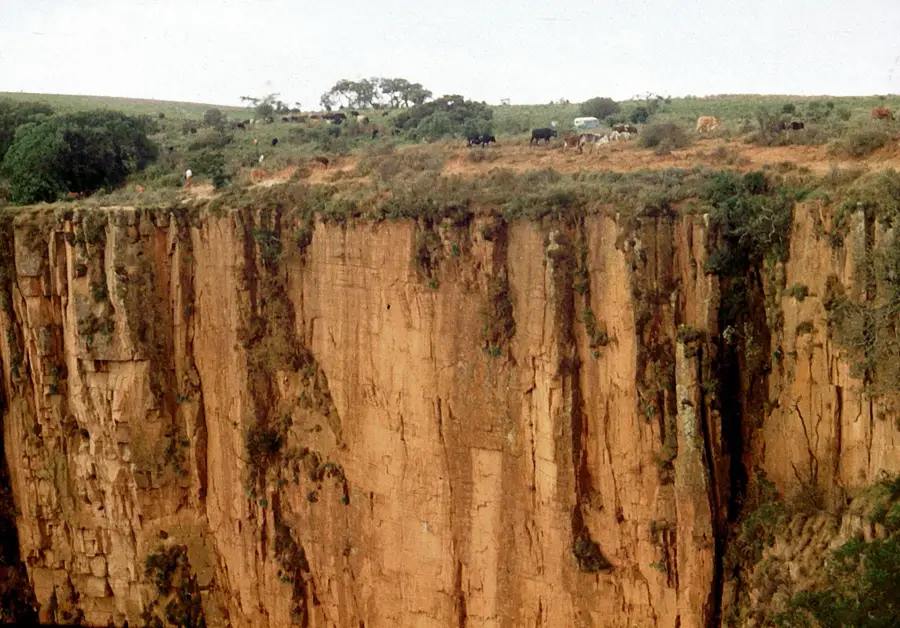
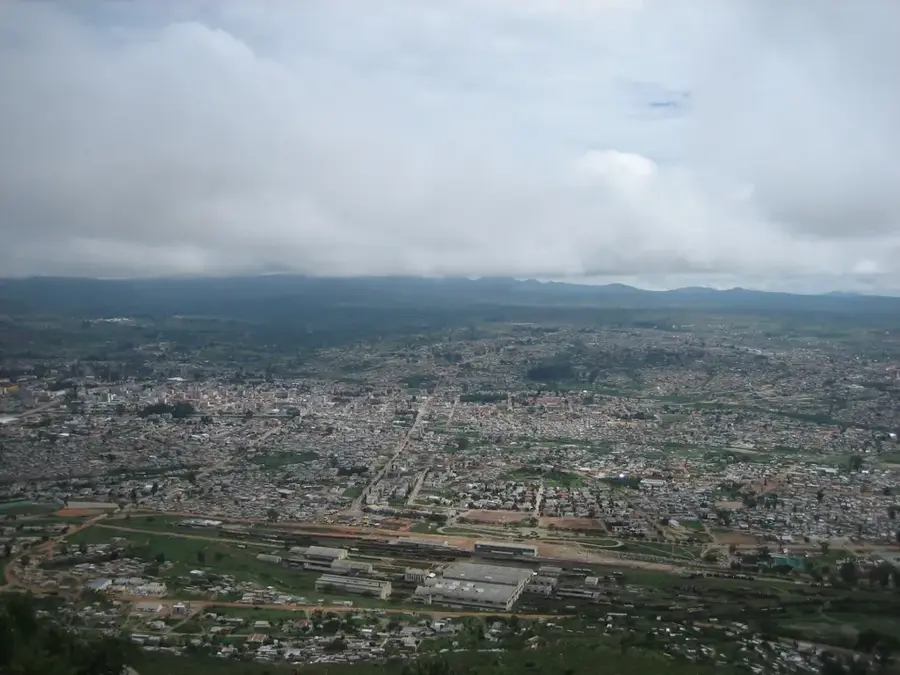
Jamba is a mining town located in the Huíla Province of southwestern Angola, primarily known for its substantial iron ore deposits. The town lies approximately 300 kilometers east of Lubango at an elevation of about 1,100 meters. During the 1960s, Jamba experienced an economic boom due to the development of the Cassinga mines, which represented some of the largest mining projects of the Portuguese colonial era. To facilitate the transport of ore to the port of Namibe, the Moçâmedes Railway was extended into this region. Following the civil war, which severely damaged the mining infrastructure, there are ongoing efforts to reactivate the mines today. In addition to mining, subsistence farming supports the local population. The climate is dry-tropical, characterized by cool nights during the dry season.
Best time to visit & climate
The most pleasant time to visit is Apr, May, Aug.
| Jan | Feb | Mar | Apr | May | Jun | Jul | Aug | Sep | Oct | Nov | Dec | |
|---|---|---|---|---|---|---|---|---|---|---|---|---|
| Avg °C | 22 | 22 | 21 | 21 | 20 | 18 | 18 | 21 | 24 | 26 | 23 | 22 |
| Rain mm | 142 | 143 | 185 | 51 | 6 | 0 | 0 | 1 | 7 | 53 | 150 | 123 |
Geography
Facts
- Jamba is located in the vicinity of the famous Cassinga iron ore mines.
- The town serves as the terminus for a branch of the Moçâmedes Railway.
- The elevation above sea level is approximately 1,100 meters.
- Iron ore production reached its peak during the 1970s.
- Jamba is the administrative center of a municipality in Huíla Province.
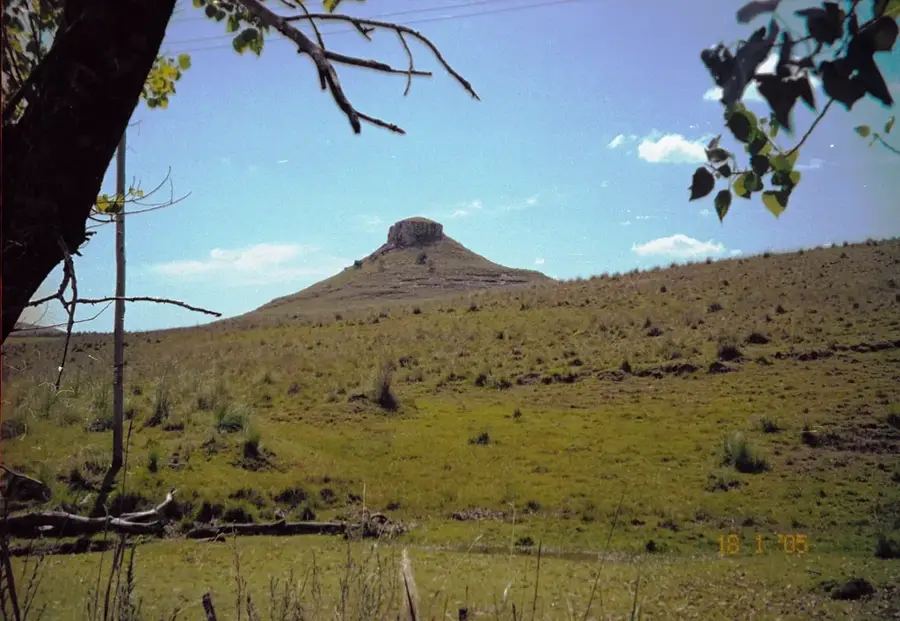
- The region is defined by vast thorn-scrub savanna landscapes.
Explore nearby
Notable places around

Route planner — Car & Motorhome
Where do you start? We build the route here, with stops and country notes along the way.
© OpenStreetMap contributors · OpenRouteService
Sights in the town Jamba (1)
Frequently asked questions
How many days do you need for Jamba?
When is the best time to visit Jamba?
What is the easiest way to get to Jamba?
What food is typical in Jamba?
Is Jamba family-friendly?
Jamba: where is it located?
Jamba: when is the best time to visit?
Jamba: why is it worth visiting?

Nearby cities
More places