Plizio Visual Lab
Gove Dam
Weather…
Water temperature…
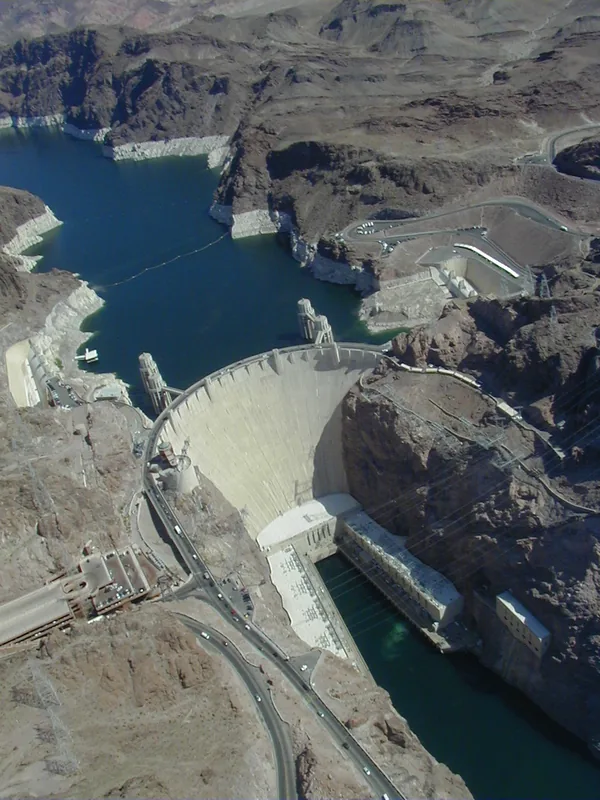
The Gove Dam, situated on the upper Cunene River in Huambo Province, is a cornerstone of Angola's hydraulic and energy infrastructure. Construction of the facility commenced in 1969 during the Portuguese colonial era and was completed in 1973, primarily to regulate water flow for the Ruacana hydroelectric complex located further downstream. The dam suffered catastrophic structural damage in 1990 during the Angolan Civil War, which necessitated a massive reconstruction effort following the return of peace. After extensive rehabilitation, the dam was officially reinaugurated in August 2012, featuring a new hydroelectric power station. Standing 58 meters high with a crest length of 1,100 meters, it creates a massive reservoir capable of holding 2.5 billion cubic meters of water. Beyond generating renewable electricity through its three turbines, the dam plays a critical role in supporting local agriculture through irrigation and managing water resources for the central highlands' population.
- Location: Angola
- Nearby: Caála (62 km)
Best time to visit & climate
The most pleasant time to visit is May, Aug, Sep.
| Jan | Feb | Mar | Apr | May | Jun | Jul | Aug | Sep | Oct | Nov | Dec | |
|---|---|---|---|---|---|---|---|---|---|---|---|---|
| Avg °C | 20 | 20 | 20 | 20 | 19 | 17 | 17 | 20 | 23 | 24 | 21 | 20 |
| Rain mm | 162 | 161 | 246 | 64 | 6 | 1 | 0 | 2 | 12 | 70 | 210 | 162 |
📋 Practical info
Geography
Facts
- Built between 1969 and 1973 during the Portuguese colonial administration.
- The dam structure stands 58 meters high with a length of 1,100 meters.
- The reservoir has a total storage capacity of 2.5 billion cubic meters.
- Severely damaged in 1990 during the civil war and reopened in 2012.
- Equipped with three turbines for hydroelectric power generation.
- Regulates the Cunene River flow for the downstream Ruacana power plant.
Explore nearby
Notable places around


Route planner — Car & Motorhome
Where do you start? We build the route here, with stops and country notes along the way.
© OpenStreetMap contributors · OpenRouteService
Sights nearby
Frequently asked questions
What is the Gove Dam?
Can you go there without arranging a visit?
When is the most practical time to go?
What is interesting nearby?
What is Gove known for?
Gove Dam: where is it located?
Gove Dam: when is the best time to visit?
Gove Dam: why is it worth visiting?

Nearby cities

History & landmarks
More places