Plizio Visual Lab
Huambo
ℹ️Practical info — Huambo
▾
🌤 Weather — 5 days
📍 Nearby
Sights nearby
💡 Tips
- The climate here is cooler than on the coast, so pack light layers or a sweater for the evening.
- Navigating the city is easiest by taking local blue-and-white taxis (candongueiros), but agree on the fare beforehand.
- Explore the city center on foot to see the contrasting mix of rebuilt modern structures and colonial ruins.
- Power and water outages can still occur occasionally in some areas, so keep your devices charged.
🍽 Food
The national staple of cassava flour porridge, served with okra and meat sauce; ask for it in traditional Angolan restaurants.
Grilled fish served with beans, plantains, and sweet potato; a filling dish available at casual eateries.
Enjoy a cold Cuca or Eka beer at a lively bar in the city center.
🛍 Shopping · 🧘 Quiet spots
An animated and busy local market where you can find everything from fresh produce to clothing.
Look out for wooden sculptures and traditional Angolan textiles sold by street vendors.
A well-kept central garden where locals gather to relax in the shade during hot afternoons.
The historical greenhouse and surrounding area provide a peaceful escape from the bustling streets.
Water temperature…
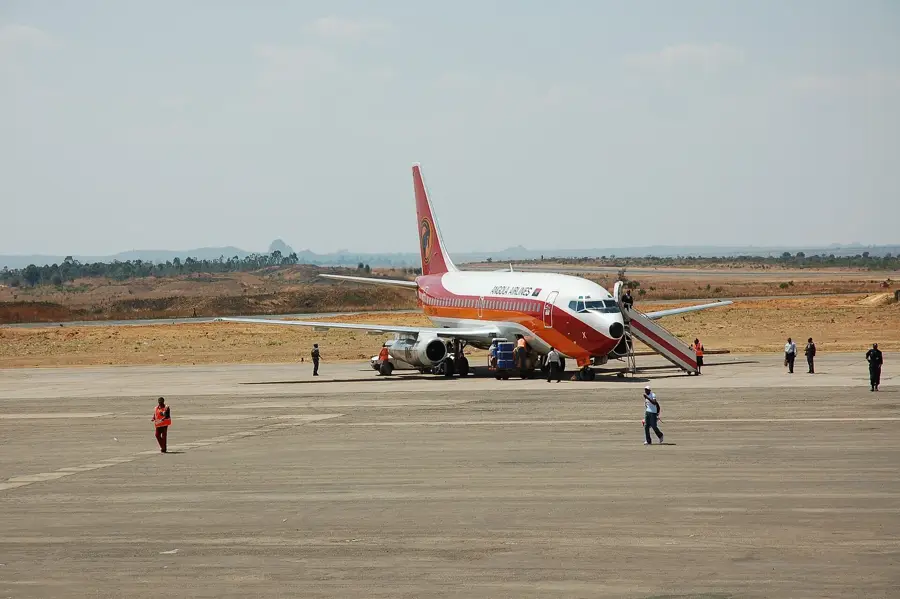
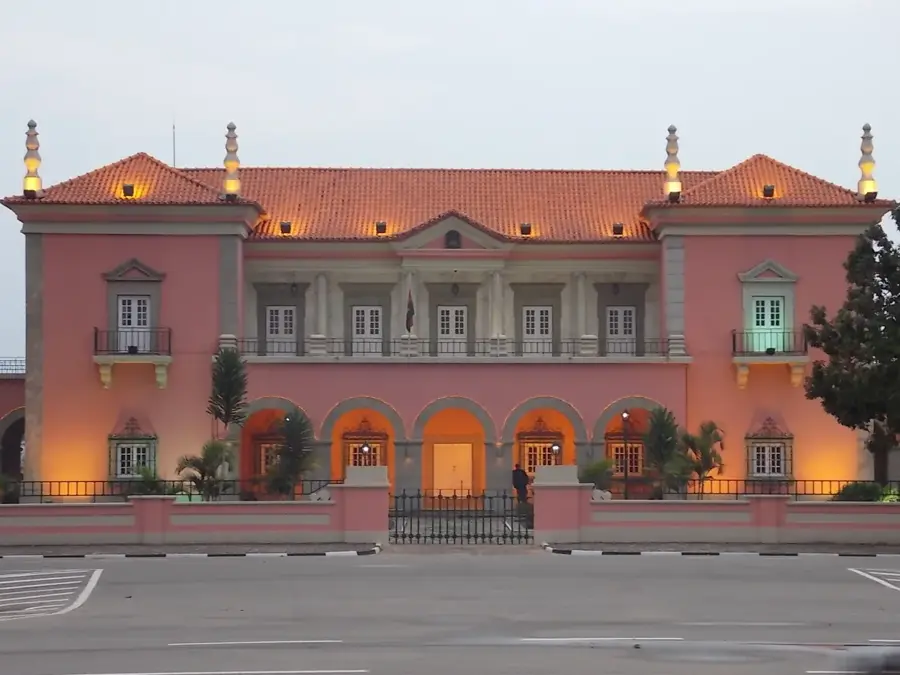
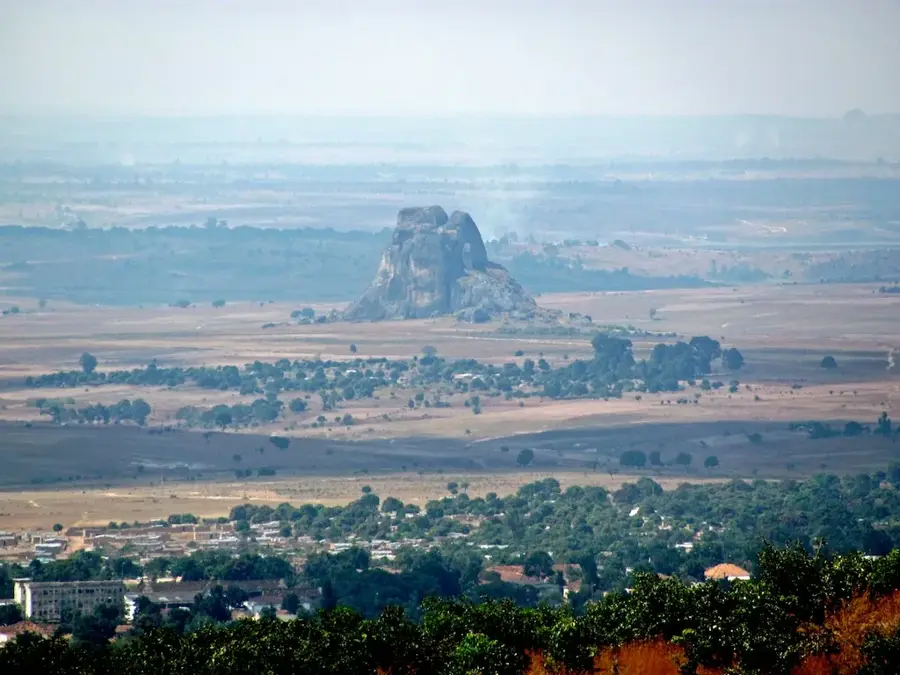
Huambo, formerly known as Nova Lisboa, is the capital of Huambo Province and stands as the principal urban center of the Angolan Central Plateau (Planalto Central). Situated at an elevation of 1,721 meters, the city enjoys a subtropical highland climate, characterized by cool temperatures and fresh mountain air, which earned it the nickname 'the garden city of Angola.' Founded in 1912 by the Portuguese governor Norton de Matos, Huambo was meticulously planned to become a major administrative hub, and for a period in the 20th century, it was even considered as a potential new capital for the territory. The city's growth was catalyzed by the construction of the Benguela Railway, a strategic rail link that connects the deep-water port of Lobito to the mineral-rich regions of the Democratic Republic of the Congo and Zambia. Despite its grand beginnings, Huambo was one of the hardest-hit cities during the Angolan Civil War, enduring a devastating 55-day siege in 1993. However, the post-2002 era has seen an extraordinary resurgence, with a total rehabilitation of its colonial-era boulevards, public buildings, and parks. Today, Huambo is celebrated as Angola's 'academic capital,' hosting numerous universities and technical institutes that focus on agriculture, medicine, and engineering. The local economy is driven by its role as an agricultural powerhouse, benefiting from the fertile volcanic soils of the surrounding highlands. Cultural life is rich and diverse, heavily influenced by the Umbundu-speaking people, whose oral traditions and music form the core of the region's identity. Nature enthusiasts are drawn to the nearby Mount Moco, Angola's highest peak, and the scenic beauty of the Kavongue hills. Huambo stands today as a symbol of peace and national reconstruction, blending its historical ambition with a commitment to education, innovation, and sustainable development, making it a key pillar of Angola's future prosperity.
- Location: Angola
- Top sights: Museu Municipal · Savimbi House
- Nearby: Caála (27 km)
- Population: ~595.304 (2026)
Best time to visit & climate
The most pleasant time to visit is May, Aug, Sep.
| Jan | Feb | Mar | Apr | May | Jun | Jul | Aug | Sep | Oct | Nov | Dec | |
|---|---|---|---|---|---|---|---|---|---|---|---|---|
| Avg °C | 19 | 20 | 20 | 19 | 18 | 16 | 16 | 19 | 22 | 22 | 20 | 20 |
| Rain mm | 182 | 174 | 287 | 77 | 7 | 0 | 0 | 4 | 21 | 86 | 245 | 192 |
Geography
Facts
- Huambo was established as a strategic railway junction in 1912.
- The city elevation of 1,721m makes it one of the highest in Africa.
- It was the site of the infamous 55-day war siege in 1993.
- The Benguela Railway workshop in Huambo was once the largest in Africa.
- Average annual rainfall is approximately 1,200 mm.
- The city's namesake comes from the legendary hunter Wambo Kalunga.
- Huambo is home to the National Center for Agricultural Research.
- The urban plan features a central circular plaza called Largo Saydi Mingas.
Explore nearby
Notable places around


Route planner — Car & Motorhome
Where do you start? We build the route here, with stops and country notes along the way.
© OpenStreetMap contributors · OpenRouteService
Sights in the town Huambo (2)
Frequently asked questions
How many days do you need for Huambo?
When is the best time to visit Huambo?
What is the easiest way to get to Huambo?
What local food should you try in Huambo?
Is Huambo family-friendly?
Huambo: where is it located?
Huambo: what is there to see?
Huambo: when is the best time to visit?
Huambo: why is it worth visiting?

Nearby cities
History & landmarks
More places