Plizio Visual Lab
Ondjiva
ℹ️Practical info — Ondjiva
▾
🌤 Weather — 5 days
📍 Nearby
Sights nearby
💡 Tips
- Bring enough Angolan Kwanzas in cash, as international credit cards are rarely accepted outside large hotels.
- The dry season (May to October) is the most comfortable time to visit and navigate the region's roads.
- Shared minibuses (candongueiros) are the main local transport, always agree on the fare before hopping in.
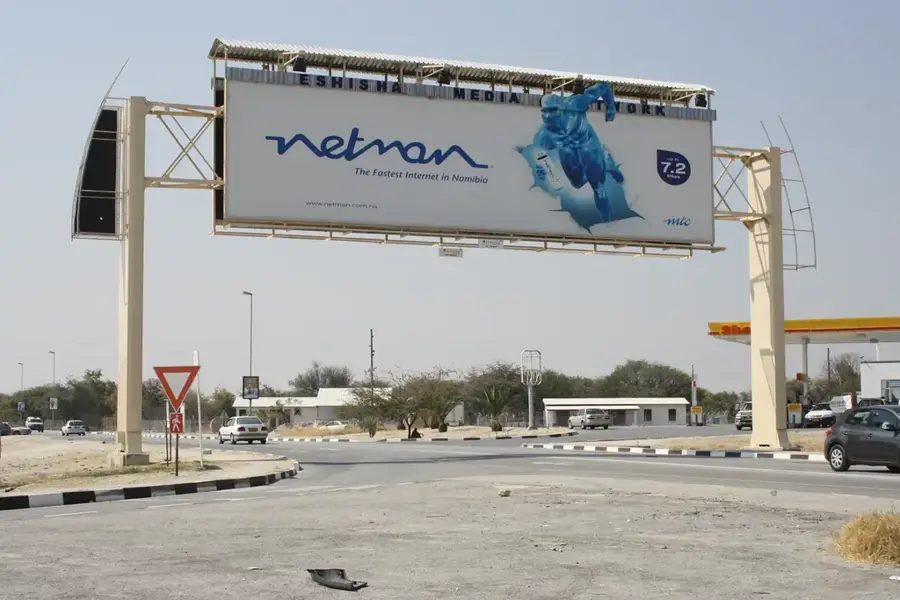
- If crossing the nearby border to Namibia (Oshikango), expect delays and keep your documents handy.
🍽 Food
The traditional Angolan corn or cassava flour porridge, served with meat stews at local eateries.
Fresh local tilapia fish, usually grilled and served with plantains.
Quench your thirst with Angola's most popular national light lager.
🛍 Shopping · 🧘 Quiet spots
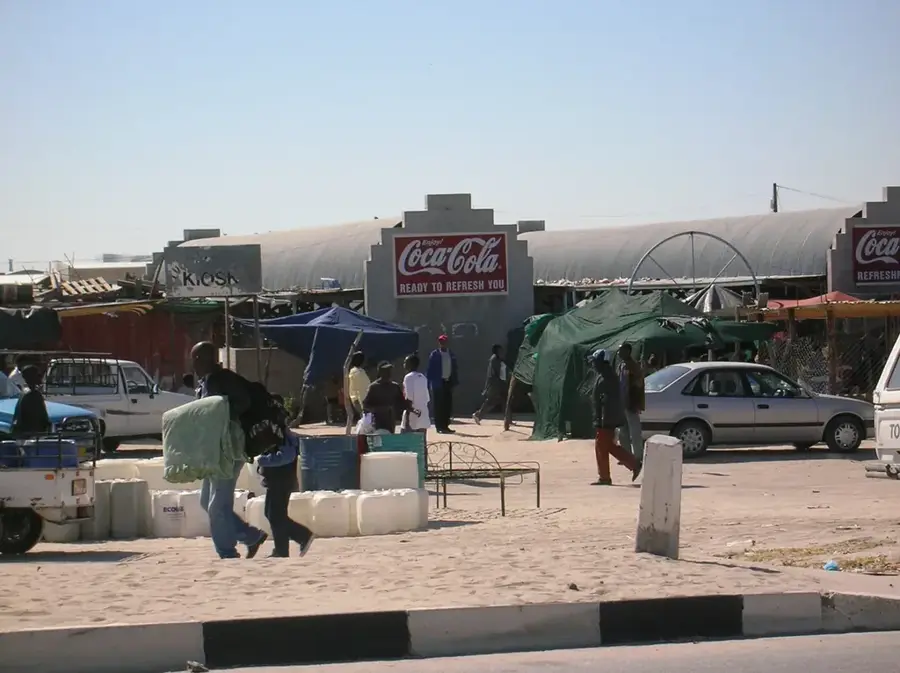
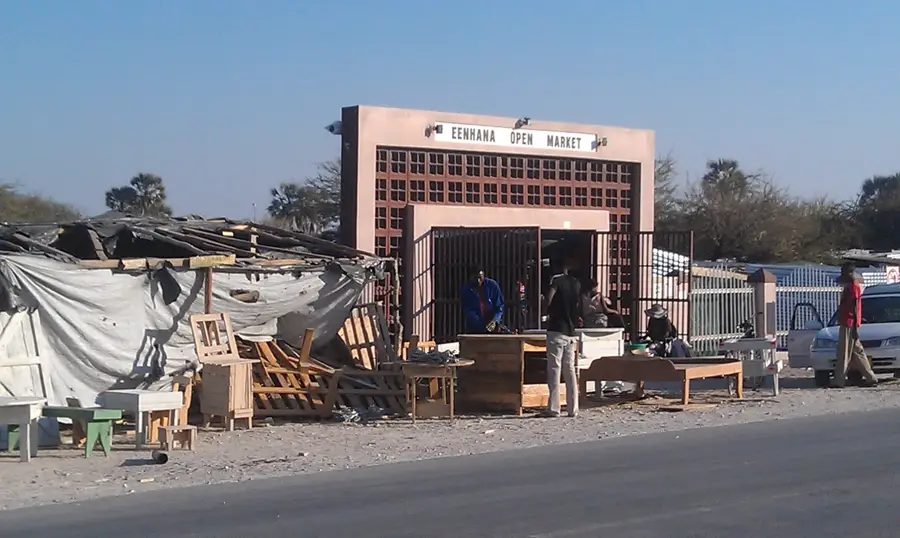
The main hub for local produce, household goods, and regional spices.
Near Oshikango, you can find an interesting mix of imported goods and cross-border trade items.
The main town square is relatively calm in the late afternoons for a relaxed stroll.
The areas around the historic local churches often offer a peaceful shaded retreat.
Water temperature…
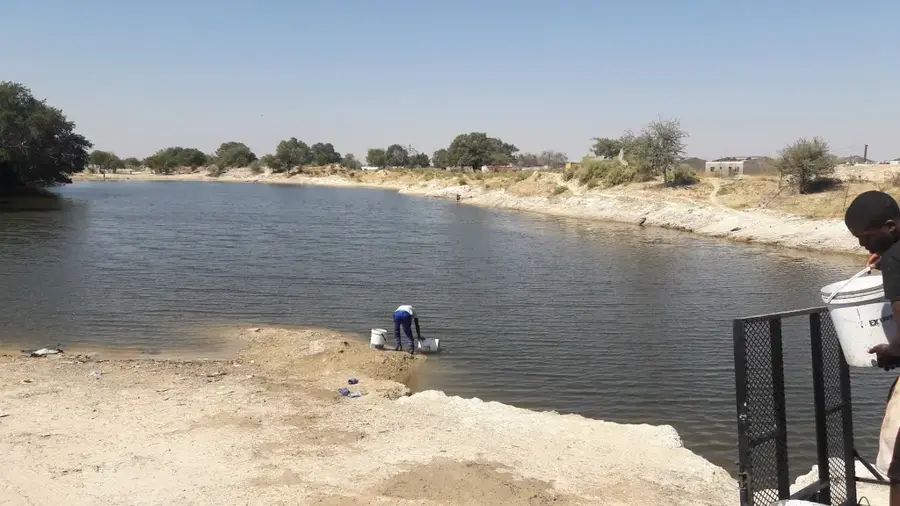
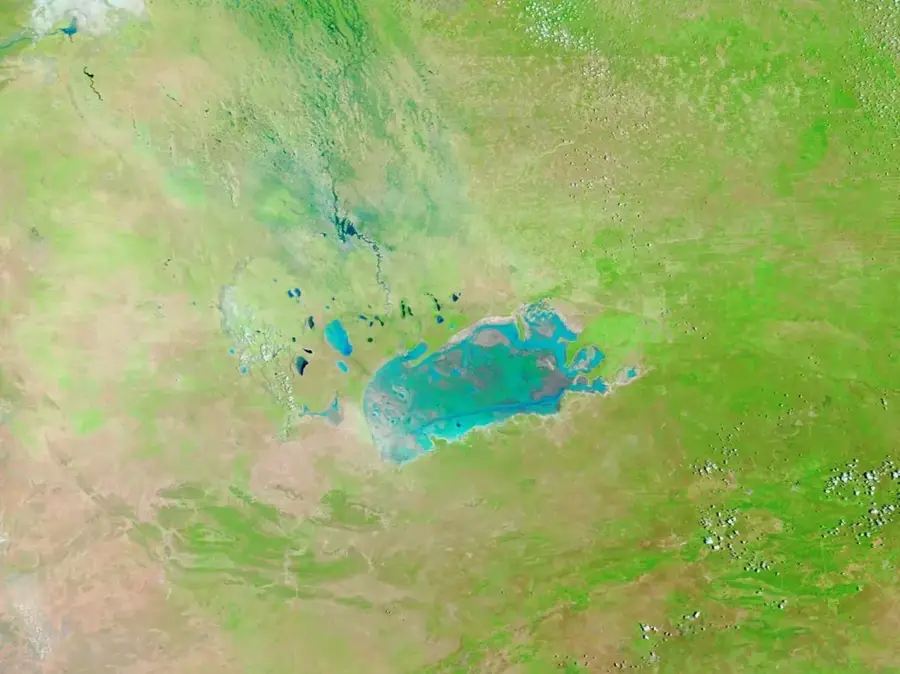
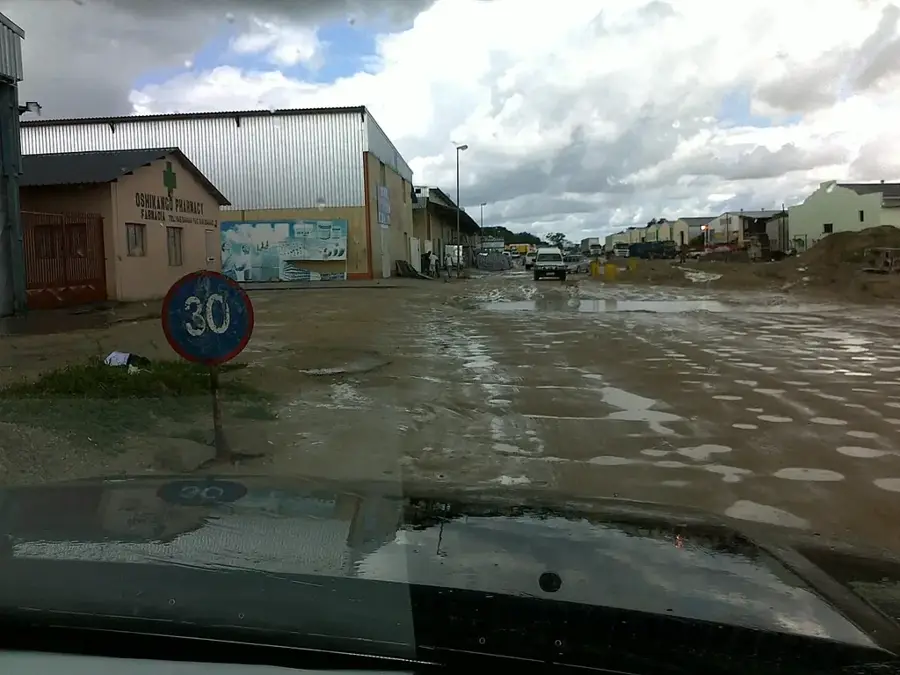
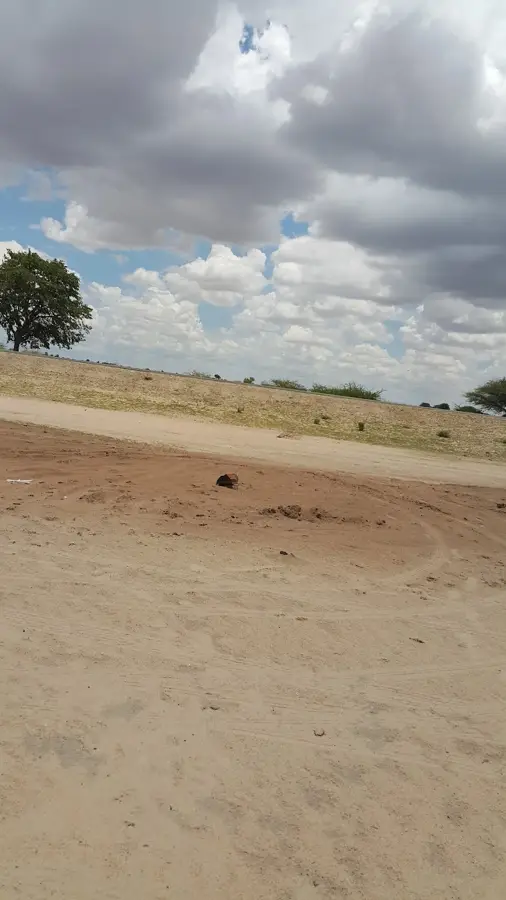
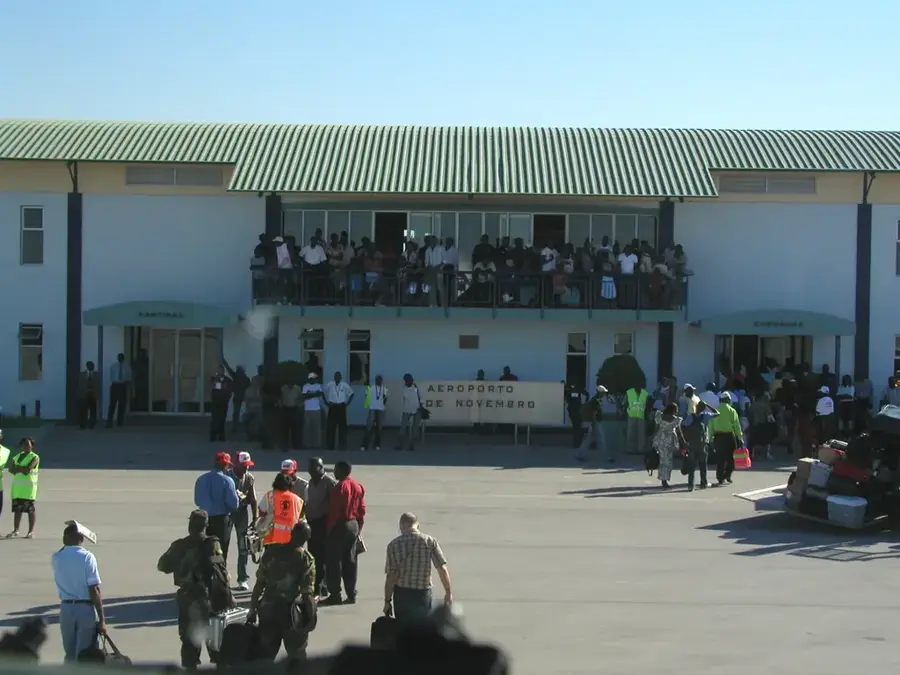
Ondjiva, the strategic capital of Cunene Province in southern Angola, stands as a symbol of the nation's post-war recovery and its growing ties with southern African neighbors. Located just 42 kilometers north of the Namibian border at Santa Clara, it is the primary administrative and commercial hub of the region. The city sits on a vast, semi-arid plain within the Cuvelai Basin, an area characterized by seasonal watercourses known as 'oshanas.' Historically, Ondjiva was the seat of the Cuanhama kings, including the legendary Mandume ya Ndemufayo, who resisted colonial expansion until his death in 1917. During the late 20th century, the city suffered immense damage during the South African Border War, being occupied and largely leveled. Since the 2002 peace agreement, Ondjiva has undergone a total transformation, with a master-planned reconstruction that introduced modern paved streets, government complexes, and a significant expansion of electrical and water networks. The local economy is driven by cross-border logistics; Ondjiva is a critical transit point for goods coming from the Port of Walvis Bay in Namibia and from South Africa. Retail and wholesale trade dominate the urban center, while the rural surroundings depend heavily on cattle ranching, which is central to the identity of the local Ovambo people. The city’s climate is hot, with temperatures often exceeding 35°C before the arrival of the summer rains. Culturally, Ondjiva is famous for the 'Efunla' festival, a traditional initiation rite that draws visitors from across the province. The city is served by the Ondjiva Pereira Airport, facilitating movement to Luanda and other regional capitals. Recent infrastructure projects, such as the CAFUA canal, aim to mitigate the effects of recurring droughts by bringing water from the Cunene River to the city's doorstep. As a growing urban center, Ondjiva reflects the dual nature of modern Angola: a place of high-tech development and deep-seated traditional values, acting as a vital anchor for stability in the far south of the country.
- Location: Angola
- Nearby: Namacunde (27 km)
- Population: ~121.537 (2026)
Best time to visit & climate
The most pleasant time to visit is May, Jun, Aug.
| Jan | Feb | Mar | Apr | May | Jun | Jul | Aug | Sep | Oct | Nov | Dec | |
|---|---|---|---|---|---|---|---|---|---|---|---|---|
| Avg °C | 26 | 25 | 25 | 24 | 22 | 19 | 19 | 22 | 25 | 28 | 28 | 27 |
| Rain mm | 113 | 107 | 128 | 32 | 3 | 0 | 0 | 0 | 2 | 13 | 53 | 66 |
Geography
Facts
- Ondjiva was originally the capital of the Cuanhama kingdom before Portuguese rule.
- The city's coordinates are 17°04′00″S 15°44′00″E near the Namibian border.
- It experienced a major flood in 2009 that destroyed many newly built homes.
- The city is a major hub for the 'Southern Corridor' of Angolan development.
- Ondjiva has several hotels catering to international businessmen and NGO workers.
- The traditional attire of Cuanhama women is still commonly seen in the markets.
- A major shopping mall, Ondjiva Shopping, was opened to modernize the retail sector.
- Local governance includes both the provincial governor and traditional kings.
Explore nearby
Notable places around


Route planner — Car & Motorhome
Where do you start? We build the route here, with stops and country notes along the way.
© OpenStreetMap contributors · OpenRouteService
Sights in the town Ondjiva (1)
Frequently asked questions
How many days do you need for Ondjiva?
When is the best time to visit Ondjiva?
What is the easiest way to get to Ondjiva?
What food is typical in Ondjiva?
Is Ondjiva family-friendly?
Ondjiva: where is it located?
Ondjiva: when is the best time to visit?
Ondjiva: why is it worth visiting?

Nearby cities