Plizio Visual Lab
Fort Roçadas

Weather…
Water temperature…
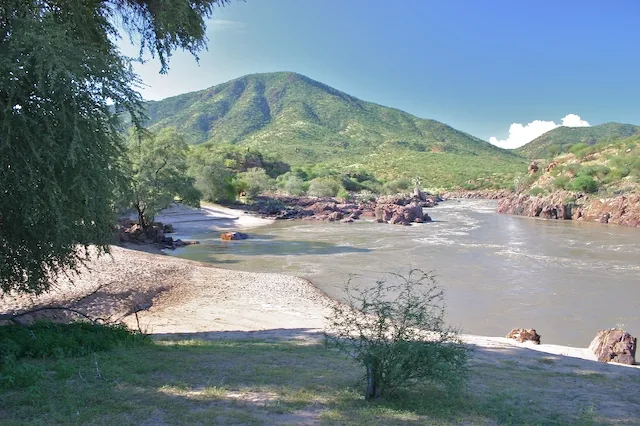
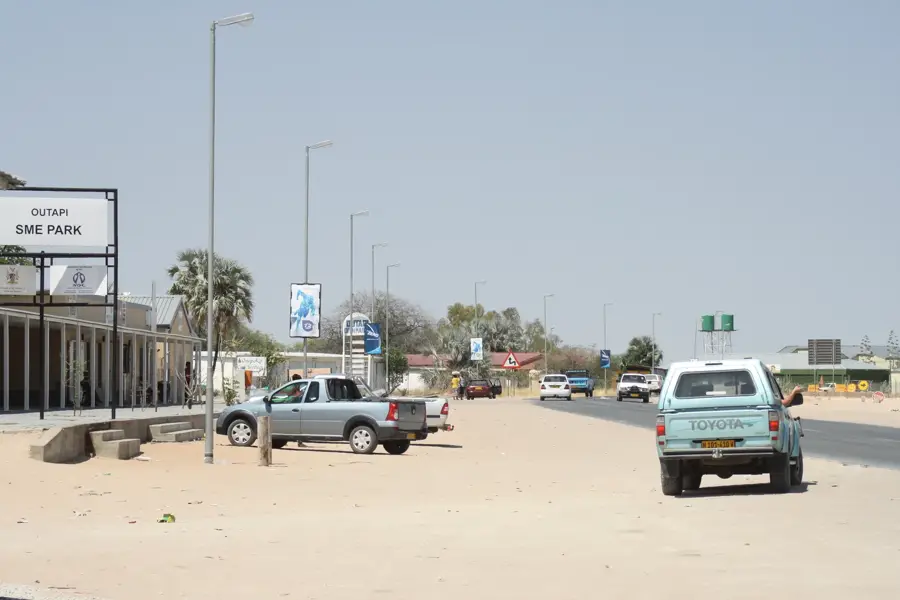
Fort Roçadas, located today in the town of Xangongo in Cunene Province, was a crucial base during the Portuguese campaigns to pacify southern Angola in the early 20th century. Named after General Alves Roçadas, the fortress was erected in 1904 to ensure dominance over the Cuamato people and to control the border. Its location on the Cunene River made it a strategic hub for troop transport and logistics in the region. During World War I, the fort was again the target of German attacks, highlighting its importance as a defensive bulwark. The structures and commemorative plaques still visible today recall the hard fighting and the colonial administrative history of the region. Xangongo has developed around this historical site, with the fort remaining an administrative and historical center.
Best time to visit & climate
The most pleasant time to visit is May, Jul, Aug.
| Jan | Feb | Mar | Apr | May | Jun | Jul | Aug | Sep | Oct | Nov | Dec | |
|---|---|---|---|---|---|---|---|---|---|---|---|---|
| Avg °C | 25 | 25 | 24 | 24 | 21 | 19 | 19 | 22 | 26 | 28 | 27 | 27 |
| Rain mm | 122 | 116 | 151 | 38 | 4 | 0 | 0 | 0 | 2 | 18 | 67 | 78 |
📋 Practical info
Geography
Facts
- The fortress was officially inaugurated in the year 1904
- It is located on the strategically important Cunene River
- It was named after military governor Alves Roçadas
- The fort served as a base for the Cuamato expeditions
- It was an important defensive point during World War I
- Xangongo was formerly called 'Vila Roçadas' in honor of the fort
Explore nearby
Notable places around


Route planner — Car & Motorhome
Where do you start? We build the route here, with stops and country notes along the way.
© OpenStreetMap contributors · OpenRouteService
Sights in the town Fort Roçadas (1)
Sights nearby
Frequently asked questions
How much time should I plan for Fort Roçadas?
When is the best time to go?
Is there an entry fee?
Is it good for photos and easy to walk around?
What can I combine it with nearby?
Fort Roçadas: where is it located?
Fort Roçadas: when is the best time to visit?
Fort Roçadas: why is it worth visiting?