Plizio Visual Lab
Berat Textile Mill
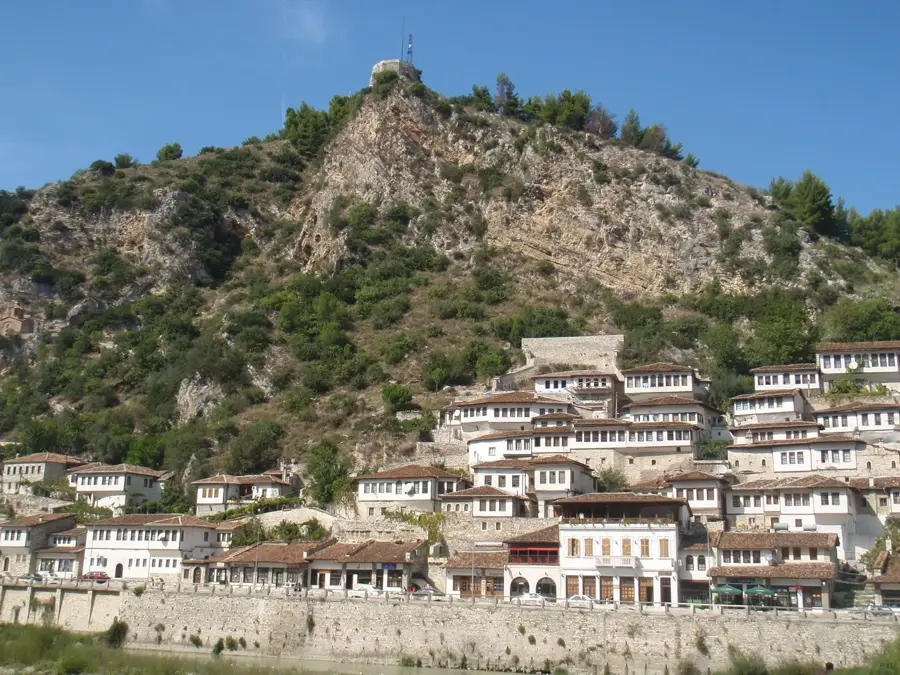
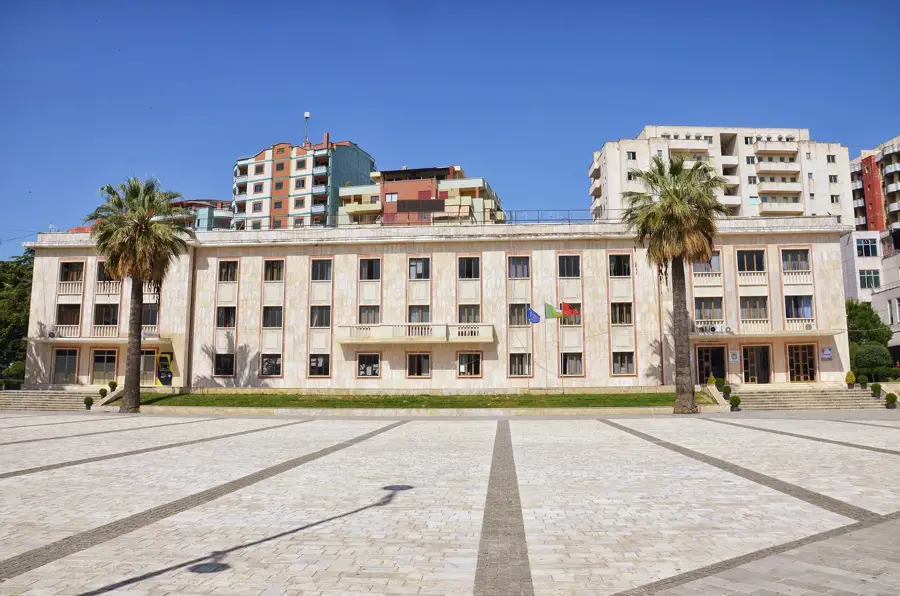
The Berat Textile Mill, originally named after Mao Zedong, was the largest facility of its kind in the Balkans when it opened in 1966. This massive complex was designed to manage the entire production cycle, from raw fibers to finished fabrics. At its peak, the mill employed over 10,000 workers, with a workforce predominantly composed of women, significantly influencing the social fabric of the city of Berat. The mill supplied the Albanian domestic market with cotton and wool fabrics and produced textiles for export to other socialist countries. Following the break with China and the later collapse of socialism, the plant lost its primary markets and sources of raw materials. Privatization in the 1990s led to fragmentation and the eventual decline of the operation. Today, portions of the site are used by small businesses, while the monumental factory halls have largely fallen into disrepair.
- Location: Albania
- Top sights: The house of Stavri Duhanxhiu · Bachelors' Mosque · Kisha e Shën Spiridhonit
- Nearby: Kuçovë (12 km)
Best time to visit & climate
The most pleasant time to visit is Jun–Aug.
| Jan | Feb | Mar | Apr | May | Jun | Jul | Aug | Sep | Oct | Nov | Dec | |
|---|---|---|---|---|---|---|---|---|---|---|---|---|
| Avg °C | 4 | 5 | 8 | 12 | 17 | 22 | 25 | 25 | 20 | 15 | 10 | 5 |
| Rain mm | 105 | 92 | 82 | 61 | 58 | 37 | 21 | 25 | 79 | 98 | 125 | 131 |
📋 Practical info
Geography
Facts
- The mill complex was established in 1966
- Peak employment reached over 10,000 staff members
- Named after Chinese leader Mao Zedong until 1978
- Former center of Albanian cotton and wool processing
- Integrated production from spinning to dyeing
- Decline and partial privatization occurred after 1992
Explore nearby
Notable places around
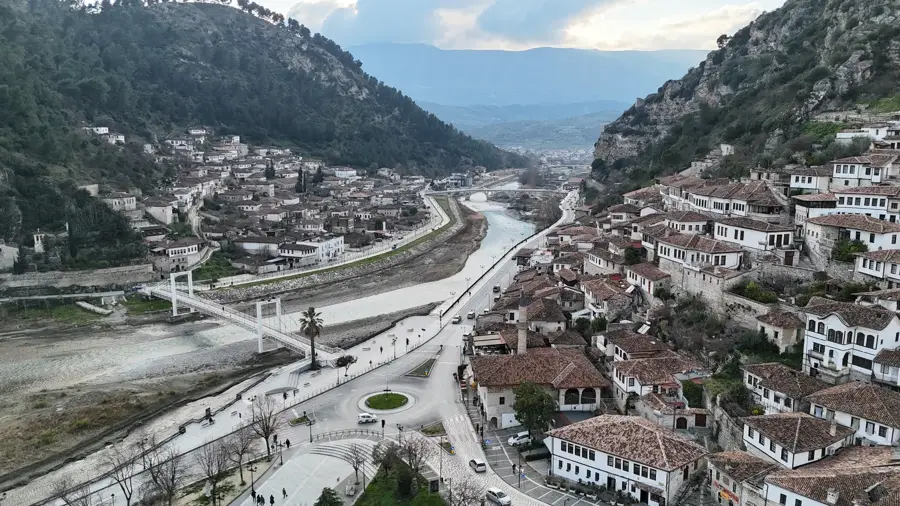
Route planner — Car & Motorhome
Where do you start? We build the route here, with stops and country notes along the way.
© OpenStreetMap contributors · OpenRouteService
Sights in the town Berat Textile Mill (10)
Tv tower
Television tower in Berat, from the top view over the city and valley.
Katedralja Ortodokse Shën Dhimitri
Orthodox cathedral in Berat, dedicated to Saint Demetrius.
Banesa e Bozho Filerit
Residential house in Berat, cultural monument.
Gate of the Pasha
Ruins of an Ottoman-era city gate in Berat.
Teqeja e Helvetive
Helveti dervish monastery in Berat, protected cultural monument.
Sunrise Point
Viewpoint in Berat, popular for watching the sunrise.
Sights nearby
Frequently asked questions
What was the Berat Textile Mill?
How many people worked there?
What happened to the site?
Can you visit the site?
Where is the mill located in Berat?
Berat Textile Mill: where is it located?
Berat Textile Mill: what is there to see?
Berat Textile Mill: when is the best time to visit?
Berat Textile Mill: why is it worth visiting?

Nearby cities