Plizio Visual Lab

Shahr-e Zuhak
Plizio editorial teamData Sources
ruin
—°2
Shahr-e Zuhak (Afghanistan)

Weather…

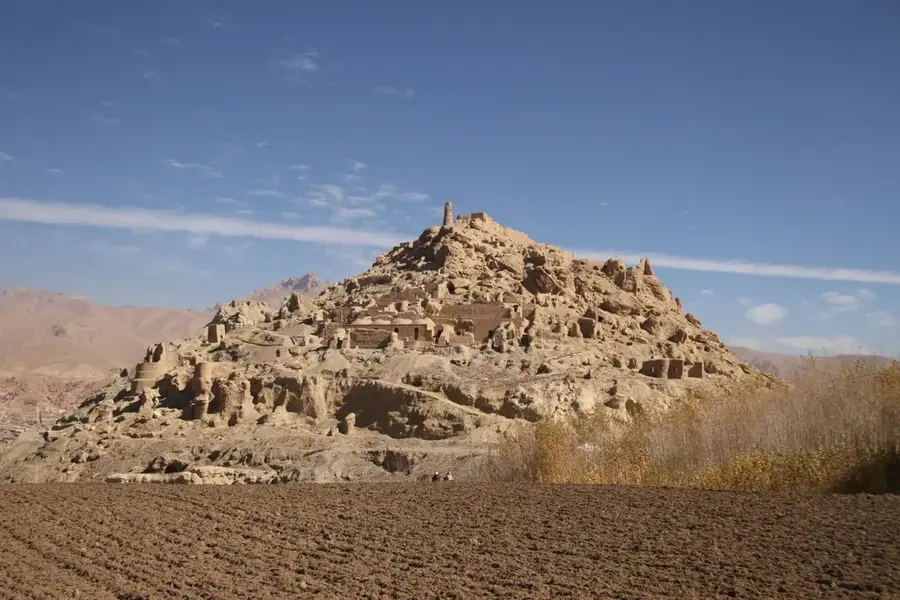
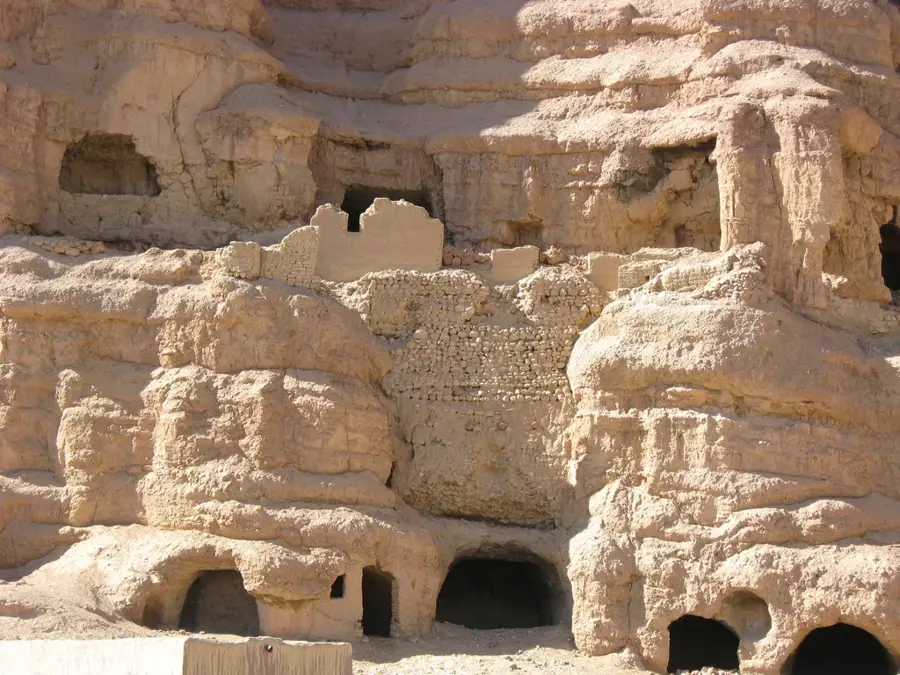
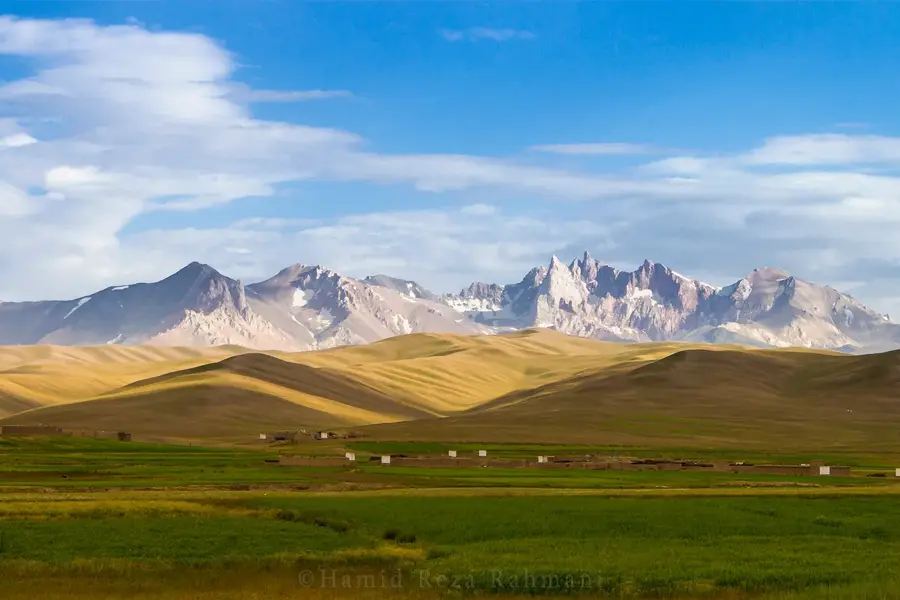
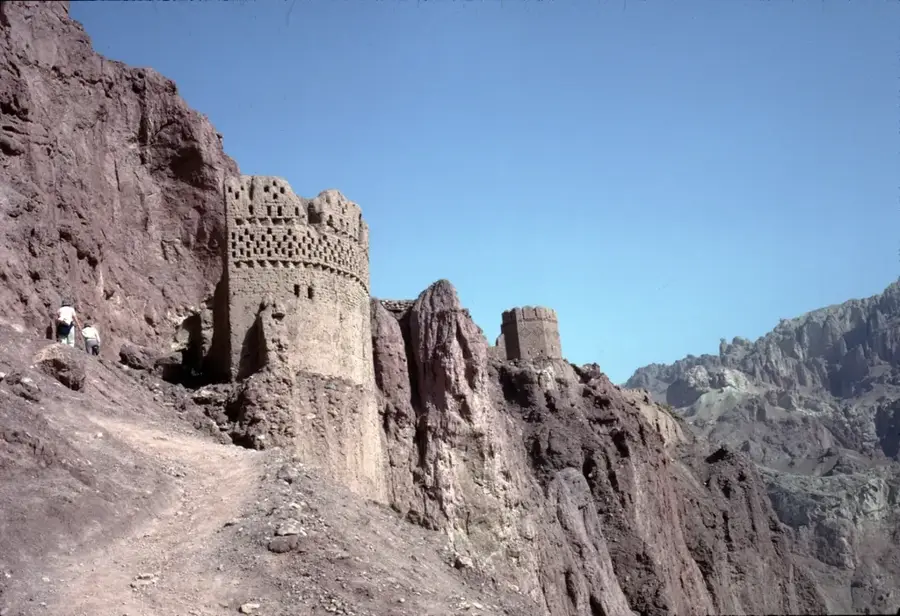
Shahr-e Zuhak, also known as the 'Red City,' is an imposing fortress ruin at the confluence of the Bamiyan and Kalu rivers. Its strategic location allowed for control over the entrance to the Bamiyan Valley. The fortress consists of a series of towers and walls perched dramatically on red mud-brick cliffs, which gives it its name. The fortress's origins are ancient, but it was significantly expanded by the Shi'ite Islamic rulers of the Shansabani dynasty in the 12th and 13th centuries. Like its neighboring city, Shahr-e Gholghola, Shahr-e Zuhak also fell victim to the Mongol invaders under Genghis Khan in 1221 and was razed to the ground. The ruins, though heavily eroded, are still impressive. Visitors can explore the remains of watchtowers, barracks, and other buildings clinging to the steep cliffs. The site not only gives a glimpse into Afghanistan's medieval military architecture but also spectacular views of the surrounding landscape.

Best time to visit & climate

The most pleasant time to visit is Jun–Aug.

JanFebMarAprMayJunJulAugSepOctNovDec
Avg °C-9-8-248121413105-1-6
Rain mm384556533115131416152822

📋 Practical info

🚪
Visiting
The striking Red City ruins can be explored from the outside, offering incredible panoramic views over the river valleys and the dramatic surrounding landscapes. Be prepared for a steep, challenging climb over uneven terrain to reach the main fortress area.
🕒
Typical hours
As an open archaeological site, there are typically no official opening hours or gates, making it accessible at any time during daylight hours. It is highly recommended to visit only during the day for safety and to fully appreciate the remarkable red cliffs.
📷
Photography
Photography is completely unrestricted, with the stark contrast of the red soil against the clear sky providing spectacular landscape shots. Early morning or late afternoon light particularly enhances the dramatic natural colors of the rugged terrain.
⏱️
Time needed
A comprehensive visit usually requires between two to three hours, depending on your fitness level and how far you wish to hike. The ascent is demanding, so allow plenty of time for rest stops and simply taking in the dramatic mountain scenery.
Combine with
Visitors often pair a trip to this fortress with the famous Bamiyan Valley, located relatively close by, to experience more of the region's rich history. Exploring both sites has a profound glimpse into Afghanistan's ancient cultural heritage.
🧭
Getting there
Reaching the site involves a drive from Bamiyan town followed by a physically demanding hike up a steep, unmarked trail to the ruins. Due to the remote location and rugged paths, hiring a knowledgeable local guide is strongly advised for navigation.
💡
Insider tip
Ensure you bring plenty of water, sturdy hiking boots, and sun protection, as the trail has almost no shade and the sun can be intense. Additionally, staying strictly on established paths is completely essential due to safety concerns in the region.

Geography

Coordinates
34.82910, 67.97480

Facts

  • Known as the 'Red City'.
  • Controlled the entrance to the Bamiyan Valley.
  • Built on red cliffs.
  • Expanded by the Shansabani dynasty.
  • Destroyed in 1221 by Genghis Khan's army.
  • Located at the confluence of two rivers.
  • Ruins are now heavily eroded.
  • Offers spectacular views.

Explore nearby

Notable places around

Route planner — Car & Motorhome

Where do you start? We build the route here, with stops and country notes along the way.

Vehicle
Only stops with (optional):

© OpenStreetMap contributors · OpenRouteService

Sights in the town Shahr-e Zuhak (2)

Butah Zarin🌿 nature

A distinctive mountain peak that overlooks the dramatic red fortifications of Shahr-e Zuhak.

Shahr-e Zuhak📍 landmark

Known as the "Red City," these spectacular fortress ruins sit atop cliffs where rivers meet.

Sights nearby

Frequently asked questions

What is Schahr-e Zuhak?
It is a historic fortress-and-ruins site with a dramatic landscape setting. It is known mainly for its location and history.
How difficult is access?
Some walking is often needed, sometimes on uneven ground. Good shoes are useful, especially if you want to climb higher.
How long should I plan for?
For a short visit, 45-90 minutes is usually enough. With walking and photos, it can take much longer.
When is the weather best?
Spring and autumn are usually handy. Summer can be hot, and winter wind and cold can be unpleasant.
What is the site known for?
For its historical significance and striking ruin scenery. Many visitors come for the views and the archaeological atmosphere.
Shahr-e Zuhak: where is it located?
Shahr-e Zuhak is located in Afghanistan.
Shahr-e Zuhak: what is there to see?
Highlights include Butah Zarin, Shahr-e Zuhak.
Shahr-e Zuhak: when is the best time to visit?
The most pleasant time to visit is Jun, Aug.
Shahr-e Zuhak: why is it worth visiting?

Shahr-e Zuhak, also known as the 'Red City,' is an imposing fortress ruin at the confluence of the Bamiyan and Kalu rivers.
View on map → The Top 50 Attractions → OpenStreetMap →
Asia
Explore with Plizio Discover more places in Asia
More places in Afghanistan →

Nearby cities

More places