Plizio Visual Lab

Kabul River
Plizio editorial teamData Sources
River
—°
Kabul River (Afghanistan)

Weather…

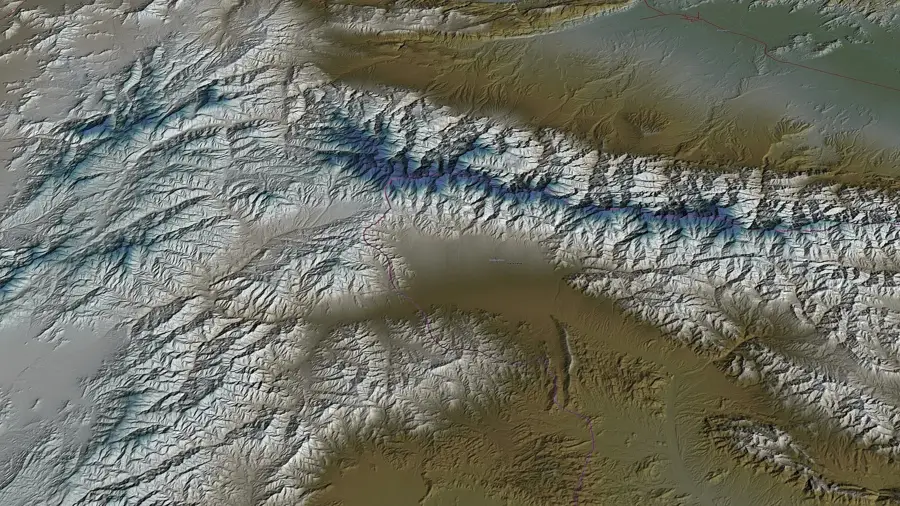
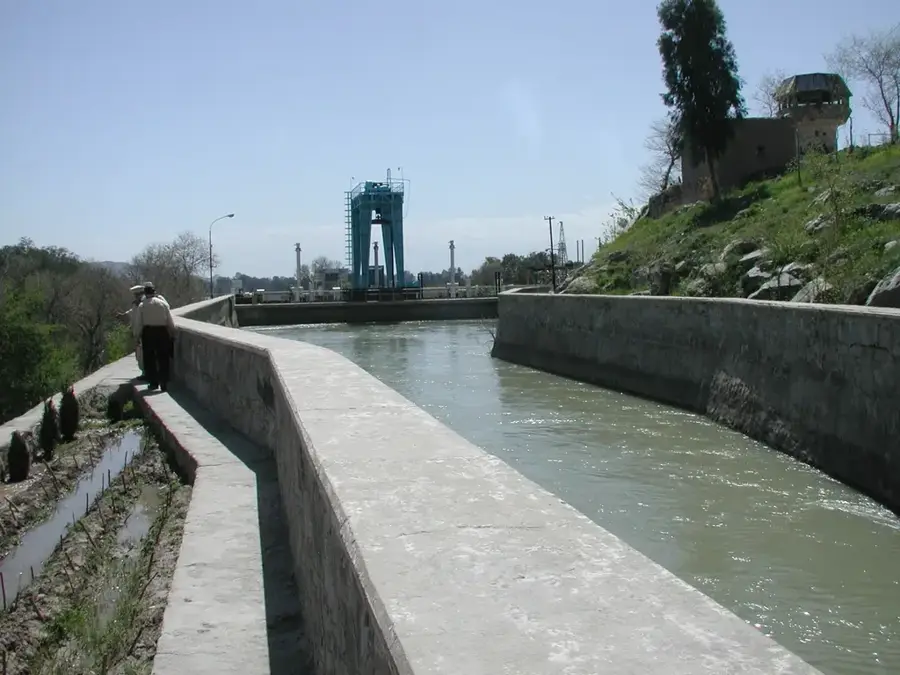
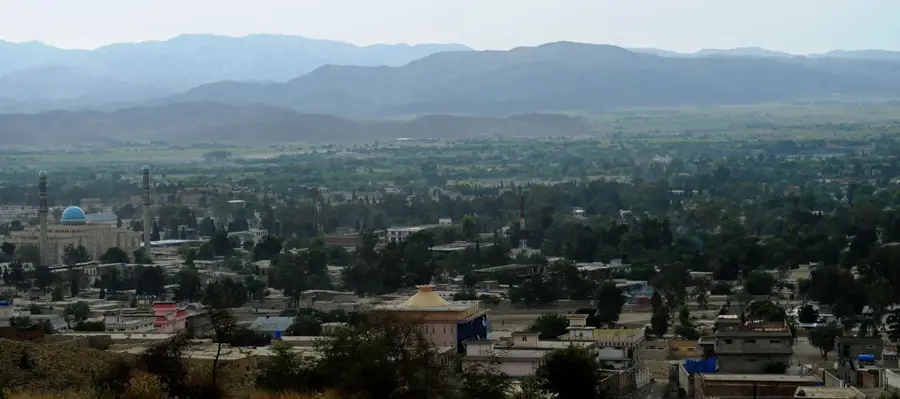
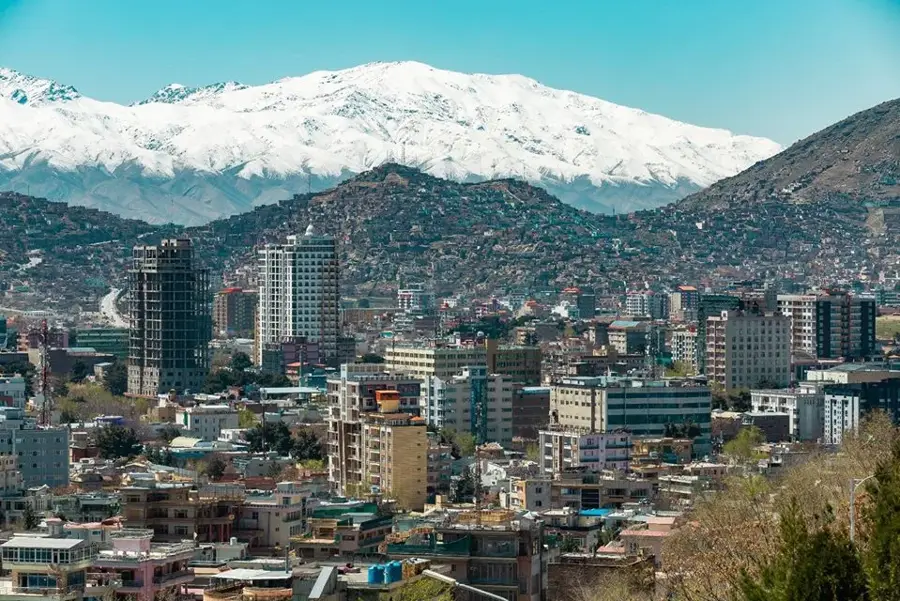
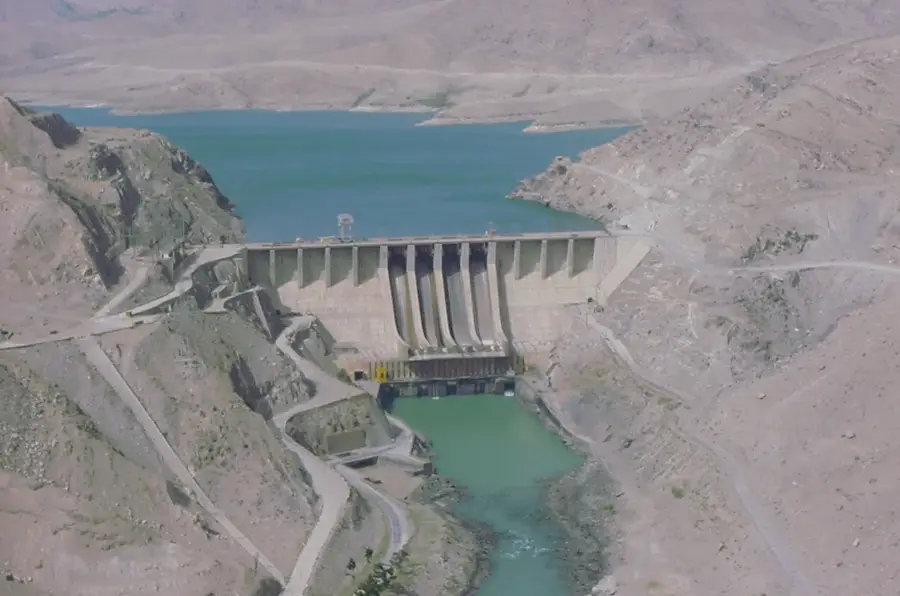
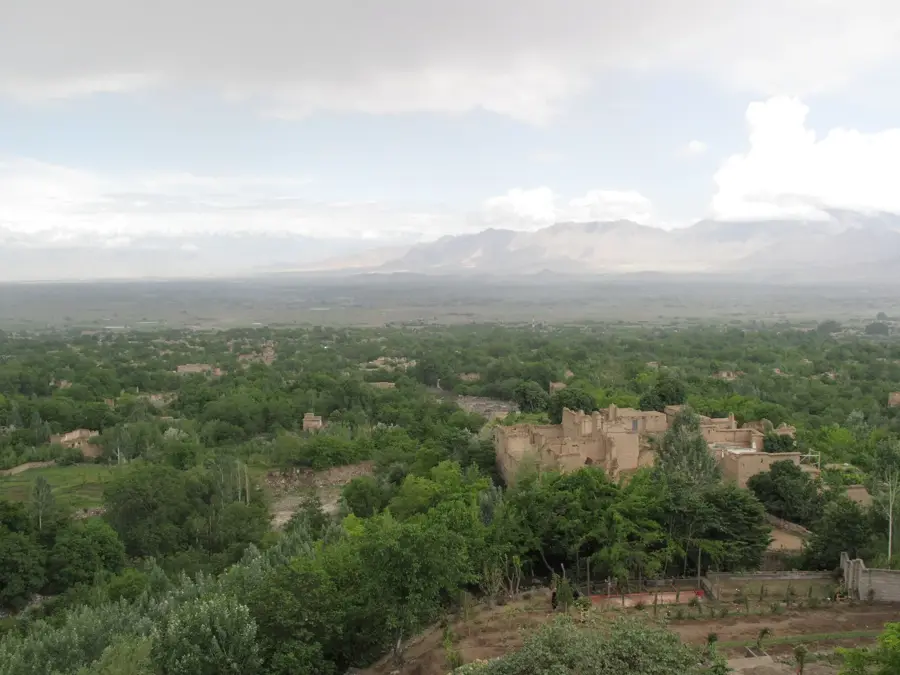
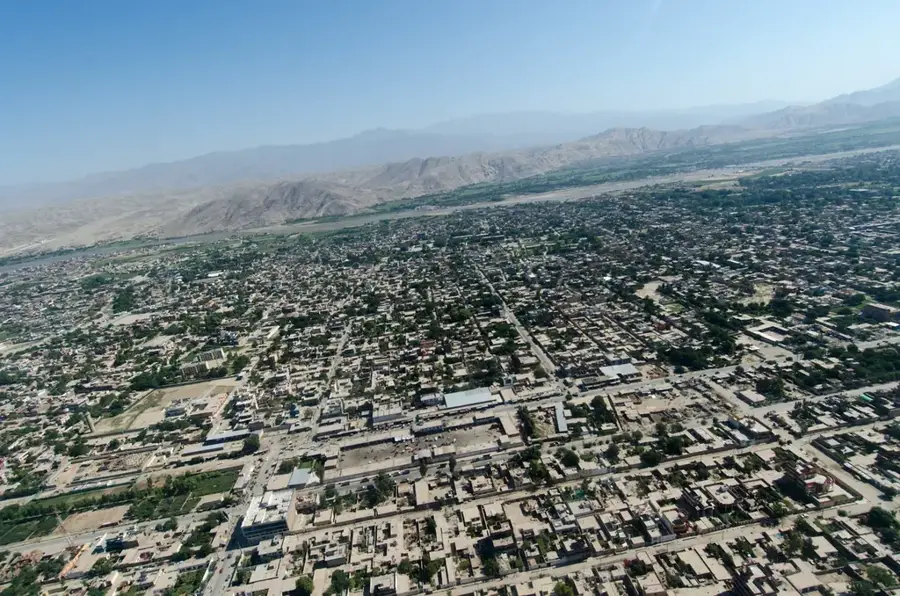
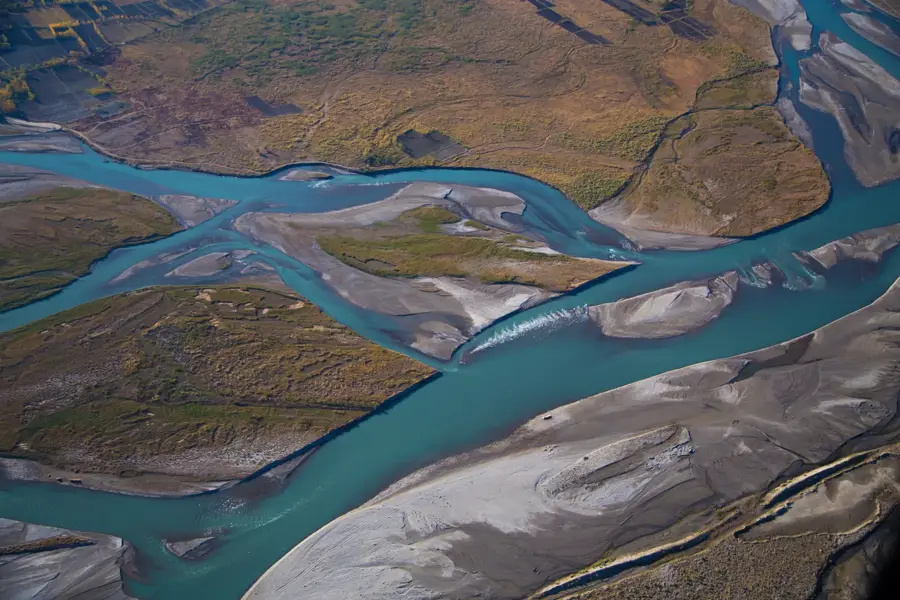
The Kabul River is the primary waterway in eastern Afghanistan, flowing through the capital city of Kabul and Jalalabad before entering Pakistan, where it joins the Indus River. Originating in the Sanglakh Range, the river traverses approximately 700 kilometers. It is essential for providing drinking water and irrigation to the densely populated Kabul region. Several significant dams, such as Naghlu and Surobi, harness the river's flow to generate hydroelectric power for the capital area. Geologically and historically, the Kabul Valley has served as a vital corridor connecting Central Asia with the Indian subcontinent. In ancient times, the river was known as the 'Kophen' and witnessed major battles and cultural exchanges. Today, due to rapid population growth and climate change, the river faces severe environmental challenges, including heavy pollution and declining water levels. Water management remains a sensitive diplomatic issue between Afghanistan and Pakistan.

Best time to visit & climate

The most pleasant time to visit is May, Jun, Sep.

JanFebMarAprMayJunJulAugSepOctNovDec
Avg °C2391520242625211594
Rain mm386980824831404935262718

📋 Practical info

🧭
Getting there
The river is easily accessed within the capital city itself, where numerous bridges and urban pathways line the banks. To explore its upper reaches in the Hindu Kush, travelers usually hire local transport and navigate steep, winding mountain roads from the city.
📅
Best season
Early spring is typically the most impressive time to see the river, as the flow increases significantly from melting mountain snow. By late summer, sections of the riverbed within the city can become nearly dry, revealing large expanses of rocks and debris.
⛰️
Terrain & paths
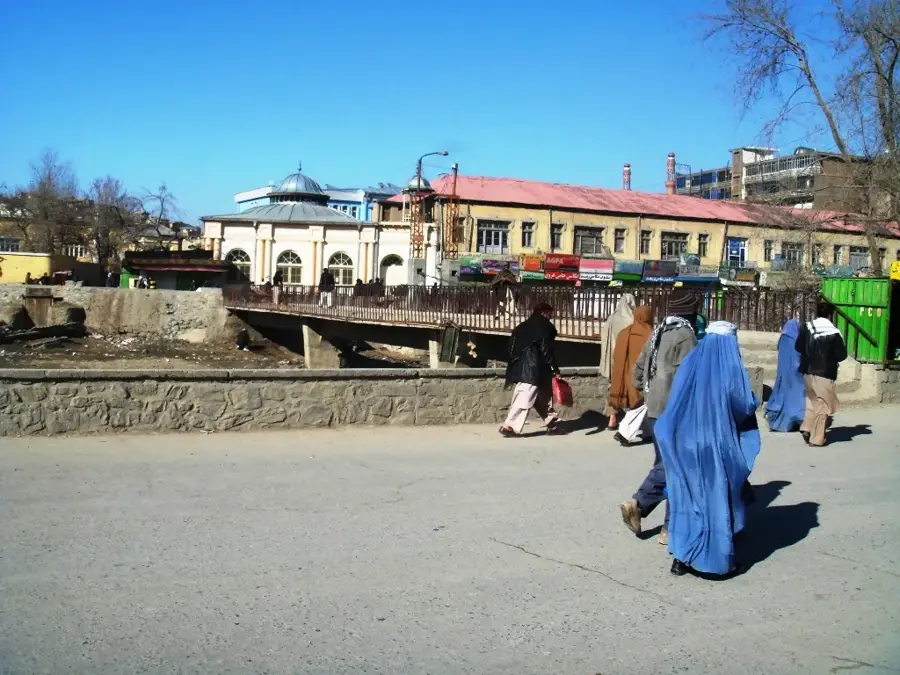
Within the capital, the banks feature concrete embankments and urban paths, while the rural stretches are characterized by rocky gorges and steep valleys. Walking near the water's edge requires caution due to uneven stones, slippery mud, and occasional urban waste.
🎒
What to bring
Casual, culturally appropriate walking attire is sufficient for observing the river within the city limits. For those venturing into the mountain valleys towards its source, sturdy hiking boots and layered outdoor clothing are strongly recommended for the rugged conditions.
🅿️
Parking
Urban parking can typically be found along main streets or near commercial centers adjacent to the riverbanks in Kabul. In the mountainous regions, drivers usually find temporary stopping points along narrow roadsides, ensuring they leave enough room for passing traffic.
⚠️
Safety
Travelers must strictly follow local advice regarding urban security and avoid walking alone near the riverbeds at night. The water itself is highly polluted in populated areas, so visitors should avoid physical contact with the river and prioritize hygiene.
⏱️
Time needed
Strolling along the riverbanks in the capital usually takes about an hour as part of a city tour. Exploring the dramatic gorges and rural landscapes along its route towards the eastern border can easily fill an entire day trip from Kabul.

Geography

Coordinates
34.50000, 70.00000

Facts

  • The Kabul River is the only Afghan river whose waters eventually reach the open ocean.
  • The Mahipar Gorge along the river is famous for its dramatic scenery and hydroelectric facilities.
  • In summer, the river often reduces to a narrow stream as it passes through Kabul city.
  • The Naghlu Dam is one of Afghanistan's highest dams, standing at over 100 meters tall.
  • The Rigveda, an ancient collection of Vedic Sanskrit hymns, mentions the river by the name Kubha.
  • Approximately 20 million people directly or indirectly depend on the Kabul River basin.

Explore nearby

Notable places around
Route planner — Car & Motorhome

Where do you start? We build the route here, with stops and country notes along the way.

Vehicle
Only stops with (optional):

© OpenStreetMap contributors · OpenRouteService

Sights nearby

Frequently asked questions

What is the Kabul River?
The Kabul River runs through a densely populated and historically important valley in eastern Afghanistan. It is central to city life, agriculture, and valley transport.
Can you walk along the river?
Yes in some stretches, while in others access is limited or impractical. The best spots have a riverside path or open views.
Why is the Kabul River important?
For water, farmland, and the historical development of the valley. It shapes the life of many settlements along its course.
When is the best time to visit?
Spring and early summer are usually most scenic, when water and greenery are stronger. In summer, city air can feel hotter.
How much time do you need?
For city or valley views, 1 to 2 hours is often enough. If you want to see multiple riverside spots, you can easily spend more time.
Kabul River: where is it located?
Kabul River is located in Afghanistan.
Kabul River: when is the best time to visit?
The most pleasant time to visit is May, Jun, Sep.
Kabul River: why is it worth visiting?
The Kabul River is the primary waterway in eastern Afghanistan, flowing through the capital city of Kabul and Jalalabad before entering Pakistan, where it joins the Indus River.
View on map → The Top 50 Attractions → OpenStreetMap →
Asia
Explore with Plizio Discover more places in Asia
More places in Afghanistan →

Nearby cities

History & landmarks

More places