Plizio Visual Lab
Kabul
ℹ️Practical info — Kabul
▾
🌤 Weather — 5 days
📍 Nearby
Sights nearby
💡 Tips
- Security situation requires extreme caution and local guidance; independent travel is highly discouraged. Always consult updated government travel advisories.
- Traffic is chaotic; walking is often faster for short distances, but stick to well-known safe zones and avoid wandering alone.
- Dress conservatively; women must wear loose clothing covering arms and legs and a headscarf (hijab) in public. Men should avoid shorts.
- Cash is king; international credit cards are rarely accepted, and ATMs are scarce or unreliable. Bring sufficient foreign currency to exchange locally.
- Altitude and pollution can cause breathing difficulties; bring necessary medications and consider a pollution mask during winter months.
🍽 Food
Afghanistan's national dish with rice, lamb, carrots, and raisins. Best enjoyed in traditional restaurants in the Shahr-e Naw district.
Meat-stuffed dumplings topped with yogurt and split peas. Look for busy local eateries around the city center.
Grilled meat skewers with fresh naan bread. Found at numerous street-side vendors and kebab houses across the city.
🛍 Shopping · 🧘 Quiet spots
Famous street for carpets, antiques, and lapis lazuli jewelry. Bargaining is expected, but check export regulations for antiques.
A bustling market where you can find imported goods, electronics, and a wide variety of daily supplies.
Available in abundance at local markets; Afghan almonds and pistachios are of excellent quality.
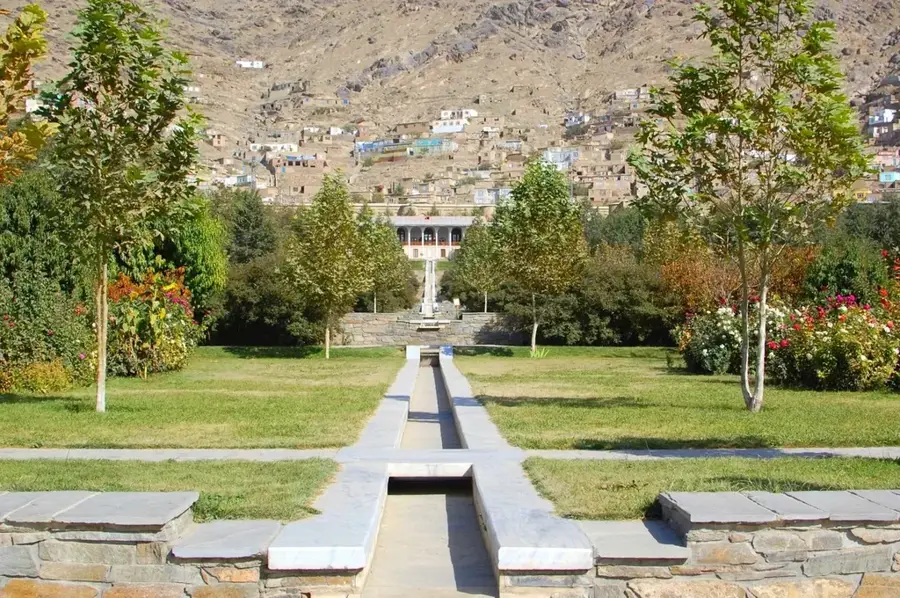
A historic, restored park offering a peaceful retreat and beautiful views of the city.
Located just outside the city, a popular spot for locals to relax, picnic, and enjoy the water.
Water temperature…
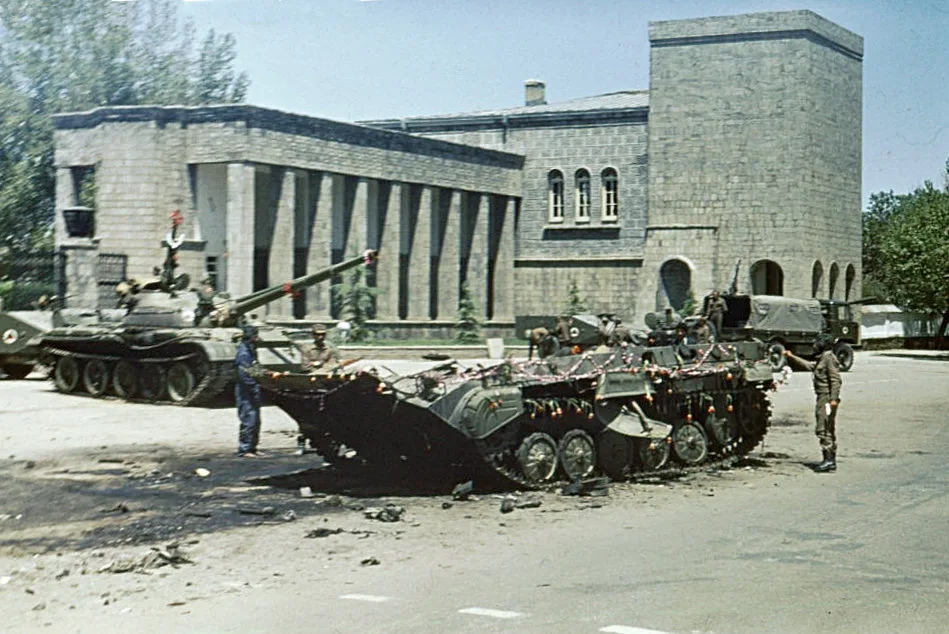
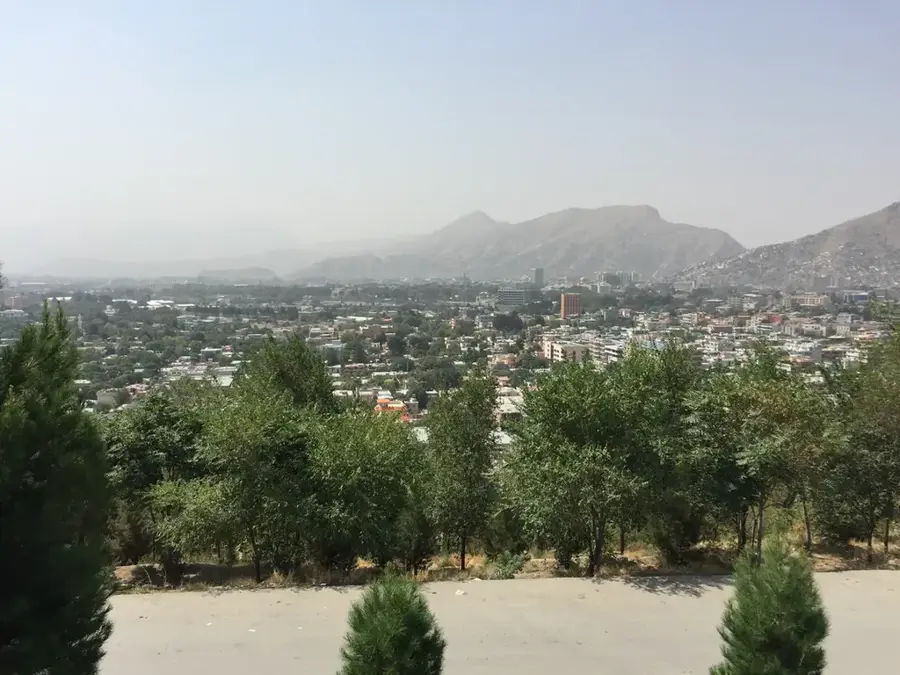
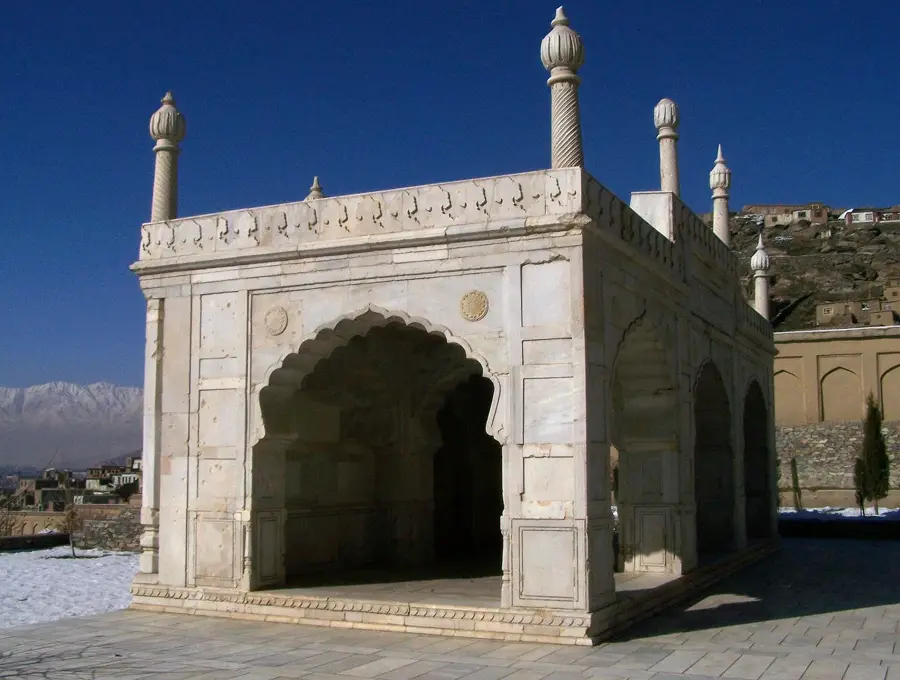
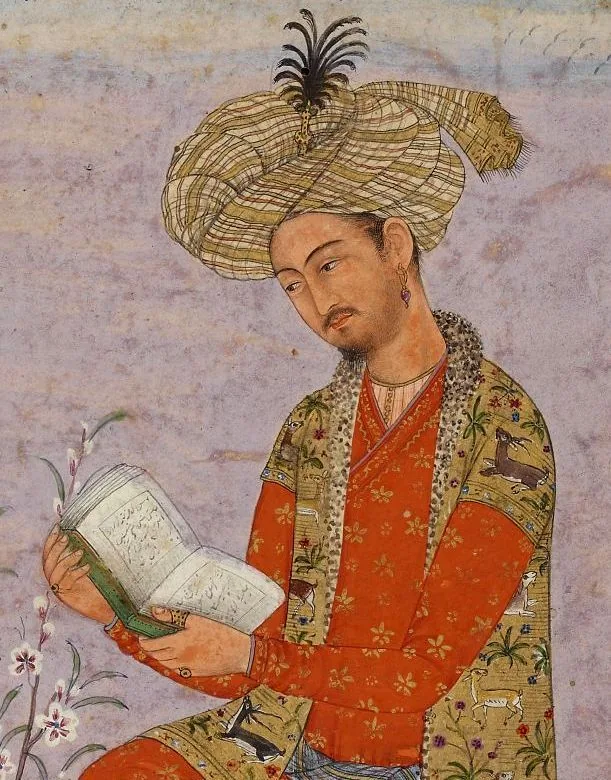
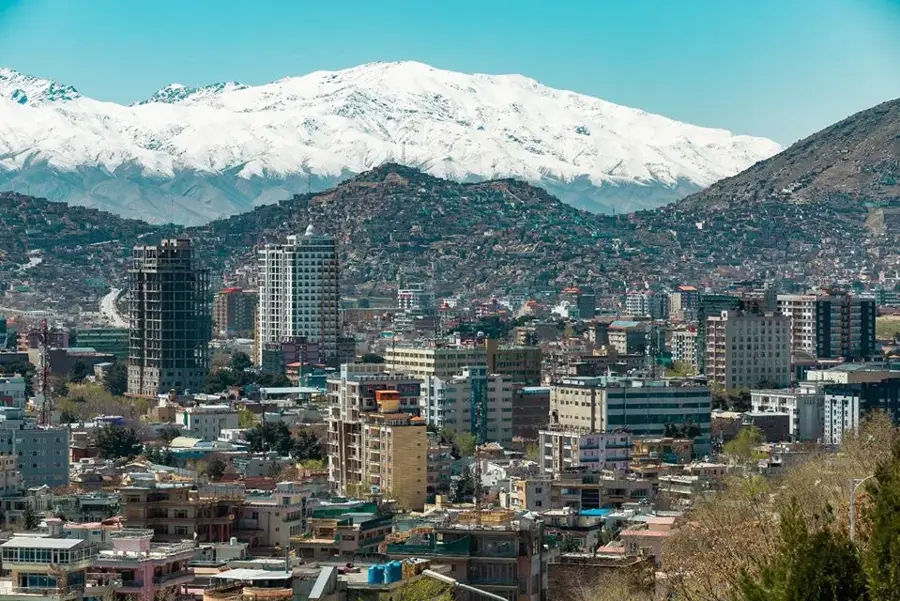
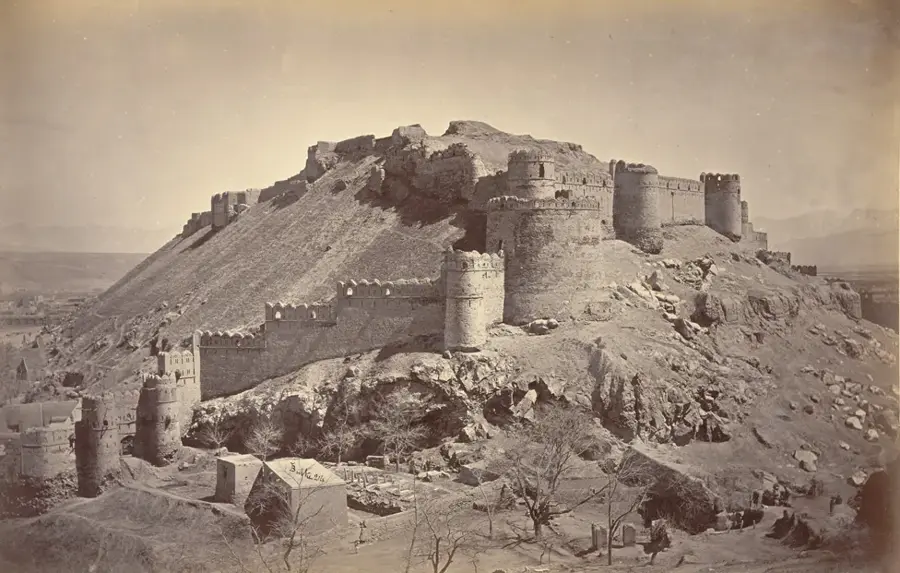
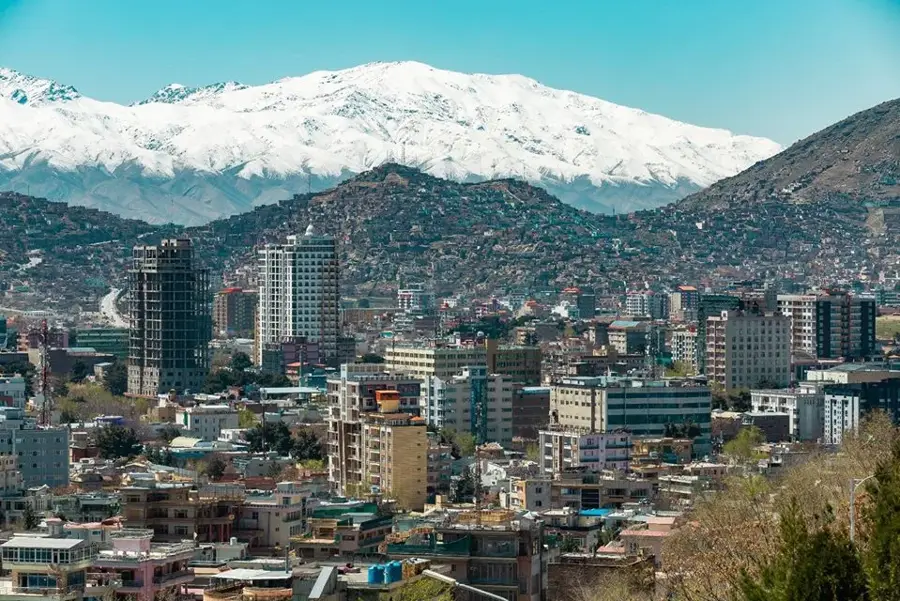
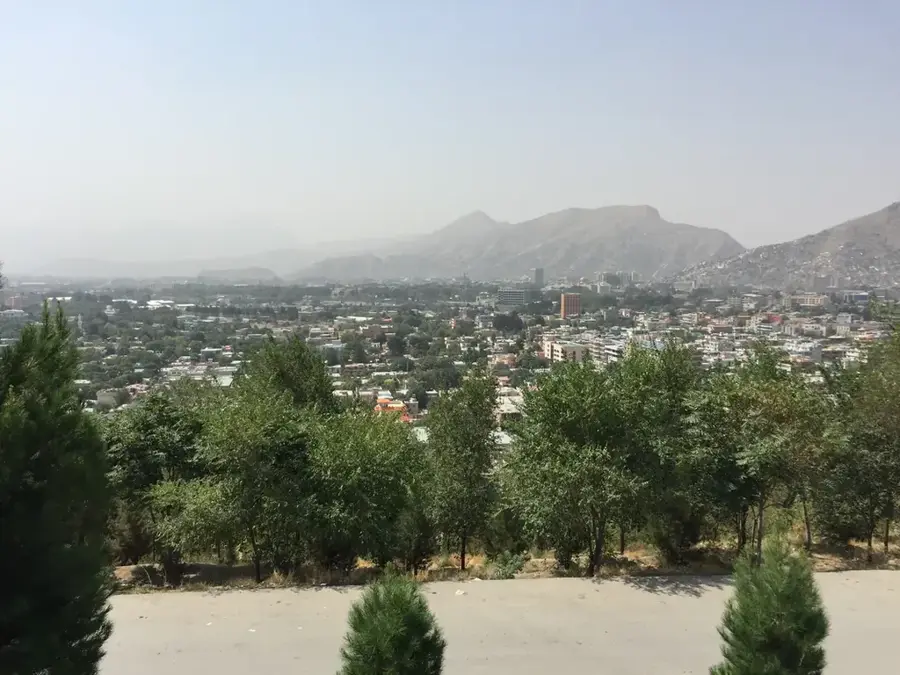
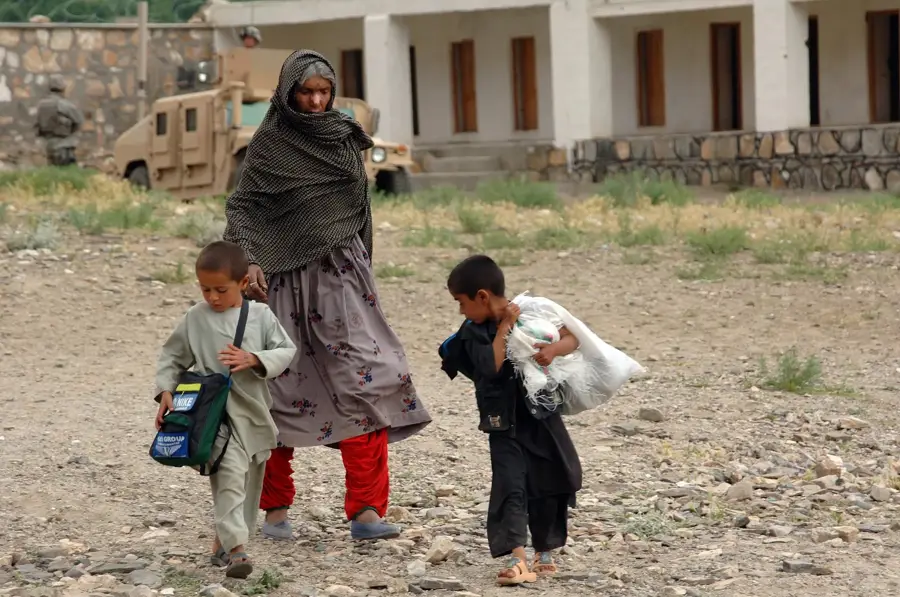
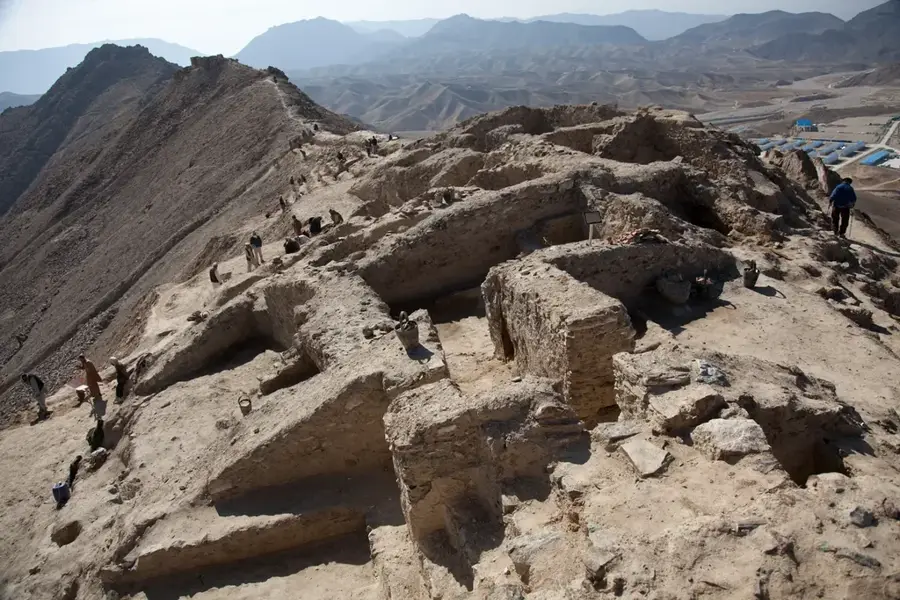
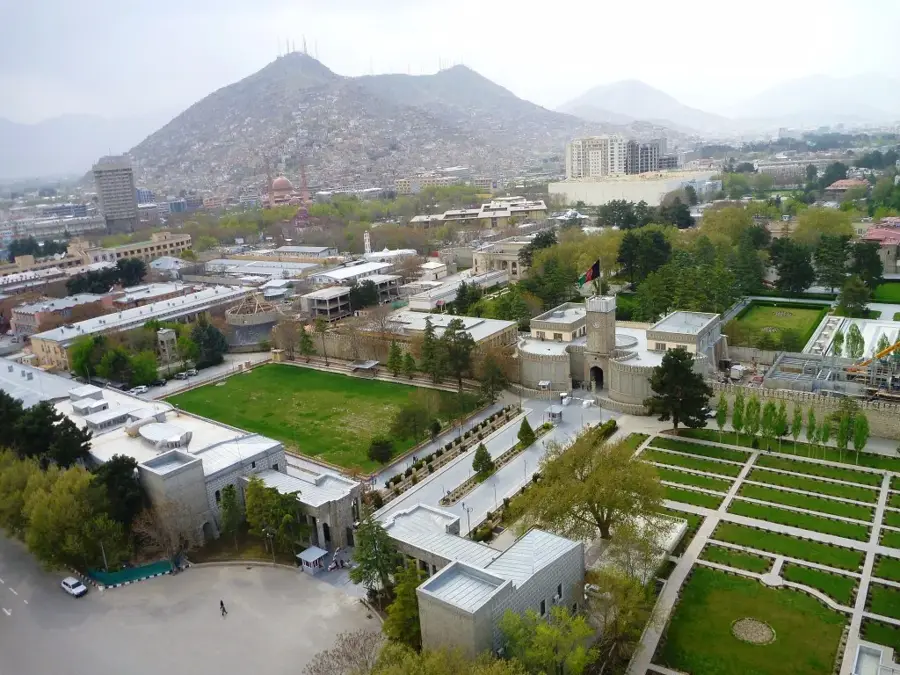
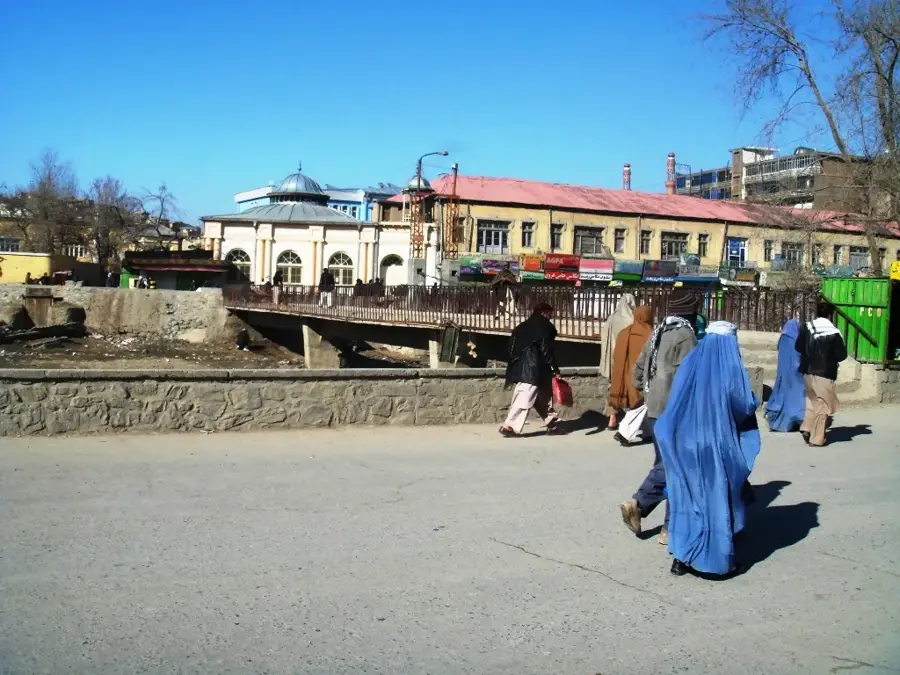
Kabul is the capital and largest city of Afghanistan, located in a high-altitude valley of the Hindu Kush mountains at approximately 1,790 meters (5,873 feet). Its history spans over 3,500 years, appearing in ancient texts as a vital center of trade and religion along the Silk Road. Kabul emerged as a modern capital in 1776 when Timur Shah Durrani moved the seat of the Afghan Empire there from Kandahar. Today, it is the country's political, economic, and cultural heart, characterized by a mix of historic neighborhoods and rapidly expanding urban districts. A key historical landmark is the Gardens of Babur (Bagh-e Babur), the final resting place of the first Mughal Emperor, which provides an impressive example of Persian-style terraced gardening. The Darul Aman Palace, a grand 1920s edifice, stands as a testament to the nation's early 20th-century modernization efforts. The National Museum of Afghanistan, located in the city, remains a crucial repository for the region's vast archaeological heritage, including artifacts from the Kushan and Greco-Bactrian periods. Geographically, the city is bisected by the Kabul River and surrounded by steep ridges such as Koh-e Asmai and Koh-e Sher Darwaza. Kabul is a true ethnic melting pot, where Pashtuns, Tajiks, Hazaras, and Uzbeks create a spirited social tapestry. The local economy is driven by government administration, manufacturing, and a massive retail sector centered in historic markets like Shor Bazaar. Educationally, Kabul University is the nation's premier institution, playing a pivotal role in the intellectual life of the country. The climate features four distinct seasons, with cold, snowy winters and hot, dry summers. Despite decades of conflict, the city has seen immense growth and remains the center of Afghan national identity and international diplomacy. Its bustling streets, filled with yellow taxis and crowded markets, reflect the resilient spirit of an ancient capital navigating the challenges of the 21st century.
- Location: Afghanistan
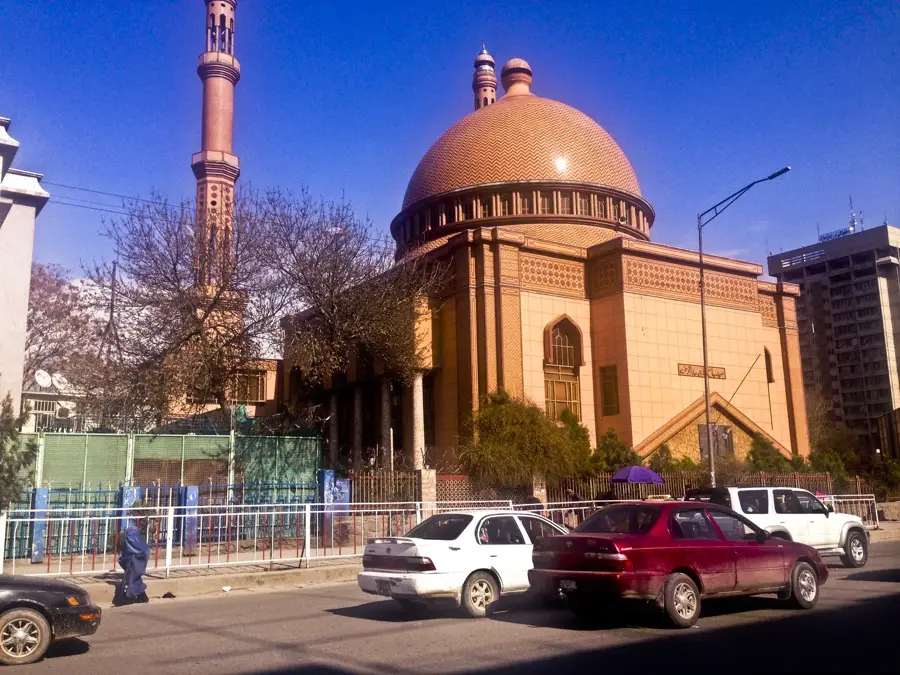
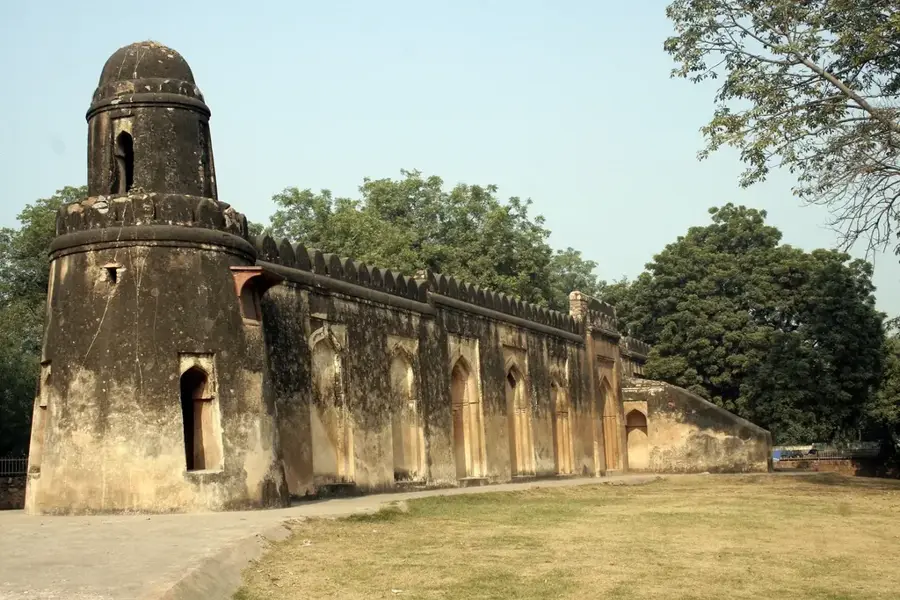
- Top sights: Qalai Fatullah 4th Street Masjid · Yaghoob Mosque · Masjid Haji Yaqub
- Population: ~4.434.550 (2024)
Best time to visit & climate
The most pleasant time to visit is Jun–Aug.
| Jan | Feb | Mar | Apr | May | Jun | Jul | Aug | Sep | Oct | Nov | Dec | |
|---|---|---|---|---|---|---|---|---|---|---|---|---|
| Avg °C | -7 | -6 | 1 | 6 | 11 | 14 | 17 | 16 | 12 | 7 | 1 | -3 |
| Rain mm | 39 | 62 | 76 | 78 | 47 | 28 | 31 | 37 | 31 | 23 | 28 | 20 |
Geography
Facts
- Kabul sits at an elevation of 1,790 meters (5,873 feet) above sea level.
- It became the capital of Afghanistan in 1776 under the Durrani Empire.
- The Gardens of Babur are listed on the UNESCO World Heritage Tentative List.
- Kabul University was founded in 1932 and is the nation's flagship university.
- The city's name is derived from the Kabul River that flows through it.
- Kabul has one of the highest urbanization rates in the world today.
- The National Museum once held over 100,000 items from ancient Afghan history.
- The city is surrounded by mountains that reach heights of over 4,000 meters nearby.
Explore nearby
Notable places around
Route planner — Car & Motorhome
Where do you start? We build the route here, with stops and country notes along the way.
© OpenStreetMap contributors · OpenRouteService
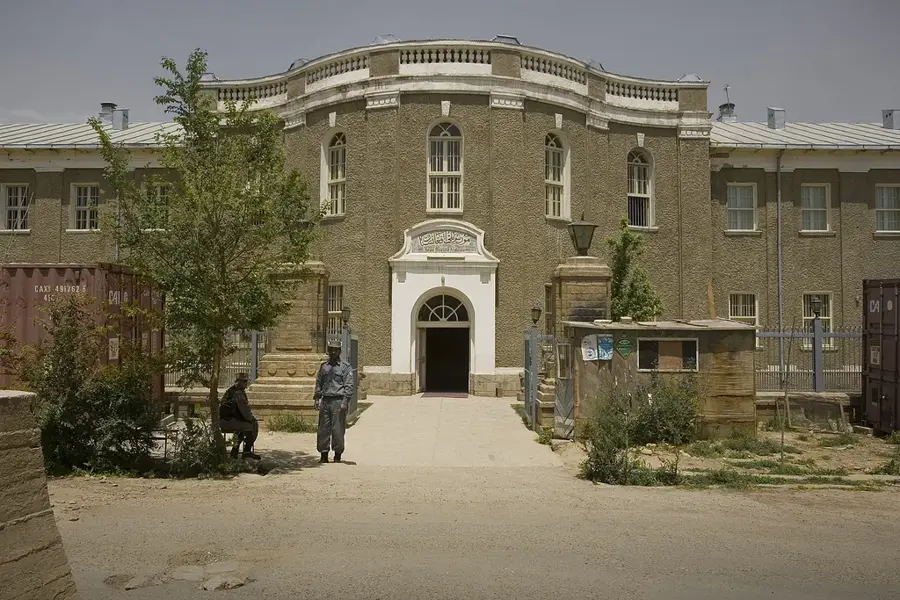
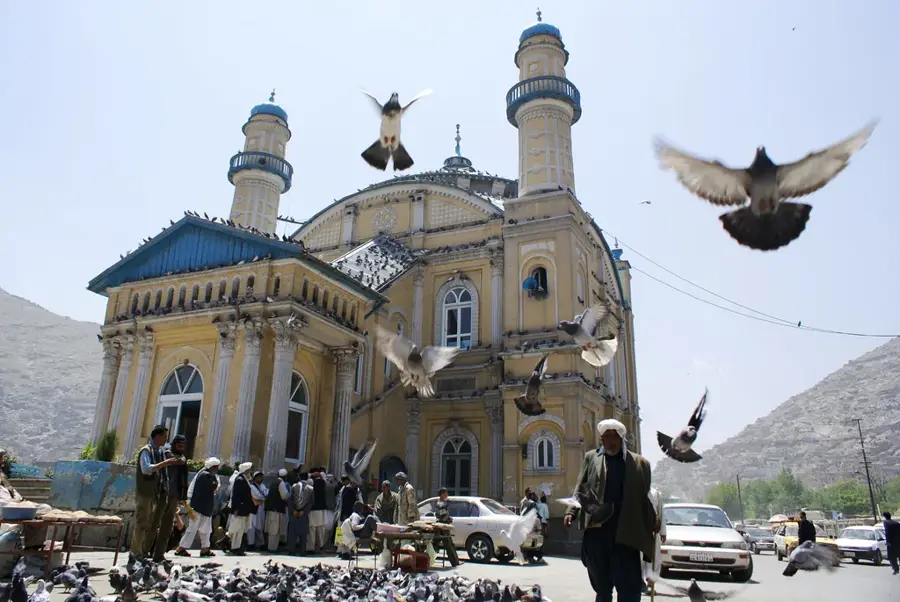
Begin your day in the tranquility of the Babur Gardens, arguably the city's most beautiful spot. Walk along the Kabul River to the magnificent Shah-Do Shamshira Mosque and lose yourself in the Ka Faroshi Bird Market. In the afternoon, head to the National Museum, which preserves the country's turbulent history, and conclude at the impressive Darul Aman Palace.
Bagh-e-Babur
Shah-Do Shamshira Mosque
Ka Faroshi Bird Market
National Museum of Afghanistan
...
...
Sights in the town Kabul (4)
Frequently asked questions
What is the current security situation in Kabul?
Are there historical attractions?
What currency is used?
What is the climate like in Kabul?
Is Kabul a tourist destination?
Kabul: where is it located?
Kabul: what is there to see?
Kabul: when is the best time to visit?
Kabul: why is it worth visiting?
History & landmarks
Nature
More places