Plizio Visual Lab

Bamyan Valley
Plizio editorial teamData Sources
valley
—°6
Bamyan Valley (Afghanistan)

Weather…

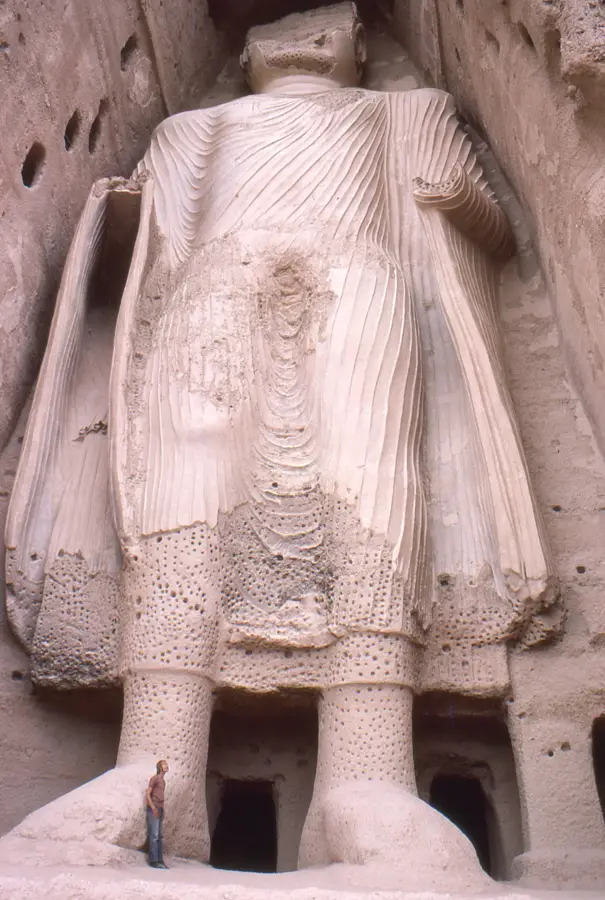
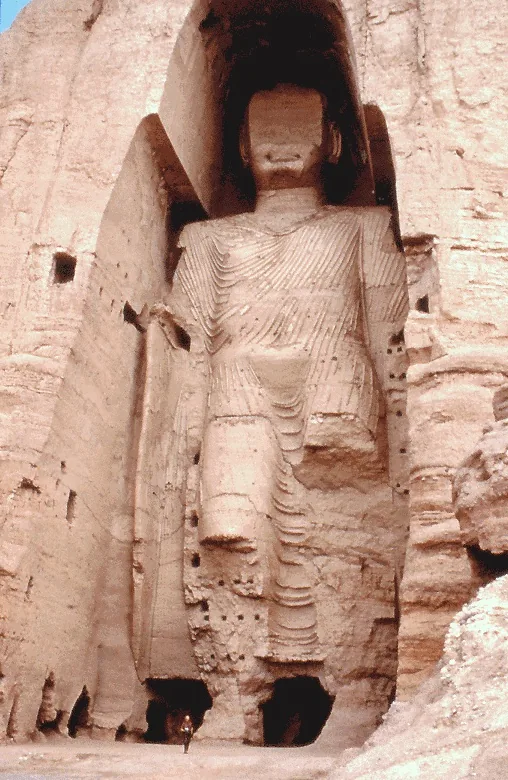
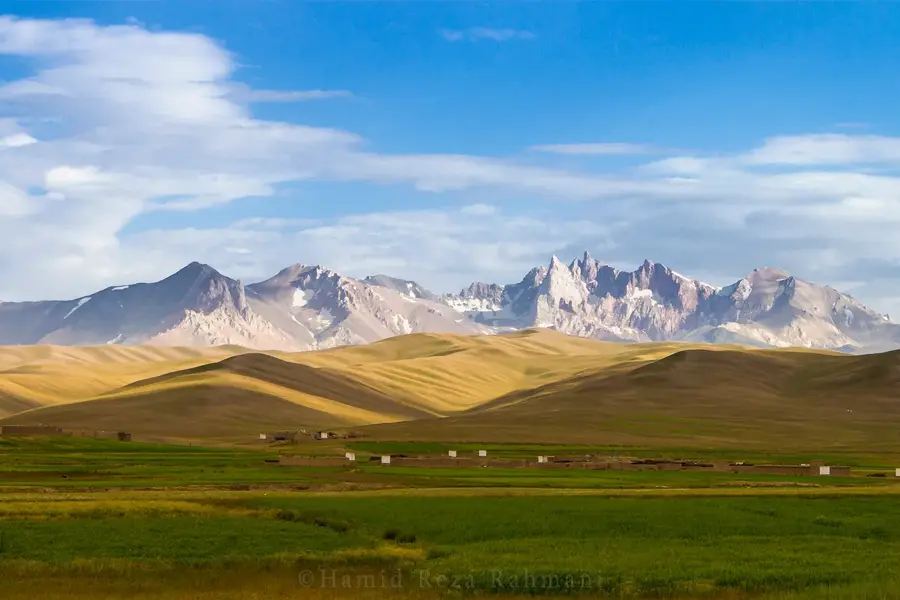
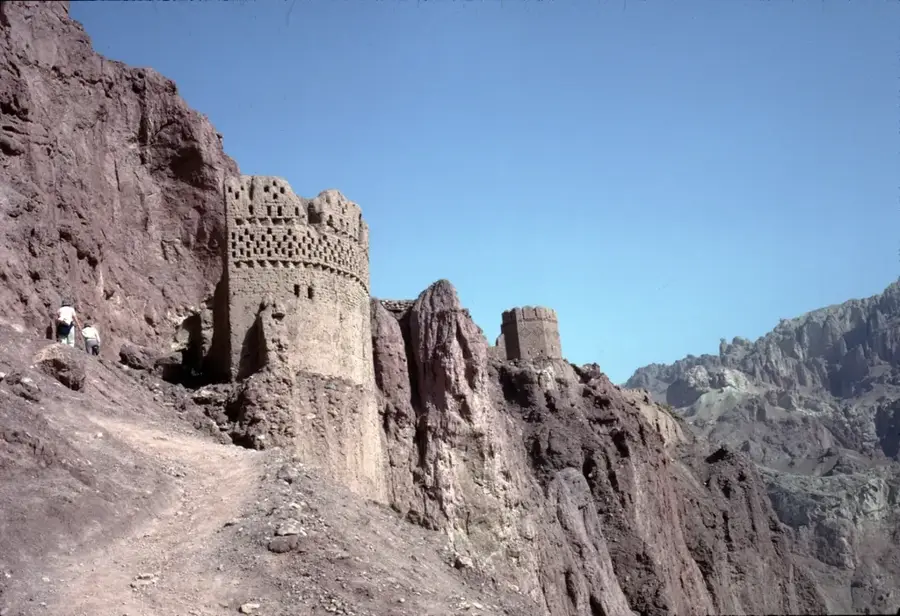
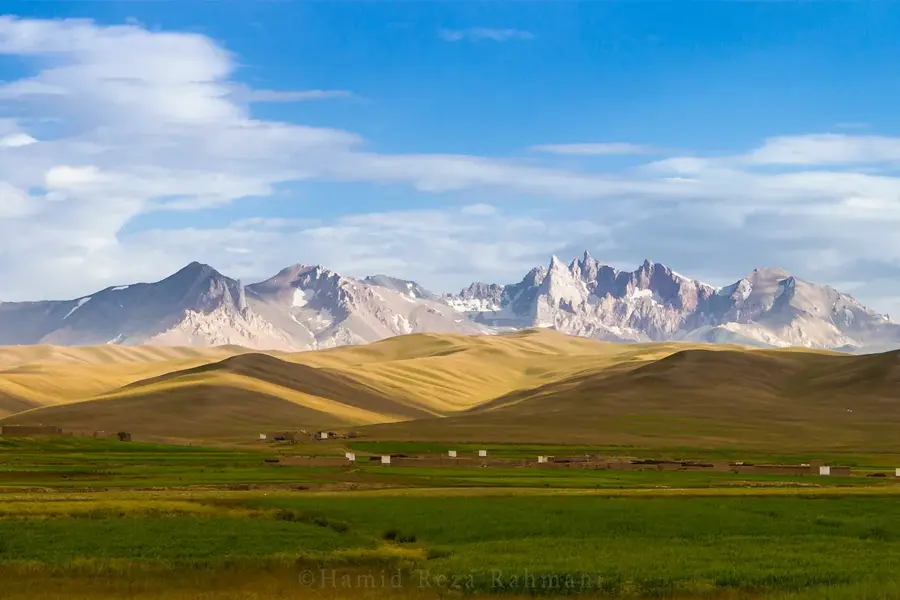
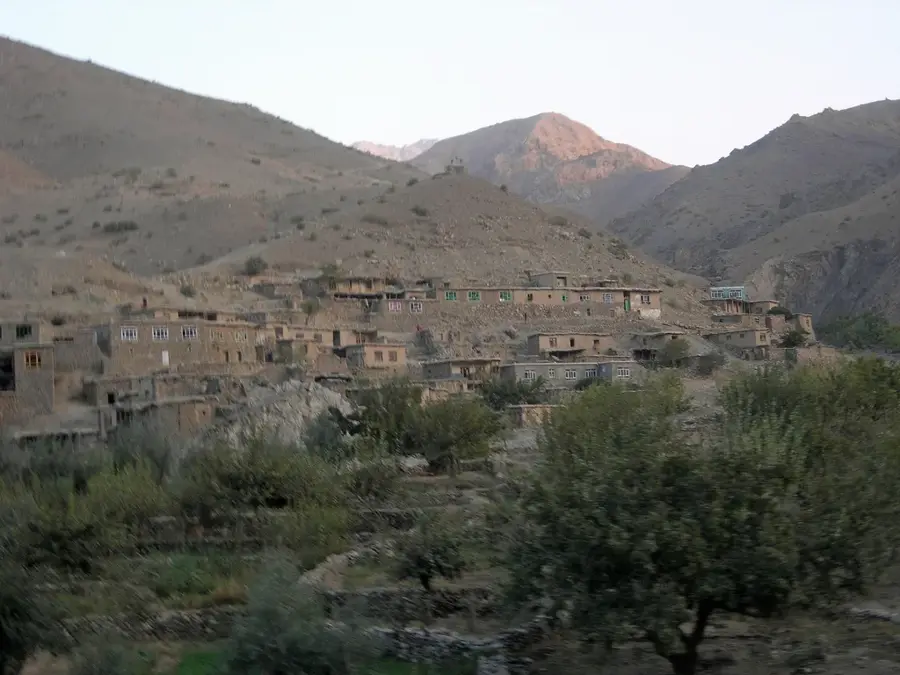
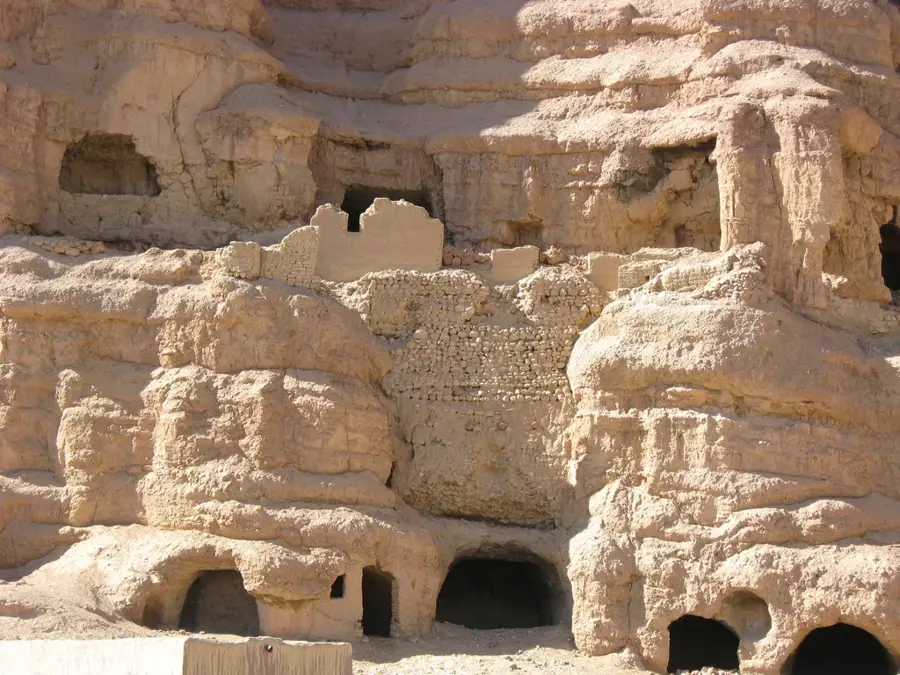
The Bamyan Valley, located in the central highlands of Afghanistan at an altitude of 2,500 meters, is a site of immense historical and cultural significance. Once a thriving Buddhist center along the ancient Silk Road, it is most famous for the colossal Buddha statues carved into its sandstone cliffs, which were tragically destroyed in 2001. The empty niches and the surrounding network of caves, which once served as monasteries and homes for monks, still stand as a powerful testament to the region's rich past and are a protected UNESCO World Heritage site. The valley floor is a fertile agricultural belt, irrigated by the Bamyan River, creating a stark contrast with the arid mountains that surround it. The area's striking natural beauty, combined with its profound history, makes it a unique and poignant landscape.

Best time to visit & climate

The most pleasant time to visit is Jun–Aug.

JanFebMarAprMayJunJulAugSepOctNovDec
Avg °C-9-8-248121413105-1-6
Rain mm384556533115131416152822

📋 Practical info

🧭
Getting there
Reaching this high-altitude cultural treasure often demands flying into regional airstrips or taking lengthy overland trips from the capital. The mountainous roads can be arduous, requiring sturdy vehicles to traverse the steep and rugged passes safely.
📅
Best season
The warmer months of late spring through early autumn offer the most reliable conditions for exploration, as the harsh winters blanket the valley in deep snow. Clear summer skies provide dramatic panoramas of the dramatic sandstone cliffs.
⛰️
Terrain & paths
The environment is defined by its sweeping valley floor bordered by imposing, sheer cliffs that house ancient niches. Exploring the archaeological remains frequently involves hiking up steep, dusty slopes and navigating somewhat uneven terrain.
🎒
What to bring
Durable walking shoes are indispensable for comfortably managing the loose rocks around the historical cliff sites. Since sunlight at high elevation can be intense, packing excellent sun protection and a layered wardrobe for chilly evenings is highly advised.
🅿️
Parking
Vehicles are normally parked safely within the main town center or at clearly designated tourist compounds near the cliff base. Proceeding on foot is required to get up close to the empty niches where the massive statues once stood.
⚠️
Safety
Always consult the most current regional security updates and strictly employ knowledgeable local guides before planning a visit. The elevation poses a moderate risk of altitude sickness, and visitors should never wander away from established pathways.
⏱️
Time needed
Fully appreciating the sheer scale of the empty niches and soaking in the surrounding mountain vistas typically requires one to two full days. Factoring in the substantial travel time required to reach the area, an extended itinerary is heavily recommended.

Geography

Coordinates
34.82000, 67.82000

Facts

  • Location: Central Afghanistan, Bamyan Province
  • Altitude: Approximately 2,500 meters (8,200 ft)
  • UNESCO World Heritage site since 2003
  • A major Buddhist center on the Silk Road
  • Site of two colossal Buddha statues (destroyed in 2001)
  • Surrounded by dramatic red sandstone cliffs
  • The valley is inhabited by the Hazara people
  • Known for its potato cultivation

Explore nearby

Notable places around

Route planner — Car & Motorhome

Where do you start? We build the route here, with stops and country notes along the way.

Vehicle
Only stops with (optional):

© OpenStreetMap contributors · OpenRouteService

Sights in the town Bamyan Valley (6)

Mir Sayed Ali Yakhsoz Shrine

A wayside shrine in the Bamyan Valley, dedicated to Mir Sayed Ali Yakhsoz.

Buddhas of Bamiyan

Two large Buddha statues in Afghanistan, destroyed in 2001.

Remains Bamyan Valley

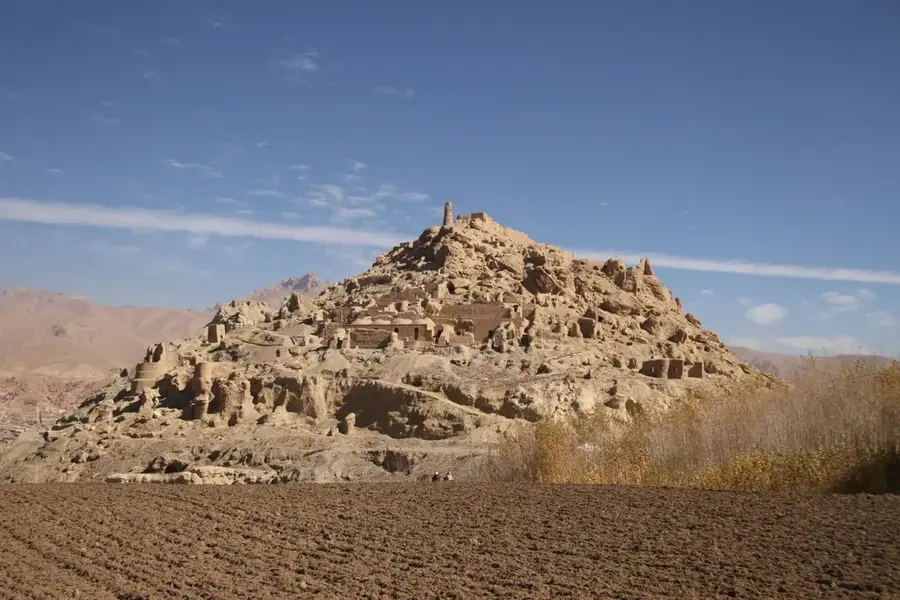
Archaeological remains in the Bamyan Valley, evidence of past settlements.

Shahr-i Ghulghula

A historical human settlement in Afghanistan, known as the city of noise.

Qoul-I Akram Caves

Caves in Afghanistan, located in the Bamyan Valley.

Kalai Ghamai Caves

Caves in Afghanistan, part of the Bamyan cave system.

Sights nearby

Frequently asked questions

How easy is the valley to reach by road?
Valleys are usually reachable by road, but sections can be narrow and winding.
When is the best time to visit?
Late spring through autumn is best; passes and side roads can close in winter.
Are there simple lodgings or teahouses in the valley?
Villages usually have simple teahouses or guesthouses, but services are sparse elsewhere.
What is the visit best for?
It is convenient for hiking, photography, and short stops; longer trips need local logistics.
What should you watch for on the way?
Watch for rockfalls, flooding, and road closures after rain or snow.
Bamyan Valley: where is it located?
Bamyan Valley is located in Afghanistan.
Bamyan Valley: what is there to see?
Highlights include Mir Sayed Ali Yakhsoz Shrine, Buddhas of Bamiyan, Remains Bamyan Valley.
Bamyan Valley: when is the best time to visit?
The most pleasant time to visit is Jun, Aug.
Bamyan Valley: why is it worth visiting?

The Bamyan Valley, located in the central highlands of Afghanistan at an altitude of 2,500 meters, is a site of immense historical and cultural significance.
View on map → The Top 50 Attractions → OpenStreetMap →
Asia
Explore with Plizio Discover more places in Asia
More places in Afghanistan →

Nearby cities

More places