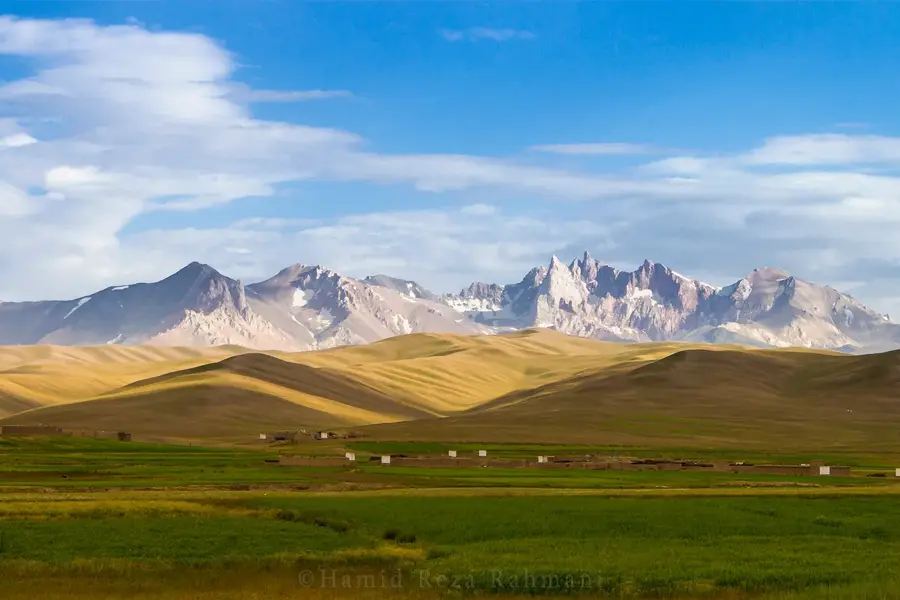
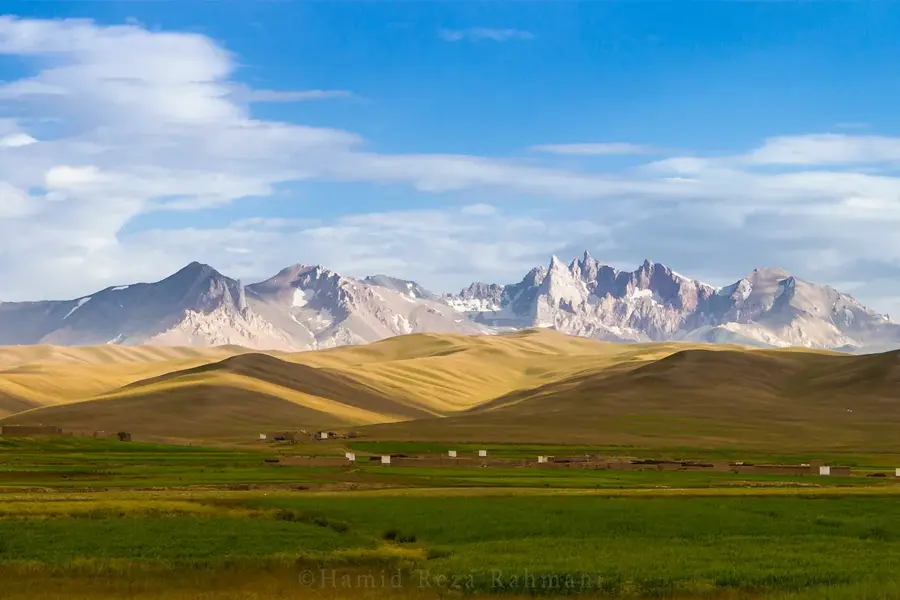
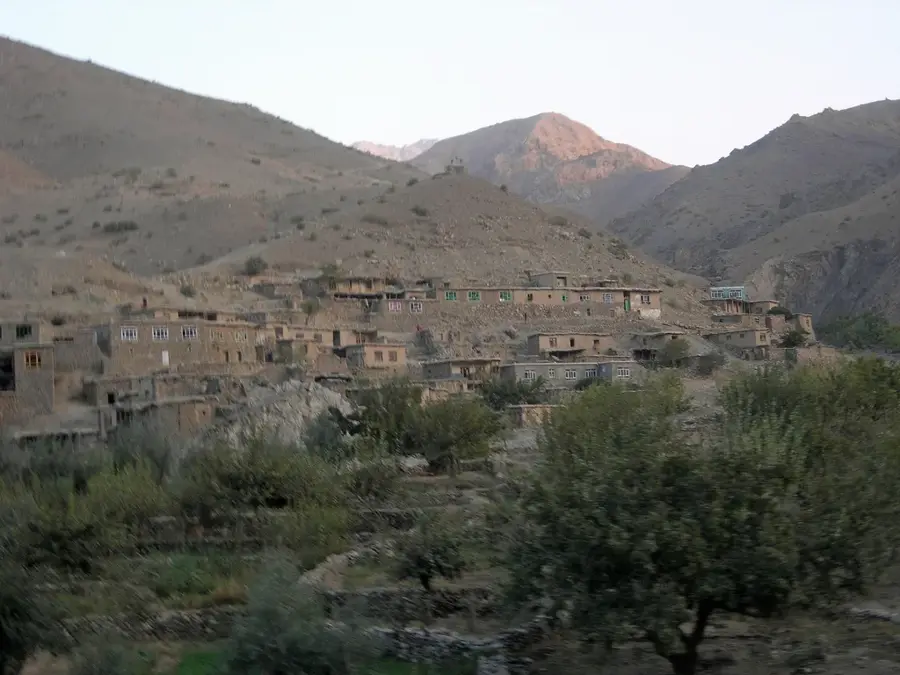
Plizio Visual Lab

Buddhas of Bamiyan
Plizio editorial teamData Sources
ruin
—°5
Buddhas of Bamiyan (Afghanistan)

Weather…

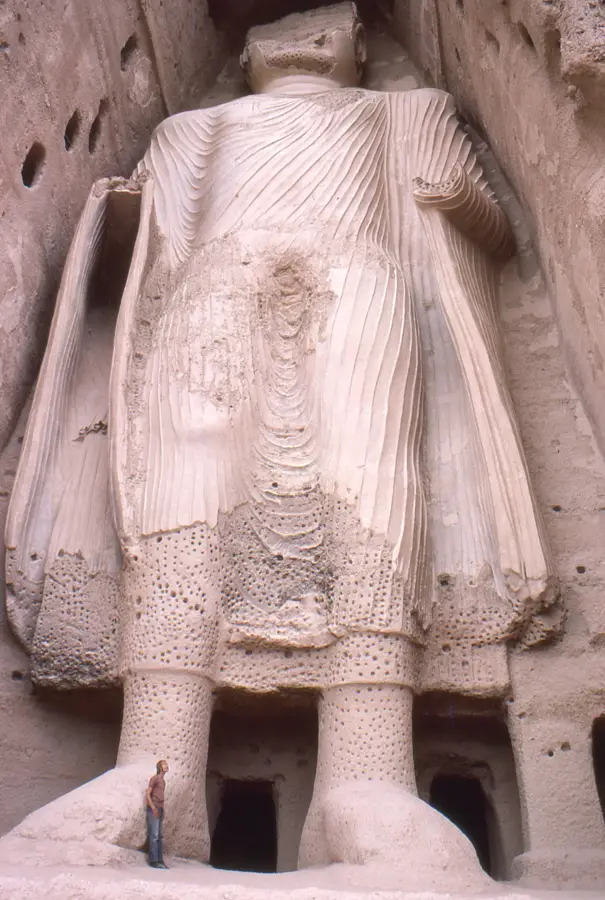
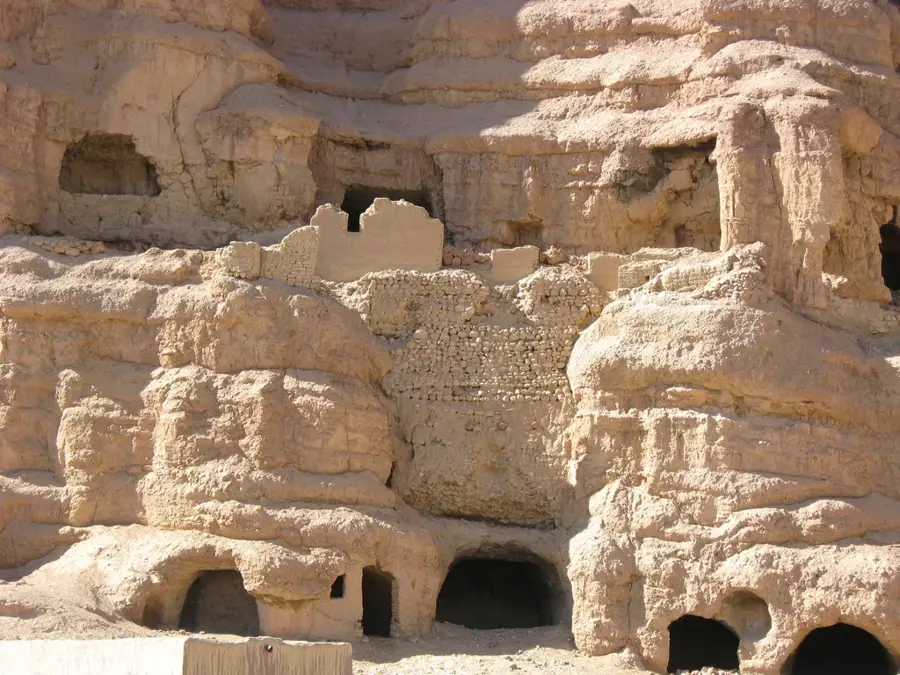
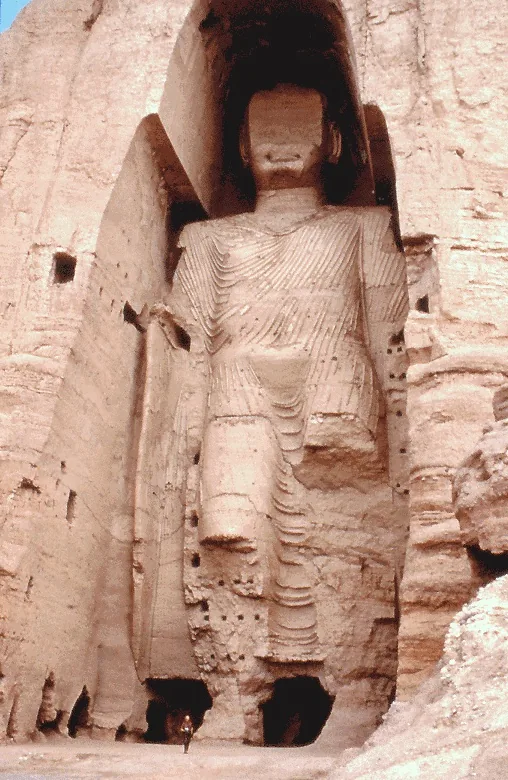
The monumental Buddhas of Bamiyan, carved into the sandstone cliffs of the Bamiyan Valley in central Afghanistan in the 6th century, were once the largest standing Buddha representations in the world. The larger one, known as Salsal, stood 55 meters tall, while the smaller one, Shamama, measured 38 meters. They represented a unique fusion of Greco-Buddhist art and Sasanian influences. For centuries, they were an important pilgrimage site along the Silk Road. The niches that once housed the figures are surrounded by caves that served as monasteries, chapels, and dwellings for monks, decorated with murals. Their tragic destruction by the Taliban in March 2001 caused worldwide outrage and is considered a great loss to the cultural heritage of humanity. Today, the reconstruction of the statues is being debated, while the site remains a symbol of Afghanistan's rich but threatened cultural history.

Best time to visit & climate

The most pleasant time to visit is Jun–Aug.

JanFebMarAprMayJunJulAugSepOctNovDec
Avg °C-9-8-248121413105-1-6
Rain mm384556533115131416152822

📋 Practical info

🚪
Visiting
While the monumental 6th-century statues were tragically destroyed, visitors can still observe the massive empty niches carved into the cliff face and explore the surrounding network of ancient caves.
🕒
Typical hours
Access to the archaeological site is typically possible during regular daylight hours, although it is subject to the changing regulations of local authorities and current security conditions in the valley.
📷
Photography
The colossal empty niches remain an incredibly powerful and somber visual subject, and capturing the sheer scale of the cliff face against the beautiful Bamiyan Valley landscape is a must for photographers.
⏱️
Time needed
Devote at least two to three hours to fully walk along the base of the cliff, climb into some of the accessible surrounding caves, and reflect on the immense historical and cultural magnitude of the site.
Combine with
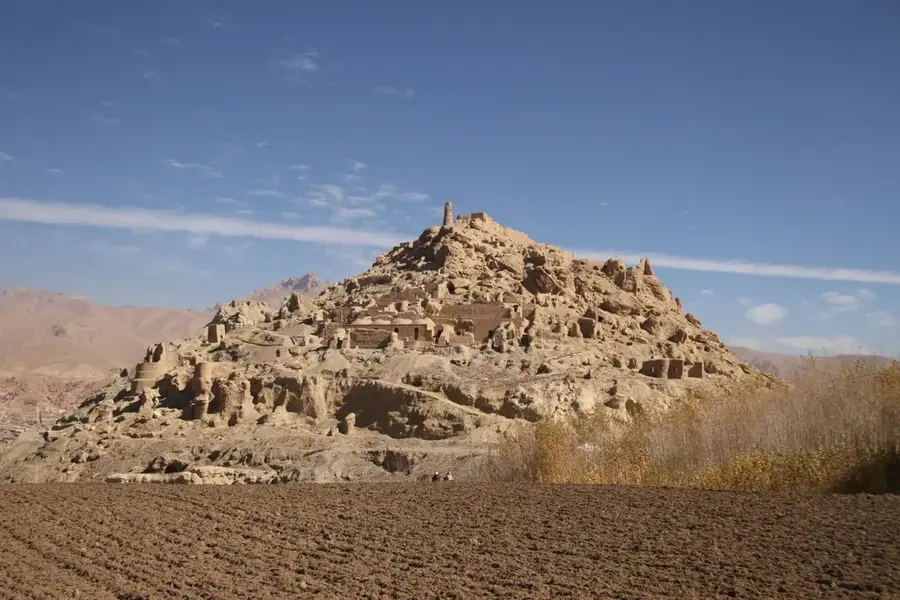
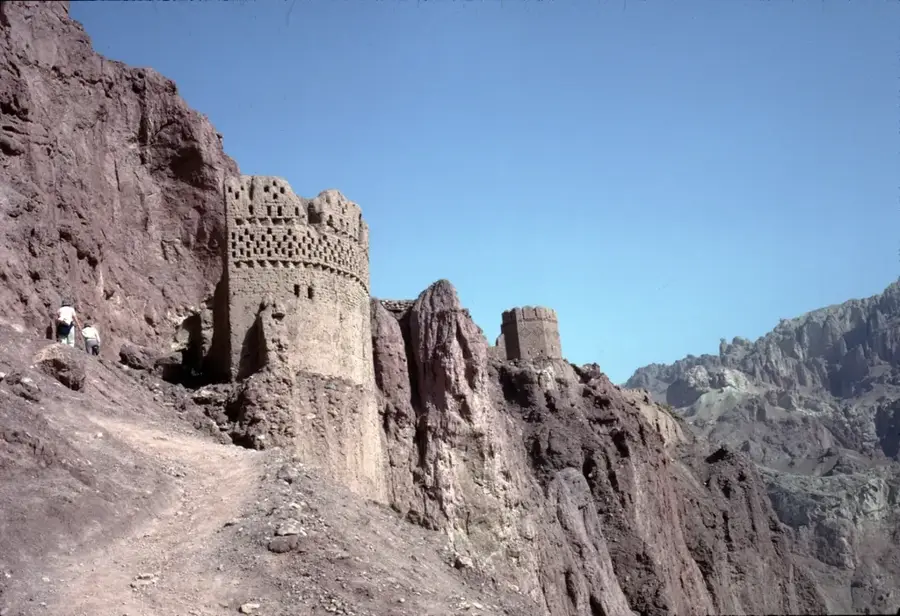
The Bamiyan Valley is rich in heritage, so combine this with visits to the nearby ancient fortresses of Shahr-e Gholghola and Shahr-e Zuhak, or the panoramic blue lakes of Band-e Amir National Park.
🧭
Getting there
The site is the prominent focal point of the Bamiyan Valley, usually reached by domestic flights or long overland journeys from Kabul, and requires moving around with a trusted local guide and driver.
💡
Insider tip
The high altitude of the Bamiyan Valley means the sun can be surprisingly intense and the air thin; pace yourself while climbing the stairs around the niches and respect the deeply poignant nature of the site.

Geography

Coordinates
34.83220, 67.82520

Facts

  • Built in the 6th century AD.
  • Larger statue (Salsal) was 55 meters high.
  • Smaller statue (Shamama) was 38 meters high.
  • Part of UNESCO World Heritage since 2003.
  • Destroyed by the Taliban in March 2001.
  • Located in the Bamiyan Valley, central Afghanistan.
  • Represents the Gandhara art style.
  • Niches surrounded by hundreds of painted caves.

Explore nearby

Notable places around

Route planner — Car & Motorhome

Where do you start? We build the route here, with stops and country notes along the way.

Vehicle
Only stops with (optional):

© OpenStreetMap contributors · OpenRouteService

Sights in the town Buddhas of Bamiyan (5)

Buddhas of Bamiyan

Two monumental Buddha statues carved into a cliff, destroyed before 2001 in Afghanistan.

Mir Sayed Ali Yakhsoz Shrine

Shrine in the Bamiyan region, a local Muslim pilgrimage site.

Remains Bamyan Valley

Archaeological site with remains of ancient settlements in the Bamiyan Valley.

Shahr-i Ghulghula

Qoul-I Akram Caves

Caves in Afghanistan, located in the Bamiyan region.

Sights nearby

Frequently asked questions

What are the Buddhas of Bamiyan?
These are the famous, now-destroyed rock niches and remains of monumental Buddha statues in Bamiyan Valley. The site is a central symbol of Afghanistan’s cultural history.
Can you visit the site?
Yes, it is usually accessible during daylight. It is an open monument, but infrastructure is basic, so expect simple conditions.
How much time do you need?
For the niches and views, 1 to 2 hours is often enough. If you want a calmer experience of the valley, plan more time.
Is Bamiyan family-friendly?
Yes, generally. The open landscape works well for families, but roads, weather, and basic infrastructure should be considered.
What is the site known for?
Bamiyan is world-famous for the Buddhas and the valley in Hazarajat. The site stands for history, culture, and striking scenery.
Buddhas of Bamiyan: where is it located?
Buddhas of Bamiyan is located in Afghanistan.
Buddhas of Bamiyan: what is there to see?
Highlights include Buddhas of Bamiyan, Mir Sayed Ali Yakhsoz Shrine, Remains Bamyan Valley.
Buddhas of Bamiyan: when is the best time to visit?
The most pleasant time to visit is Jun, Aug.
Buddhas of Bamiyan: why is it worth visiting?

The monumental Buddhas of Bamiyan, carved into the sandstone cliffs of the Bamiyan Valley in central Afghanistan in the 6th century, were once the largest standing Buddha representations in the world.
View on map → The Top 50 Attractions → OpenStreetMap →
Asia
Explore with Plizio Discover more places in Asia
More places in Afghanistan →

Nearby cities

More places