Attractions in Sierra Leone
The finest attractions in Sierra Leone at a glance: castles, natural wonders, historic old towns and more. Each place links to a detailed page with map, tips and photos.
Culture & History
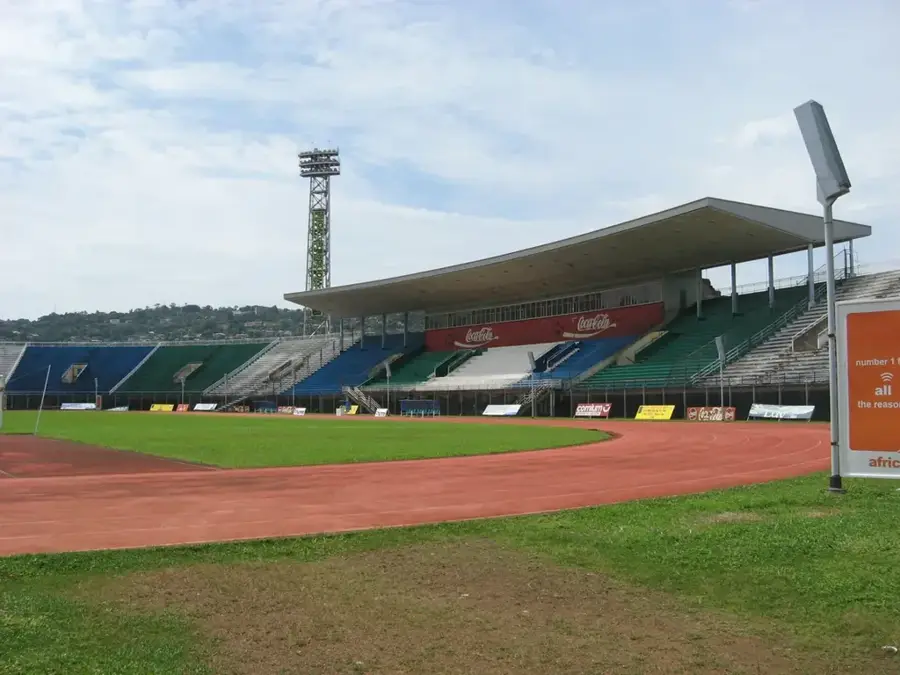
Siaka Stevens Stadium
Siaka Stevens Stadium is the national stadium of Sierra Leone and the primary venue for major sporting events in Freetown.
Learn more →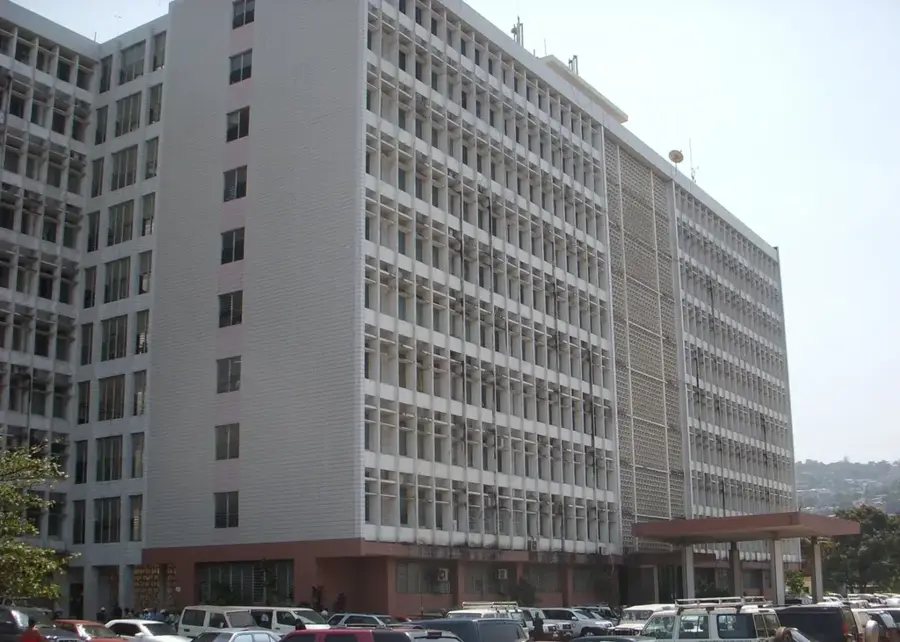
Youyi Building
The Youyi Building is a large office complex in Freetown housing numerous government ministries and agencies.
Learn more →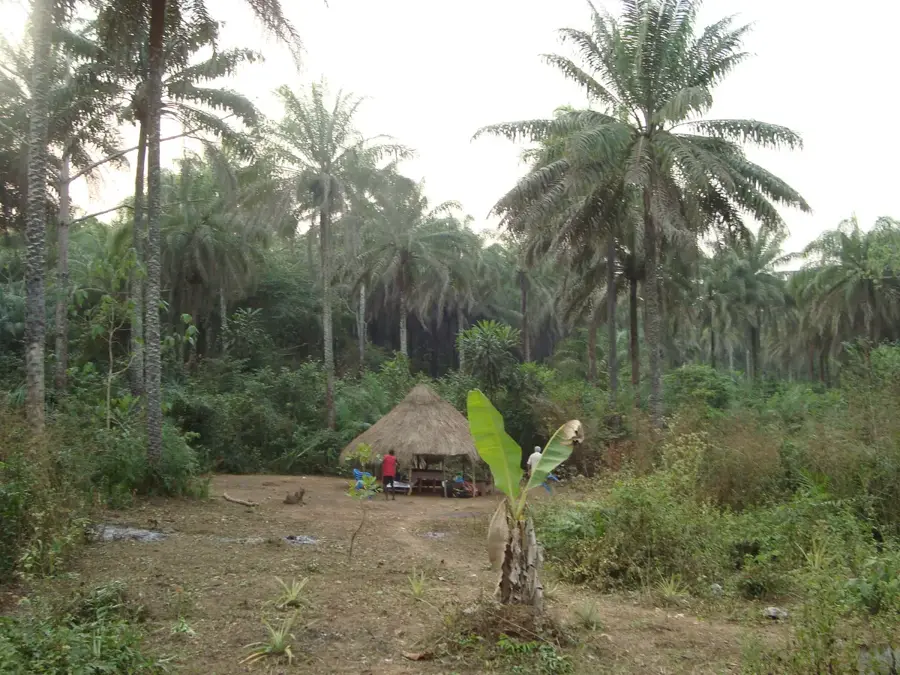
Waterloo Marketplace
Waterloo Marketplace is a vibrant commercial hub and a key landmark in the Western Area Rural district.
Learn more →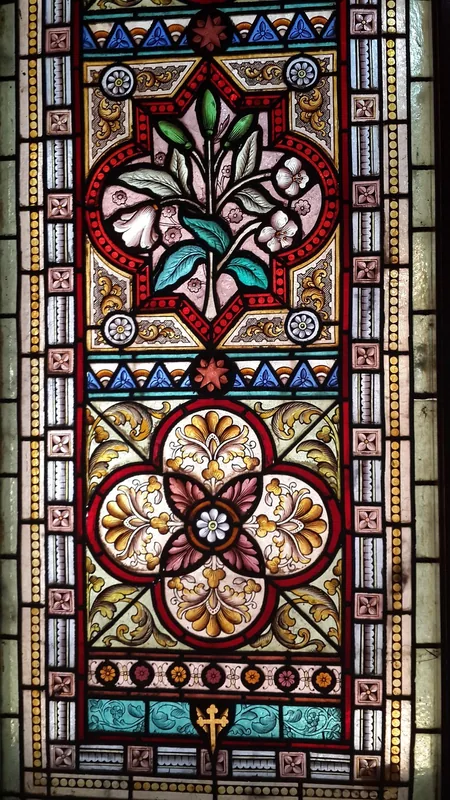
Wesley Methodist Church
The Wesley Methodist Church in Makeni is a significant religious and historical building for the Methodist community.
Learn more →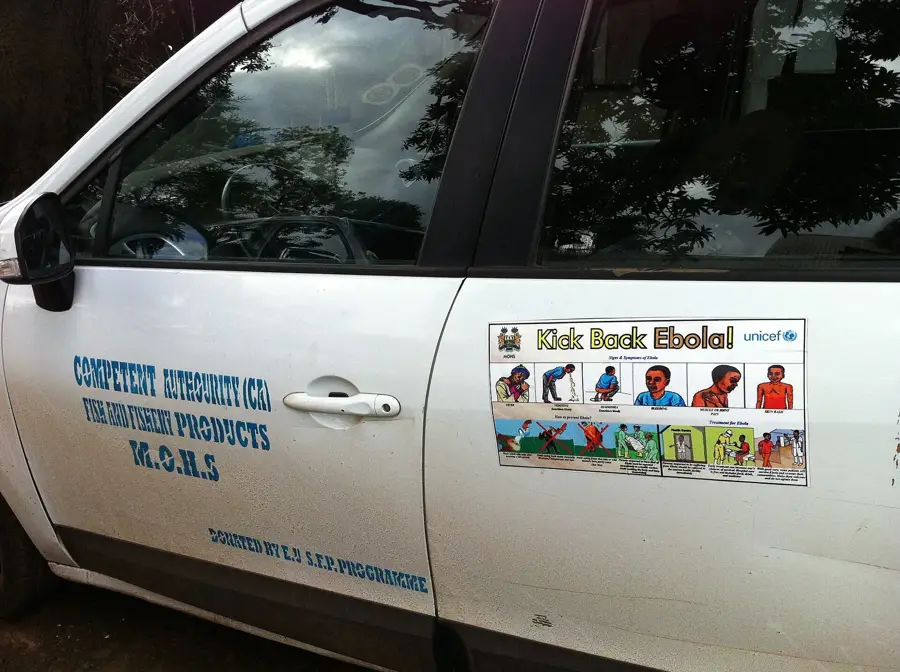
Queen Elizabeth II Quay
The Queen Elizabeth II Quay is the main seaport of Sierra Leone and a major hub for the national economy.
Learn more →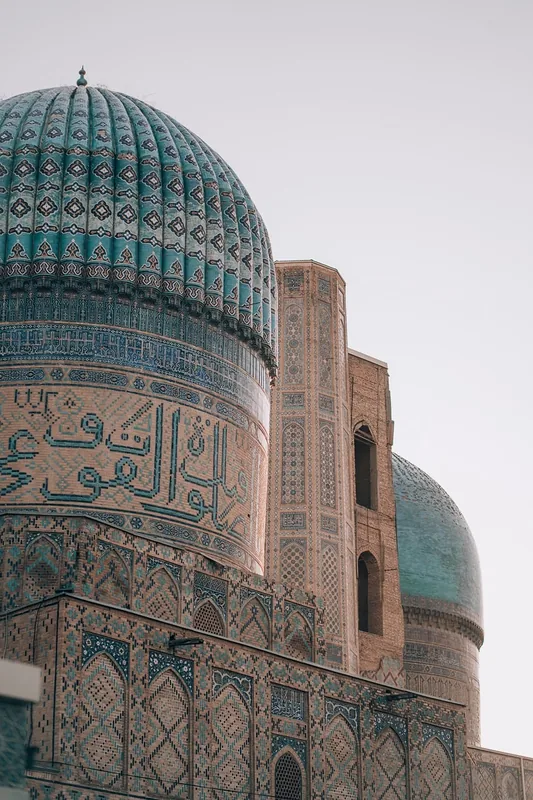
Freetown Central Mosque
The Freetown Central Mosque is one of the largest and most significant Islamic places of worship in the country.
Learn more →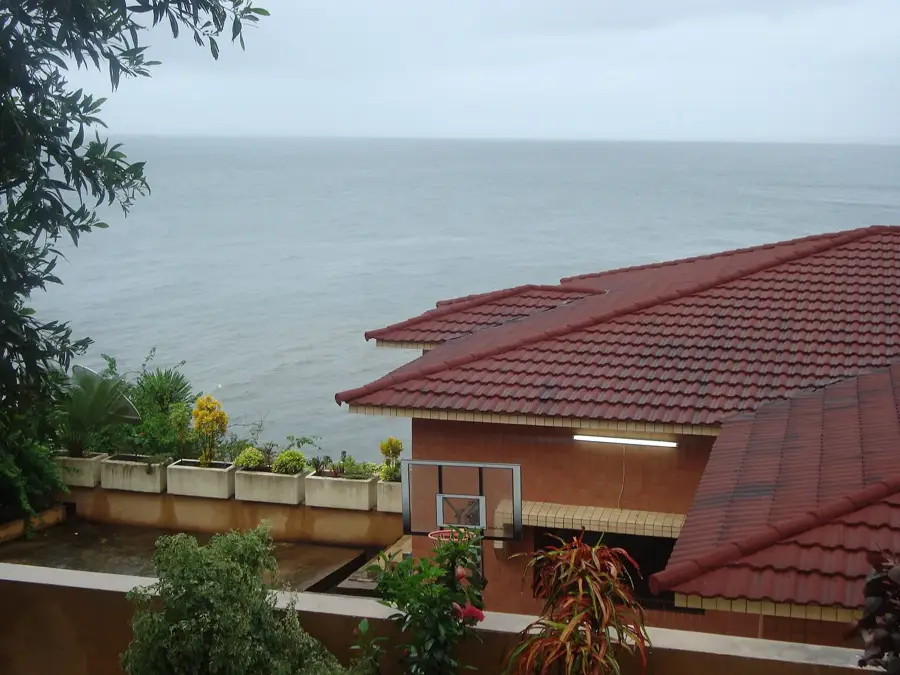
Aberdeen Lighthouse
The Aberdeen Lighthouse, at the tip of the Aberdeen Peninsula, guides ships safely into Freetown harbor.
Learn more →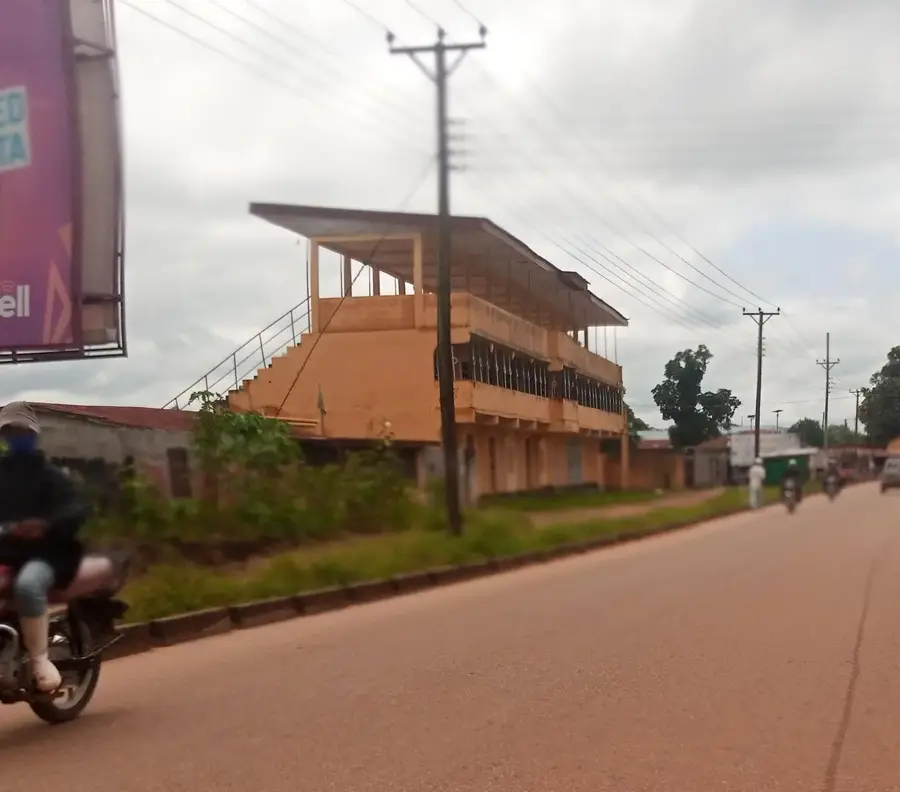
St. Paul's Cathedral
St.
Learn more →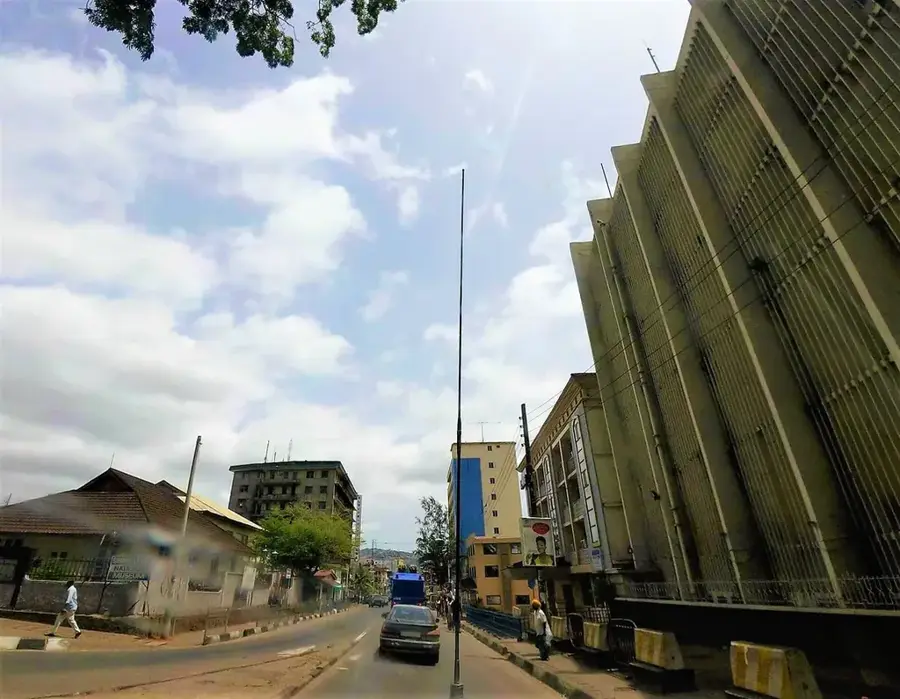
National Museum of Sierra Leone
The National Museum in central Freetown preserves the country's rich cultural and historical heritage.
Learn more →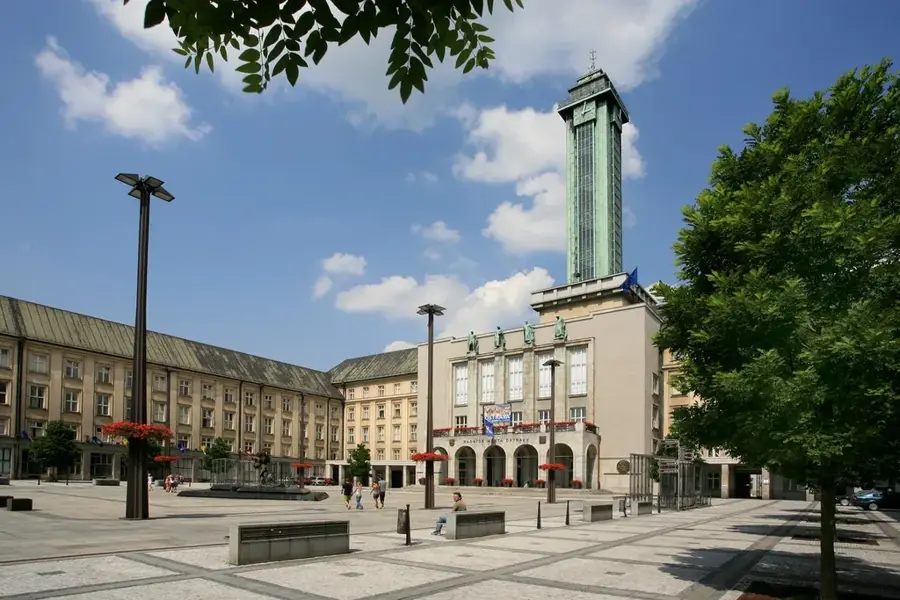
Our Lady of the Immaculate Conception Cathedral
The Cathedral in Bo is the seat of the Catholic Bishop of Bo and a major religious center in the south.
Learn more →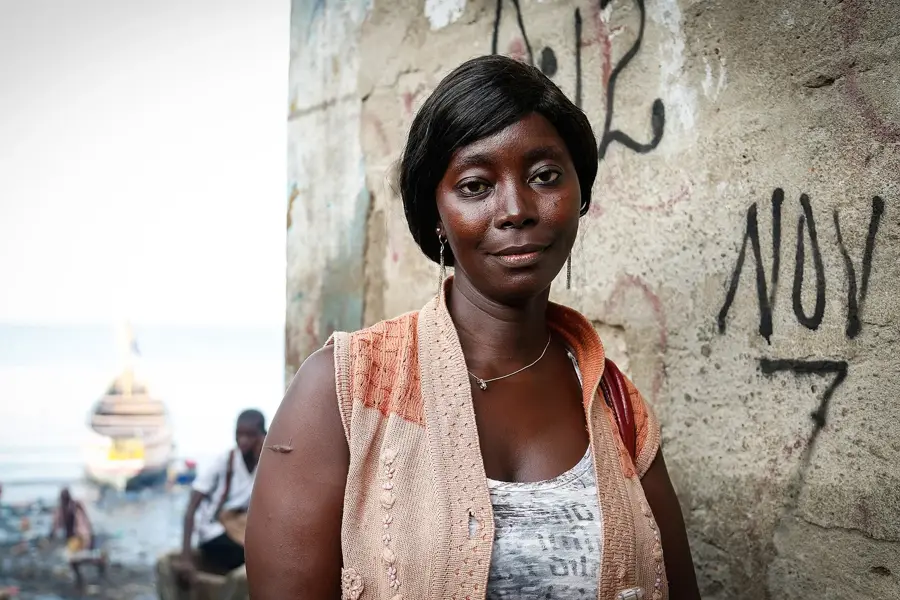
Sam Bangura Tower
The Sam Bangura Tower houses the Bank of Sierra Leone and is one of the tallest buildings in Freetown.
Learn more →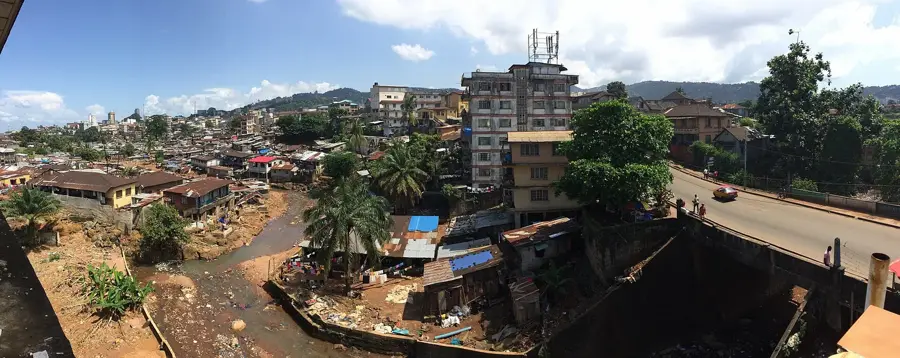
Wallace Johnson Memorial
The memorial honors I.T.A.
Learn more →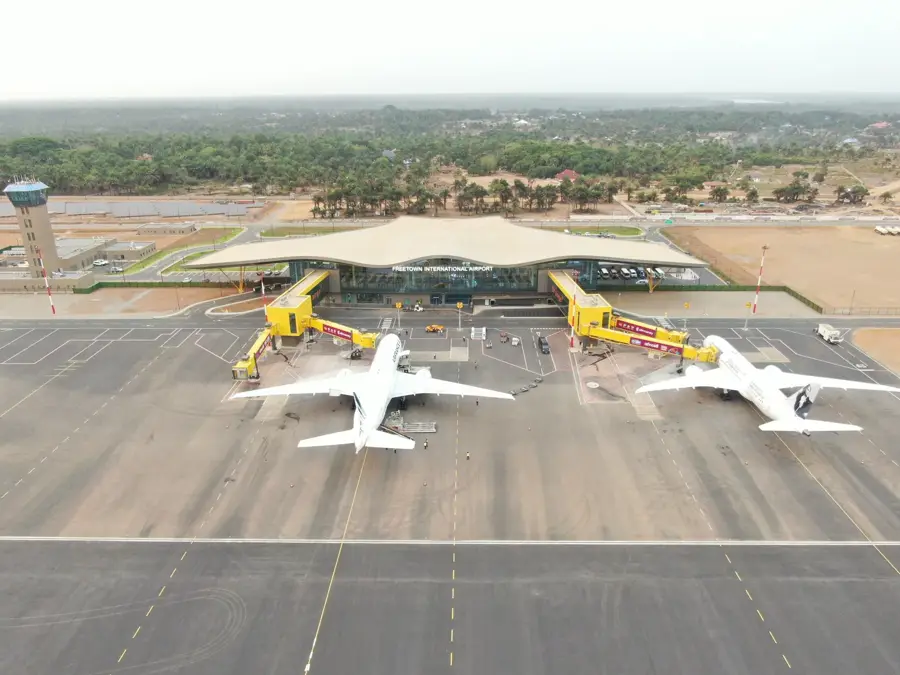
Lungi International Airport
Lungi is the sole international airport of Sierra Leone and the main gateway to the rest of the world.
Learn more →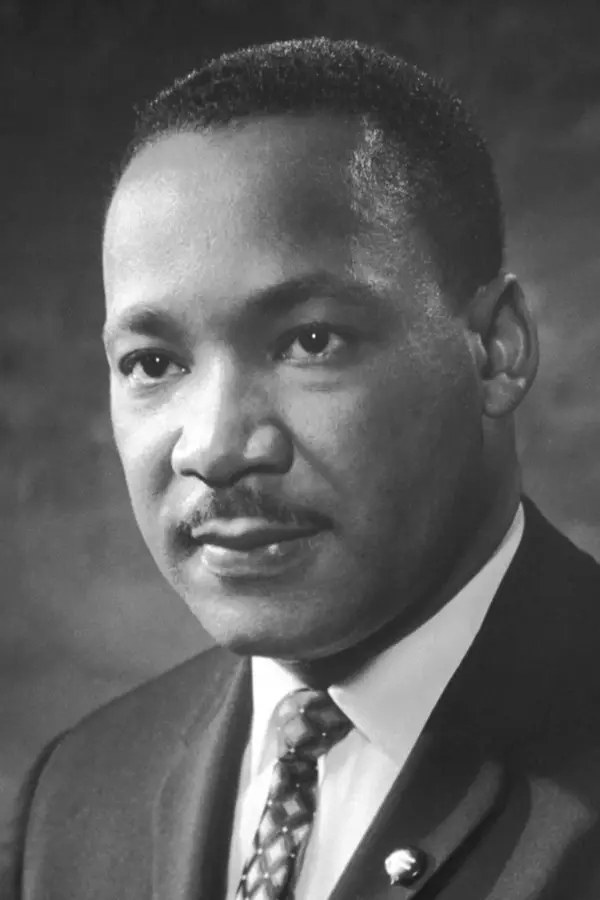
King Jimmy Bridge
King Jimmy Bridge is a historic crossing located near the famous King Jimmy Market.
Learn more →Nature

Lake Mape
Lake Mape is a large inland lake in southern Sierra Leone, near the coast.
Learn more →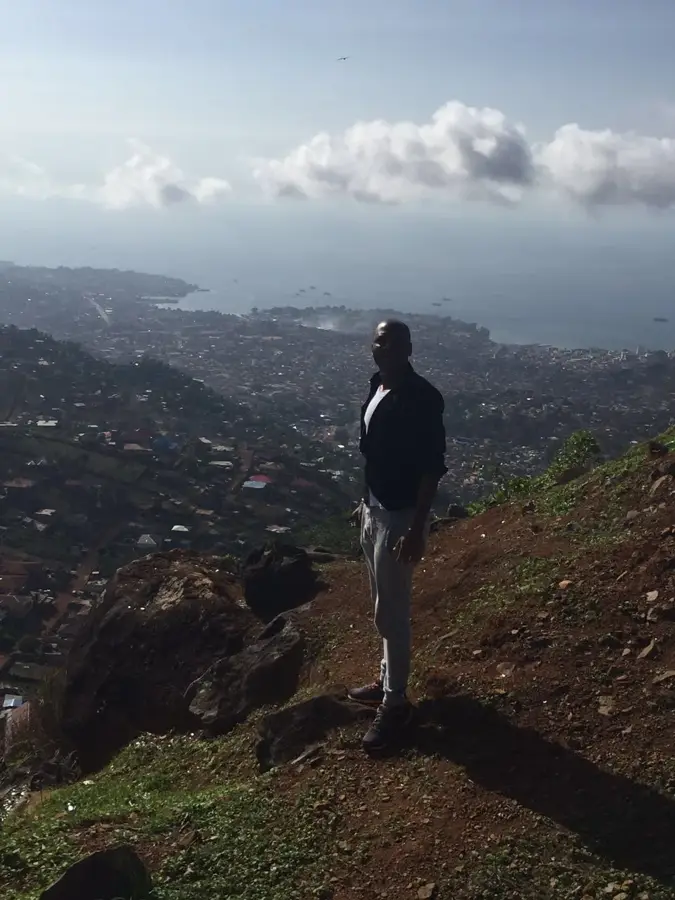
Leicester Peak
Leicester Peak is one of the highest points on the Freetown Peninsula, offering panoramic views of the capital city.
Learn more →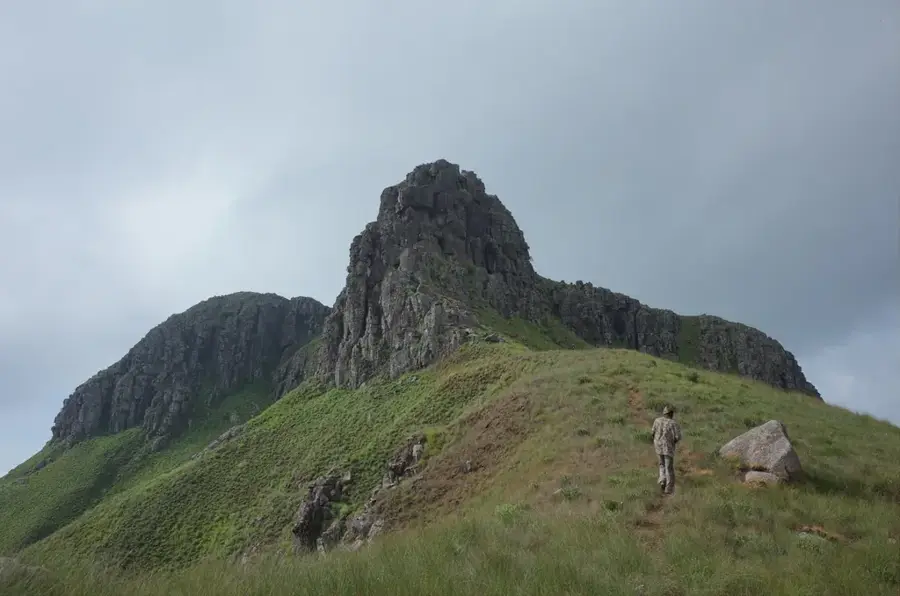
Mount Bintumani
Mount Bintumani, also known as Loma Mansa, is the highest peak in Sierra Leone, rising to 1,945 meters.
Learn more →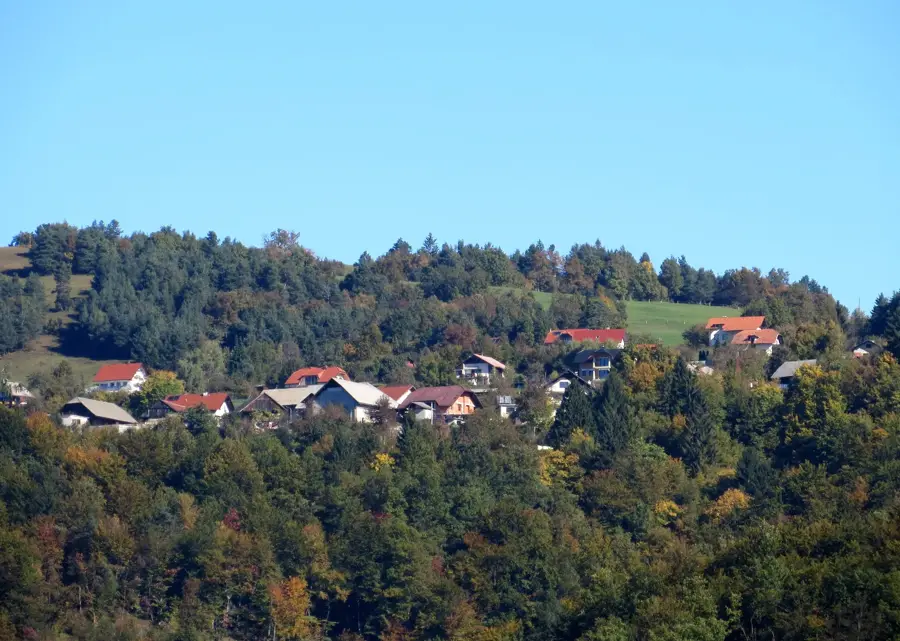
Gori Hills
The Gori Hills form a natural barrier and an important forest ecosystem in eastern Sierra Leone.
Learn more →
Malal Hills
The Malal Hills are a series of elevations in the north that stand out from the surrounding plain.
Learn more →
Sugar Loaf Mountain
Sugar Loaf Mountain is a prominent, cone-shaped peak in the Western Area of Sierra Leone.
Learn more →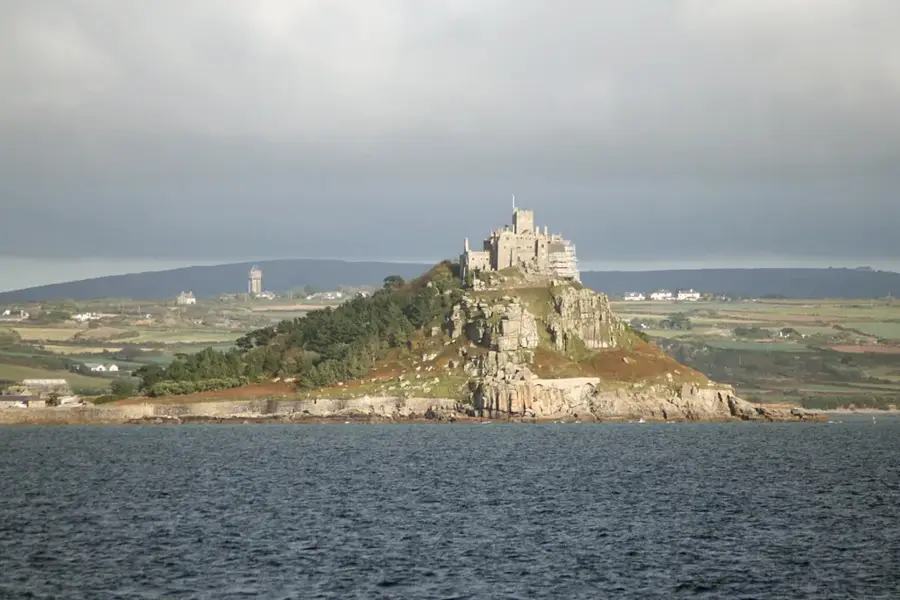
Mount Aureol
Mount Aureol is a prominent hill in Freetown, home to the famous Fourah Bay College.
Learn more →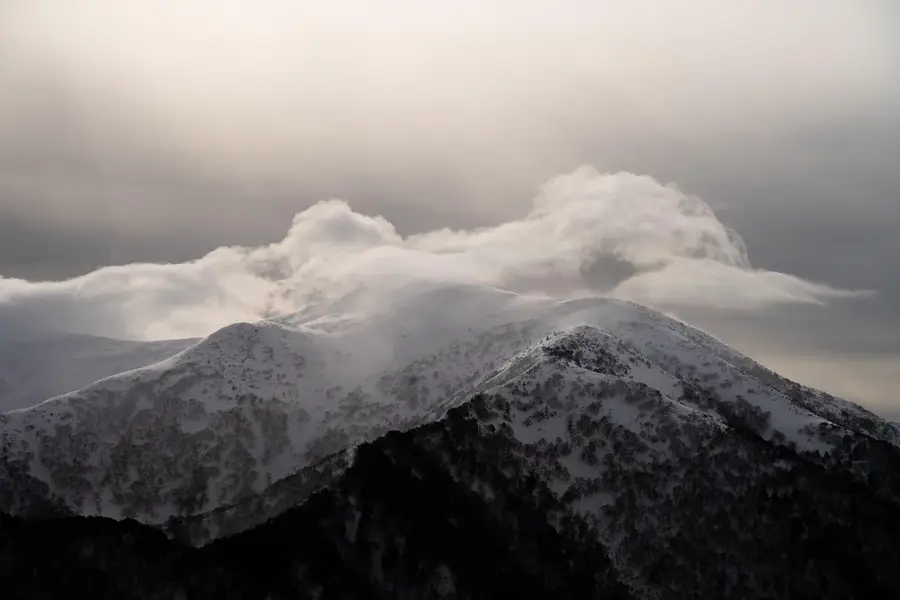
Sankan Biriwa Peak
Sankan Biriwa is the second-highest peak in Sierra Leone, located within the Tingi Hills.
Learn more →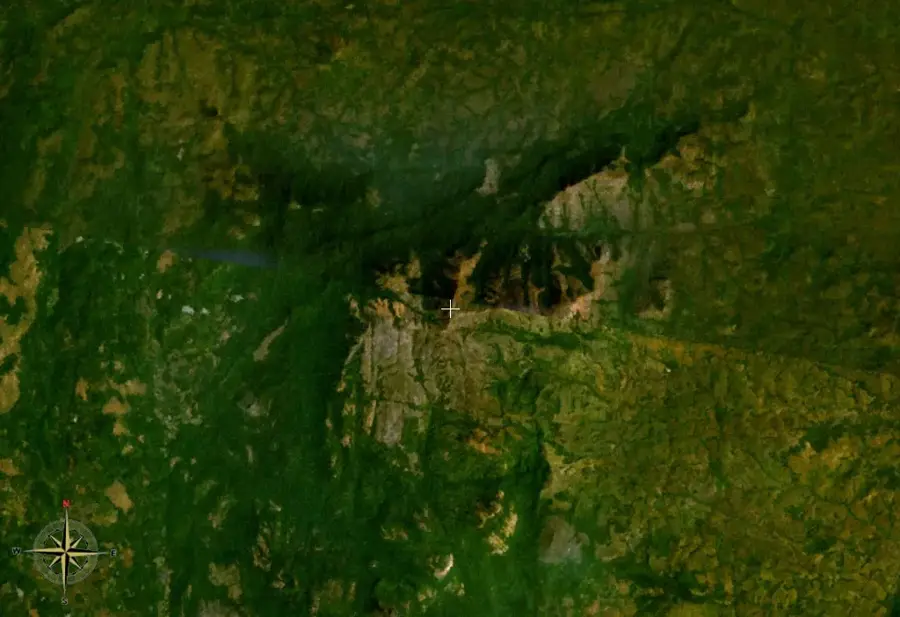
Loma Mountains
The Loma Mountains are an impressive mountain range in northeastern Sierra Leone.
Learn more →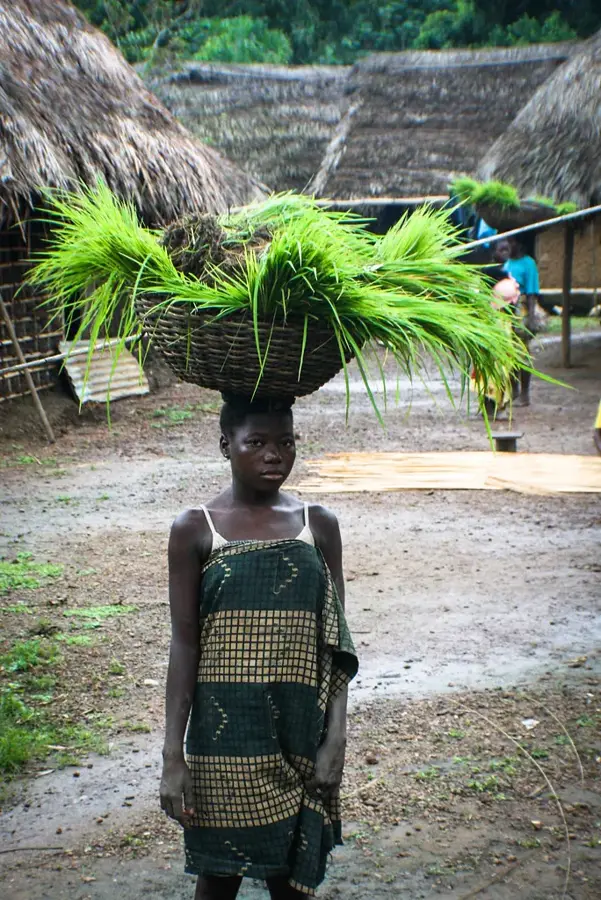
Tiwai Island
Tiwai Island is an inland island wildlife sanctuary in the Moa River, famous for its primate diversity.
Learn more →
Wara Wara Mountains
The Wara Wara Mountains surround the town of Kabala and offer spectacular views.
Learn more →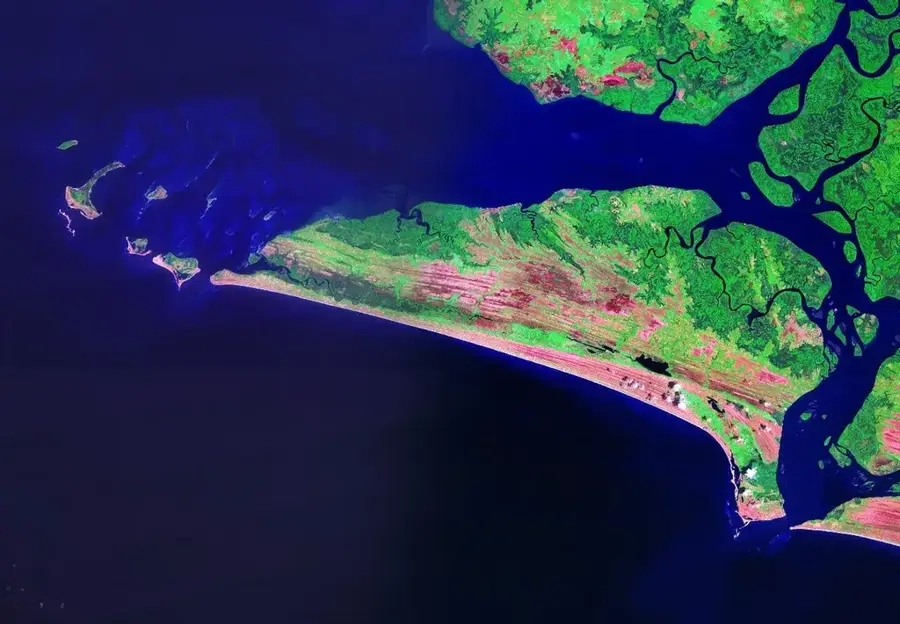
Sherbro Island
Sherbro Island is a large island off the southern coast of Sierra Leone, known for its beaches and lagoons.
Learn more →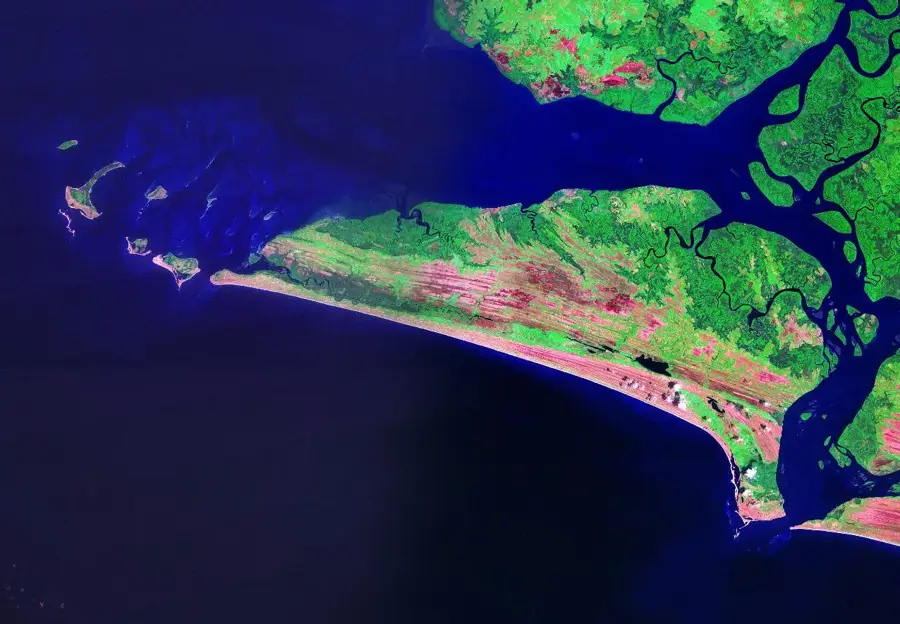
Turtle Islands
The Turtle Islands are a remote archipelago of eight small sandy islands off Sherbro Island.
Learn more →More highlights
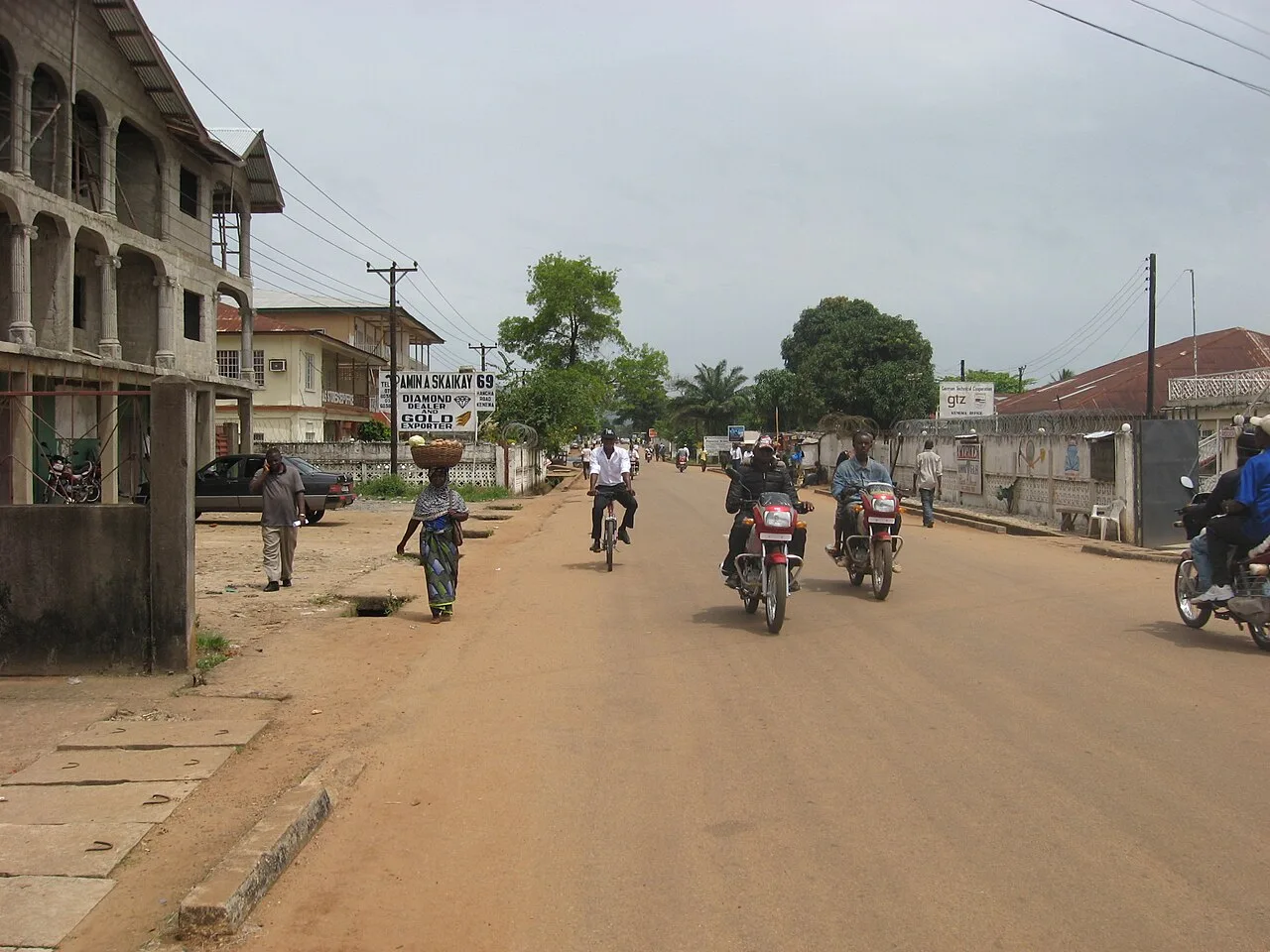
Kenema Cocoa Nurseries
In the shade of tall forest trees, young cocoa saplings grow before being distributed to plantations in the fertile east.
Learn more →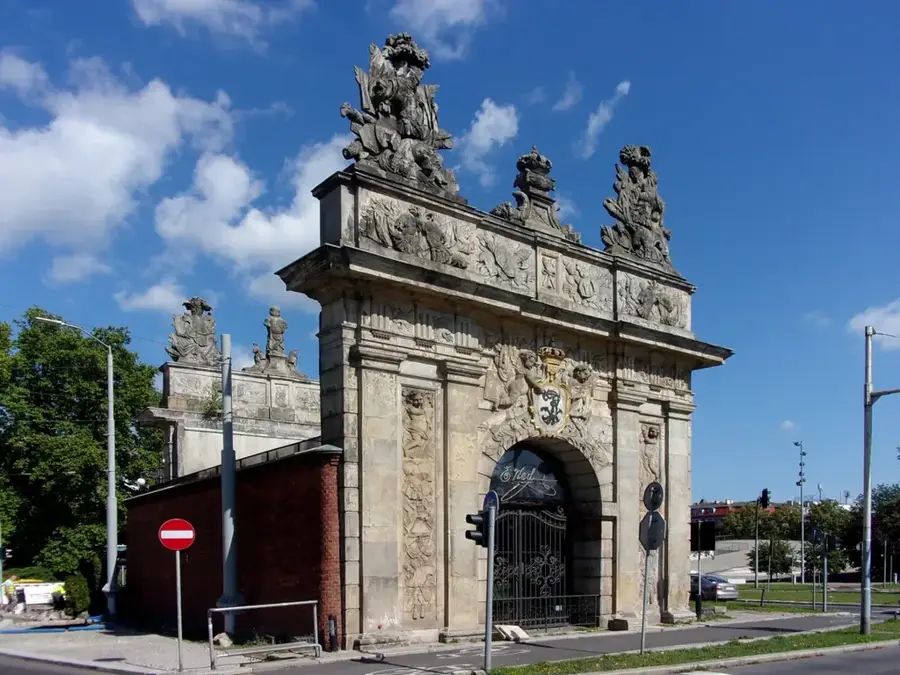
King's Gate
King's Gate marked the entrance to the Old Naval Hospital grounds and is a symbol of the arrival of liberated Africans.
Learn more →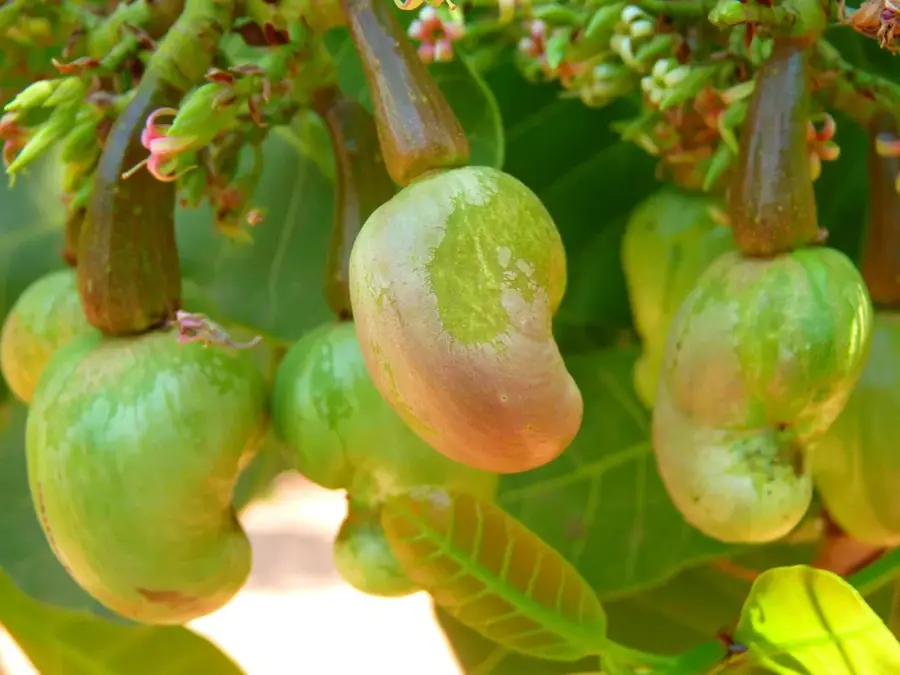
Port Loko Cashew Orchards
In Port Loko, thousands of cashew trees grow, their nuts providing a valuable export commodity for local farmers.
Learn more →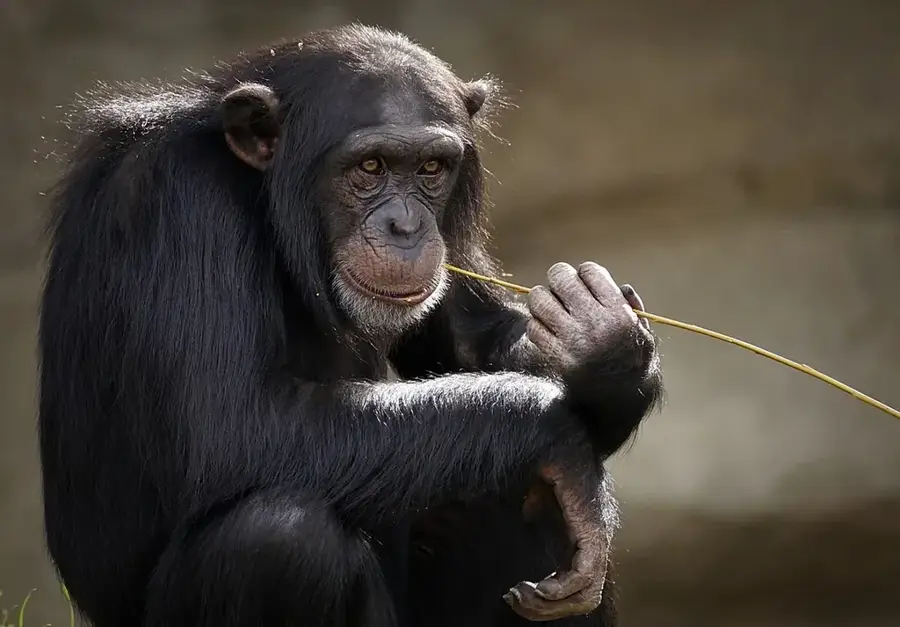
Tacugama Chimpanzee Sanctuary
In the misty hills near Freetown, rescued chimpanzees find a safe home and protection within the dense rainforest.
Learn more →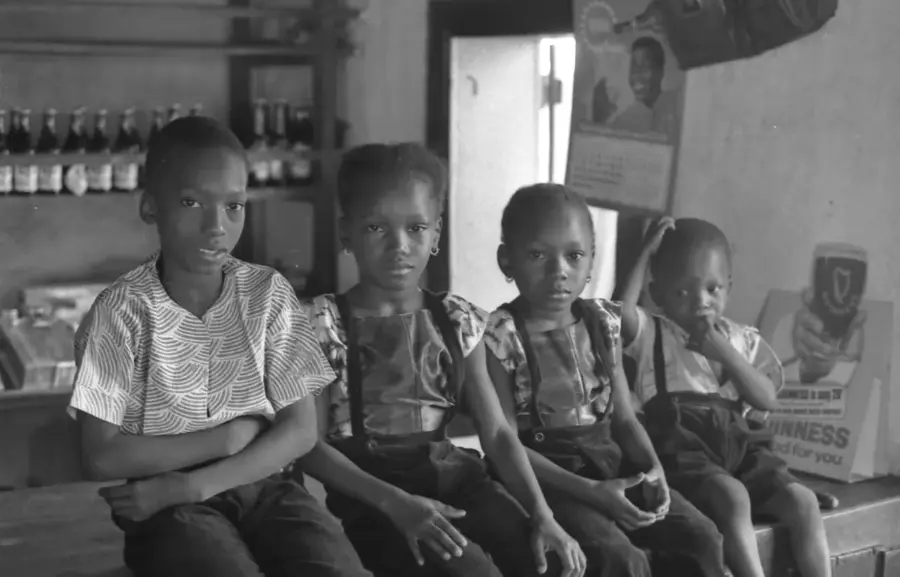
Bai Bureh Memorial
The memorial commemorates Bai Bureh, a national hero who led the resistance against the British Hut Tax.
Learn more →
Moa River Elephant Corridor
Along the Moa River, majestic forest elephants roam through the green forests, a rare sight in West Africa.
Learn more →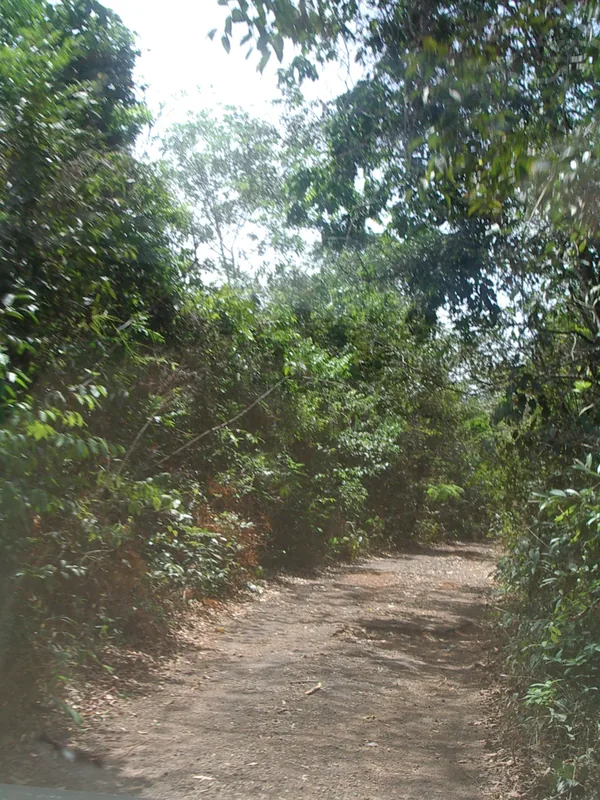
Western Area Forest Reserve
This reserve protects the forested hills of the Freetown Peninsula and is vital for the city's water supply.
Learn more →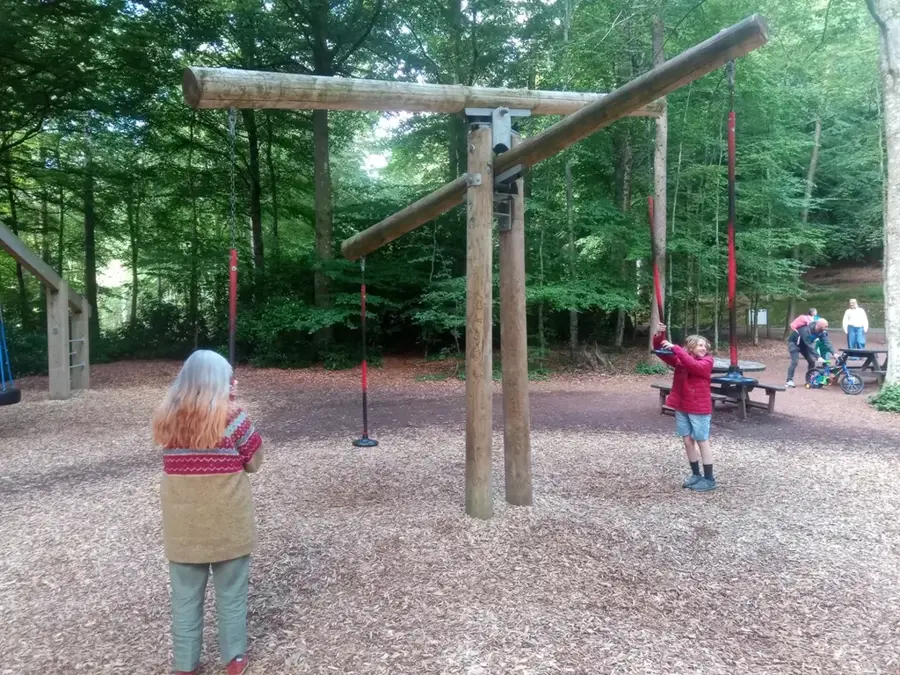
Victoria Park Playground
In the heart of Freetown, this park provides space for play and relaxation amidst the bustling city center.
Learn more →
Heddle's Farm
Heddle's Farm is a historical estate in the hills of Freetown, once owned by merchant Charles Heddle.
Learn more →
Tane Ginger Farms
The Tane region is famous for its spicy ginger, which thrives in the loose soils of the rolling hills.
Learn more →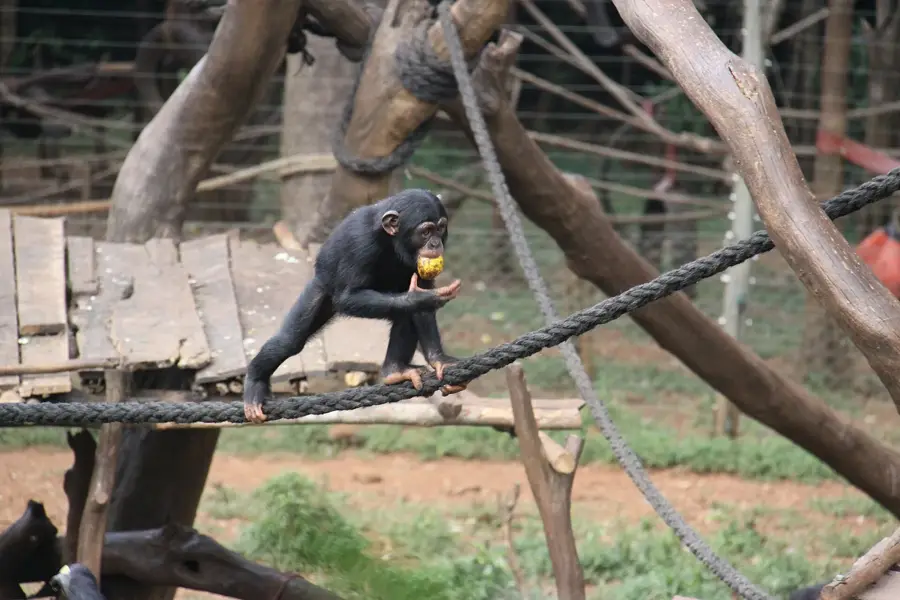
Charlotte Historical Village
Charlotte is a charming mountain village with a rich history as a settlement for liberated Africans.
Learn more →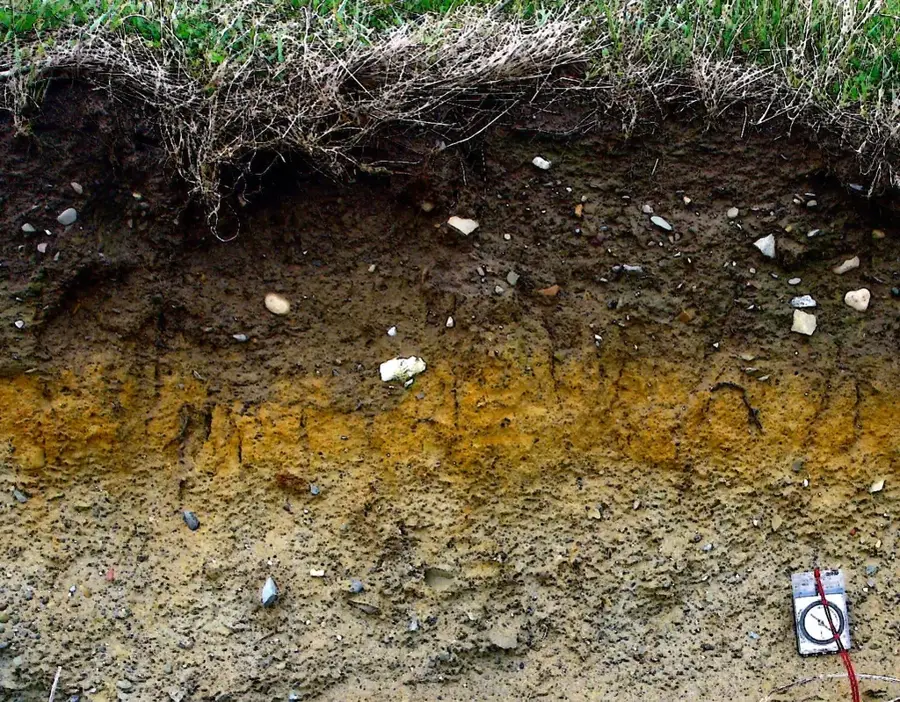
Kabala Cattle Ranching Region
The cooler highlands around Kabala are the center of traditional cattle ranching by the Fula people.
Learn more →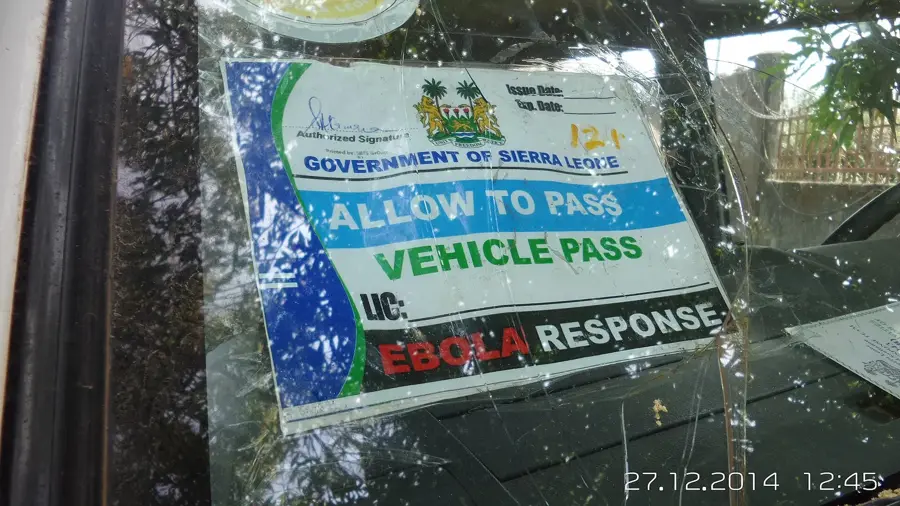
Bo Children's Park
A colorful spot in the country's second-largest city, where children can play on swings and climbing frames.
Learn more →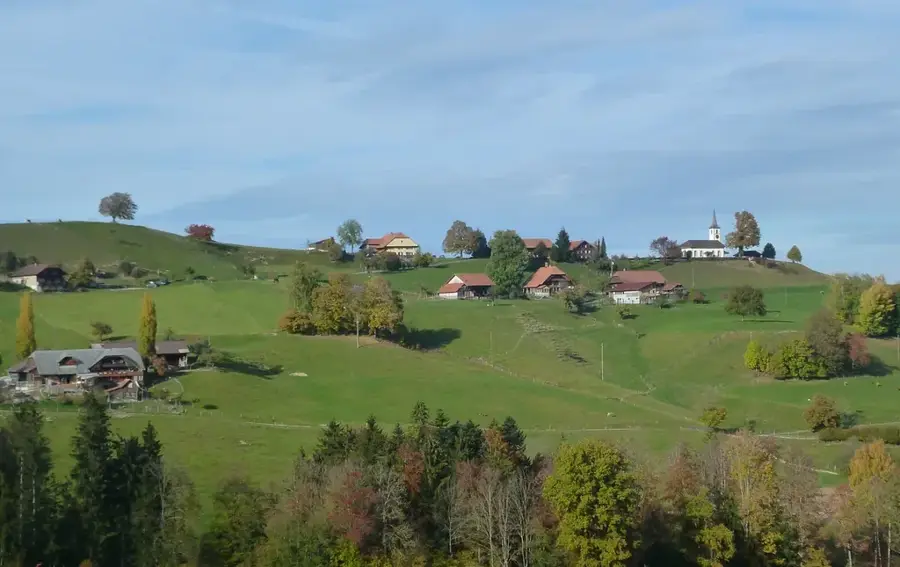
Dodo Hills Forest Reserve
The Dodo Hills Forest Reserve protects an important area of primary rainforest in the east of the country.
Learn more →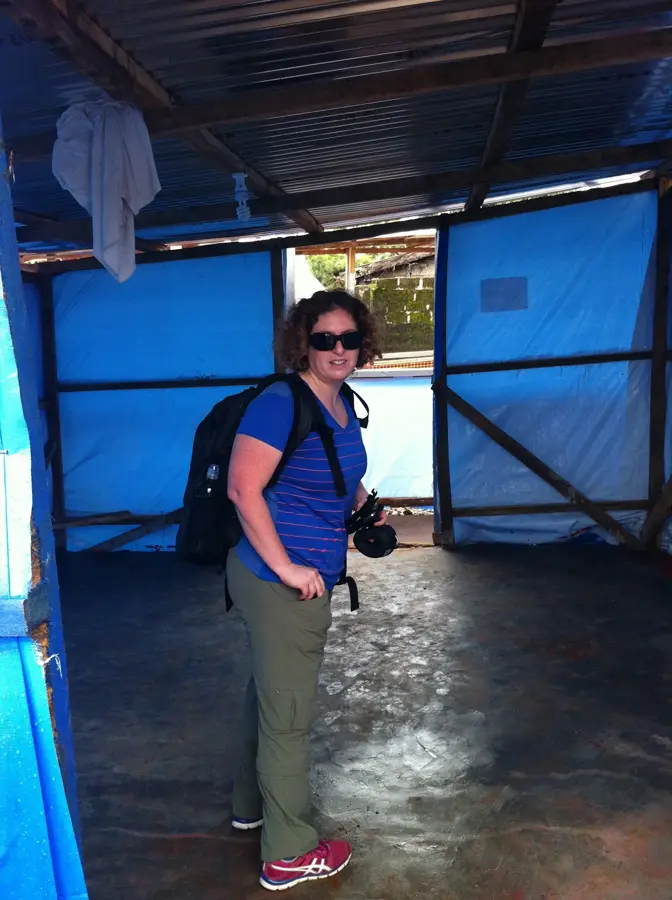
Lakka Children's Beach
The shallow waters and fine sand of Lakka make this beach a safe paradise for little swimmers.
Learn more →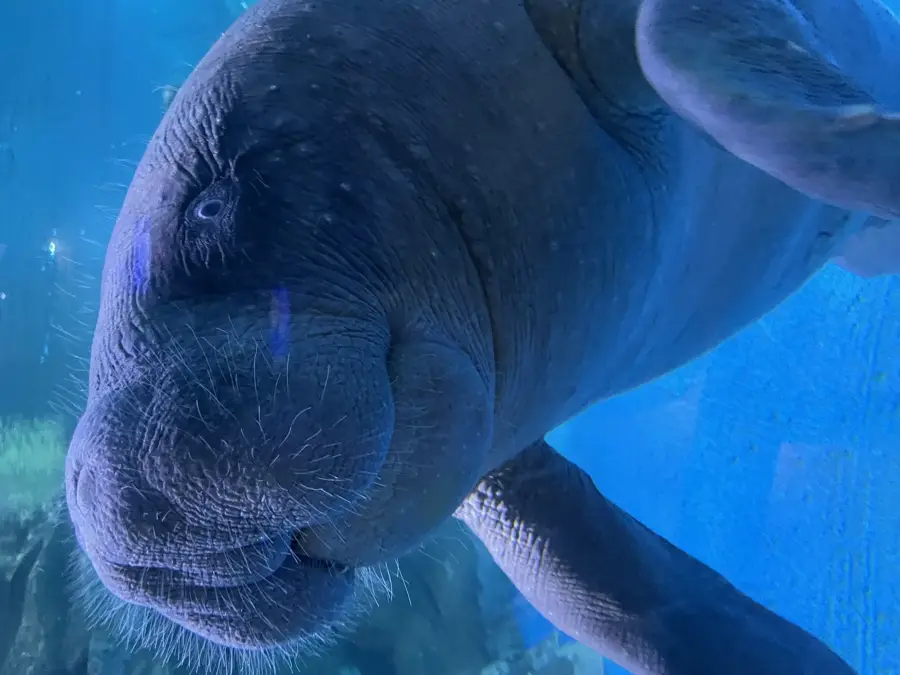
Sherbro River Manatee Habitat
In the calm waters of the Sherbro River, mysterious West African manatees live among the mangroves.
Learn more →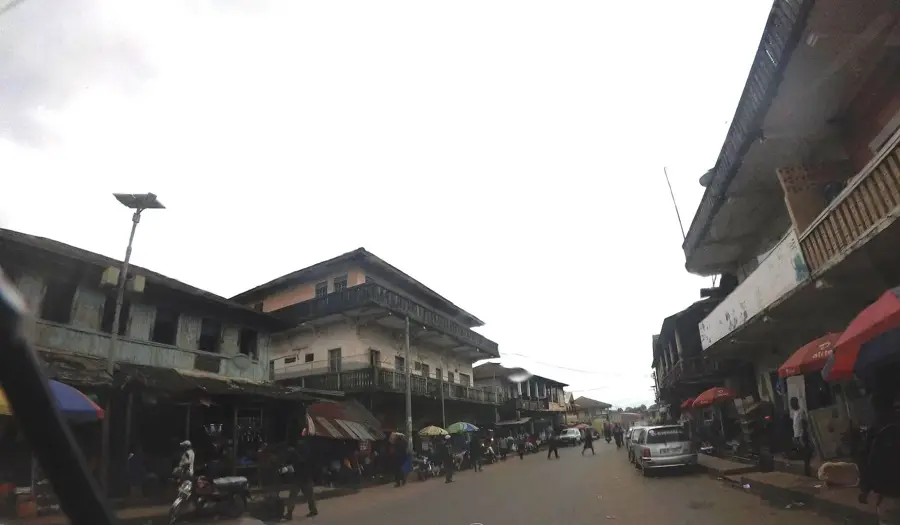
Makeni Kids Zone
A modern recreational area in Makeni, specially designed for children with various play equipment.
Learn more →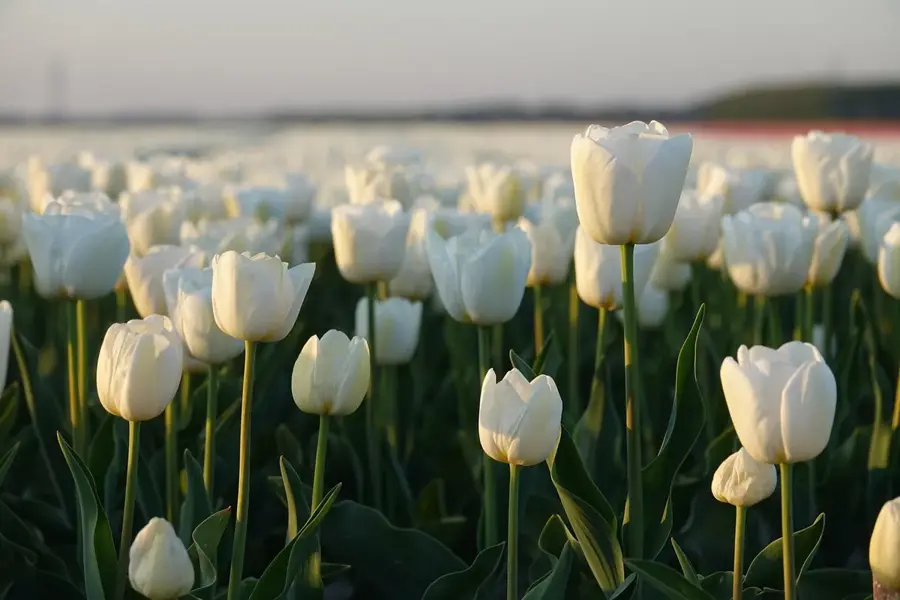
Kambia Rice Polders
The vast rice fields protected by embankments in Kambia utilize the fertile silt from the tidal rivers.
Learn more →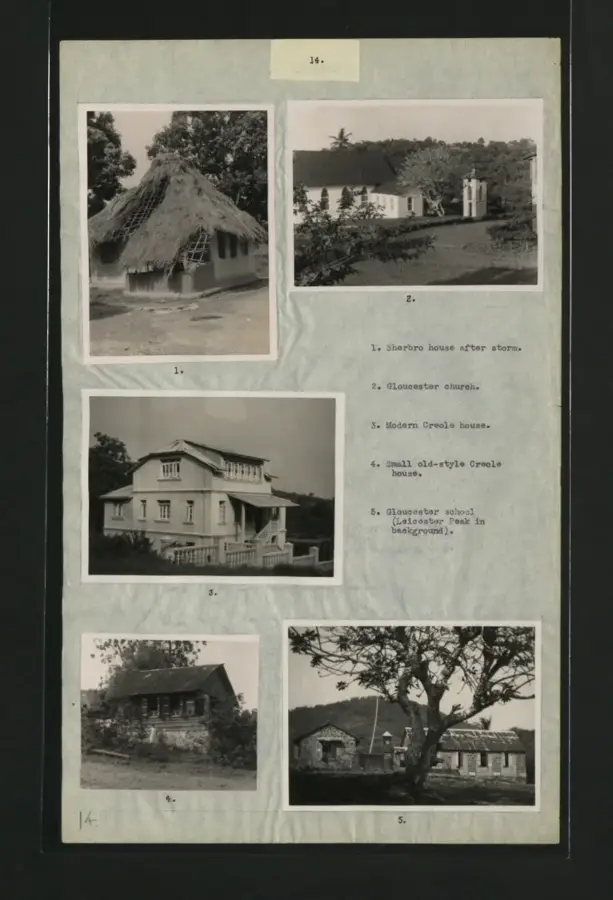
Ruins of Regent Church
The ruins of the church in Regent commemorate one of the first Christian villages for liberated Africans.
Learn more →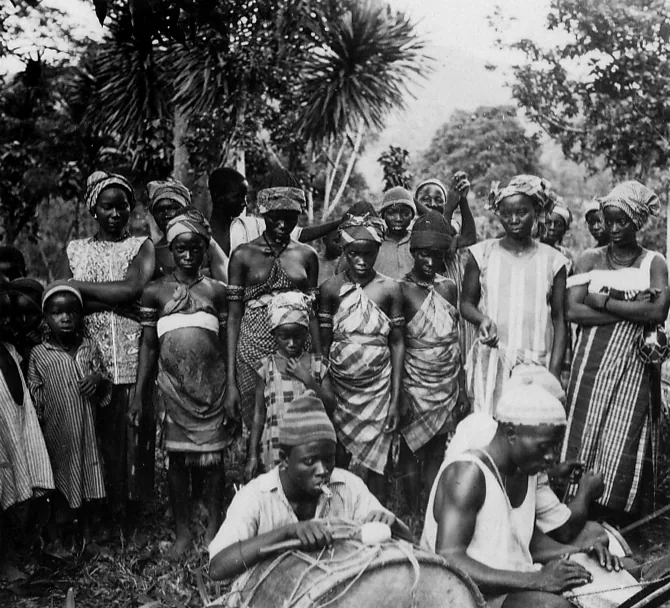
Kailahun Coffee Farms
On the slopes near the Guinea border, Robusta coffee beans thrive, known for their bold aroma.
Learn more →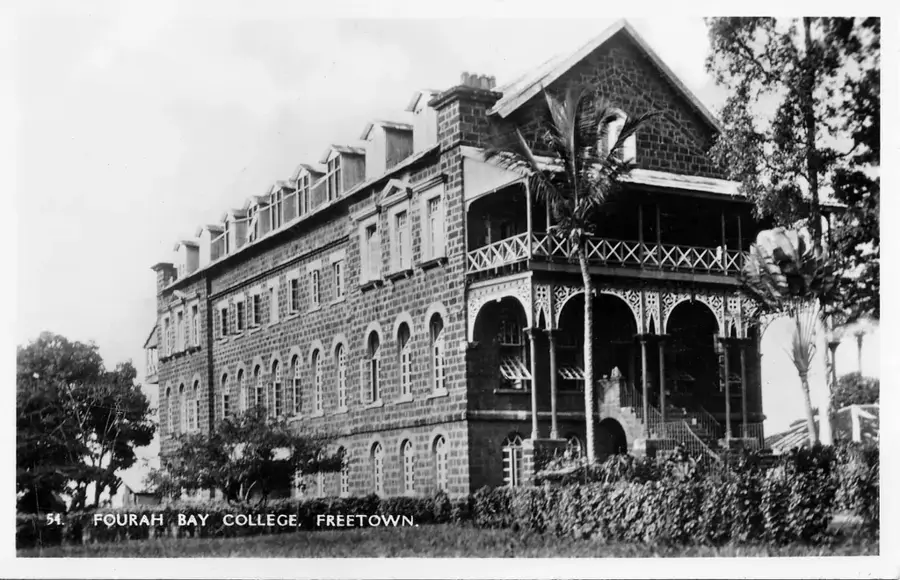
Old Fourah Bay College
The original Fourah Bay College building in Cline Town is a symbol of higher education in West Africa.
Learn more →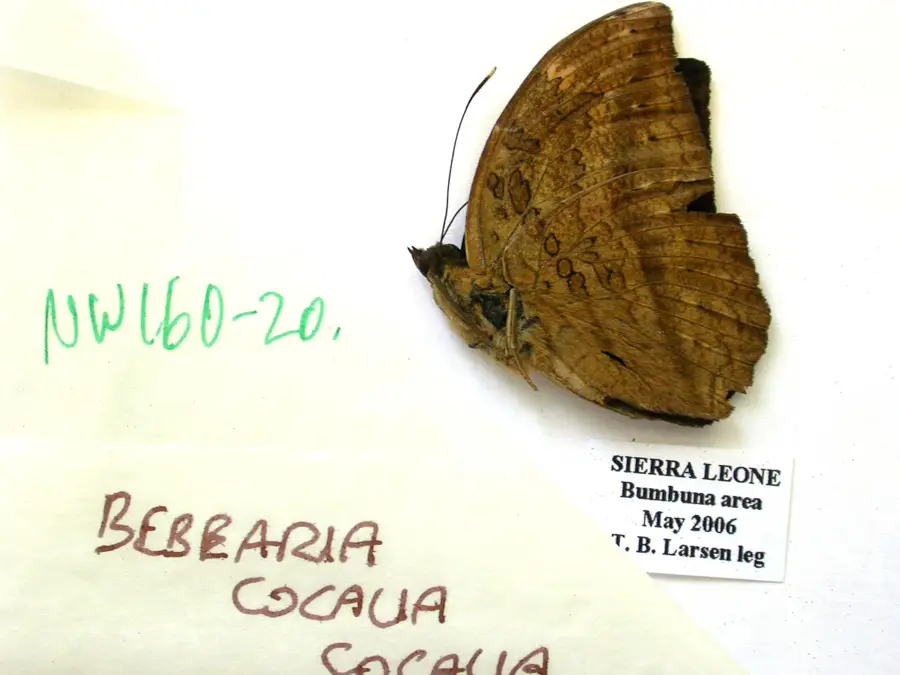
Bumbuna Forest Habitat
The dense forests around the Bumbuna region are home to a variety of primates and exotic butterflies.
Learn more →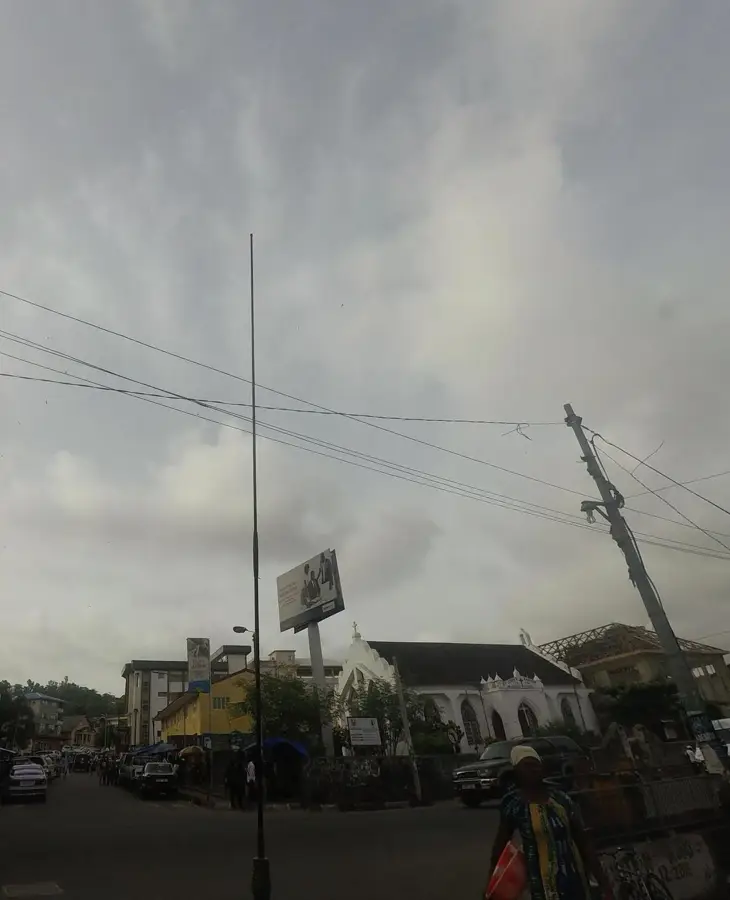
Maroons Church
The Maroons Church (St.
Learn more →Frequently asked questions
What are the top attractions in Sierra Leone?
Among the most popular are Siaka Stevens Stadium, Youyi Building, Waterloo Marketplace, Wesley Methodist Church, Queen Elizabeth II Quay and many more – the full top 50 list is on this page.
When is the best time to visit Sierra Leone?
May to October offers the most pleasant weather; July and August are warmest and busiest.