Attractions in Gambia
The finest attractions in Gambia at a glance: castles, natural wonders, historic old towns and more. Each place links to a detailed page with map, tips and photos.
Culture & History
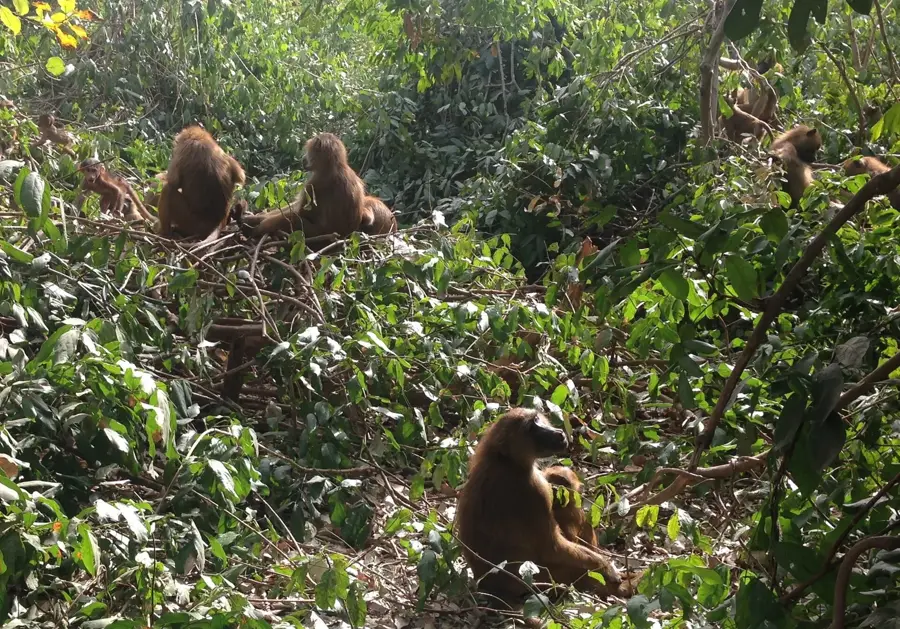
Makasutu Culture Forest
A pristine eco-tourism reserve encompassing diverse ecosystems including mangroves, savanna, and dense palm forests.
Learn more →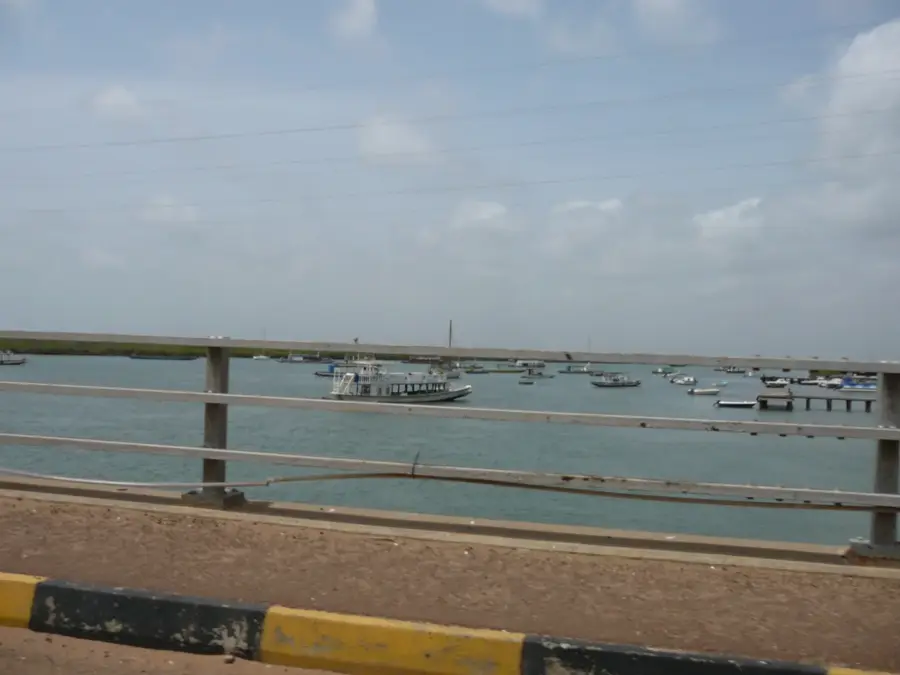
Denton Bridge
A strategic bridge connecting St.
Learn more →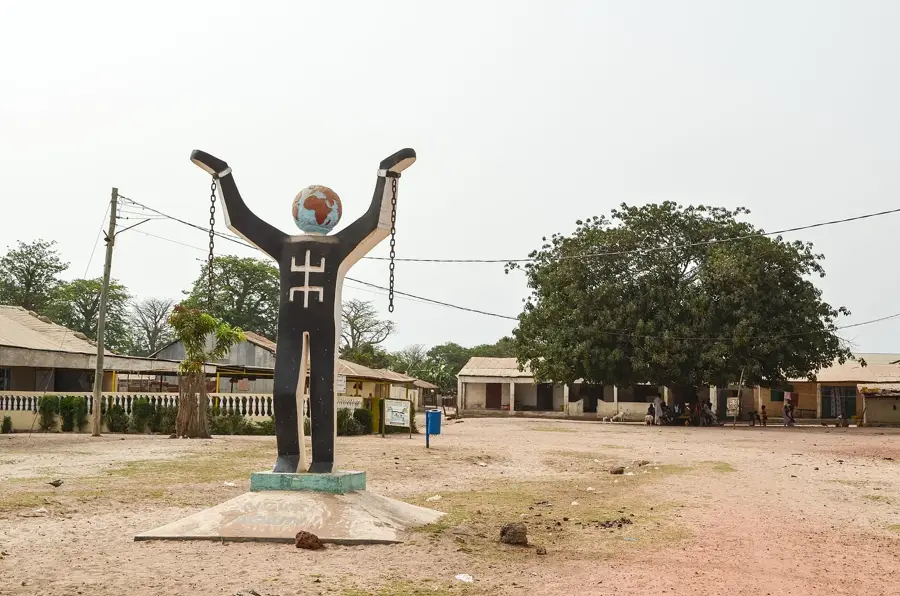
Albreda Historical Site
A former French trading post on the north bank of the river, known for its role in colonial history.
Learn more →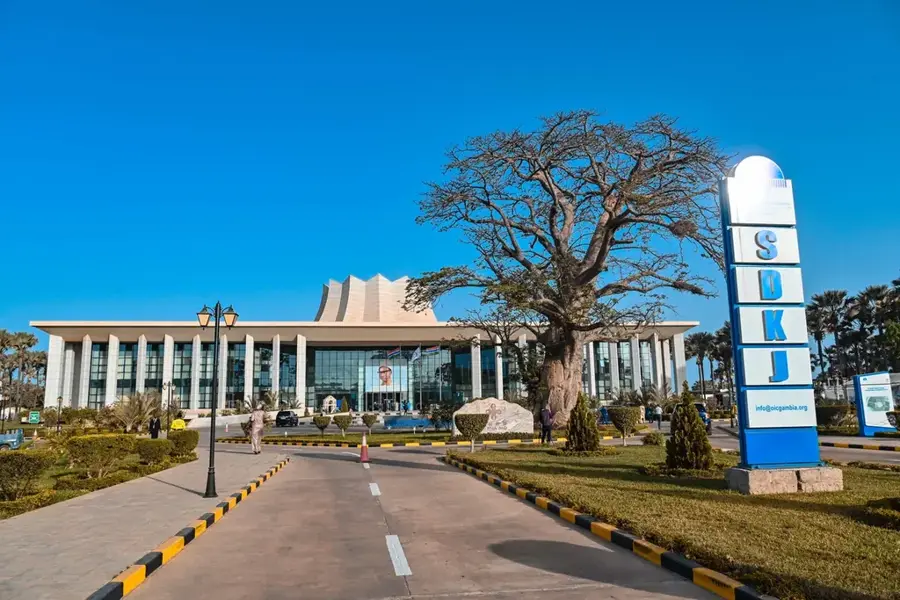
Sir Dawda Kairaba Jawara Conference Center
A state-of-the-art international conference center in Bijilo, used for summits and major events.
Learn more →
Independence Stadium
The national stadium of The Gambia in Bakau, used for football matches, concerts, and political events.
Learn more →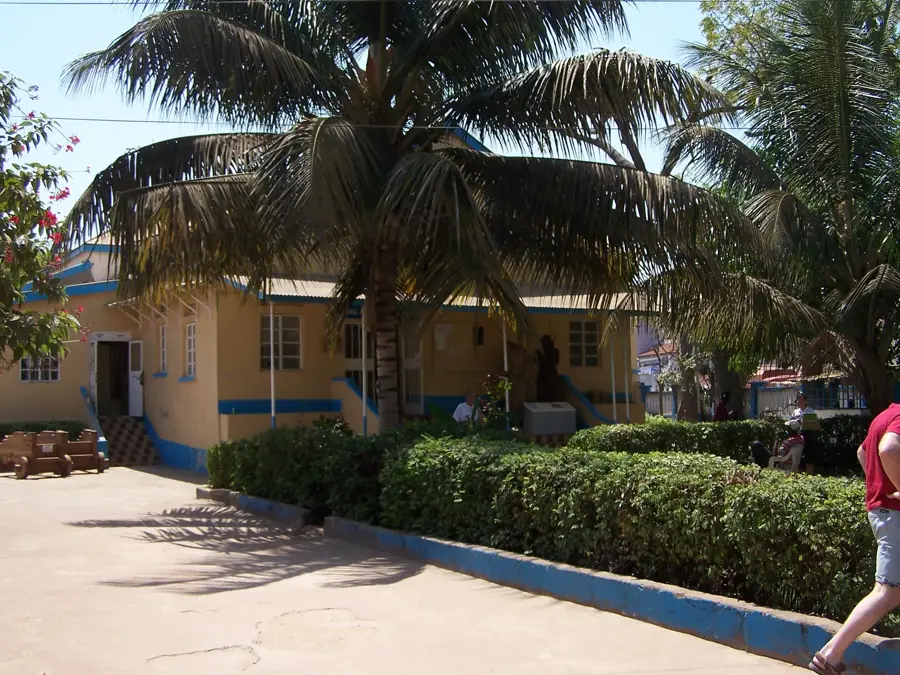
National Museum of The Gambia
A museum in Banjul showcasing the history, culture, and ethnography of The Gambia through various exhibits.
Learn more →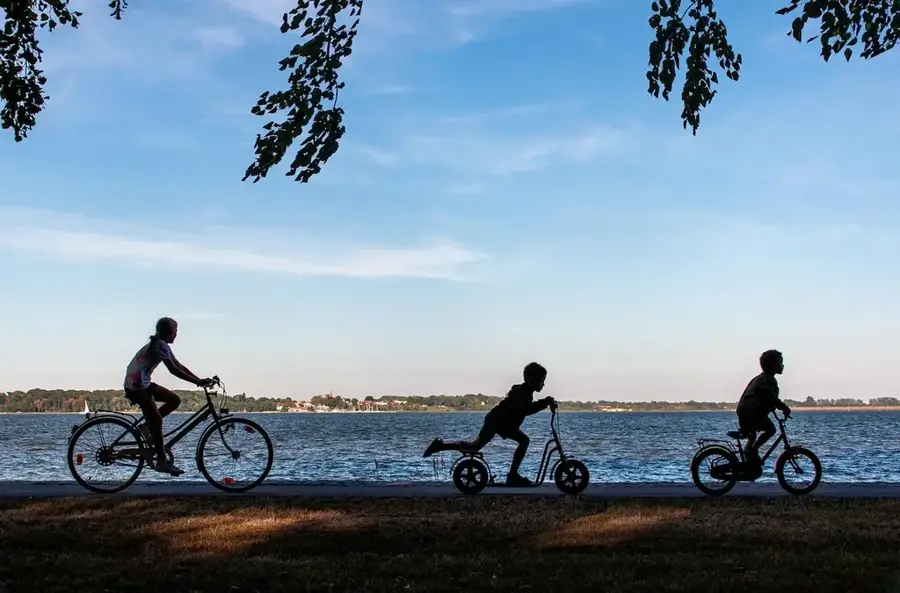
Freedom Tree of Janjanbureh
A historic symbol in Janjanbureh marking the spot where liberated slaves gained their freedom.
Learn more →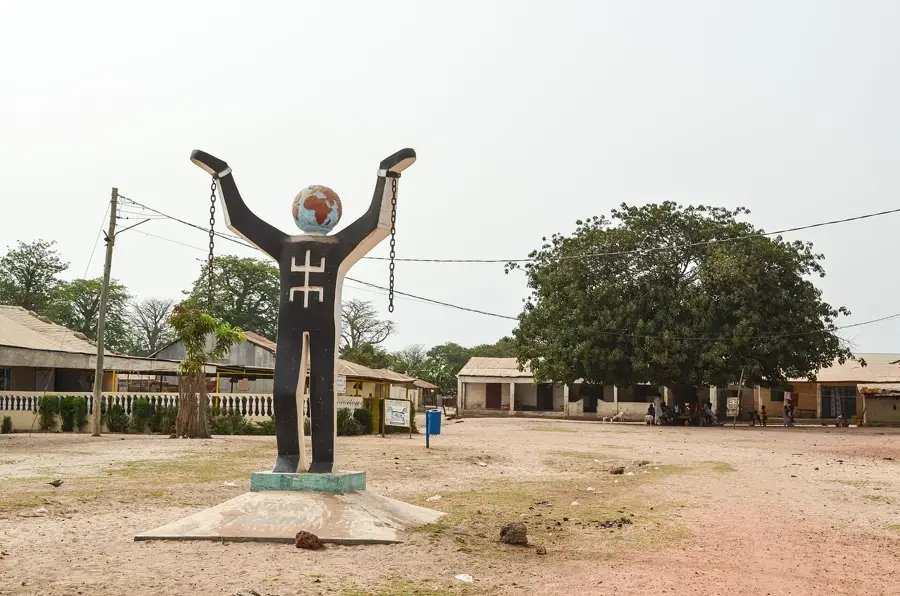
Juffureh Village
The village that became world-famous as the home of Kunta Kinte through Alex Haley's novel 'Roots'.
Learn more →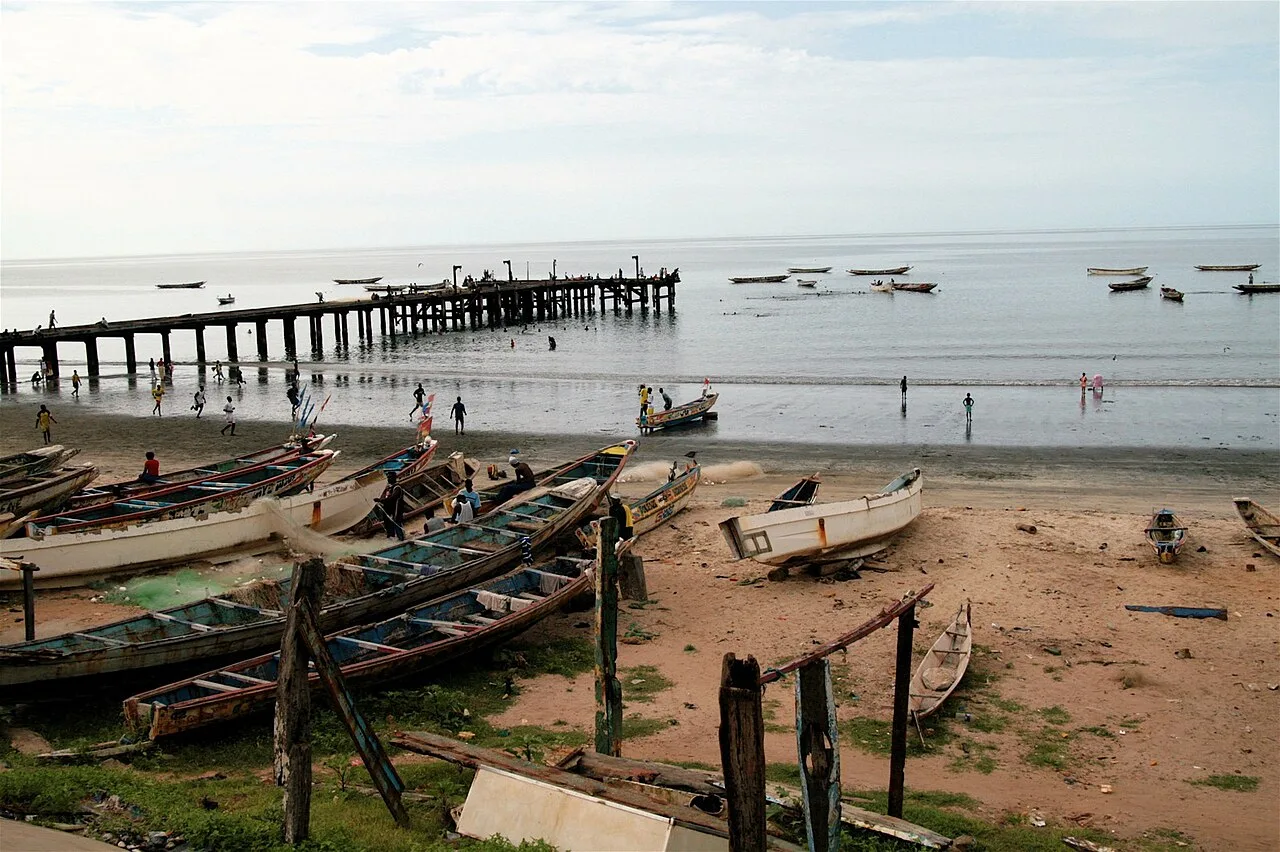
Kachikally Sacred Crocodile Pool
A centuries-old sacred pool in Bakau, famous for its tame crocodiles and fertility rituals.
Learn more →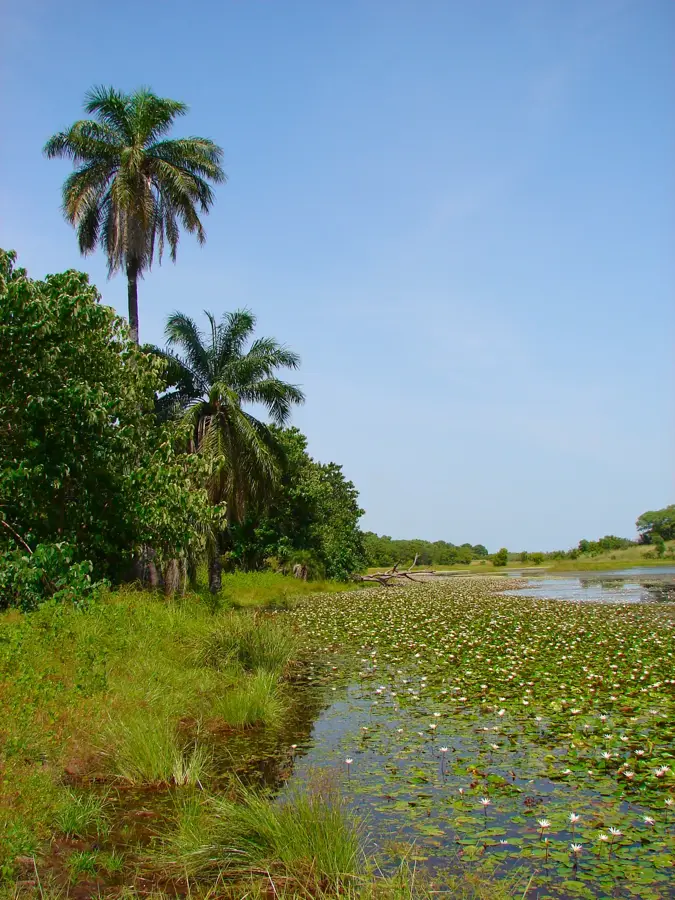
Kiang West National Park
One of the largest and most important national parks in Gambia, offering rich wildlife and untouched nature.
Learn more →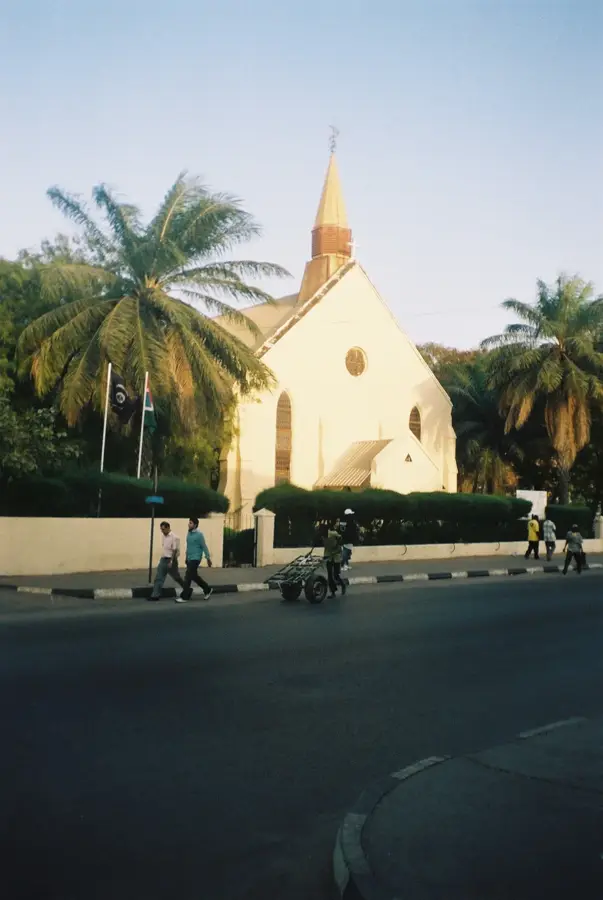
Albert Market
A vibrant and colorful market in Banjul, selling everything from food items to local handicrafts.
Learn more →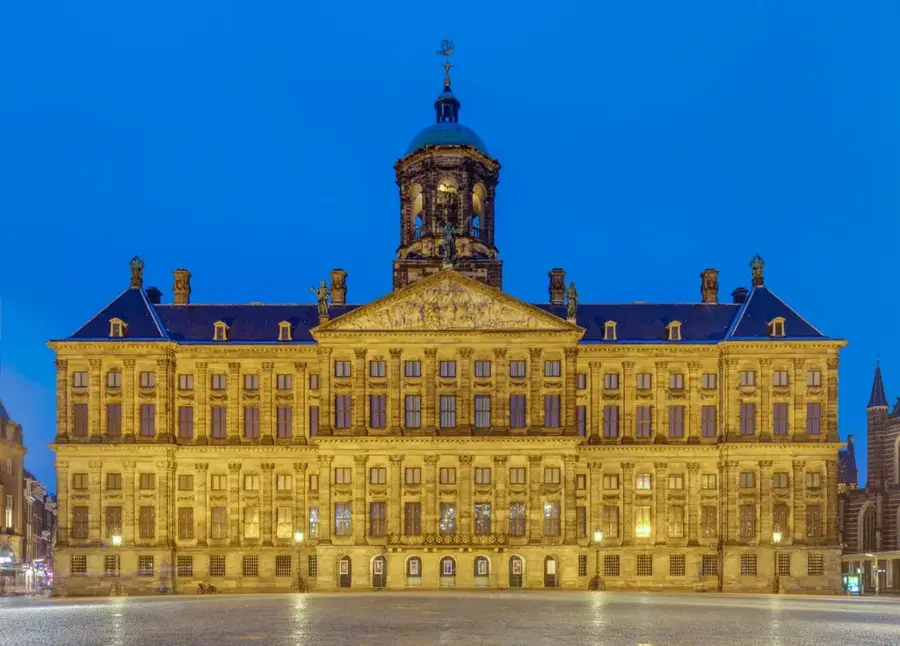
State House
The official residence and workplace of the President of The Gambia, a historic colonial-style building.
Learn more →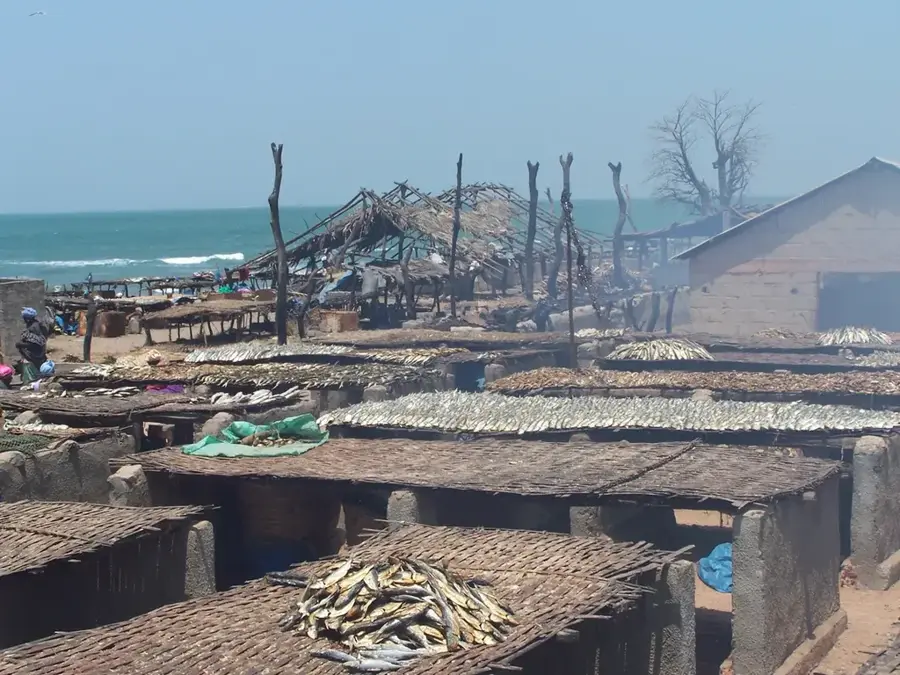
Tanje Village Museum
An open-air museum showcasing traditional Gambian village life, crafts, and natural history.
Learn more →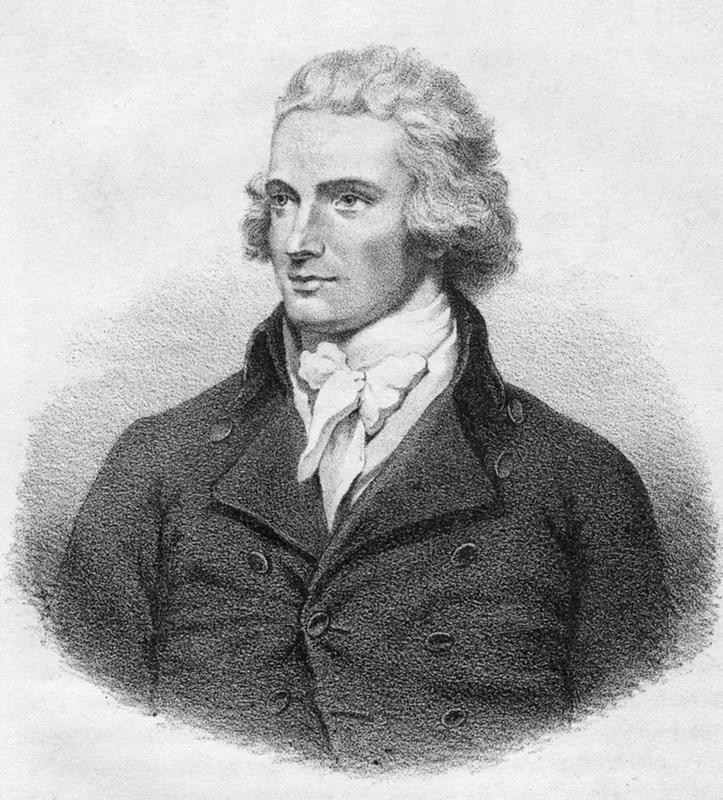
Mungo Park Memorial
A memorial in Janjanbureh dedicated to the Scottish explorer Mungo Park, who explored the Niger River.
Learn more →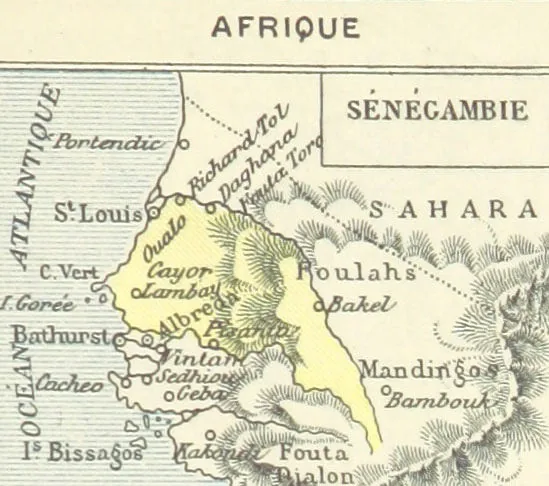
Senegambia Bridge
Also known as the Trans-Gambia Bridge, it connects the north and south banks of the Gambia River.
Learn more →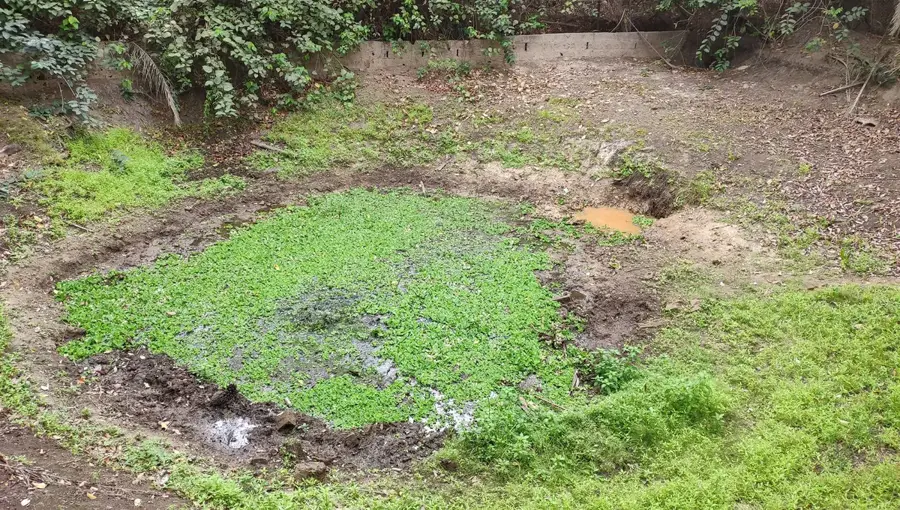
Folonko Sacred Crocodile Pool
A spiritual site in Kartong that plays a central role in local culture and tradition.
Learn more →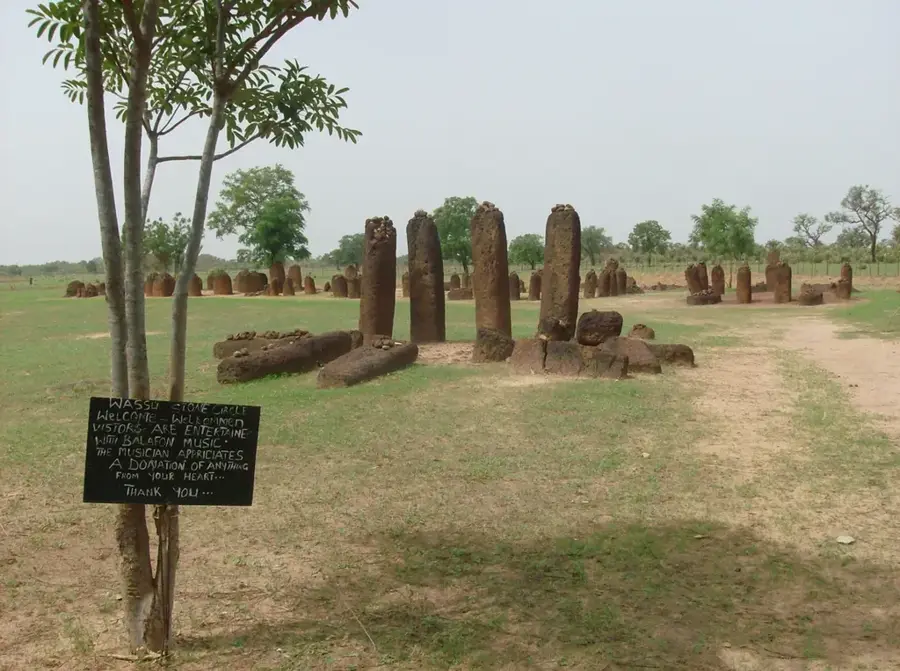
Kerbatch Stone Circles
Another significant megalithic site in The Gambia, part of the UNESCO World Heritage listing.
Learn more →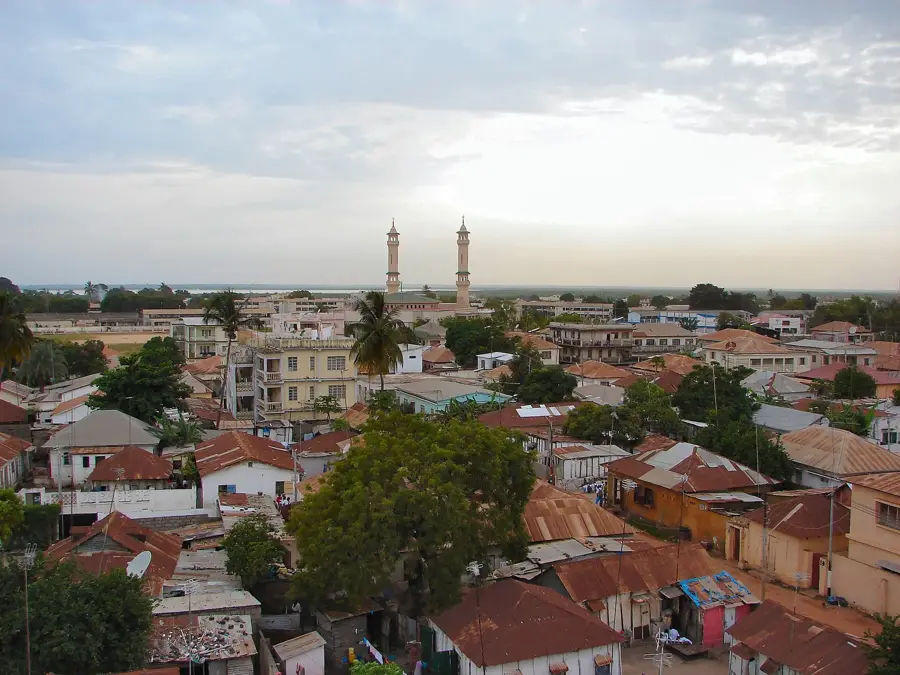
King Fahad Mosque
The largest mosque in Banjul and a major religious landmark of the capital city.
Learn more →Nature
More highlights
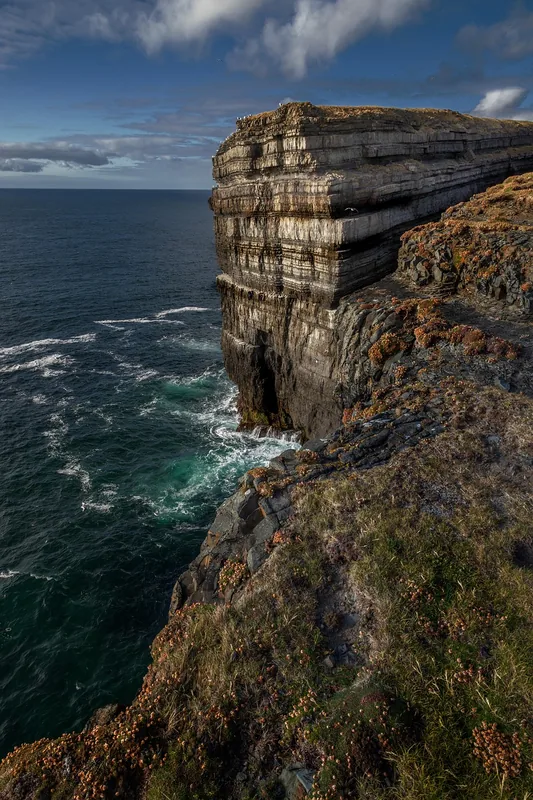
Tumani Tenda Cliffs
Erosion cliffs on the banks of the Gambia River near Tumani Tenda, marking the transition from the highlands to the river marshes.
Learn more →
Fajara Cliffs
Striking sandstone cliffs on the Atlantic coast near Bakau, offering a wide view over the ocean.
Learn more →
Red Rock (Highest Point)
The highest point in the Gambia is located in the east of the country near the border with Senegal.
Learn more →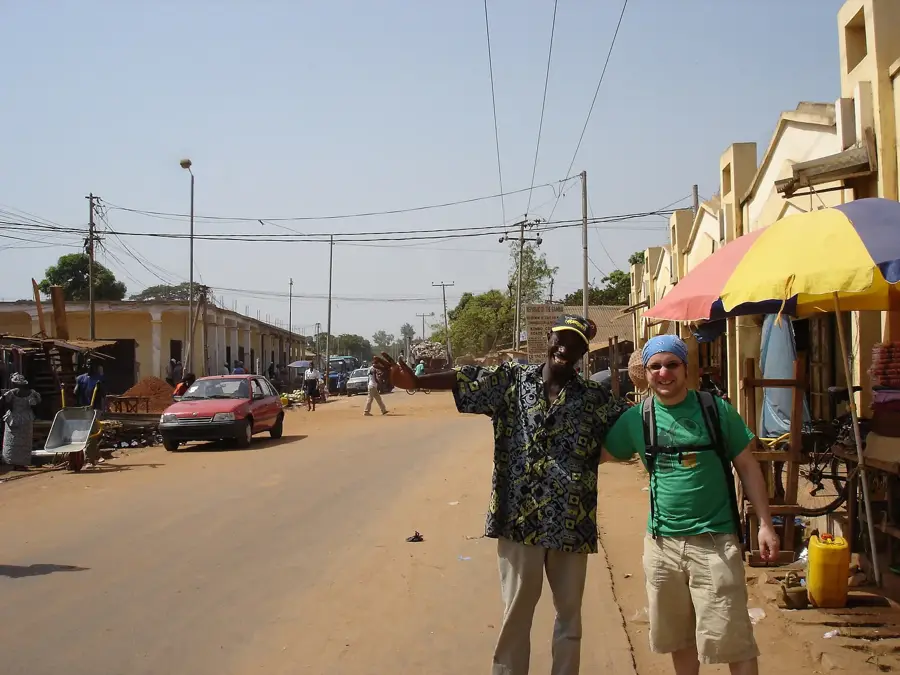
Brikama Plateau
An elevated laterite terrace in the coastal hinterland on which the town of Brikama is situated.
Learn more →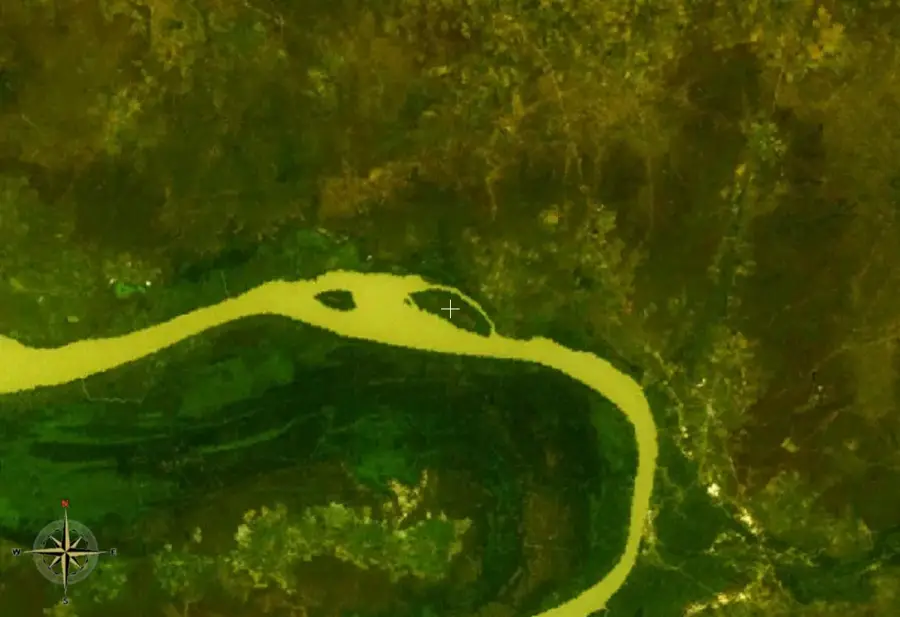
Nianija Hills
A group of low hills in the north of the Central River Region, near the border with Senegal.
Learn more →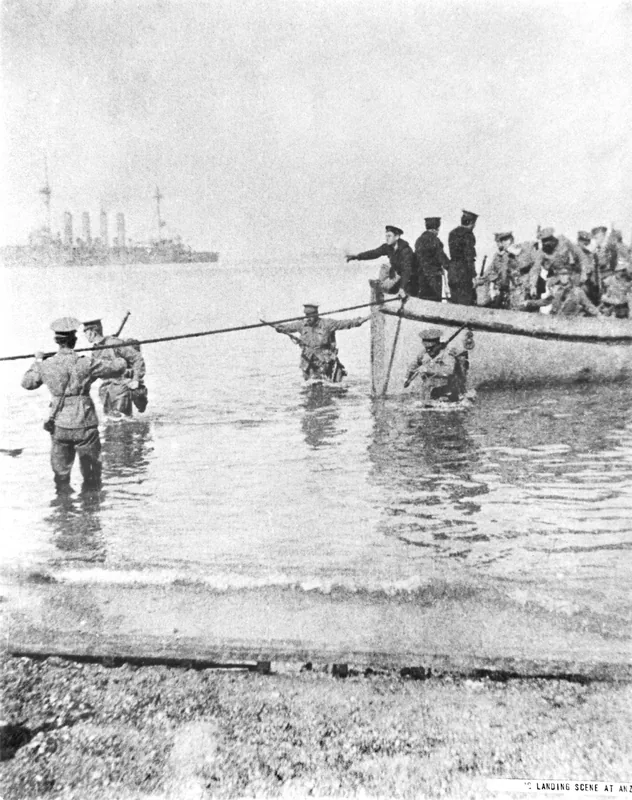
Sami Plateau
A vast, dry plateau in the east of the Central River Region.
Learn more →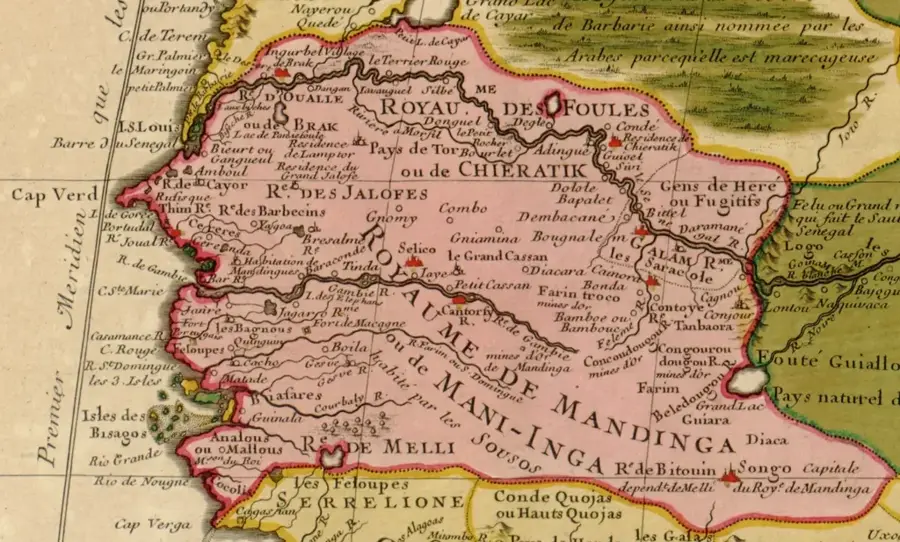
Niumi Dunes
Coastal dunes in the Niumi National Park, separating the beach from the inland wetlands.
Learn more →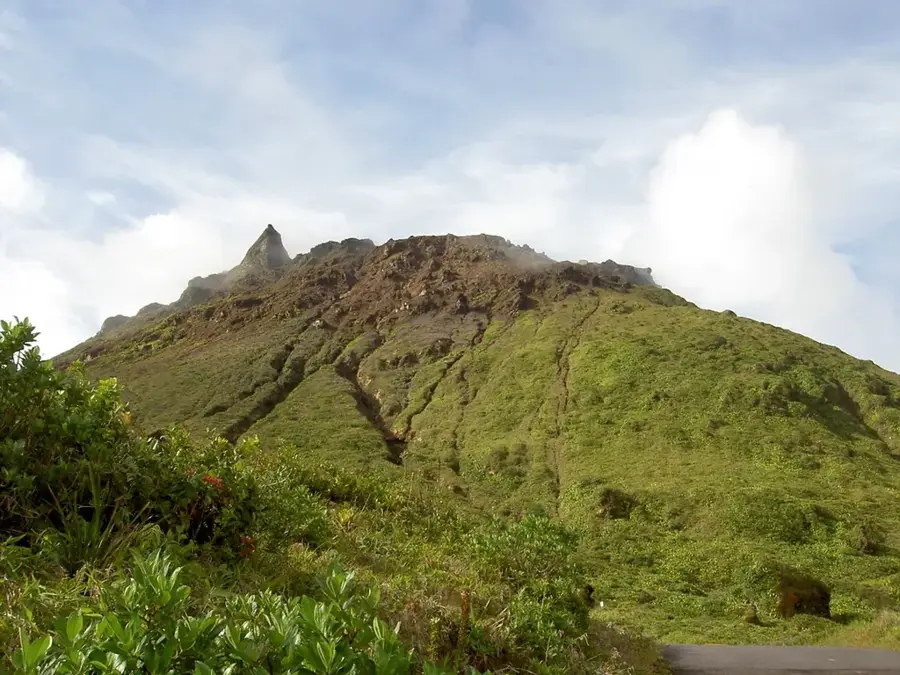
Basse Plateau
An elevated plateau in the far east of the Gambia, dominating the surroundings of Basse Santa Su.
Learn more →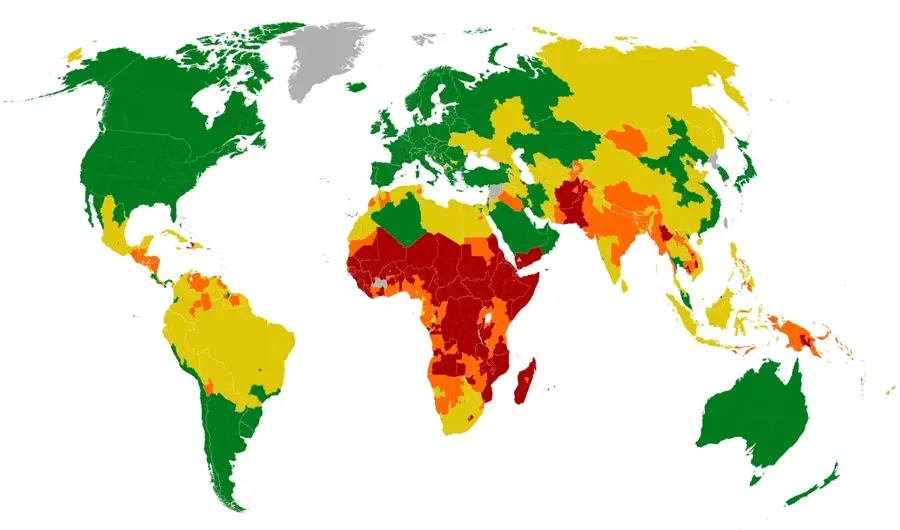
Kuntaur Highlands
One of the few gently rising hilly landscapes in the Gambia, rising above the Gambia River valley.
Learn more →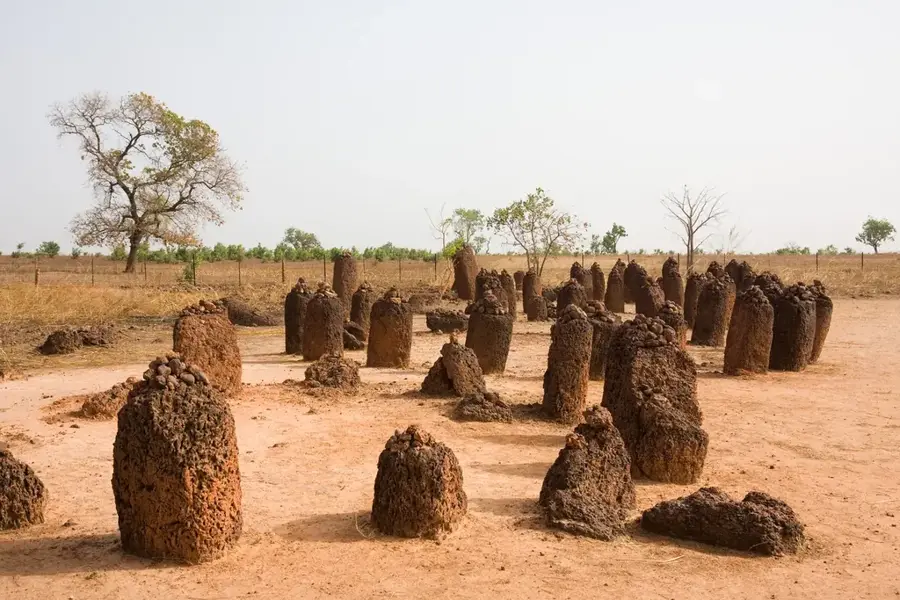
Wassu Stone Circles
The most famous megalithic site in West Africa and a UNESCO World Heritage site, consisting of precisely arranged laterite pillars.
Learn more →
Bakau Botanical Garden
A peaceful garden near the coast housing a collection of tropical plants and trees, as well as many bird species.
Learn more →
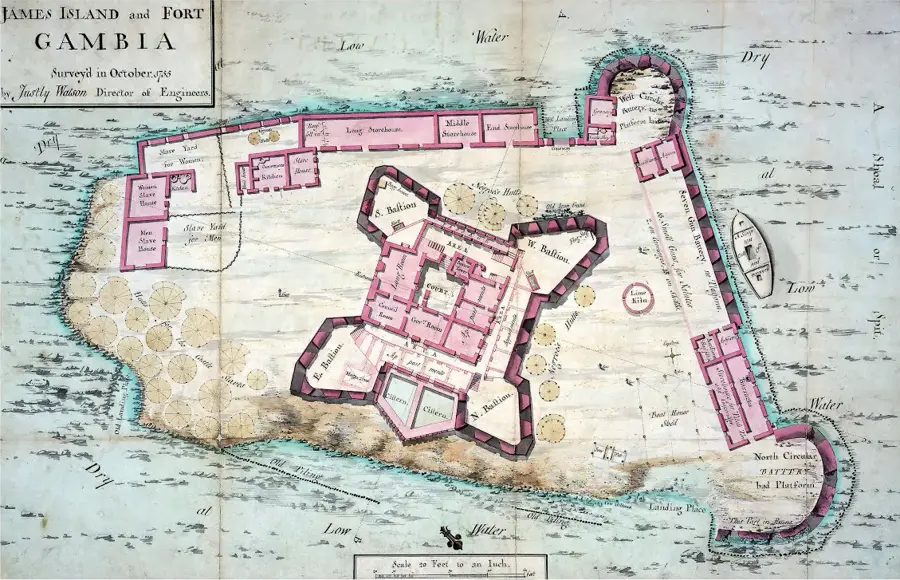
Fort Bullen
A British fort near Barra, built in 1826 to suppress the illegal slave trade at the river's mouth.
Learn more →
Janjanbureh Slave House
A historic building in Janjanbureh that commemorates the island's history as a resettlement site for liberated slaves.
Learn more →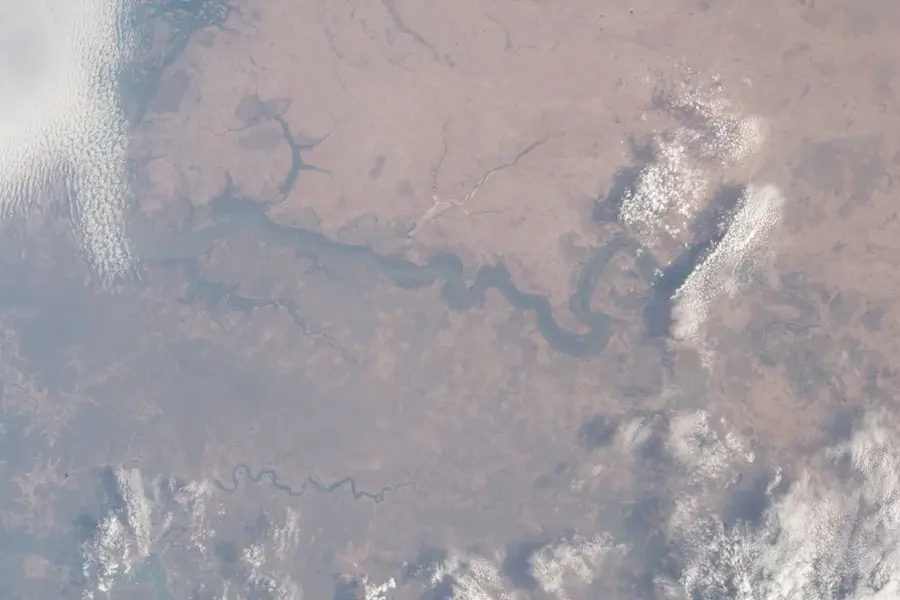
Njau Recycling & Learning Center
An innovative center where women turn local plastic waste into useful items and provide environmental education.
Learn more →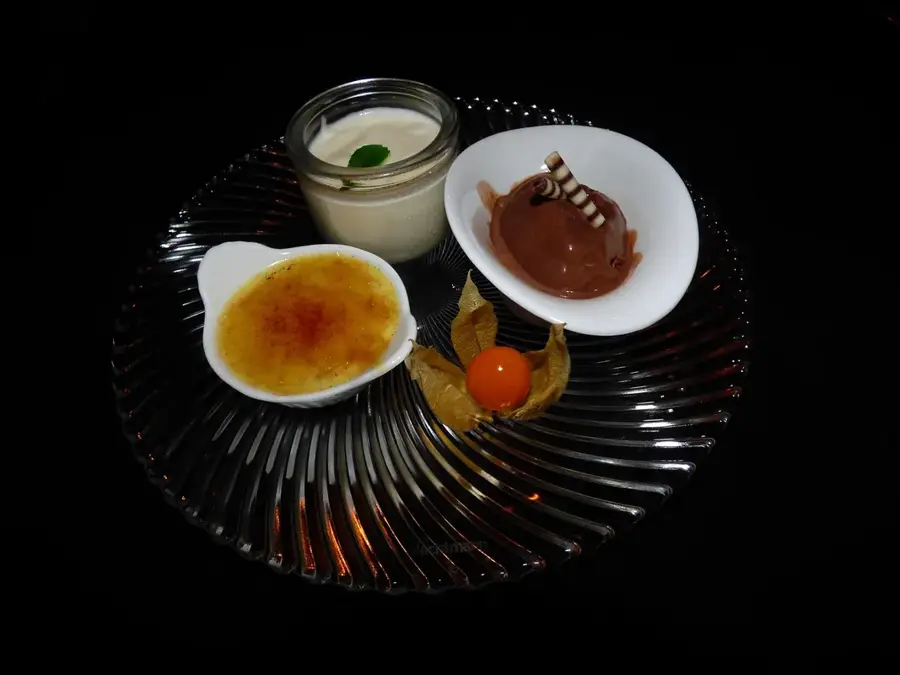
Mussa Molloh's Tomb
The burial site of the last great King of Fuladu, who played a central role in the resistance against colonial powers.
Learn more →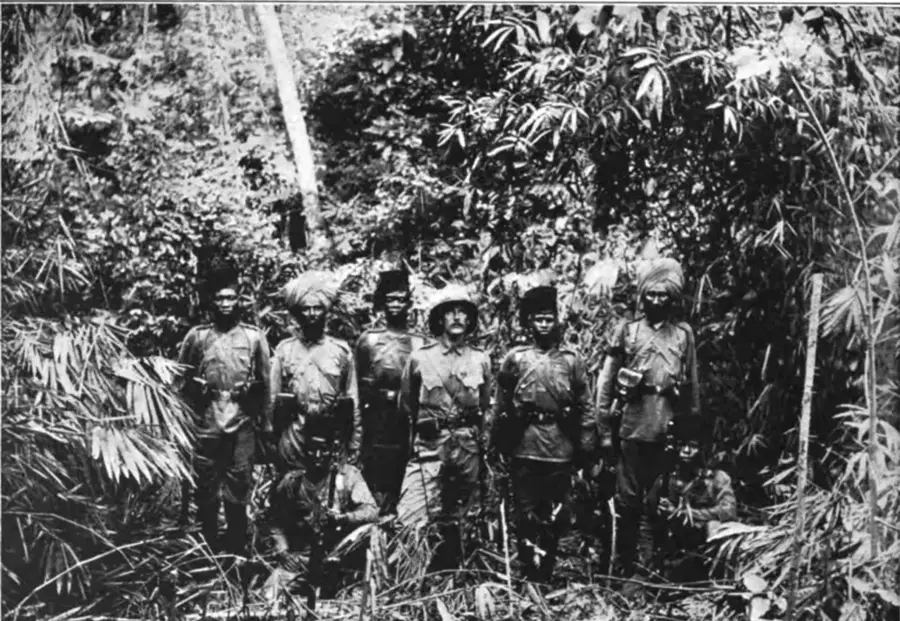
Sankandi Battlefield
Site of a historically significant battle in 1900, which was a decisive moment in the colonization of The Gambia.
Learn more →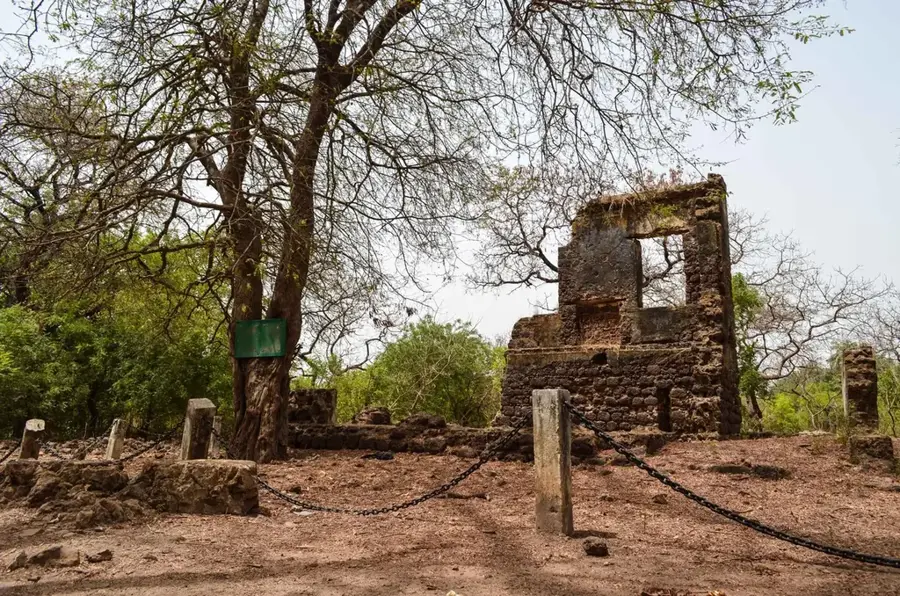
San Domingo Ruins
Remains of a 15th-century Portuguese settlement, which is among the oldest European traces in West Africa.
Learn more →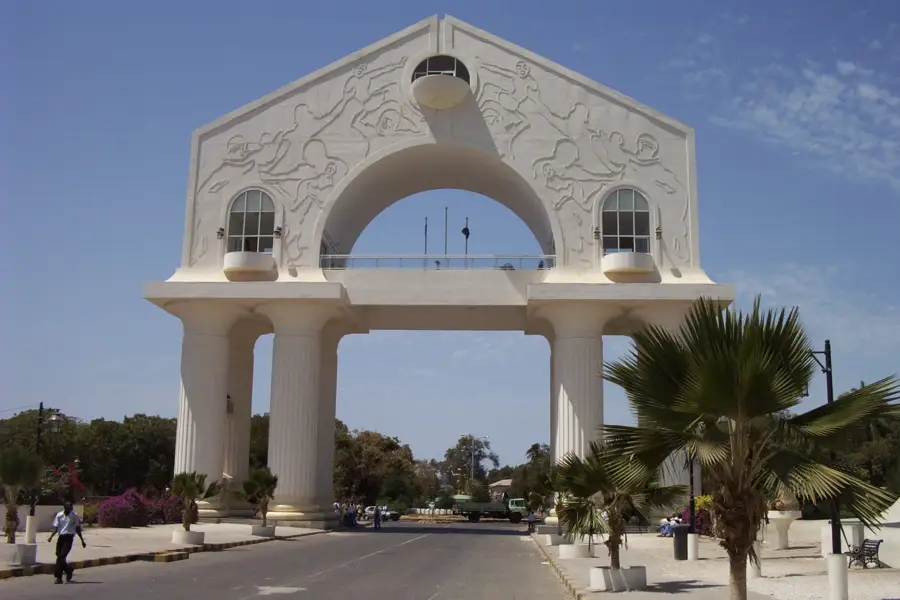
Arch 22
A monumental triumphal arch at the entrance to Banjul, commemorating the peaceful military coup of July 22, 1994.
Learn more →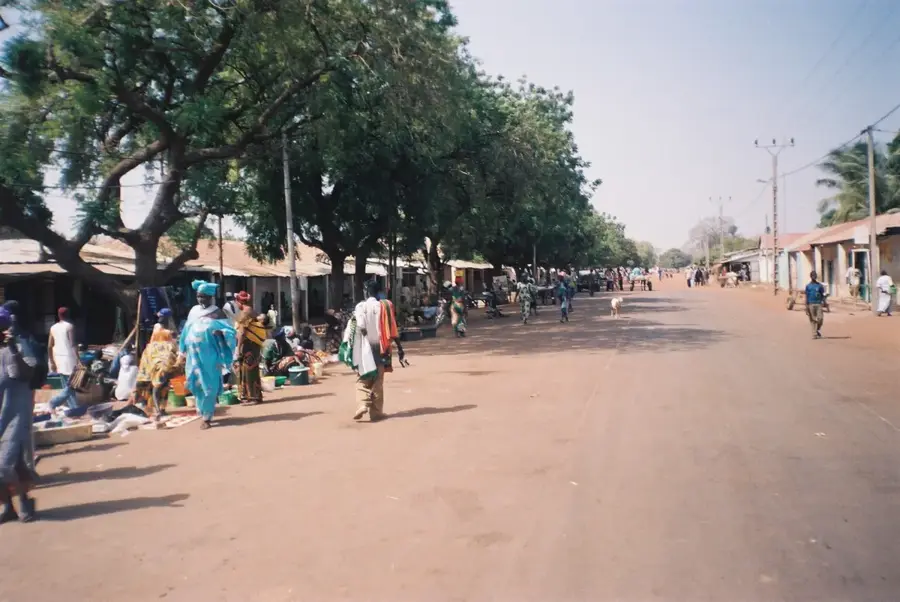
Farafenni Livestock Market
A major regional market for trading cattle, sheep, and goats, central for the region's livestock farmers.
Learn more →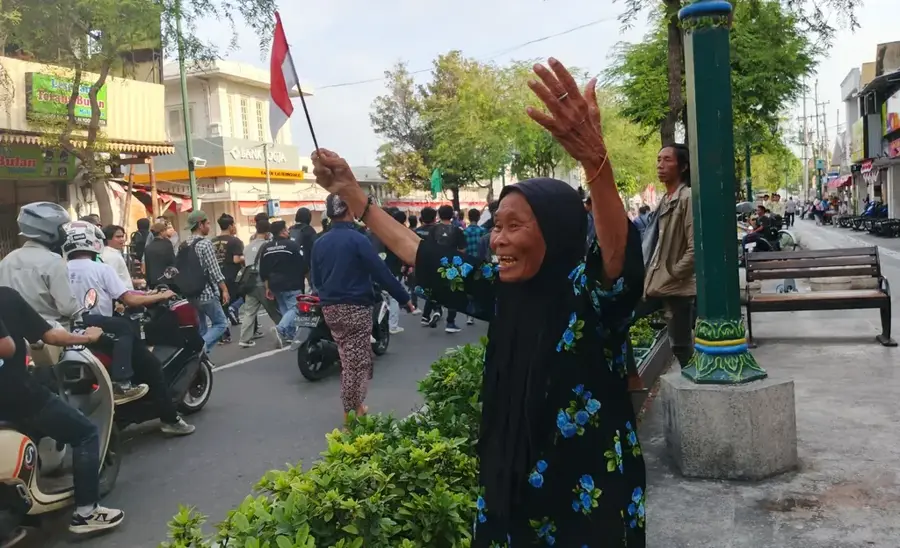
Sapu Rice Research Station
A major agricultural research center focused on improving rice cultivation in the Gambia River valley.
Learn more →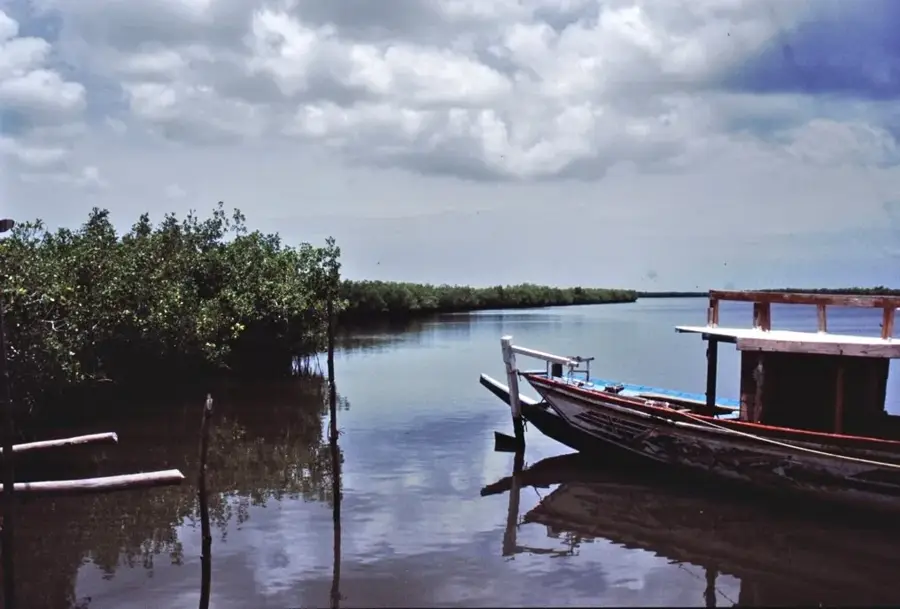
Lamin Lodge & Mangroves
A restaurant built on stilts and a tour starting point leading deep into the mangrove swamps of the Tanbi Wetland.
Learn more →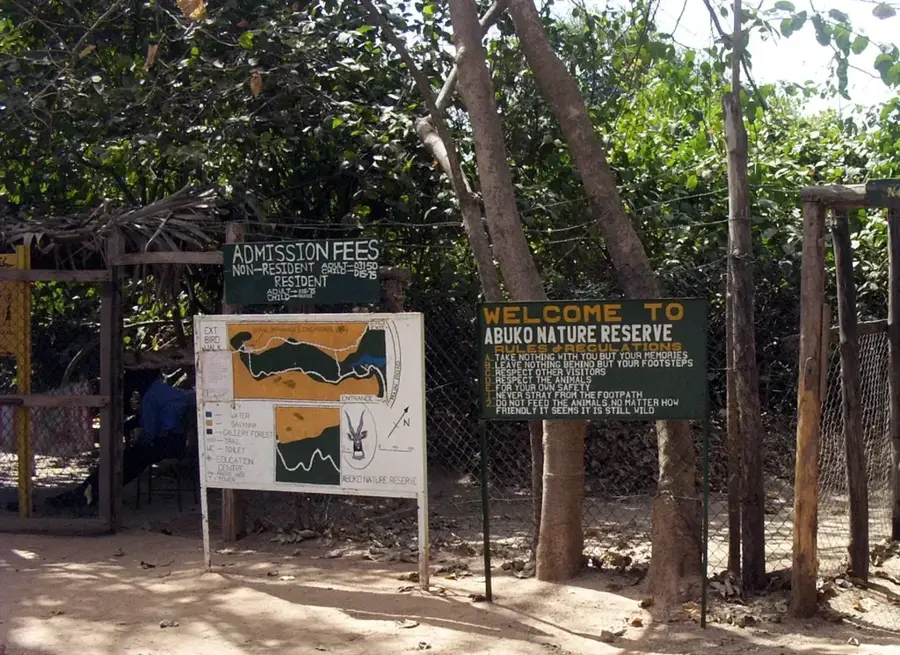
Abuko Nature Reserve
The Gambia's first nature reserve is home to an amazing variety of animals in a protected forest area.
Learn more →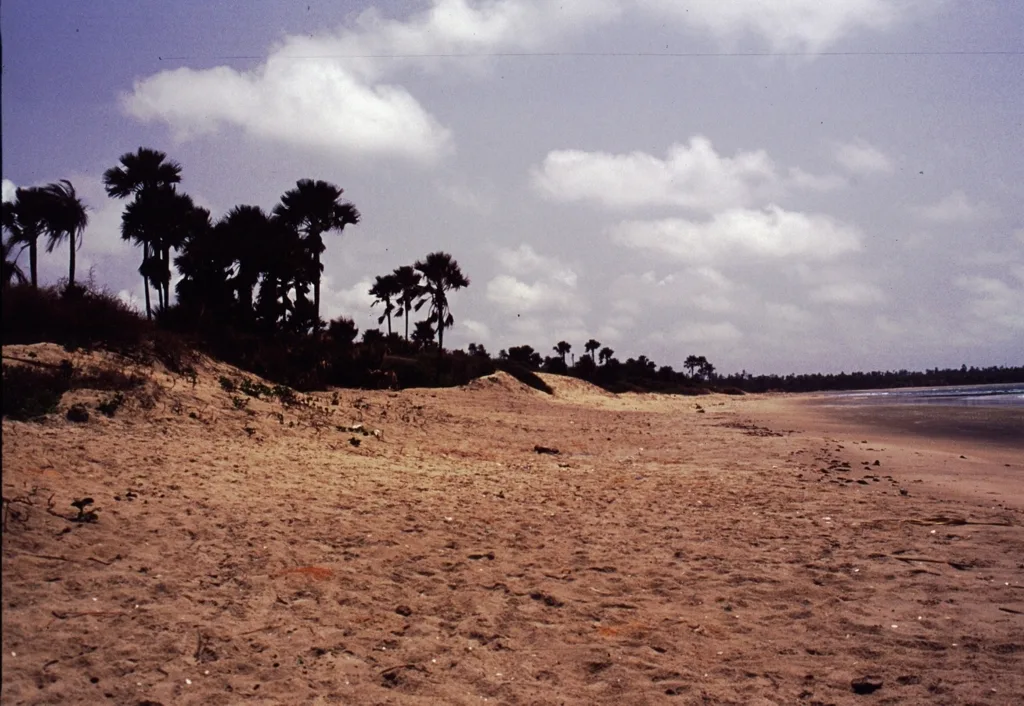
Gunjur Turtle Conservation
A community-based project dedicated to protecting endangered sea turtles that nest on the beaches of Gunjur.
Learn more →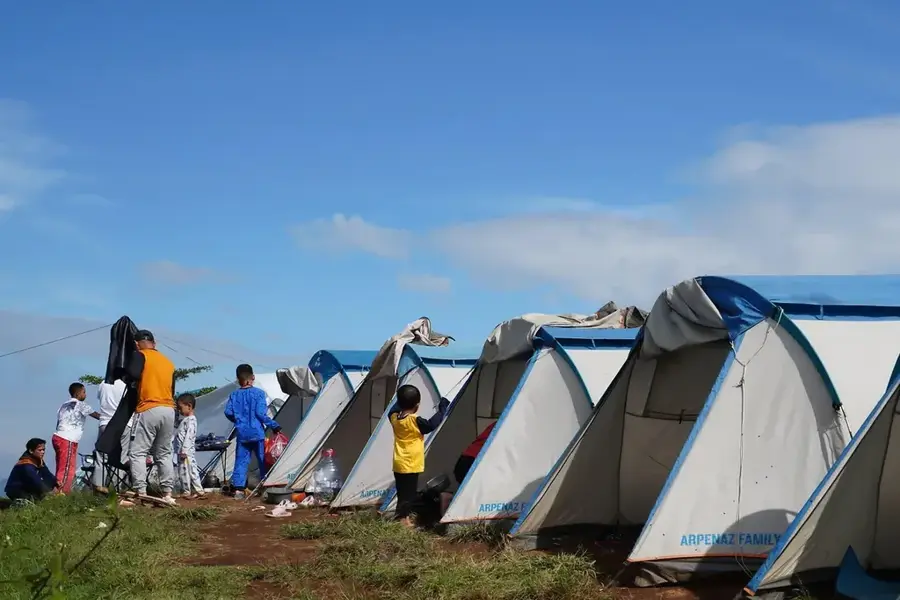
Marakissa River Camp
A nature camp on the riverbanks known for its exceptional bird diversity and peaceful setting.
Learn more →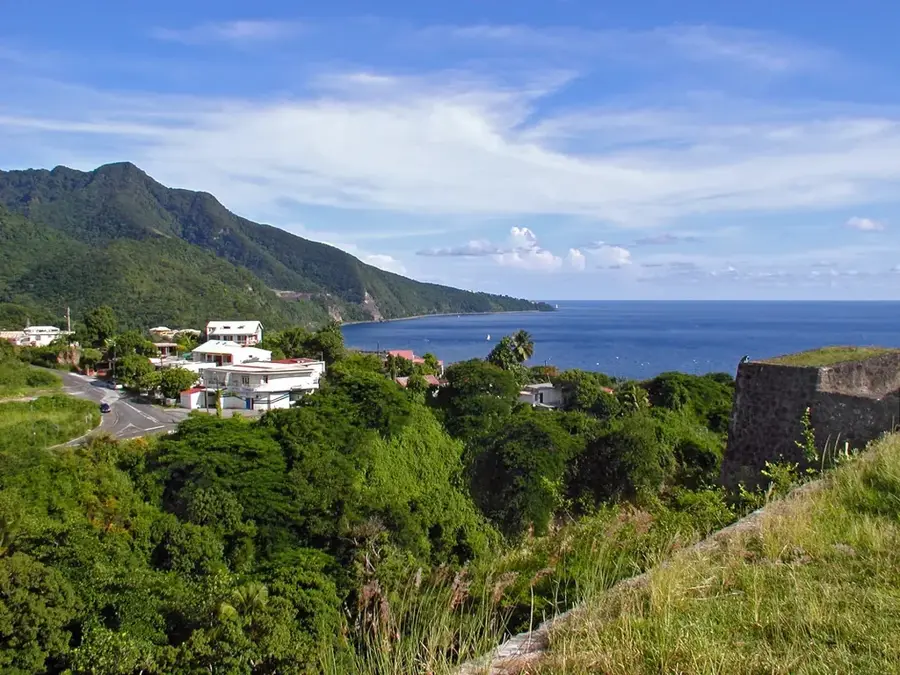
Basse Colonial Quarter
The historic quarter of Basse Santa Su with its old warehouses from the peak of the peanut trade era.
Learn more →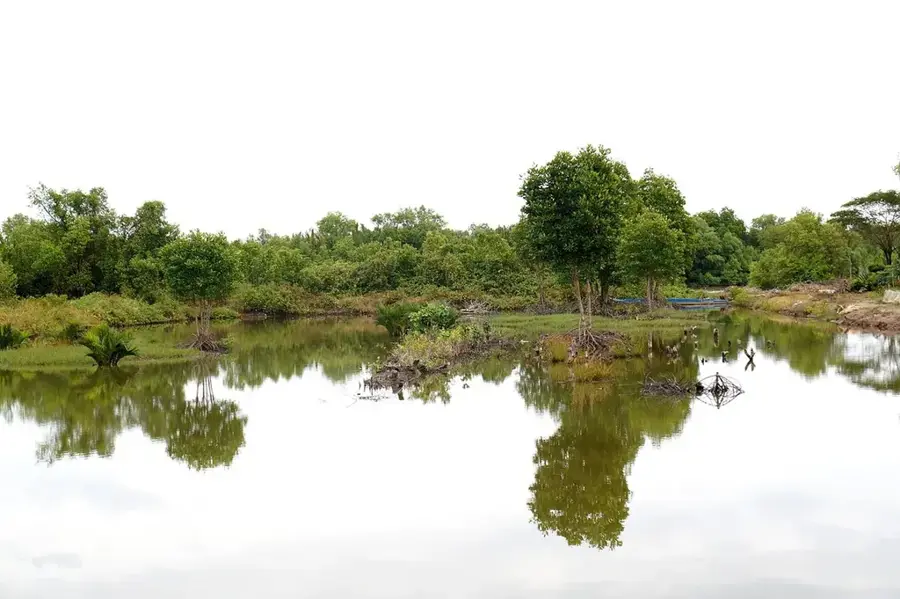
Pirang Shrimp Farm
One of the largest aquaculture facilities in The Gambia, specialized in sustainable shrimp farming.
Learn more →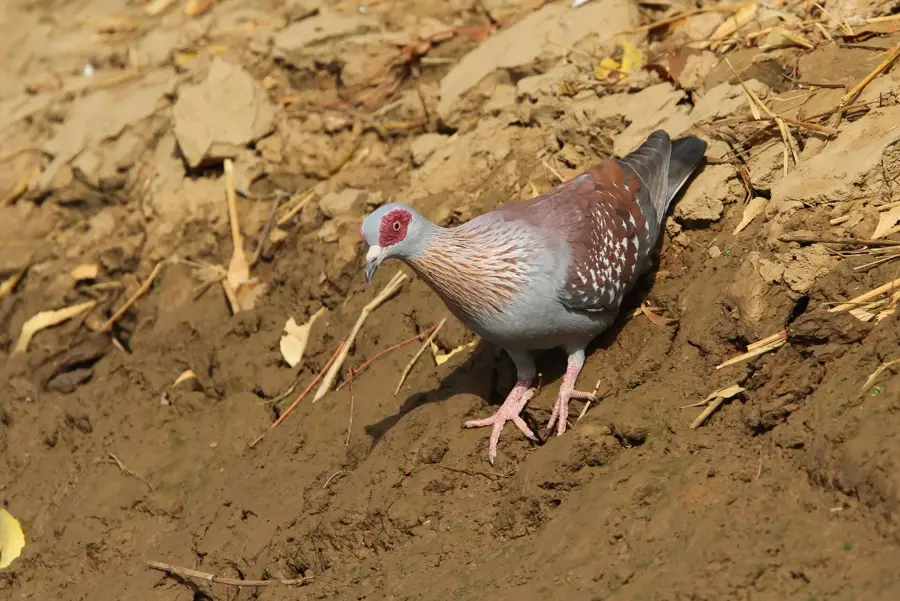
Basse Santa Su Peanut Fields
Extensive agricultural lands in eastern Gambia where the country's most important export crop is grown.
Learn more →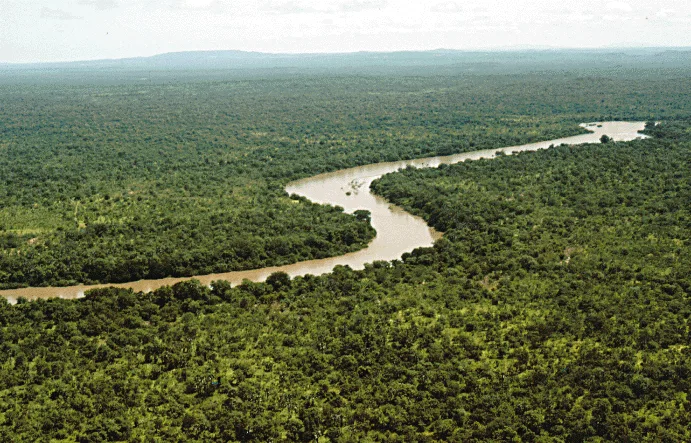
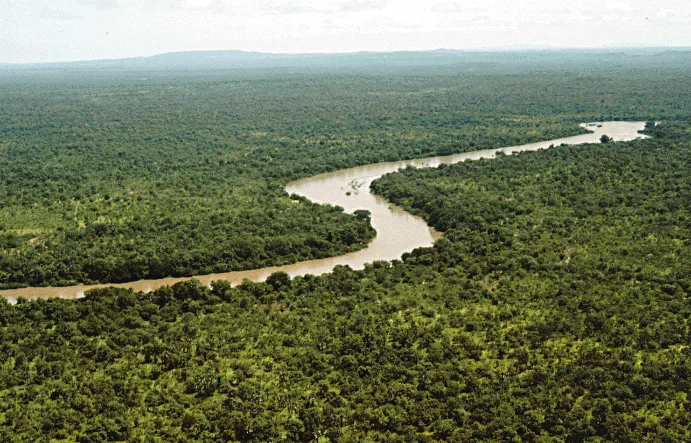
River Gambia National Park
This park includes five islands in the river and is famous for its chimpanzee reintroduction projects.
Learn more →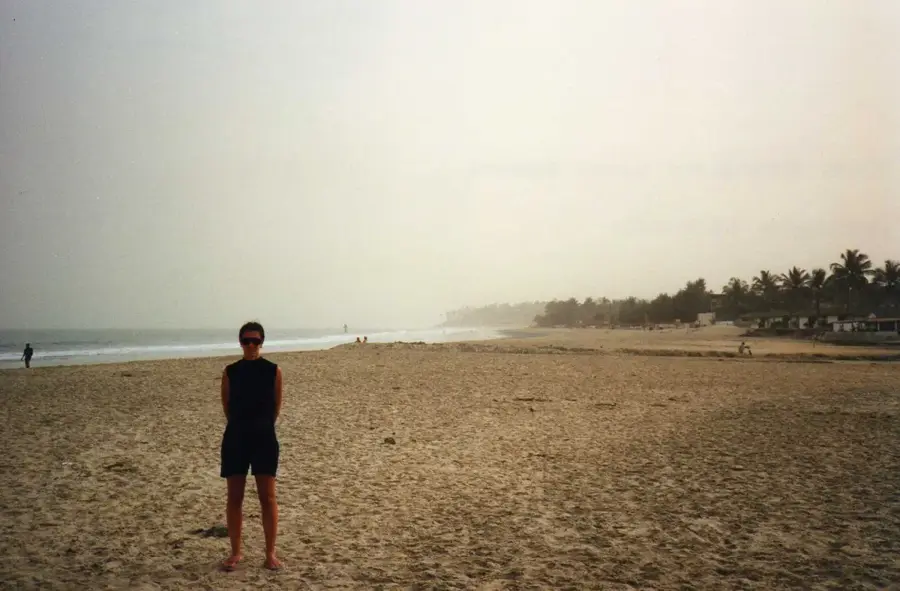
Kotu Beach
A popular beach stretch with many hotels, which also offers good opportunities for bird watching.
Learn more →
Bwiam Stone Circle
A significant prehistoric monument in the West Coast Region, part of the extensive megalithic culture.
Learn more →Frequently asked questions
What are the top attractions in Gambia?
Among the most popular are Makasutu Culture Forest, Denton Bridge, Albreda Historical Site, Sir Dawda Kairaba Jawara Conference Center, Independence Stadium and many more – the full top 50 list is on this page.
When is the best time to visit Gambia?
May to October offers the most pleasant weather; July and August are warmest and busiest.