Plizio Visual Lab
Hajjah Mountains
Weather…
Water temperature…
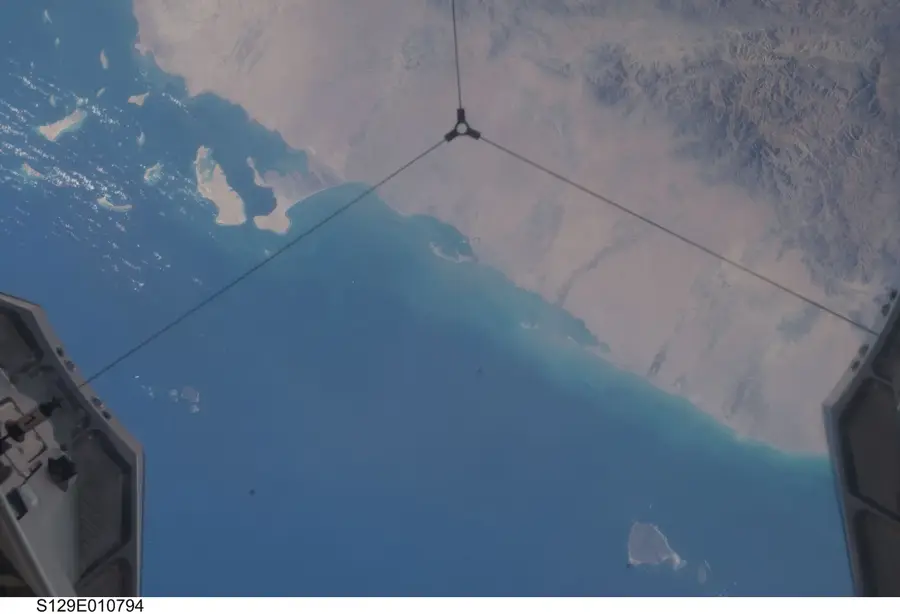
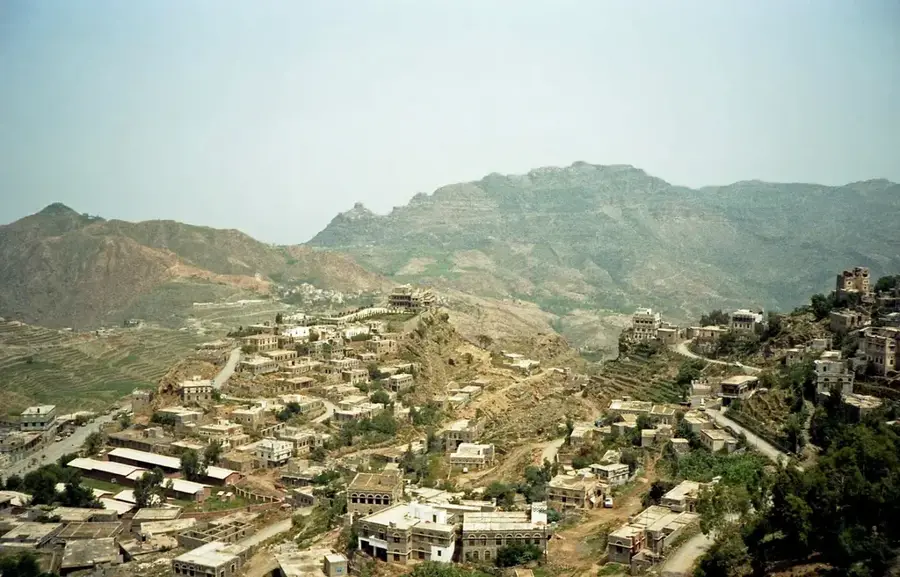
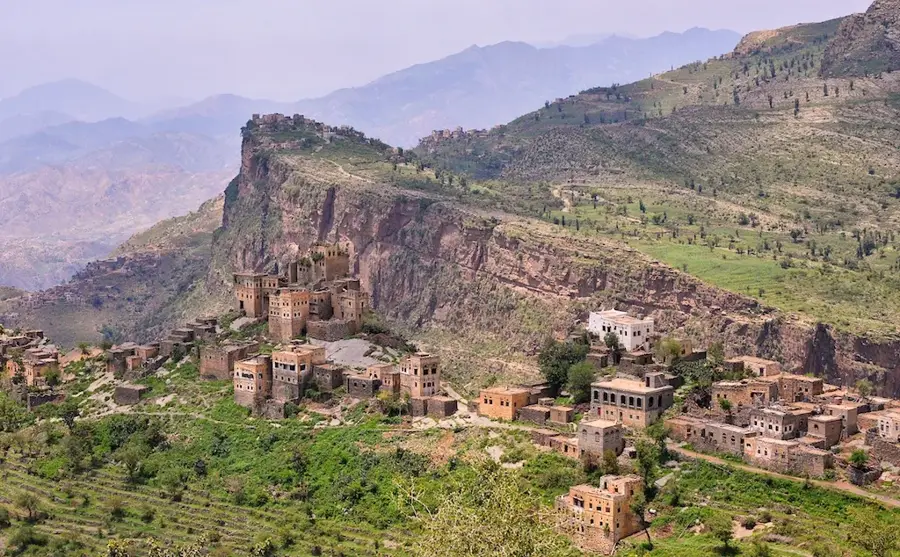
The Hajjah Mountains in northwestern Yemen constitute one of the country's most rugged and agriculturally vital highland regions, famous for their spectacular terrace farming. Over centuries, the steep slopes of granite and sandstone have been meticulously transformed into fertile steps used for growing cereals, pulses, and high-quality Yemeni coffee. Historically, the inaccessible mountain peaks served as strategic strongholds and natural fortresses, with villages like Kohlan Affar standing as prime examples of defensive architecture blended into the rock. At altitudes exceeding 2,500 meters, the climate is significantly cooler and wetter than the scorching Tihama plain below, supporting dense human settlements. The local architecture is characterized by the use of massive stone blocks, making the buildings appear as an organic extension of the cliffs themselves. Water management in this vertical landscape relies on traditional cisterns and channels that capture seasonal rainfall to sustain crops throughout the year. Geologically, these mountains are part of the western Yemeni highlands formed by tectonic uplift during the creation of the Red Sea. Today, Hajjah remains a symbol of human resilience and ingenuity in adapting to some of the most challenging terrains on the Arabian Peninsula.
- Location: Yemen
- Top sights: Jabal Ibrahim · Cairo castle-Hajja · Jabal Sid
- Nearby: Bajil (67 km)
Best time to visit & climate
The most pleasant time to visit is Feb, Mar, Oct.
| Jan | Feb | Mar | Apr | May | Jun | Jul | Aug | Sep | Oct | Nov | Dec | |
|---|---|---|---|---|---|---|---|---|---|---|---|---|
| Avg °C | 18 | 19 | 21 | 23 | 25 | 26 | 25 | 24 | 25 | 21 | 19 | 18 |
| Rain mm | 2 | 1 | 2 | 8 | 3 | 1 | 8 | 10 | 1 | 2 | 4 | 6 |
📋 Practical info
Geography
Facts
- The mountains in the Hajjah region reach elevations of over 2,500 meters.
- Terrace farming has been practiced here for more than 1,000 years.
- Hajjah is a primary source for Yemen's world-renowned highland coffee.
- The fortress of Kohlan Affar is built on a nearly vertical rocky outcrop.
- Annual rainfall in these highlands can reach up to 600 mm.
- The geological foundation consists largely of Precambrian granite blocks.
Explore nearby
Notable places around
Route planner — Car & Motorhome
Where do you start? We build the route here, with stops and country notes along the way.
© OpenStreetMap contributors · OpenRouteService
Sights in the town Hajjah Mountains (4)
Sights nearby
Frequently asked questions
What is typical for the Hajjah Mountains?
Can you hike there?
Is the terrain demanding?
Are there restaurants?
How is the weather?
Hajjah Mountains: where is it located?
Hajjah Mountains: what is there to see?
Hajjah Mountains: when is the best time to visit?
Hajjah Mountains: why is it worth visiting?

Nearby cities





History & landmarks
Nature

More places