Plizio Visual Lab
Vatican Railway Embankment
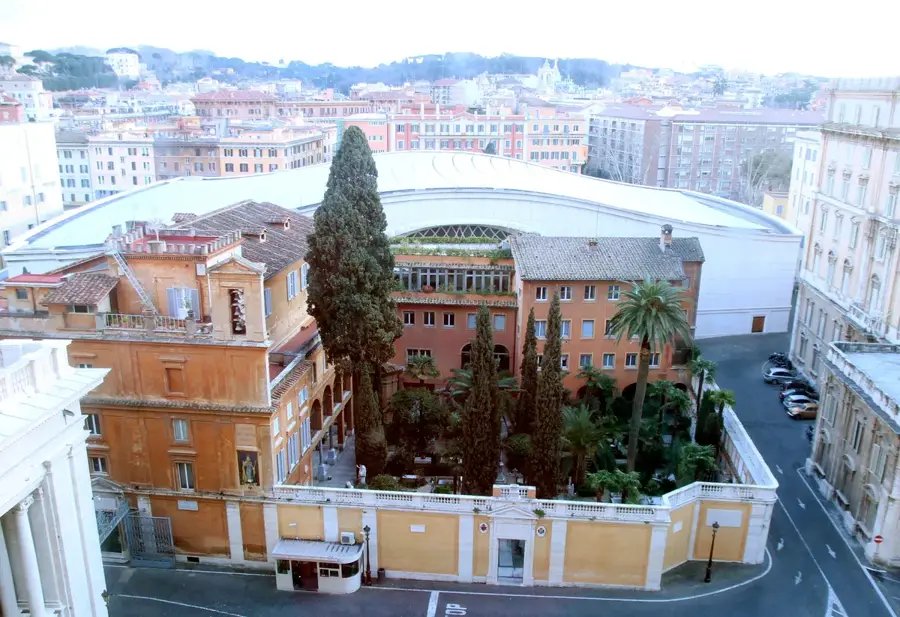
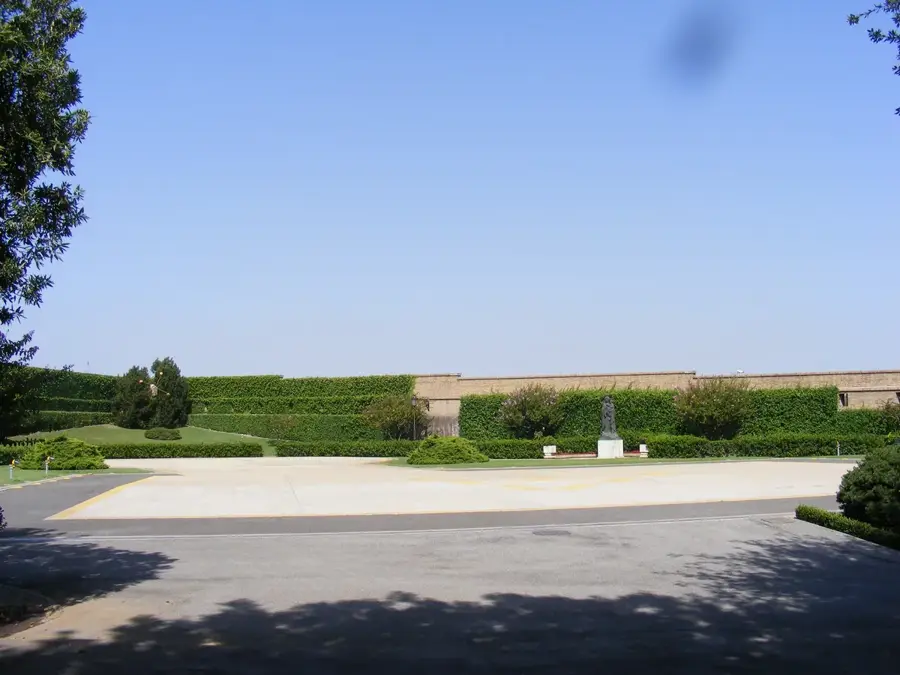
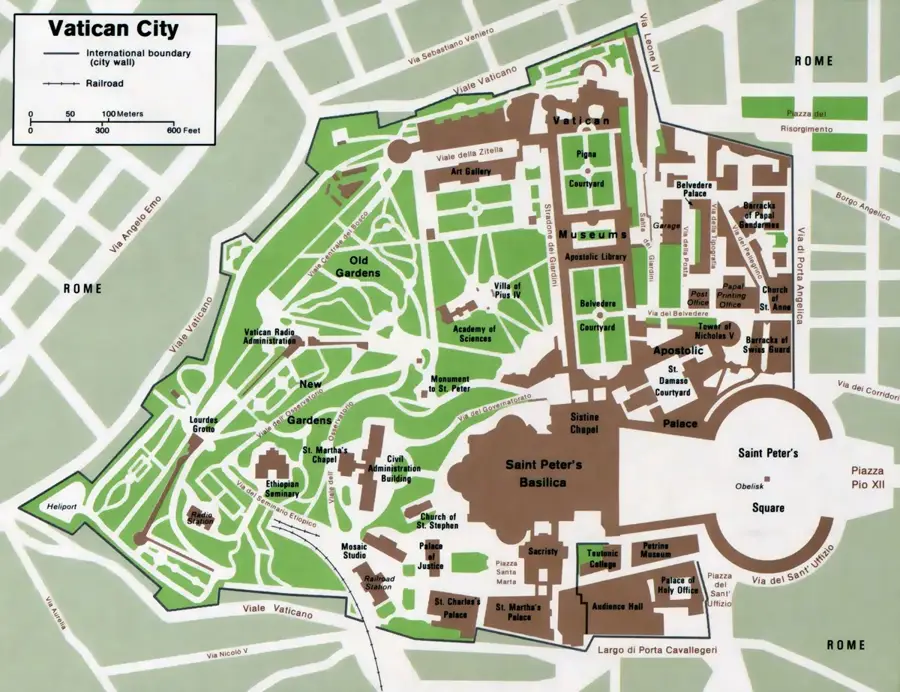
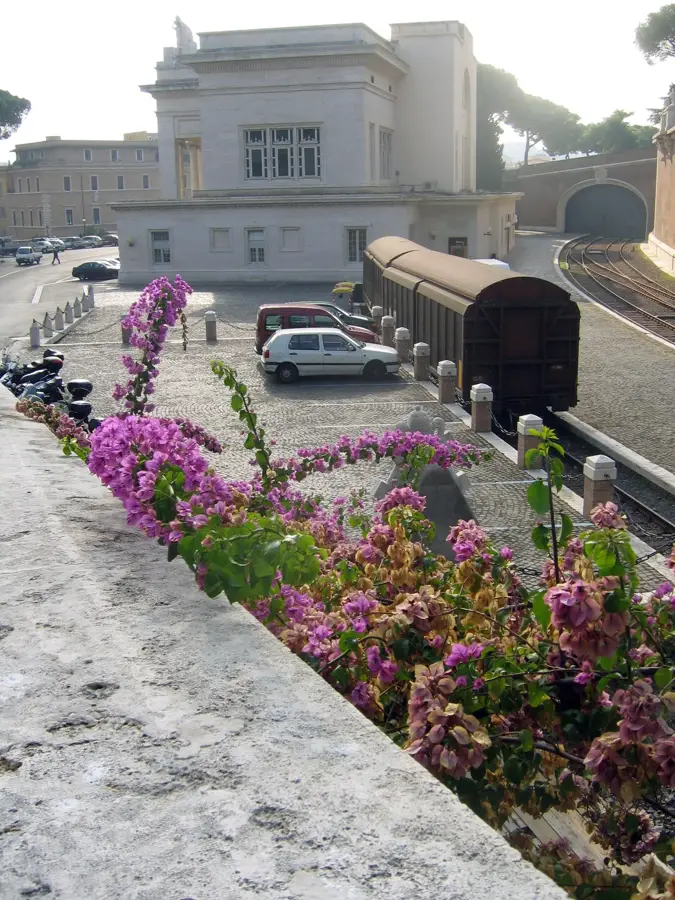
The Vatican railway embankment is a significant piece of 20th-century infrastructure that supports the world's shortest national railway line. Established following the Lateran Treaty of 1929, the embankment was engineered between 1929 and 1933 to elevate the tracks from the Italian rail connection at Roma San Pietro to the level of the Vatican's station. This artificial rise covers a distance of roughly 300 meters within the Vatican territory and is integrated into the southwestern landscape of the gardens. The construction required massive earthworks and reinforced stone retaining walls to navigate the natural depression at the base of the Vatican Hill. Historically, the railway provided the Holy See with logistical independence, facilitating the movement of goods and official state travel. Today, the embankment is part of a secure zone, bordered by high walls and lush Mediterranean vegetation. It serves as a physical reminder of the modernization of the papal state and continues to function for weekly tourist services connecting the Vatican to the apostolic palace at Castel Gandolfo.
- Location: Vatican
- Top sights: Saint Stephen of the Ethiopians · St Mary's Church · Vatican Hill
Best time to visit & climate
The most pleasant time to visit is May, Jun, Sep.
| Jan | Feb | Mar | Apr | May | Jun | Jul | Aug | Sep | Oct | Nov | Dec | |
|---|---|---|---|---|---|---|---|---|---|---|---|---|
| Avg °C | 7 | 8 | 10 | 14 | 18 | 23 | 26 | 26 | 21 | 17 | 12 | 8 |
| Rain mm | 73 | 77 | 69 | 56 | 57 | 34 | 26 | 26 | 70 | 82 | 114 | 92 |
📋 Practical info
Geography
Facts
- The railway line and embankment were completed in 1933.
- Total length of the tracks within Vatican City is approximately 300 meters.
- The embankment aligns with a two-arched bridge crossing the border.
- Constructed using high-quality stone to match the Vatican's architecture.
- Pope John XXIII was the first pope to use the line in 1962.
- The tracks are built to standard gauge (1,435 mm) used in Italy.
Explore nearby
Notable places around
Route planner — Car & Motorhome
Where do you start? We build the route here, with stops and country notes along the way.
© OpenStreetMap contributors · OpenRouteService
Sights in the town Vatican Railway Embankment (10)
Sacristy🏛 museum
Sacristy in Vatican City, used for storing liturgical items.
Dome of Saint Peter
Dome of St. Peter's Basilica, offering panoramic views of Rome.
Saint Peter's Basilica
Church in Vatican City, one of the most important Christian buildings.
Lourdes Grotto
Replica of the Lourdes grotto inside Vatican City, a quiet prayer site.
St John's Tower🗼 tower
Tower within Vatican City, part of its historic fortifications.
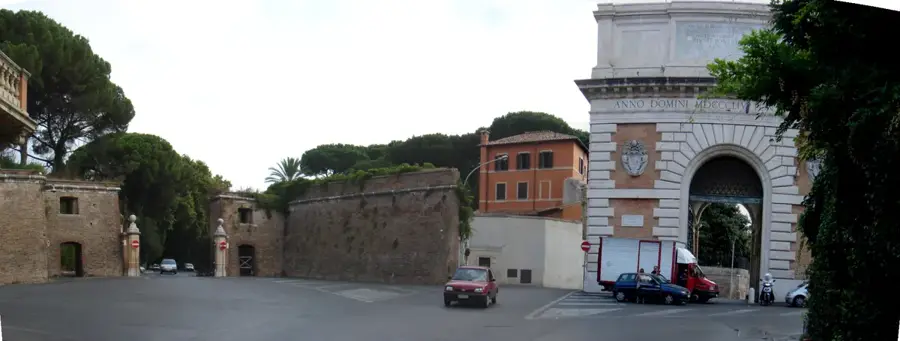
Porta Pertusa
City gate in Rome, providing access to Vatican City.
Sights nearby
Frequently asked questions
Does the Vatican have its own railway station?
Do regular trains run there?
How long is the track?
Where does the railway embankment lead?
When was the station opened?
Vatican Railway Embankment: where is it located?
Vatican Railway Embankment: what is there to see?
Vatican Railway Embankment: when is the best time to visit?
Vatican Railway Embankment: why is it worth visiting?

History & landmarks
Nature
More places