Plizio Visual Lab
Lebanon Cedars Slope
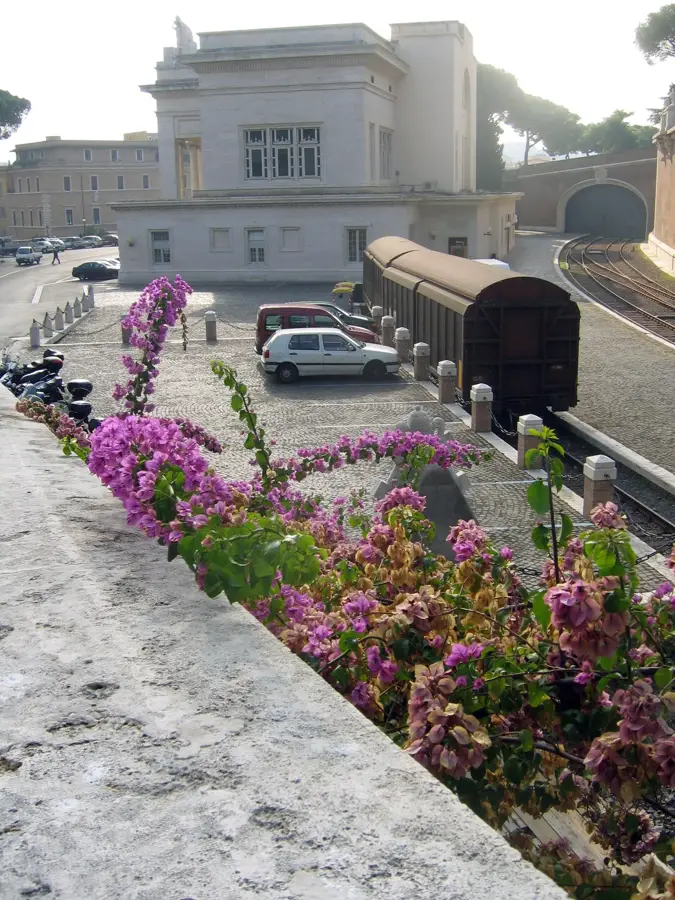
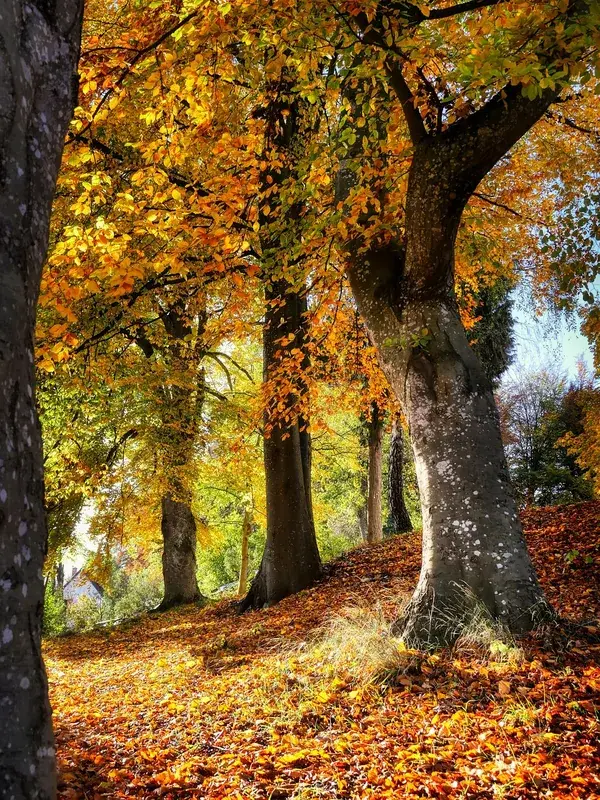
The Lebanon Cedars Slope in the Vatican Gardens is a visually striking landscape area dominated by the majestic Cedrus libani. These trees were selected for their profound biblical symbolism, as they frequently appear in Holy Scripture as emblems of strength, endurance, and closeness to the Divine. The specimens planted in the Vatican have reached impressive sizes over the decades, permanently shaping the hill's silhouette. Maintaining these giant trees requires specialized arboricultural expertise to preserve their structural integrity in the exposed location. The slope also provides an ecological sanctuary for various bird species within the city walls. The undergrowth is intentionally kept natural to avoid distracting from the monumental presence of the cedars. Visitors exploring the gardens on guided tours value this area for its shaded coolness and spiritual atmosphere. The cedars also serve as a living monument to Christianity's historical and spiritual ties to the Middle East.
- Location: Vatican
- Top sights: St Mary's Church · Saint Stephen of the Ethiopians · Vatican Hill
Best time to visit & climate
The most pleasant time to visit is May, Jun, Sep.
| Jan | Feb | Mar | Apr | May | Jun | Jul | Aug | Sep | Oct | Nov | Dec | |
|---|---|---|---|---|---|---|---|---|---|---|---|---|
| Avg °C | 7 | 8 | 10 | 14 | 18 | 23 | 26 | 26 | 21 | 17 | 12 | 8 |
| Rain mm | 73 | 77 | 69 | 56 | 57 | 34 | 26 | 26 | 70 | 82 | 114 | 92 |
📋 Practical info
Geography
Facts
- Cedrus libani can reach an age of over 1,000 years
- Cedar wood was historically used in the construction of Solomon's Temple
- The Vatican specimens are regularly inspected for structural stability
- Some of these cedars were donated by Oriental Patriarchs
- The trees produce large, upright-standing cones
- The evergreen needles provide year-round privacy and screening
Explore nearby
Notable places around
Route planner — Car & Motorhome
Where do you start? We build the route here, with stops and country notes along the way.
© OpenStreetMap contributors · OpenRouteService
Sights in the town Lebanon Cedars Slope (10)
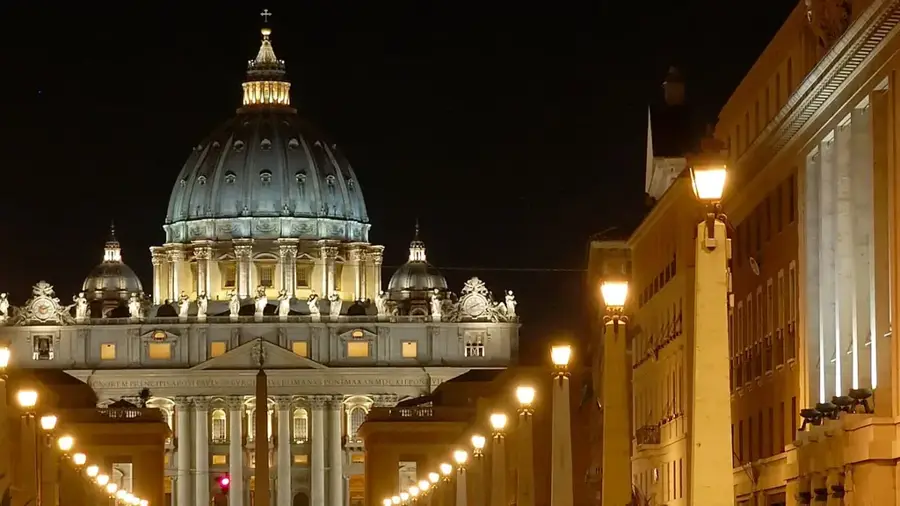
Dome of Saint Peter
Dome of St. Peter's Basilica in Vatican City.
Pius IV House
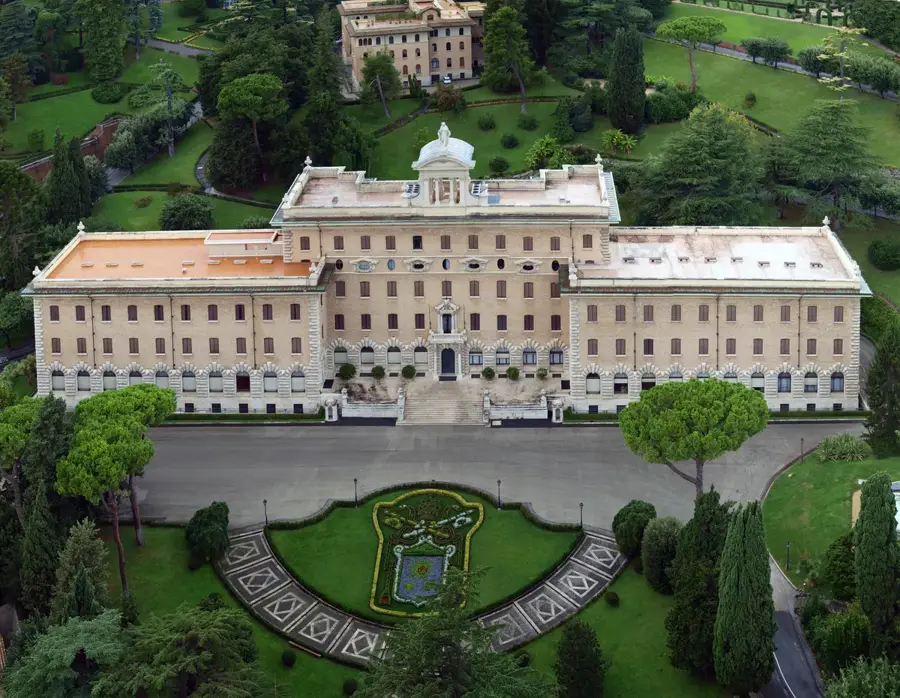
Seat of the Pontificial Academy of Sciences.
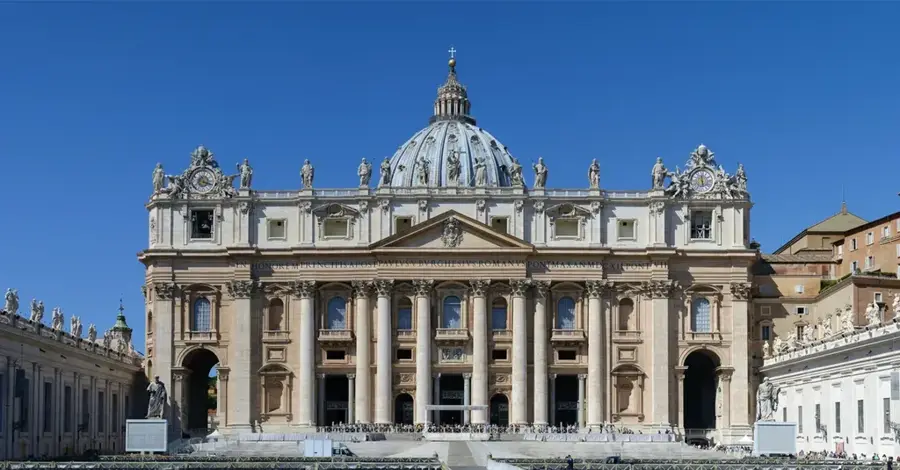
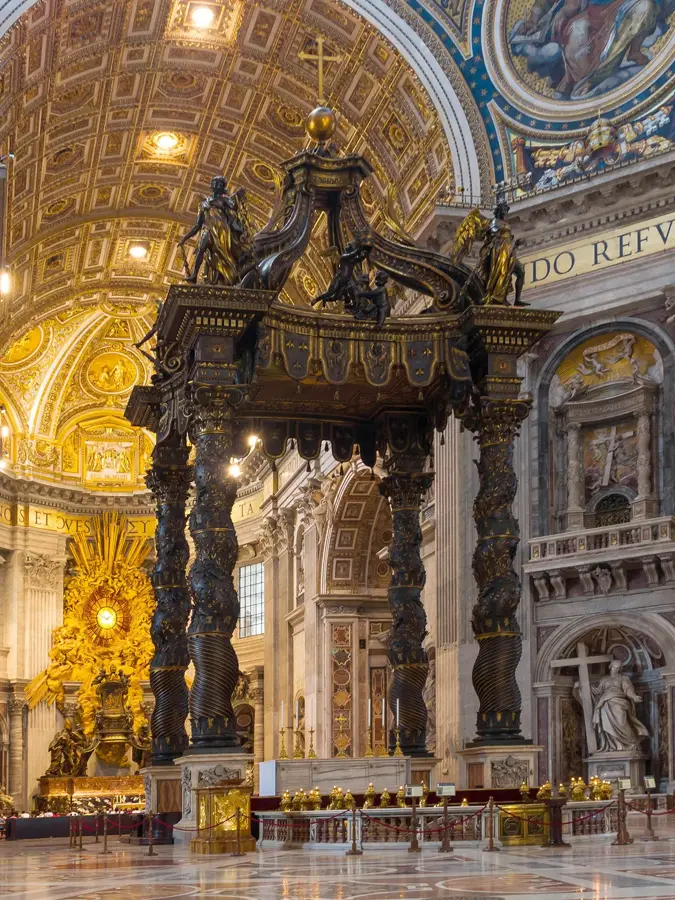
Saint Peter's Basilica
Church in Vatican City.
Lourdes Grotto
Building in Vatican City.
Sacristy🏛 museum
Museum in Vatican City.
Sistine Chapel
Chapel in the Apostolic Palace, Vatican City.
Sights nearby
Frequently asked questions
How many Lebanon cedars are there?
Are the trees very old?
Why are cedars important in the Vatican?
Can you stand directly under the trees?
Do cedars lose their needles in winter?
Lebanon Cedars Slope: where is it located?
Lebanon Cedars Slope: what is there to see?
Lebanon Cedars Slope: when is the best time to visit?
Lebanon Cedars Slope: why is it worth visiting?

History & landmarks
Nature
More places