Plizio Visual Lab
Vatican Mediterranean Maquis
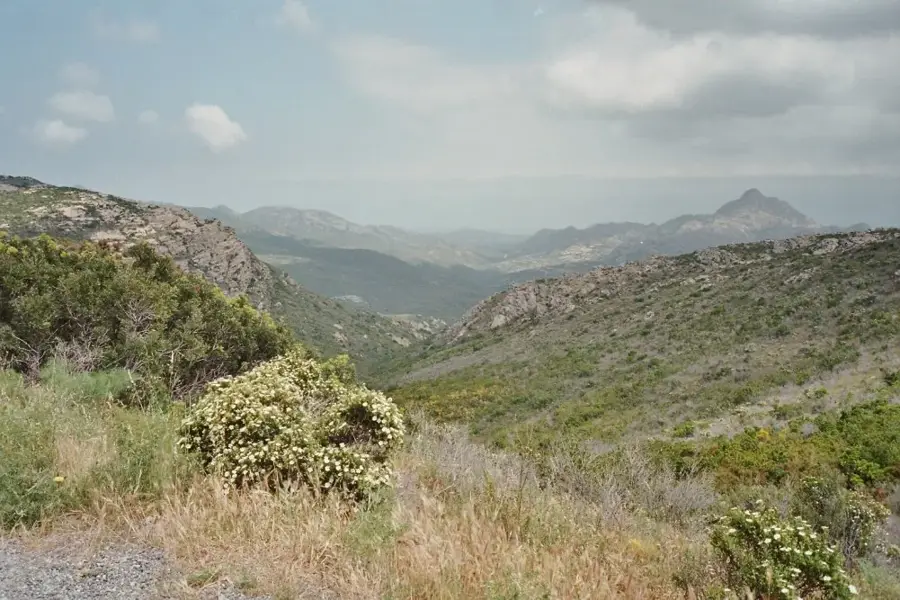
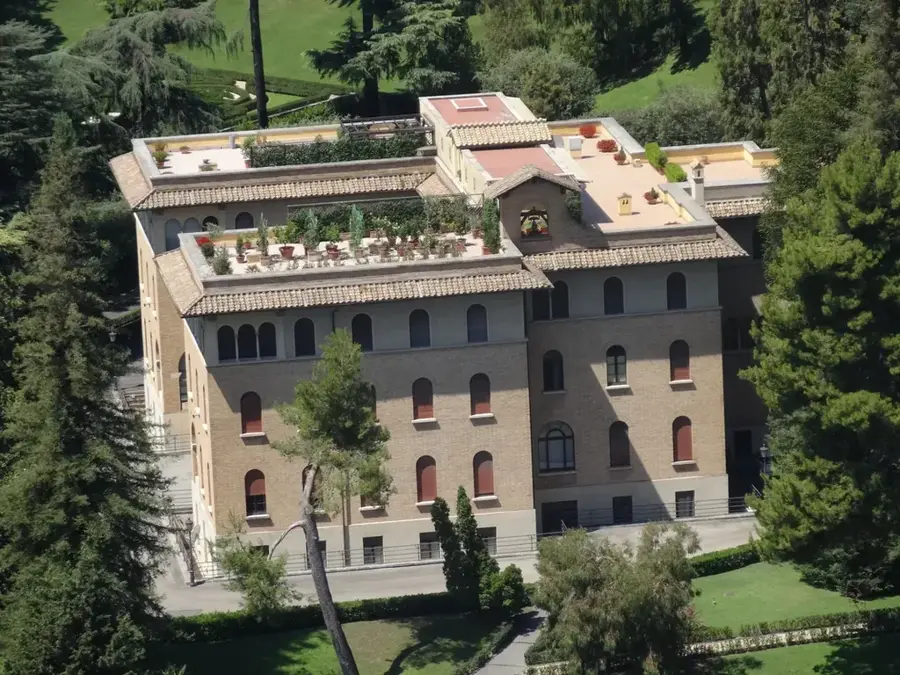
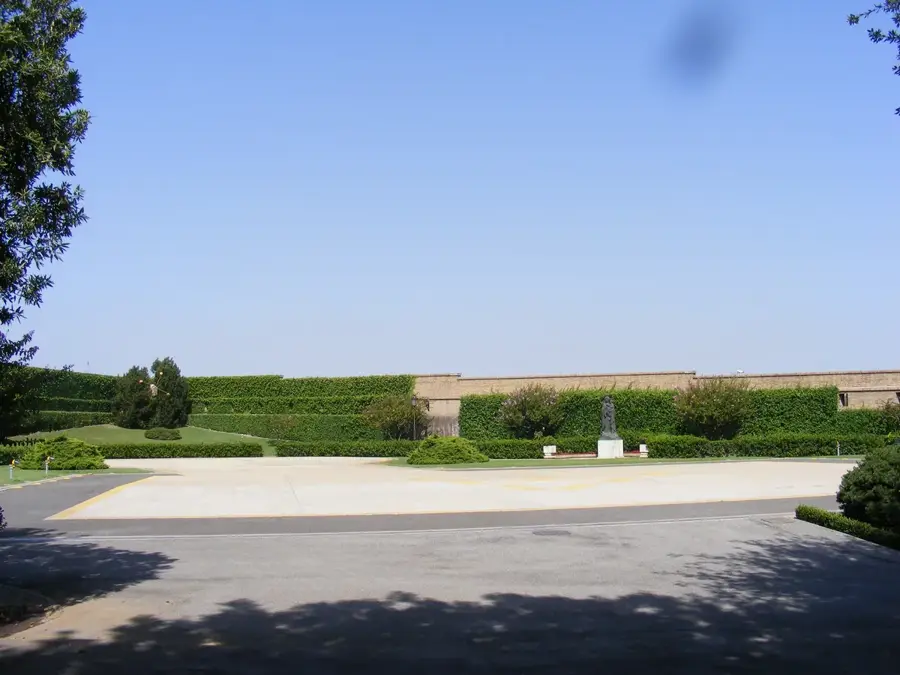
The Mediterranean Maquis in the Vatican Gardens represents a conscious effort to preserve and showcase the original flora of the Roman hills. This area is characterized by dense vegetation of evergreen shrubs and small trees such as myrtle, strawberry tree, mastic, and laurel. Unlike the formal Italian or French gardens, this section follows a more naturalistic approach that reflects the ecological diversity of the Mediterranean region. The maquis provides not only an aesthetic contrast to the Vatican's Baroque architecture but also serves as an important ecosystem for native animal species. It requires specific maintenance based on sustainability and low water consumption, aligning with modern papal encyclicals on environmental protection. The scents of resin and wild herbs that fill the air in this area give visitors an authentic feel of the Vatican's original landscape before its monumental development.
- Location: Vatican
- Top sights: St Mary's Church · Saint Stephen of the Ethiopians · Vatican Hill
Best time to visit & climate
The most pleasant time to visit is May, Jun, Sep.
| Jan | Feb | Mar | Apr | May | Jun | Jul | Aug | Sep | Oct | Nov | Dec | |
|---|---|---|---|---|---|---|---|---|---|---|---|---|
| Avg °C | 7 | 8 | 10 | 14 | 18 | 23 | 26 | 26 | 21 | 17 | 12 | 8 |
| Rain mm | 73 | 77 | 69 | 56 | 57 | 34 | 26 | 26 | 70 | 82 | 114 | 92 |
📋 Practical info
Geography
Facts
- Consists of plants adapted to dry summers
- Includes the strawberry tree (Arbutus unedo), a symbol of Italy
- Serves as natural erosion protection on the Vatican Hill
- Promotes the settlement of wild bees and butterflies
- Was ecologically enhanced under Pope Francis
- Includes rare wild orchid species in the border zones
Explore nearby
Notable places around
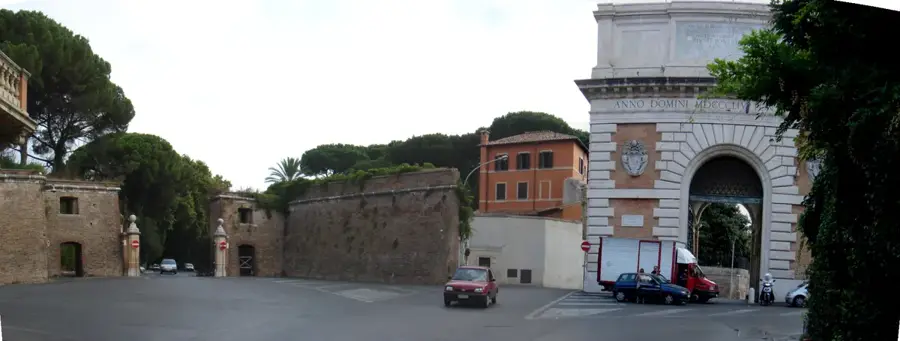
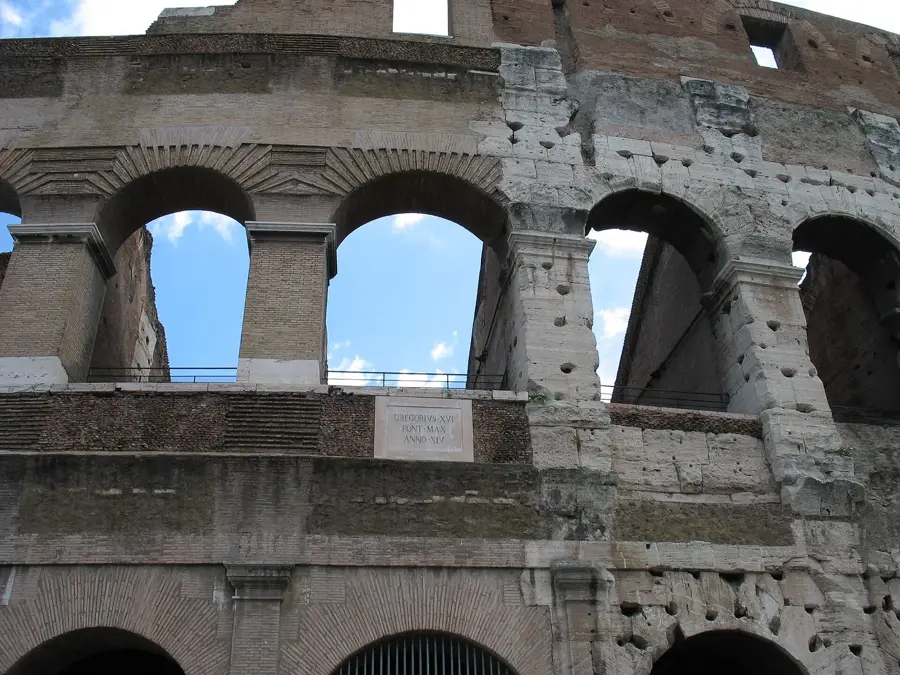
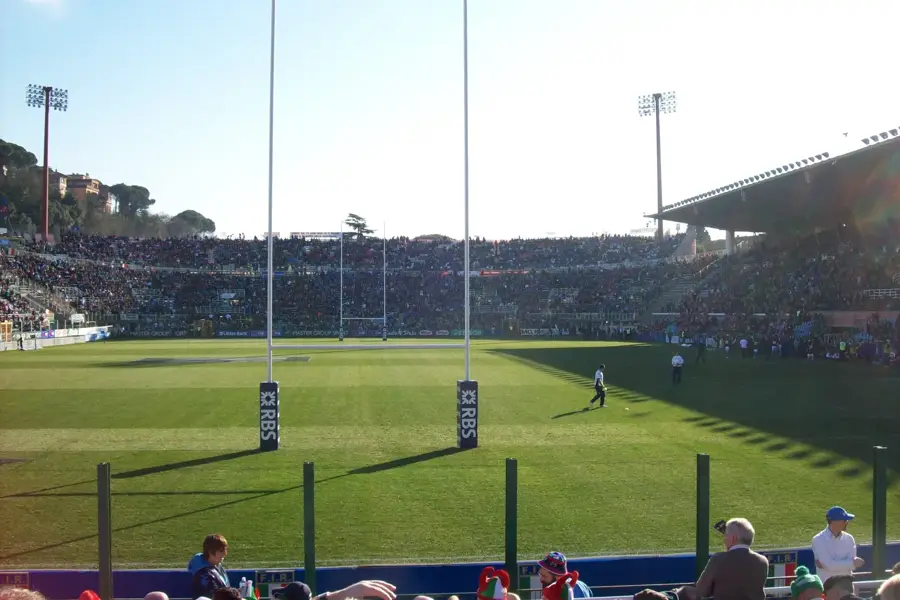
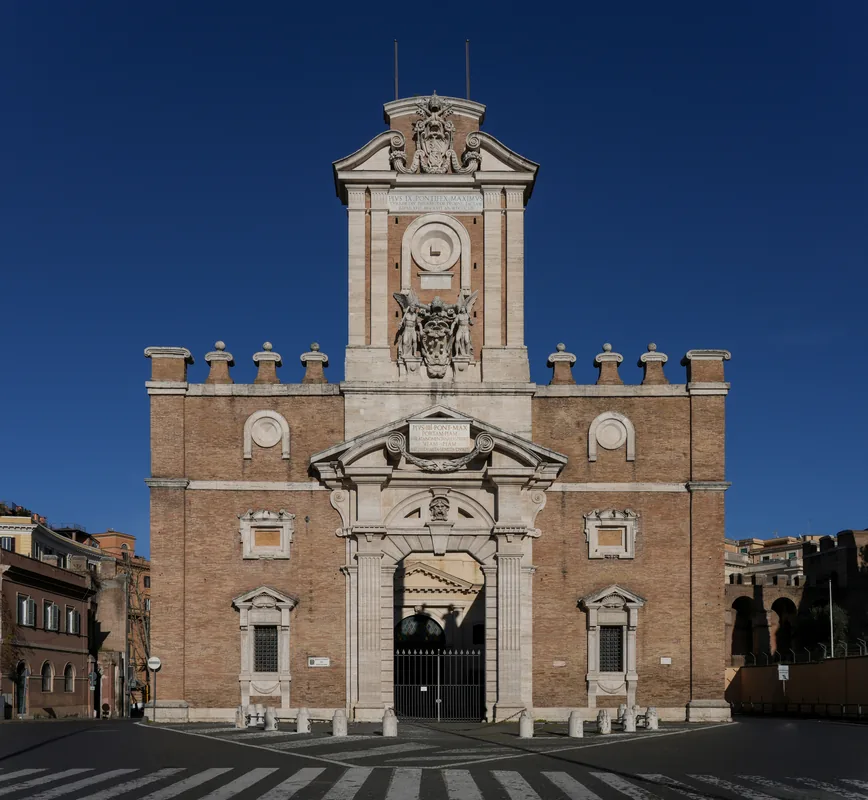
Route planner — Car & Motorhome
Where do you start? We build the route here, with stops and country notes along the way.
© OpenStreetMap contributors · OpenRouteService
Sights in the town Vatican Mediterranean Maquis (10)
Porta Pertusa
The city gate in Rome, Italy, is part of the old fortifications.
Lourdes Grotto
The replica of the Lourdes Grotto in Vatican City is a place for prayer.
Cupola di San Pietro
The dome of St. Peter's Basilica in Vatican City is an iconic feature of the church.
Dome of Saint Peter
From the dome of St. Peter's Basilica, visitors get a wide view of Rome and the Vatican.
Chiesa di San Gregorio VII
The church in Rome, Italy, is dedicated to Saint Pope Gregory VII.
Sacristy🏛 museum
The sacristy in the Vatican stores liturgical vestments and vessels.
Sights nearby
Frequently asked questions
What is maquis?
Which birds nest in the maquis?
Are there wild animals there?
Is the maquis green all year round?
Can one enter the maquis area?
Vatican Mediterranean Maquis: where is it located?
Vatican Mediterranean Maquis: what is there to see?
Vatican Mediterranean Maquis: when is the best time to visit?
Vatican Mediterranean Maquis: why is it worth visiting?

History & landmarks
Nature

More places