Plizio Visual Lab
Southern Drainage Gully
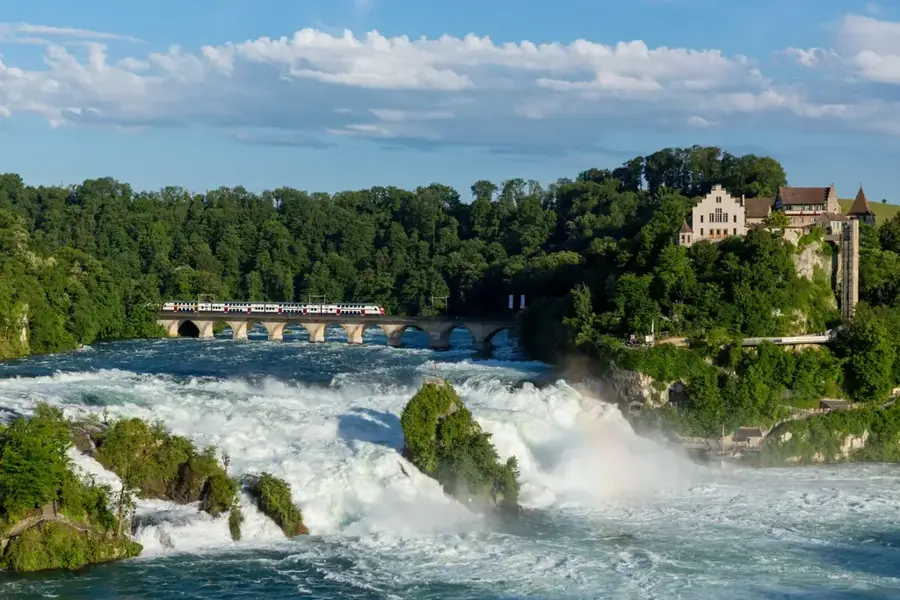
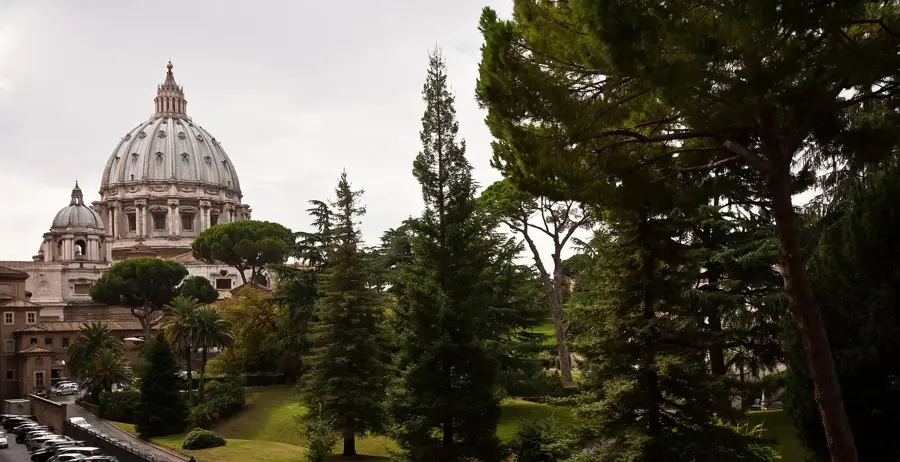
The Southern Drainage Gully is an essential hydrological feature in the topography of Vatican City. This natural or artificially reinforced depression serves to channel surface water runoff from the Vatican Hill towards the Tiber basin. Especially during the intense rainfall typical of the Mediterranean region, this system prevents erosion on the slopes and protects the foundations of historical buildings, such as the Vatican Museums and the Apostolic Palace. Historically, the drainage of the terrain has been a constant concern for architects since the construction of the first basilica under Constantine. The gully passes through shaded sections of the gardens where moisture-loving plants thrive, contributing to the botanical diversity of the area. Geographically, it marks the transition from the steep slope to the plain where the major monumental structures were erected. The maintenance of these drainage paths remains a priority for the Vatican building administration today to ensure the long-term stability of the historical sites.
- Location: Vatican
- Top sights: Dome of Saint Peter · Cupola di San Pietro · Saint Peter's Basilica
Best time to visit & climate
The most pleasant time to visit is May, Jun, Sep.
| Jan | Feb | Mar | Apr | May | Jun | Jul | Aug | Sep | Oct | Nov | Dec | |
|---|---|---|---|---|---|---|---|---|---|---|---|---|
| Avg °C | 7 | 8 | 10 | 14 | 18 | 23 | 26 | 26 | 21 | 17 | 12 | 8 |
| Rain mm | 73 | 77 | 69 | 56 | 57 | 34 | 26 | 26 | 70 | 82 | 114 | 92 |
📋 Practical info
Geography
Facts
- Channels rainwater towards the Tiber basin.
- Prevents erosion on the hill slopes.
- Protects the foundations of the museums.
- Partially natural in origin.
- Crucial during heavy Mediterranean rains.
- Passes through moist areas of the gardens.
Explore nearby
Notable places around
Route planner — Car & Motorhome
Where do you start? We build the route here, with stops and country notes along the way.
© OpenStreetMap contributors · OpenRouteService
Sights in the town Southern Drainage Gully (10)
Sistine Chapel
Chapel in the Apostolic Palace, Vatican City, famous for Michelangelo's frescoes.
Pauline Chapel
Chapel in the Apostolic Palace, Vatican City, known for Michelangelo's frescoes.
Raphael Rooms🏛 museum
Suite of reception rooms in the Palace of the Vatican, painted by Raphael and his workshop between 1509 and 1524.
Sacristy🏛 museum
Museum in the Vatican, housing liturgical vestments and sacred objects.
Arch of the Bells
Gate in Vatican City, part of the old fortifications near St. Peter's Square.
Saint Stephen of the Ethiopians⛪ church
Church of the Vatican City, dedicated to Saint Stephen and Ethiopian Christians.
Chiesa di Santa Maria della Pietà⛪ church
Church in Rome, dedicated to Our Lady of Mercy.
Sights nearby
Frequently asked questions
Does the drainage gully serve for dewatering?
Is the gully dangerous during heavy rain?
Are there bridges there?
Is the gully cleared of debris?
Can fossils be found in the gully?
Southern Drainage Gully: where is it located?
Southern Drainage Gully: what is there to see?
Southern Drainage Gully: when is the best time to visit?
Southern Drainage Gully: why is it worth visiting?

History & landmarks
Nature
More places