Plizio Visual Lab

Missionary-Ethnological Museum

Plizio editorial teamData Sources
museum
—°210
Missionary-Ethnological Museum (Vatican)

Weather…

Highlights of 2026

2

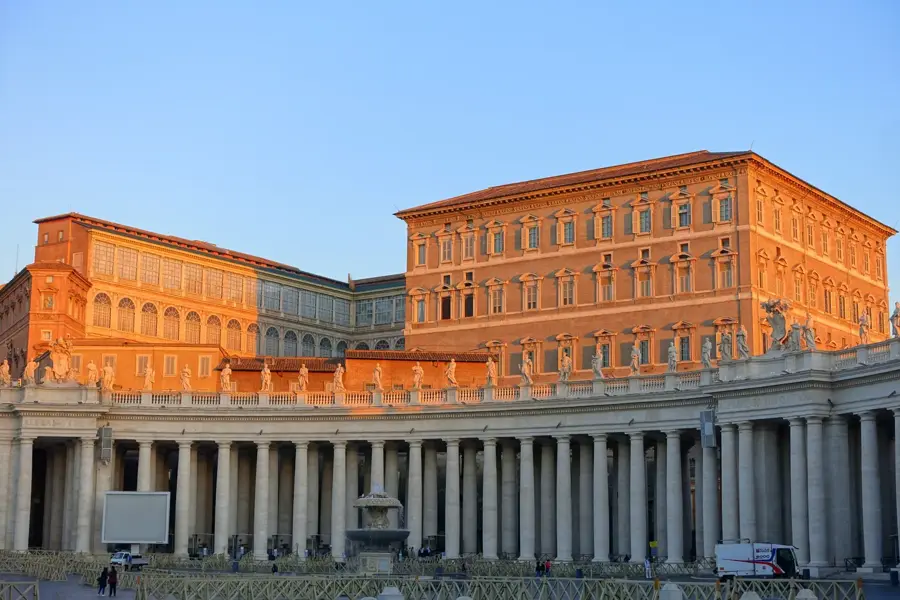
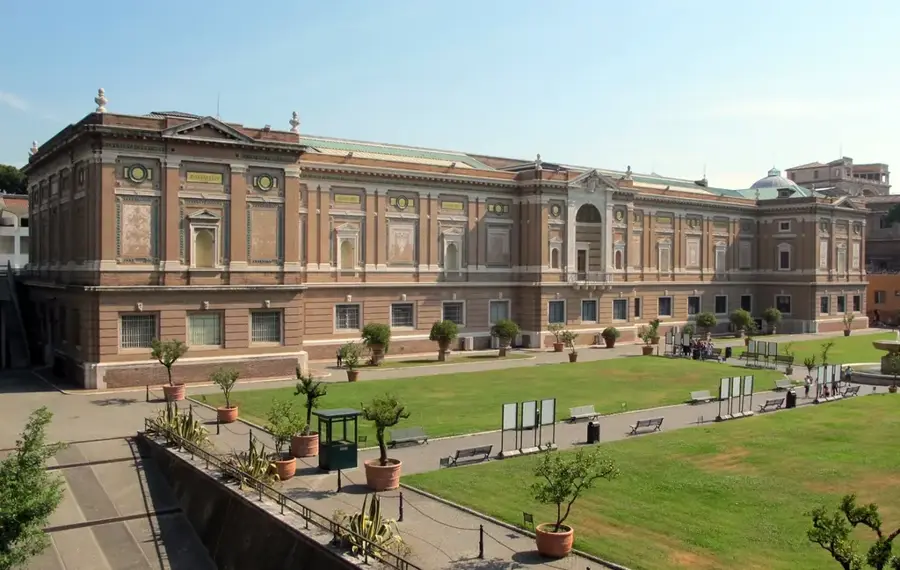
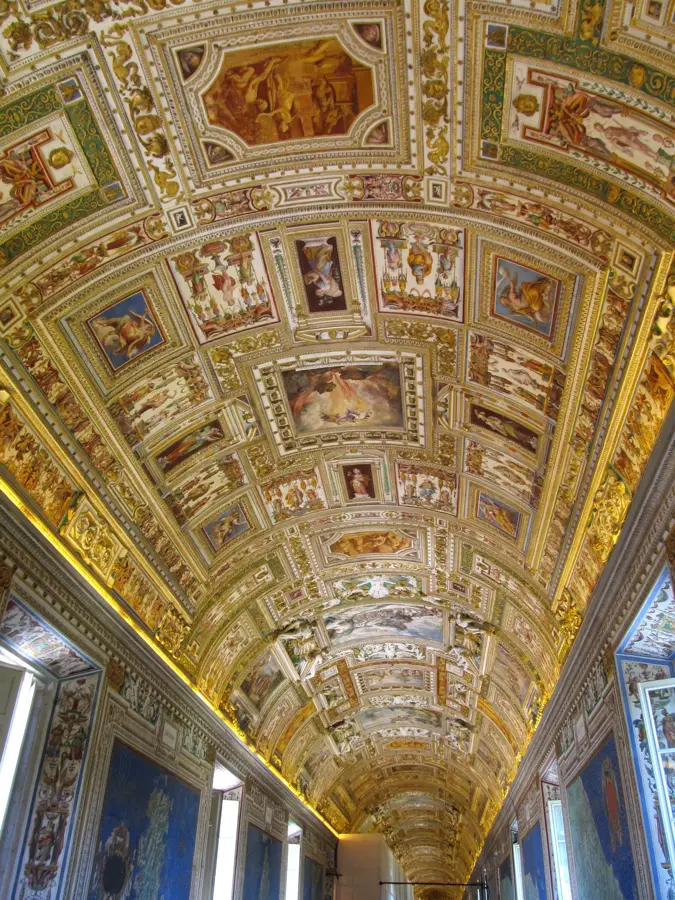
The Vatican Missionary-Ethnological Museum is dedicated to the vast diversity of global cultures and the history of Christian missions across the world. It was established in 1926 by Pope Pius XI following the immense success of the 1925 Missionary Exhibition. Originally housed in the Lateran Palace, the collection was moved in 1973 to a modern, specially designed wing within the Vatican Museums. The exhibits originate from all continents, including Africa, the Americas, Oceania, and Asia, featuring religious symbols, everyday tools, and artworks created by indigenous peoples. With a total collection of over 40,000 objects, the museum features a profound look into humanity's spiritual and social traditions. Its primary mission is to foster intercultural dialogue and document the interaction between Christianity and local customs. Particularly noteworthy are the pre-Columbian artifacts and the intricate religious carvings from the Far East, many of which were received as gifts by various Popes.

Best time to visit & climate

The most pleasant time to visit is May, Jun, Sep.

JanFebMarAprMayJunJulAugSepOctNovDec
Avg °C781014182326262117128
Rain mm7377695657342626708211492

📋 Practical info

🚪
Visiting
The Anima Mundi Museum (formerly the Missionary-Ethnological Museum) is part of the Vatican Museums and open to the public. It displays religious artifacts from around the world collected by missionaries.
🕒
Typical hours
Opening hours follow those of the Vatican Museums: typically daily except Sundays and certain holidays. Check the official website for the exact schedule in advance.
📷
Photography
Photography without flash is allowed in most museum areas. Some sensitive items may have restrictions; look for signage accordingly.
⏱️
Time needed
Allow at least one hour for an initial visit. Art enthusiasts can easily spend two hours or more exploring the detailed exhibits.
Combine with
The museum is within the Vatican Museums complex, so combine it with the Sistine Chapel and the Raphael Rooms. The adjacent Vatican Garden is also worth visiting.
🧭
Getting there
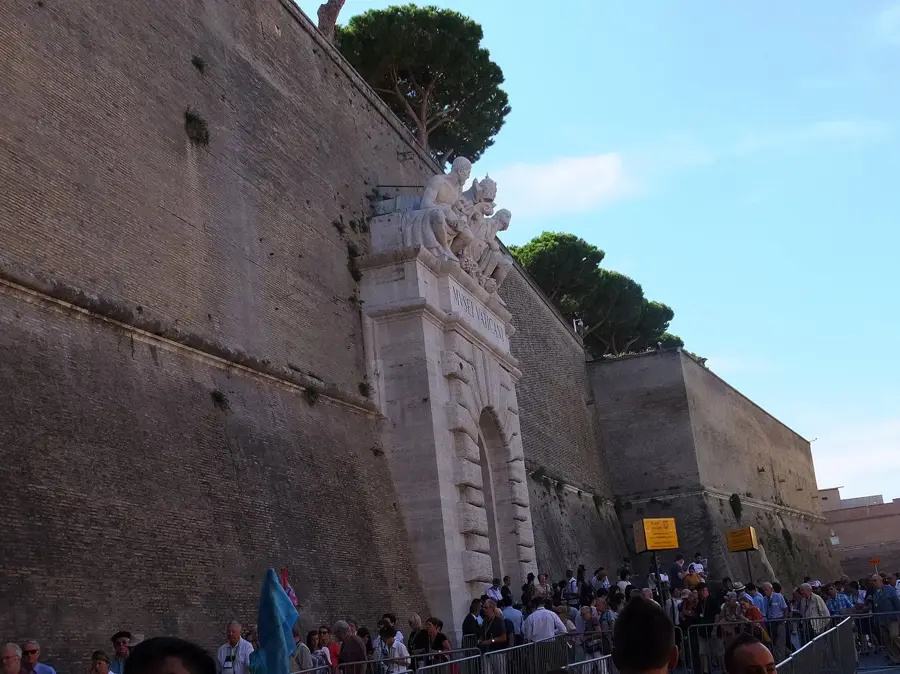
Access is through the main entrance of the Vatican Museums on Viale Vaticano. Follow the signs through the museum halls to the Anima Mundi section.
💡
Insider tip
Visit the museum in the early morning when crowds are smaller. An audio guide helps understand the stories behind the exhibits.

Geography

Population
829 (2026)
Coordinates
41.90700, 12.45400

Facts

  • The museum was founded in 1926 by Pope Pius XI.
  • It moved from the Lateran Palace to the Vatican in 1973.
  • The collection consists of over 40,000 distinct items.
  • Artifacts represent cultures from Africa, America, Asia, and Oceania.
  • Many items were diplomatic or spiritual gifts to the Popes.
  • The museum aims to promote understanding between different faiths.

Explore nearby

Notable places around

Route planner — Car & Motorhome

Where do you start? We build the route here, with stops and country notes along the way.

Vehicle
Only stops with (optional):

© OpenStreetMap contributors · OpenRouteService

Sights in the town Missionary-Ethnological Museum (10)

Scala Elicoidale Giuseppe Momo

Double spiral staircase in the Vatican, designed by Giuseppe Momo in 1932.

Museo Pio Clementino🏛 museum

Branch of the Vatican Museums, displaying ancient sculptures and artworks.

💶

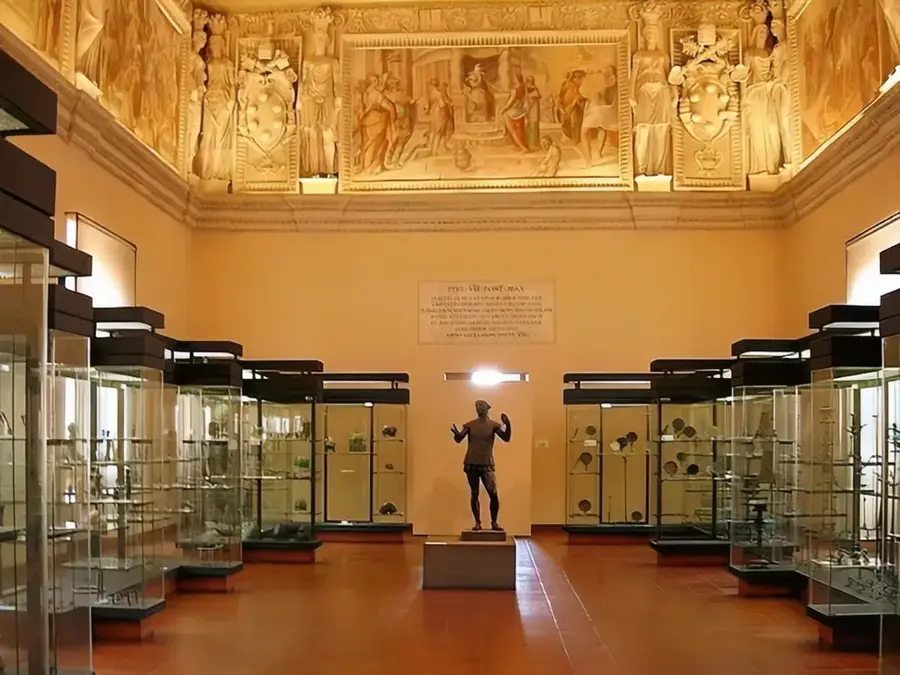
Museo Gregoriano Etrusco🏛 museum

Branch of the Vatican Museums, specializing in Etruscan artifacts.

🕒 Mo-Sa 09:00-18:00💶

Museo Gregoriano Egizio🏛 museum

Branch of the Vatican Museums, dedicated to ancient Egyptian art.

Punto panoramico di viale della Galea

Viewpoint in the Vatican, offering views over the gardens and Rome.

Tower of the Winds🗼 tower

Tower in Vatican City, housing an astronomical clock and wind instruments.

Necropoli della Via Triumphalis

Necropolis in Vatican City, an ancient burial site along the Via Triumphalis.

Cappella di Santa Maria Assunta

Church building in Rome, Italy, used for Catholic worship.

Belvedere Courtyard

Former Vatican courtyard, connecting various museums and buildings.

Pius IV House

Seat of the Pontifical Academy of Sciences, a Renaissance building in Vatican.

Sights nearby

Frequently asked questions

What does the Missionary Ethnological Museum display?
Objects from around the world documenting the religious and cultural diversity of peoples.
When was the museum founded?
It was founded in 1926 by Pope Pius XI after the missionary exhibition of 1925.
Where in the Vatican is this museum located?
It is located in the modern wing of the Vatican Museums, near the exit.
From which regions do the exhibits come?
From Asia, Oceania, Africa, and the Americas, collected by missionaries over centuries.
Is the museum always accessible?
Yes, it is part of the regular route through the Vatican Museums.
Missionary-Ethnological Museum: where is it located?
Missionary-Ethnological Museum is located in Vatican.
Missionary-Ethnological Museum: what is there to see?
Highlights include Scala Elicoidale Giuseppe Momo, Museo Pio Clementino, Museo Gregoriano Etrusco.
Missionary-Ethnological Museum: when is the best time to visit?
The most pleasant time to visit is May, Jun, Sep.
Missionary-Ethnological Museum: why is it worth visiting?
The Vatican Missionary-Ethnological Museum is dedicated to the vast diversity of global cultures and the history of Christian missions across the world.
View on map → The Top 50 Attractions → OpenStreetMap →
Europe
Explore with Plizio Discover more places in Europe
More places in Vatican →

History & landmarks

More places