Plizio Visual Lab
Gregorian Etruscan Museum
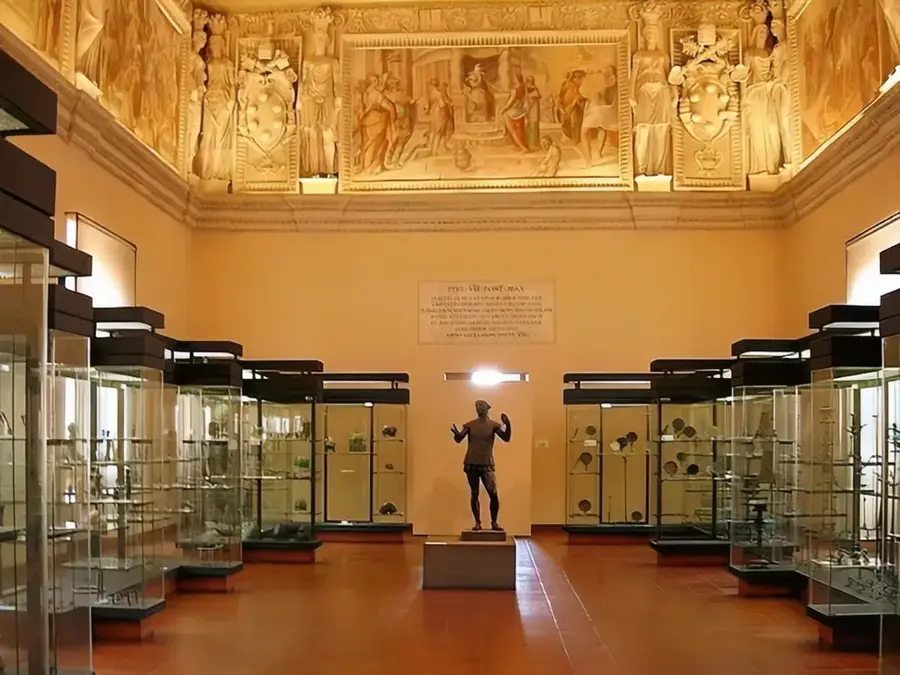
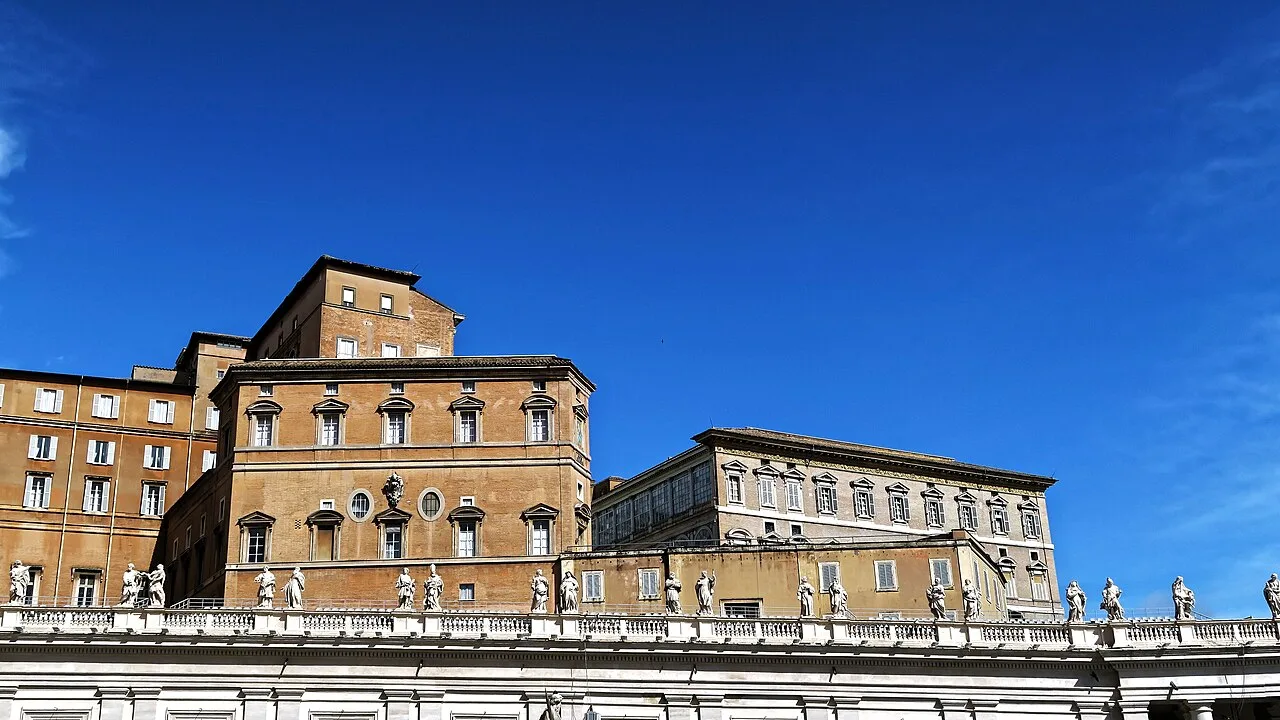
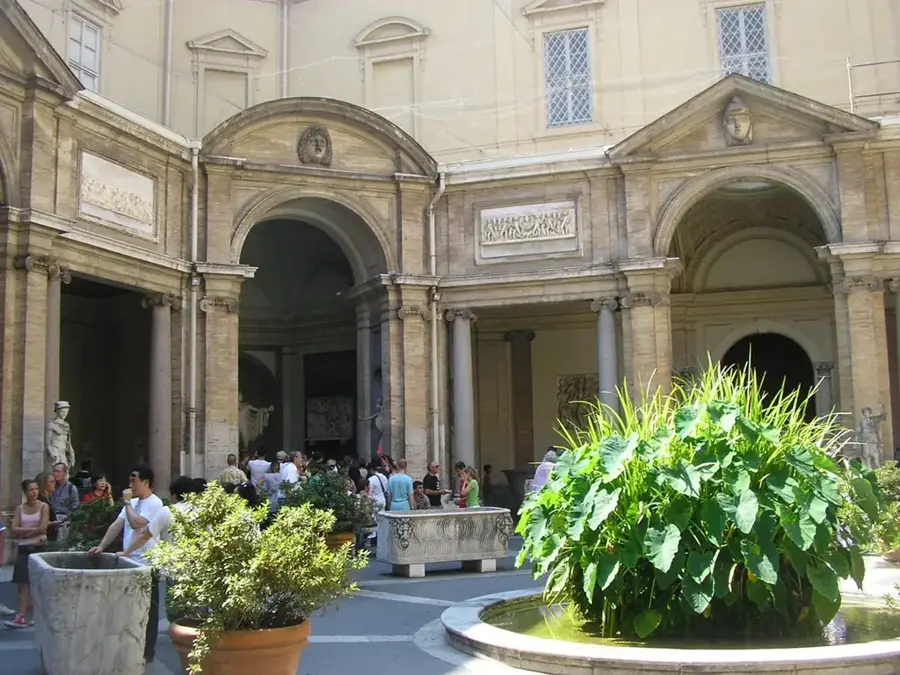
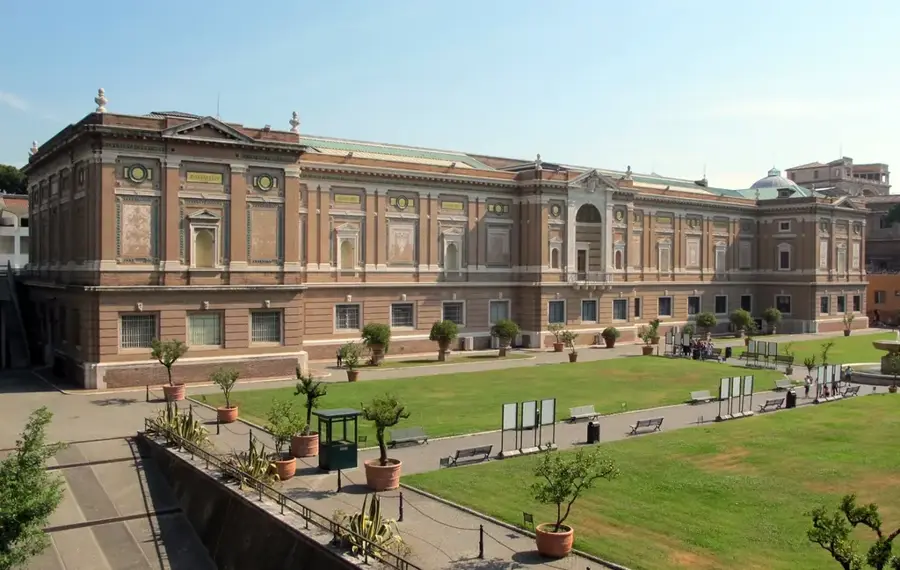
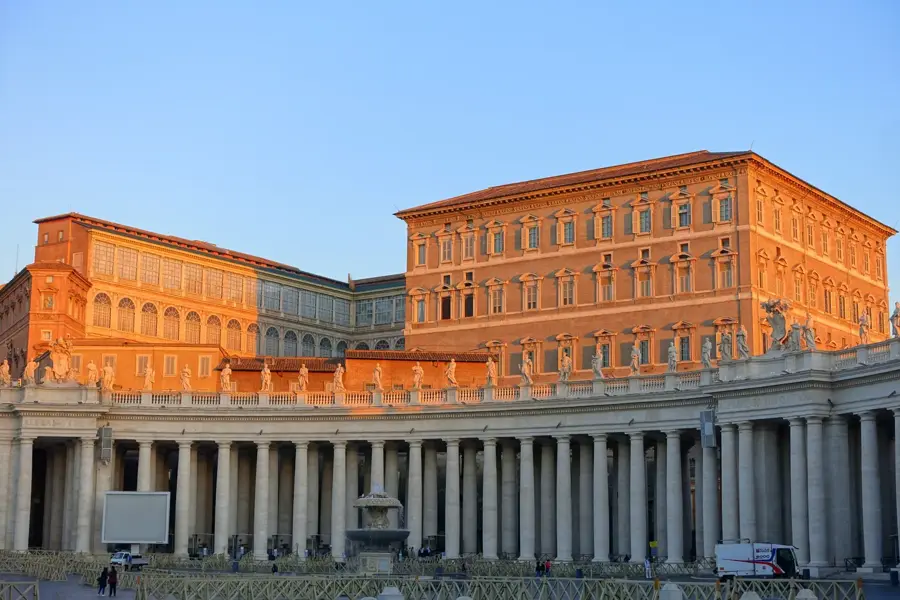
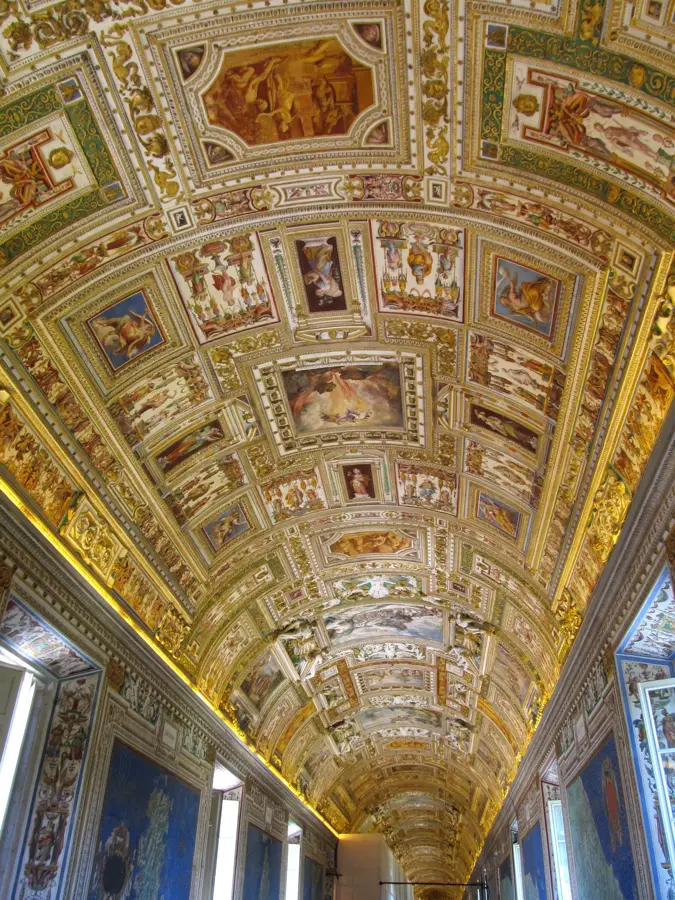
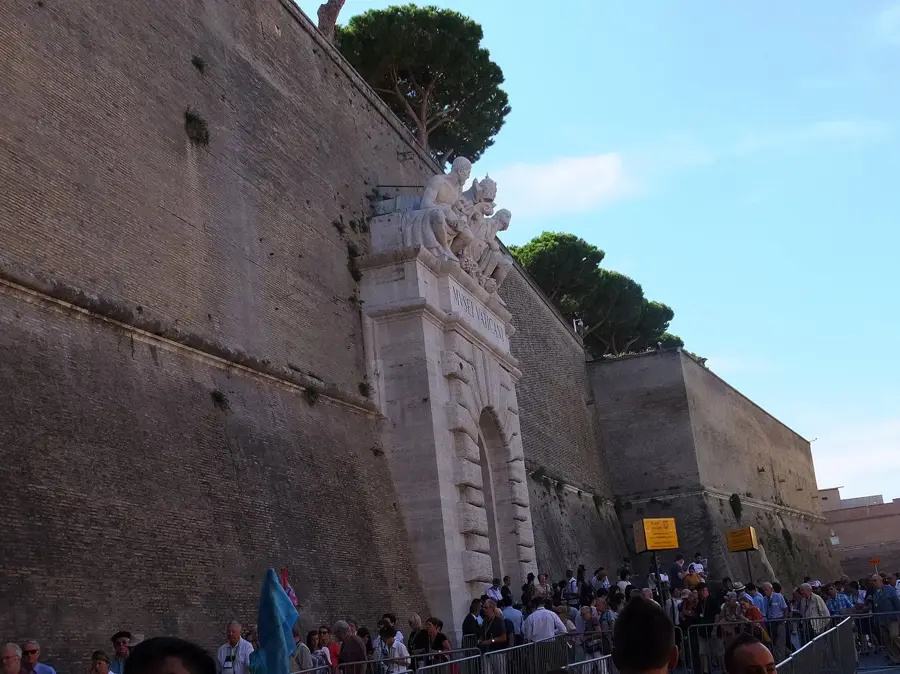
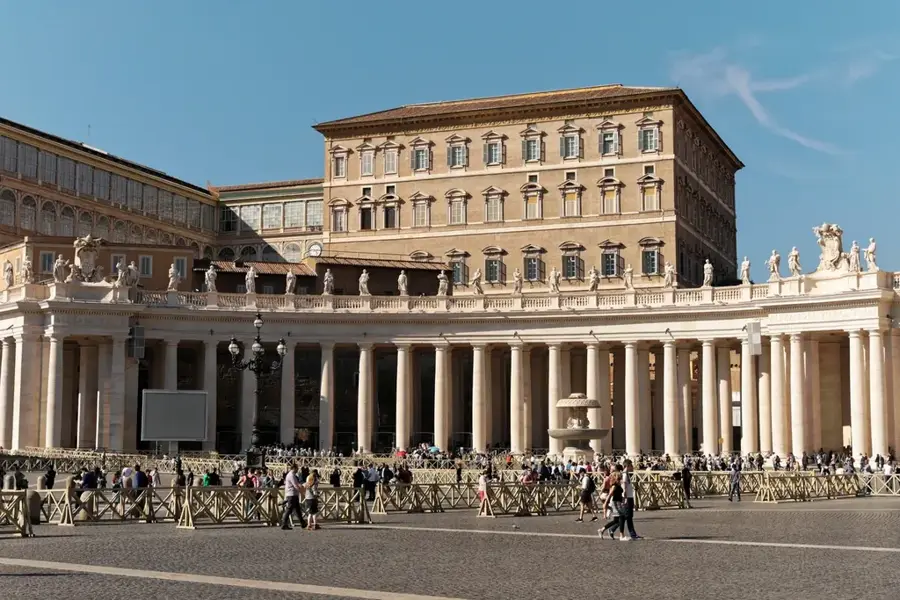
The Gregorian Etruscan Museum was established in 1837 by Pope Gregory XVI to showcase the artifacts of the ancient civilizations that inhabited central Italy before the Roman expansion. The core of the collection stems from archaeological excavations conducted in prominent Etruscan centers such as Cerveteri, Vulci, and Tarquinia. Across its 22 rooms, the museum presents a wealth of bronzes, intricate gold jewelry, ceramics, and domestic objects that illuminate the daily life and funerary customs of the Etruscan people. One of the most significant exhibits is the Regolini-Galassi tomb collection, famous for its exquisite gold filigree work. Another masterpiece is the 'Mars of Todi', a rare bronze statue dating back to the late 5th century BC. In addition to Etruscan art, the museum houses a vast collection of Greek vases found in Etruscan necropolises, highlighting ancient trade links. Located within the Belvedere Palace, the museum is a vital destination for those studying pre-Roman history.
- Location: Vatican
- Top sights: Missionary Ethnological Museum · Galleria dei Candelabri · Vatican Art Gallery
- Population: ~829 (2026)
Best time to visit & climate
The most pleasant time to visit is May, Jun, Sep.
| Jan | Feb | Mar | Apr | May | Jun | Jul | Aug | Sep | Oct | Nov | Dec | |
|---|---|---|---|---|---|---|---|---|---|---|---|---|
| Avg °C | 7 | 8 | 10 | 14 | 18 | 23 | 26 | 26 | 21 | 17 | 12 | 8 |
| Rain mm | 73 | 77 | 69 | 56 | 57 | 34 | 26 | 26 | 70 | 82 | 114 | 92 |
📋 Practical info
Geography
Facts
- The museum was formally founded by Pope Gregory XVI in 1837.
- Many artifacts were excavated from the Etruscan city of Vulci.
- The 'Mars of Todi' is a celebrated 5th-century BC bronze statue.
- It houses the spectacular gold artifacts from the Regolini-Galassi tomb.
- The collection is distributed across 22 exhibition rooms.
- It includes a renowned collection of Greek vases found in Italy.
Explore nearby
Notable places around
Route planner — Car & Motorhome
Where do you start? We build the route here, with stops and country notes along the way.
© OpenStreetMap contributors · OpenRouteService
Sights in the town Gregorian Etruscan Museum (10)
Vatican Art Gallery🏛 museum
Branch of the Vatican Museums, displaying paintings and sculptures.
Punto panoramico di viale della Galea
Viewpoint in the Vatican, offering views over the gardens and Rome.
Necropoli della Via Triumphalis
Necropolis in Vatican City, an ancient burial site along the Via Triumphalis.
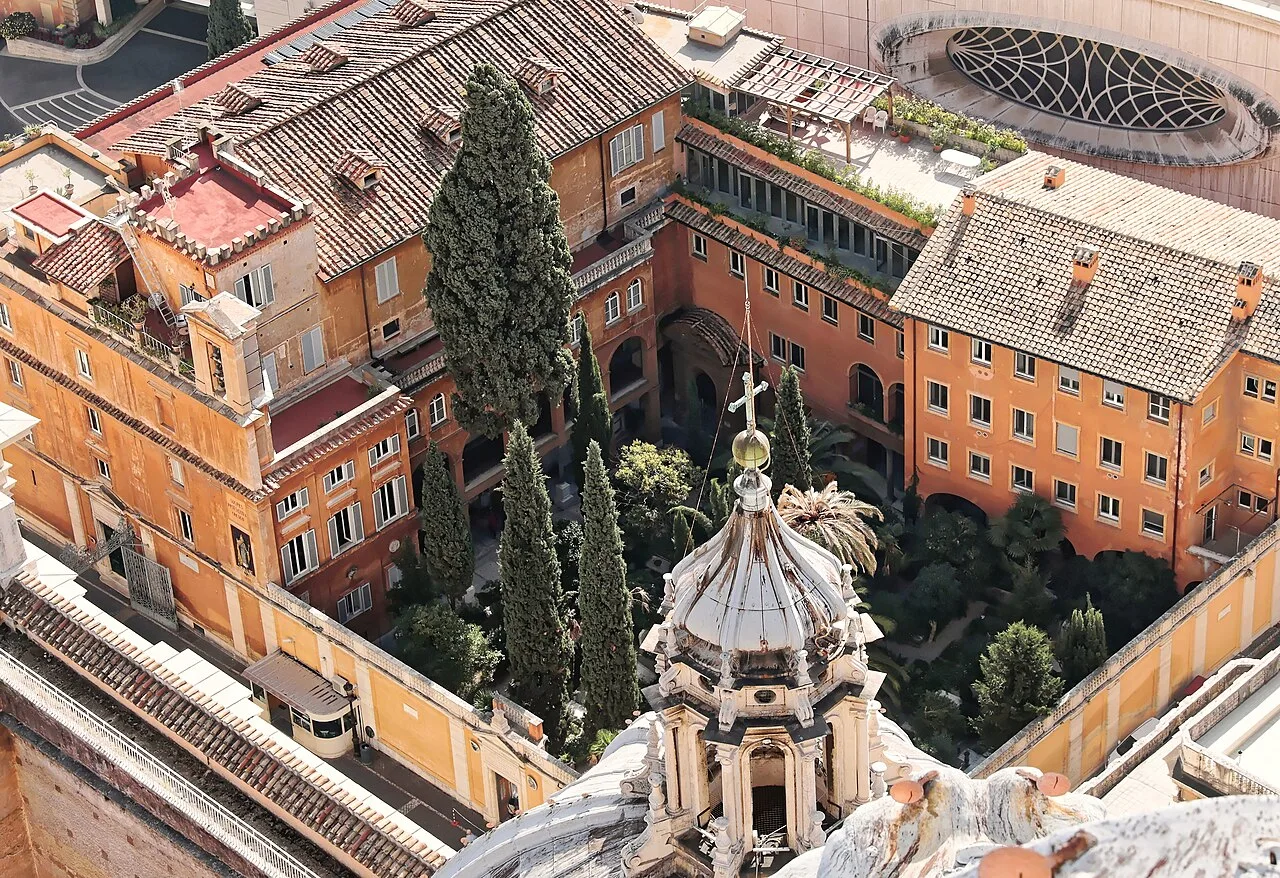
Pius IV House
Seat of the Pontifical Academy of Sciences, a Renaissance building in Vatican.
Belvedere Courtyard
Former Vatican courtyard, connecting various museums and buildings.
Saint Peregrin's Church
Church in Vatican City, used for religious services and prayer.
Sights nearby
Frequently asked questions
What does the Gregorian Etruscan Museum display?
Who founded the museum?
Where is the museum located?
Is there Greek art there too?
What is the most famous exhibit?
Gregorian Etruscan Museum: where is it located?
Gregorian Etruscan Museum: what is there to see?
Gregorian Etruscan Museum: when is the best time to visit?
Gregorian Etruscan Museum: why is it worth visiting?

History & landmarks

More places