Plizio Visual Lab
Mater Ecclesiae Monastery Garden
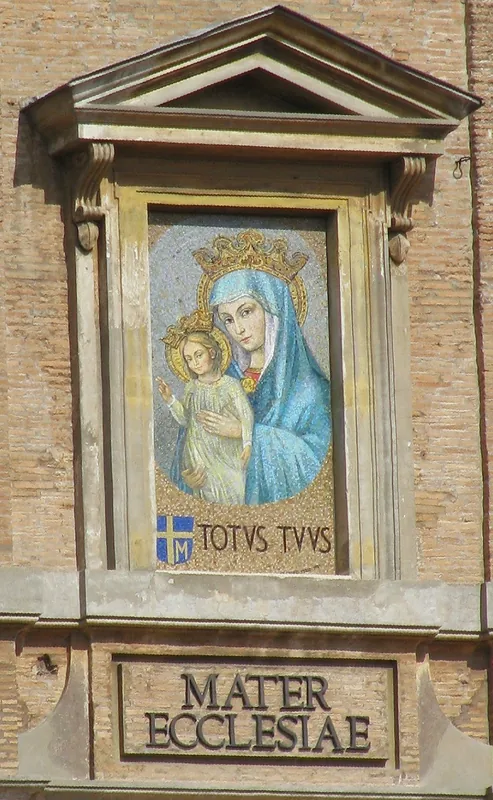
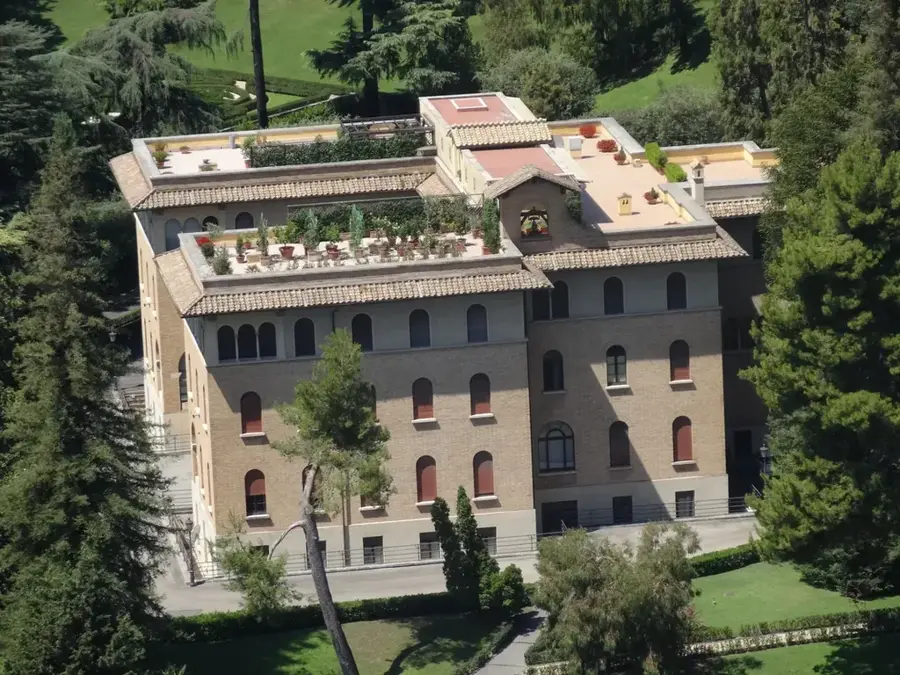
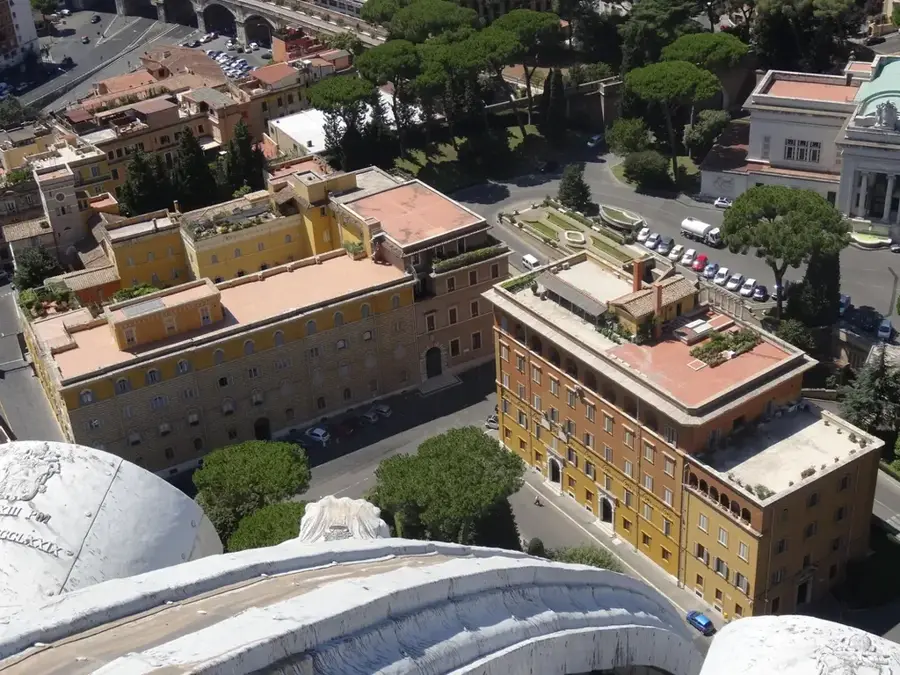
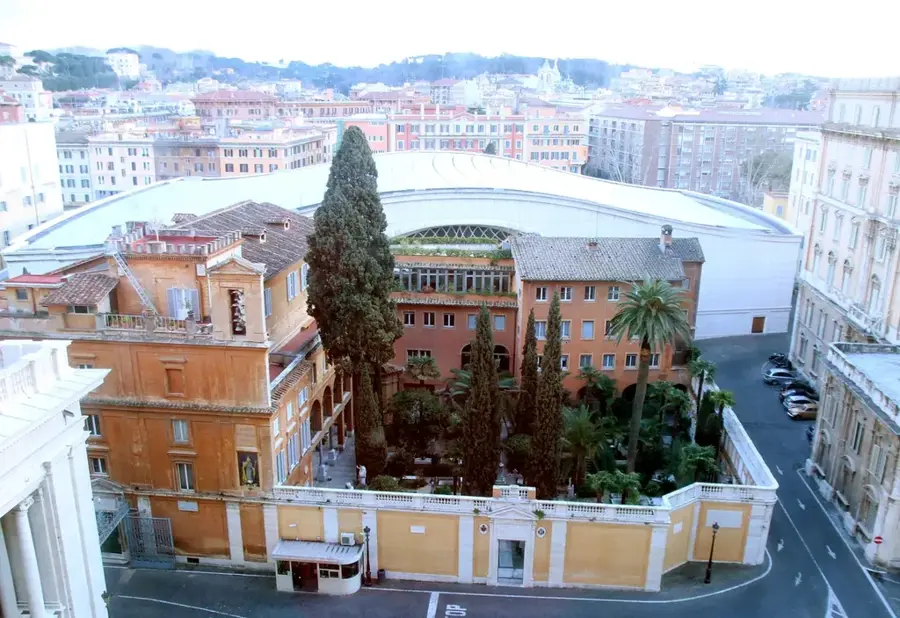
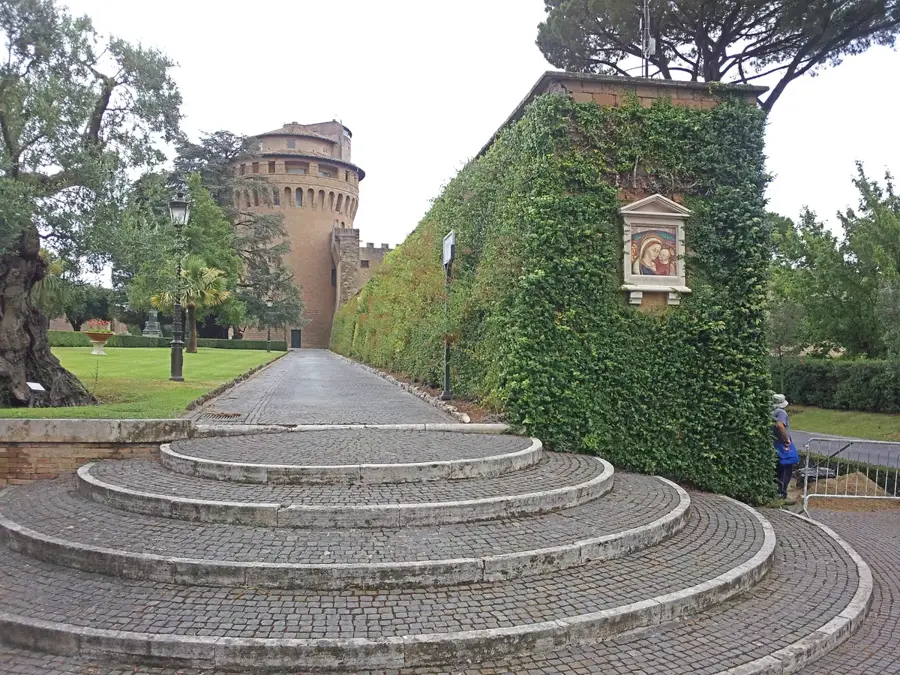
The garden of the Mater Ecclesiae Monastery gained worldwide fame as the retreat of Pope Benedict XVI after his abdication in 2013. The monastery itself was founded in 1994 by John Paul II to provide a community of nuns with a place for contemplative prayer within the Vatican. The associated garden is simply and functionally designed, with a strong focus on self-sufficiency. It features a small vineyard, an orchard with lemon and orange trees, as well as beds for vegetables and medicinal herbs. The design follows the monastic handy of silence and simplicity, with paths laid out to invite meditative walking. During his time at the monastery, Benedict XVI often dedicated himself to tending the roses and enjoyed the quiet of this secluded area. The walls of the monastery protect the garden from the prying eyes of the tourist crowds visiting the nearby museums. This site symbolizes the connection between work and prayer and is today a silent monument to the years of prayer for the Church by the Pope Emeritus. The atmosphere is characterized by deep spirituality and harmony between man and nature.
- Location: Vatican
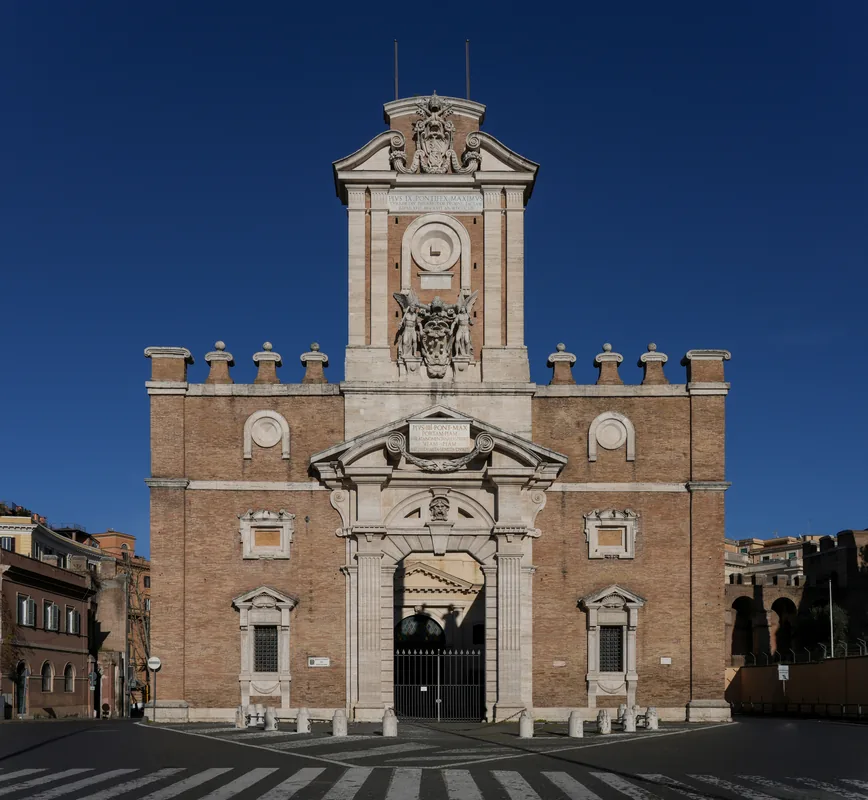
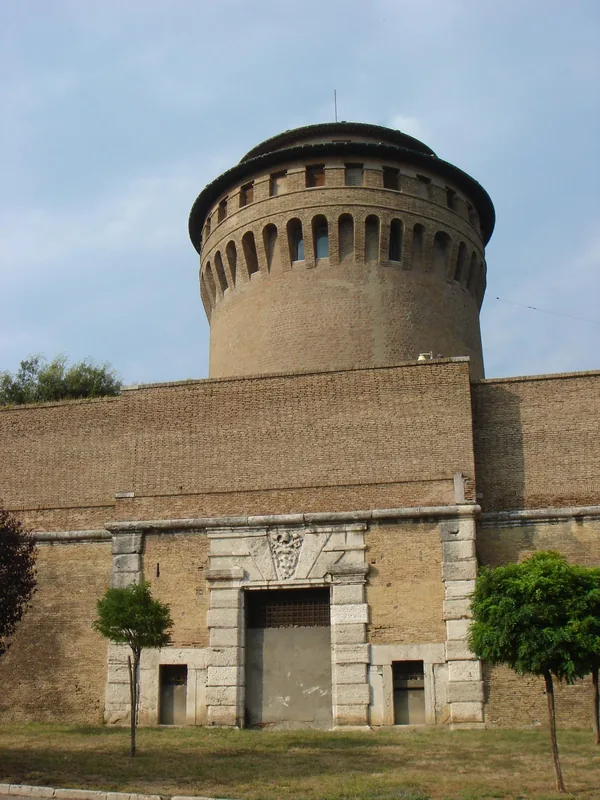
- Top sights: Lourdes Grotto · St John's Tower · Porta Pertusa
Best time to visit & climate
The most pleasant time to visit is May, Jun, Sep.
| Jan | Feb | Mar | Apr | May | Jun | Jul | Aug | Sep | Oct | Nov | Dec | |
|---|---|---|---|---|---|---|---|---|---|---|---|---|
| Avg °C | 7 | 8 | 10 | 14 | 18 | 23 | 26 | 26 | 21 | 17 | 12 | 8 |
| Rain mm | 73 | 77 | 69 | 56 | 57 | 34 | 26 | 26 | 70 | 82 | 114 | 92 |
📋 Practical info
Geography
Facts
- The monastery was consecrated on May 13, 1994, by John Paul II.
- Residence of Pope Benedict XVI from 2013 until his death in 2022.
- The garden features beds for growing organic vegetables.
- Houses a small vineyard with various grape varieties.
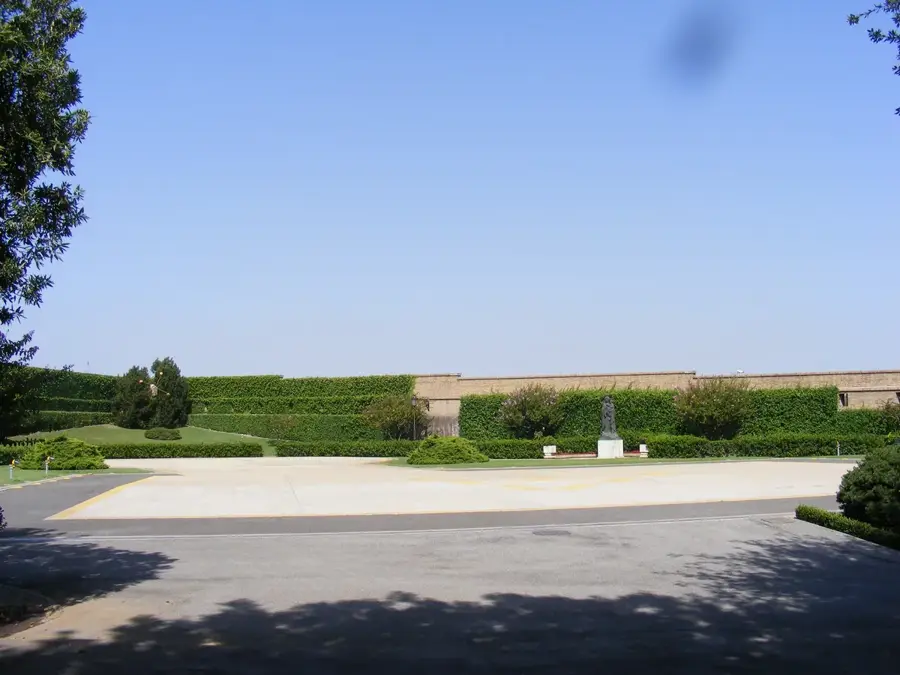
- Located in close proximity to the Vatican Heliport.
- Originally built for alternating orders of contemplative nuns.
Explore nearby
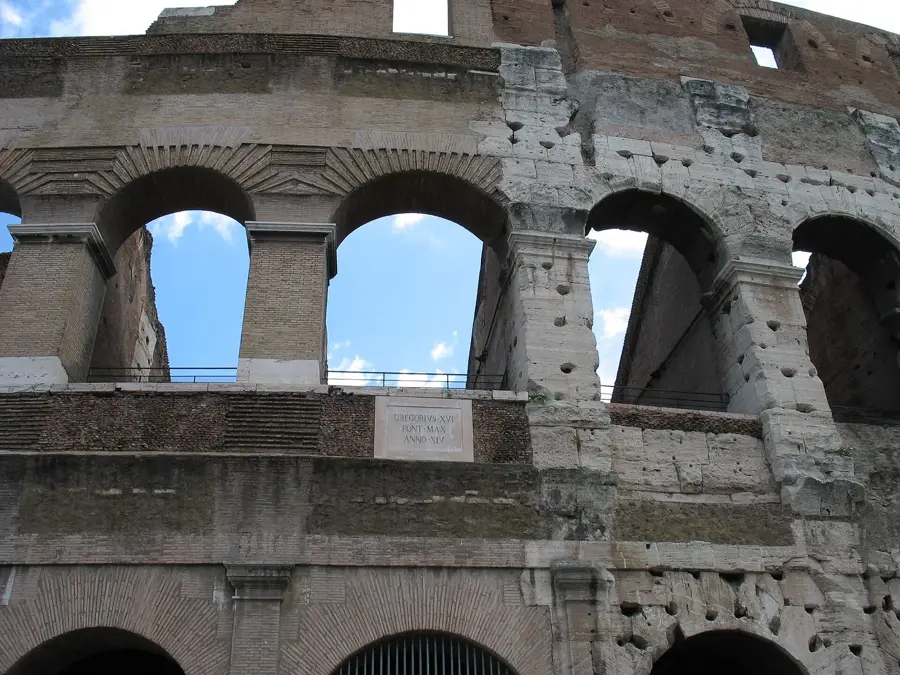
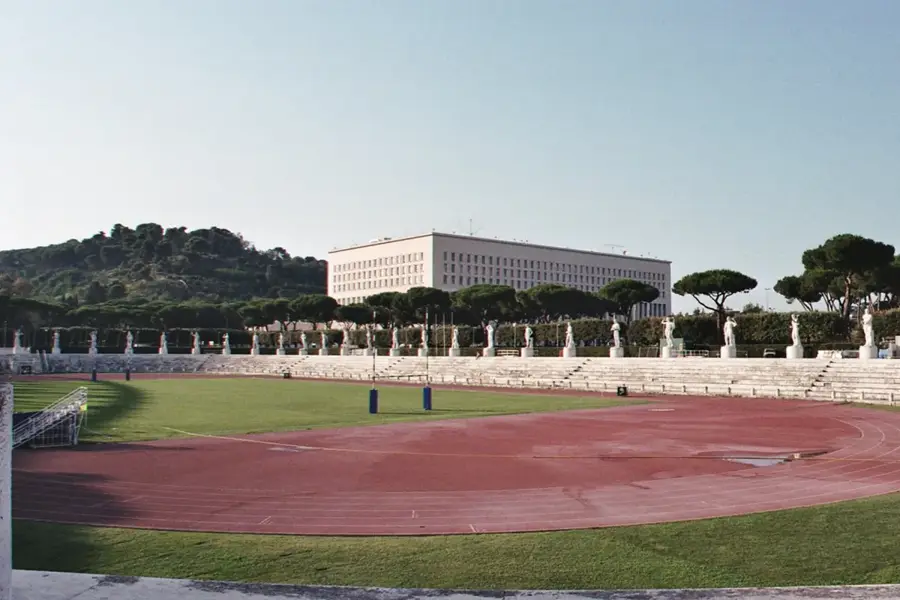
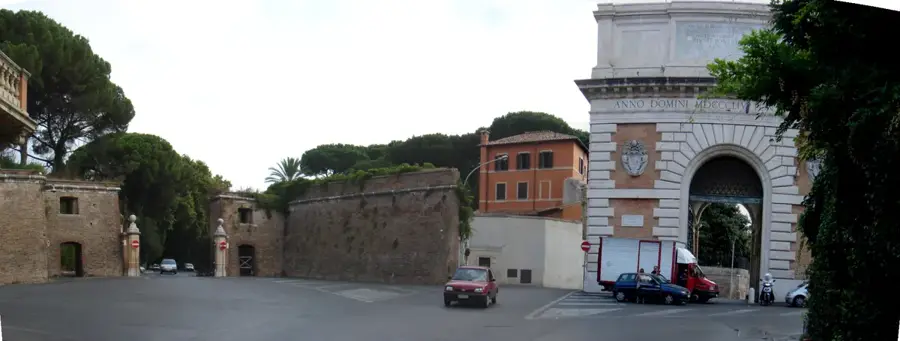
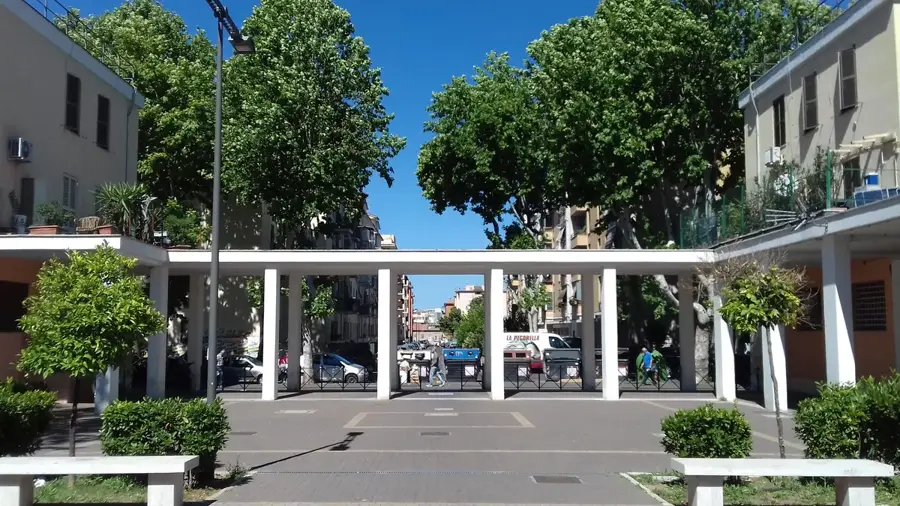
Notable places around
Route planner — Car & Motorhome
Where do you start? We build the route here, with stops and country notes along the way.
© OpenStreetMap contributors · OpenRouteService
Sights in the town Mater Ecclesiae Monastery Garden (10)
St Mary's Church
Church building in Vatican City, dedicated to Saint Mary.
Saint Stephen of the Ethiopians⛪ church
Church of Vatican City, dedicated to Saint Stephen, with Ethiopian ties.
Pius IV House
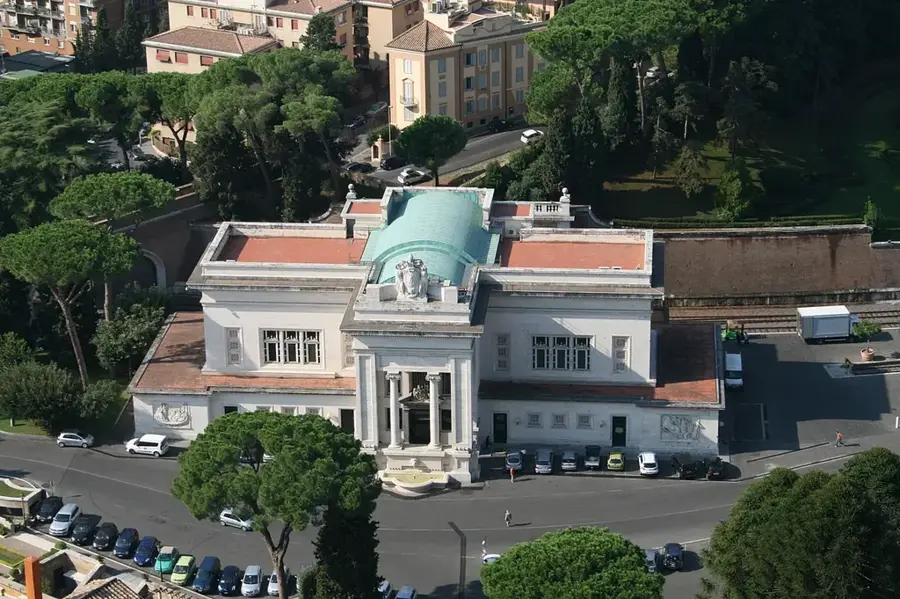
Seat of the Pontifical Academy of Sciences, named after Pope Pius IV.
Cupola di San Pietro
Dome of St. Peter's Basilica in Vatican City, an architectural masterpiece.
Dome of Saint Peter
Viewpoint on the dome of St. Peter's Basilica, offering views of Rome.
Santa Maria delle Grazie al Trionfale
Church building in Rome, Italy, dedicated to Saint Mary.
Sights nearby
Frequently asked questions
Who lived at the Mater Ecclesiae monastery?
What grows in the monastery garden?
When was the monastery founded?
Is the monastery open to visitors?
Where is the building located?
Mater Ecclesiae Monastery Garden: where is it located?
Mater Ecclesiae Monastery Garden: what is there to see?
Mater Ecclesiae Monastery Garden: when is the best time to visit?
Mater Ecclesiae Monastery Garden: why is it worth visiting?

History & landmarks
Nature
More places