Plizio Visual Lab
Japanese Garden Section
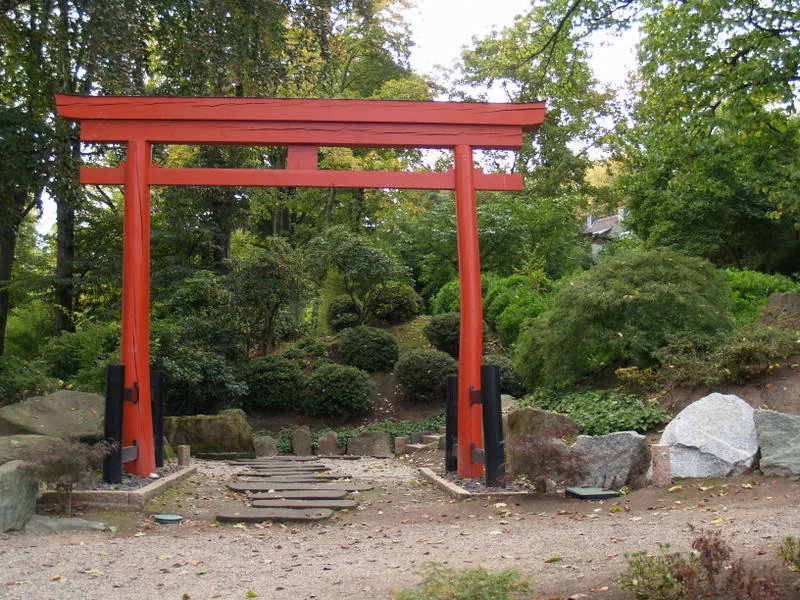
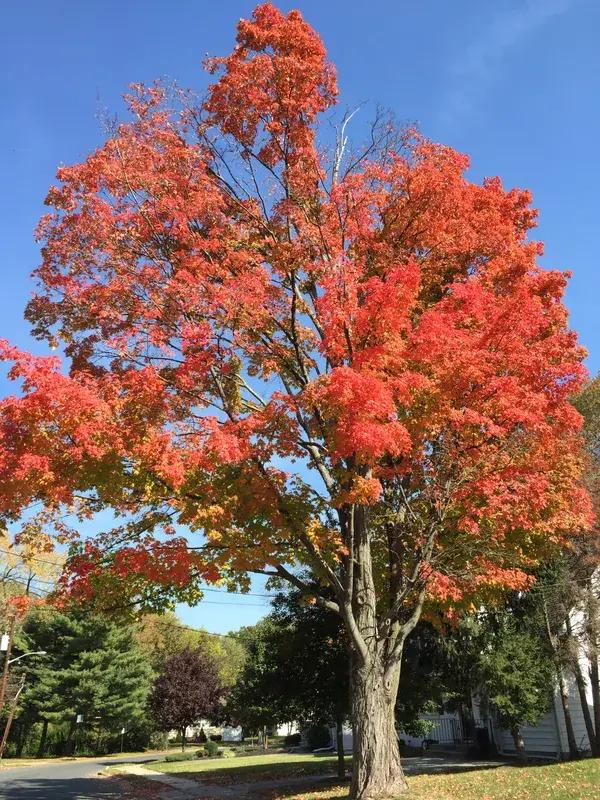
The Japanese Garden section in the Vatican is a small but exquisite oasis of tranquility that brings the principles of Far Eastern garden design to the heart of the Catholic world. This area was created as a sign of friendship and cultural exchange between the Holy See and Japan. The layout follows the aesthetics of a Zen garden, where stones, water, and carefully pruned plants create a meditative atmosphere. Characteristic elements include small stone lanterns, artistically shaped pines, and maple trees that display magnificent colors in autumn. The arrangement of elements is rich in symbolism, intended to represent the path to enlightenment and peace of soul. The gentle splashing of a small stream contributes to the acoustic isolation from the surroundings. The garden demonstrates how universal symbols of nature can be understood across cultural boundaries. Maintenance requires great precision, especially during the topiary pruning of the trees, to permanently preserve the intended harmony and proportions.
- Location: Vatican
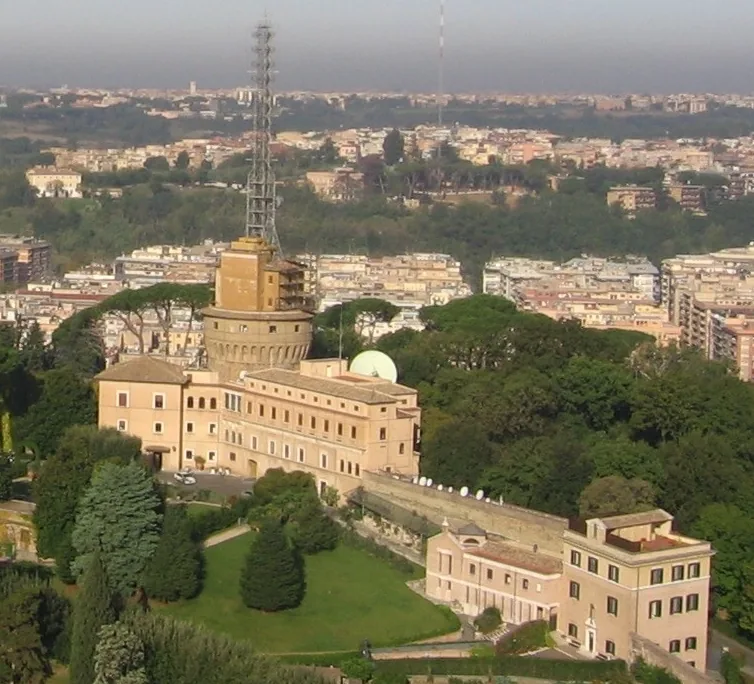
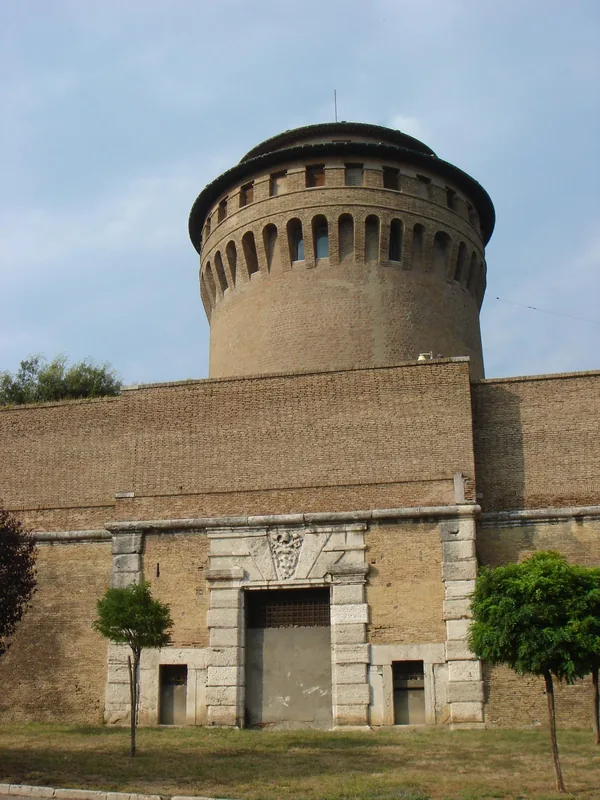
- Top sights: Lourdes Grotto · Vatican Hill · St John's Tower
Best time to visit & climate
The most pleasant time to visit is May, Jun, Sep.
| Jan | Feb | Mar | Apr | May | Jun | Jul | Aug | Sep | Oct | Nov | Dec | |
|---|---|---|---|---|---|---|---|---|---|---|---|---|
| Avg °C | 7 | 8 | 10 | 14 | 18 | 23 | 26 | 26 | 21 | 17 | 12 | 8 |
| Rain mm | 73 | 77 | 69 | 56 | 57 | 34 | 26 | 26 | 70 | 82 | 114 | 92 |
📋 Practical info
Geography
Facts
- The garden was established as an official gift from Japanese delegations.
- Includes traditional Japanese maple species (Acer palmatum).
- The stone lanterns were imported directly from Japan.
- The watercourse symbolizes the flow of life.
- The pines are pruned according to the Niwaki technique.
- The ground is partly covered with fine moss that requires a cool climate.
Explore nearby
Notable places around
Route planner — Car & Motorhome
Where do you start? We build the route here, with stops and country notes along the way.
© OpenStreetMap contributors · OpenRouteService
Sights in the town Japanese Garden Section (10)
St Mary's Church
Church building in Vatican City. Dedicated to the Virgin Mary.
Saint Stephen of the Ethiopians⛪ church
Church of Vatican City. Dedicated to Saint Stephen and Ethiopian Christians.
Pius IV House
Seat of the Pontifical Academy of Sciences, a Renaissance building in the Vatican.
Santa Maria delle Grazie al Trionfale
Church building in Rome, Italy. Dedicated to Our Lady of Graces.
Cupola di San Pietro
Dome of St. Peter's Basilica in Vatican City. Landmark of Rome.
Dome of Saint Peter
Dome of St. Peter's Basilica in Vatican City. Features a panoramic view of Rome.
Sights nearby
Frequently asked questions
Who donated the Japanese Garden?
Are there typical stone lanterns there?
What plants grow here?
Is the Japanese Garden large?
Is it allowed to walk on the bridge?
Japanese Garden Section: where is it located?
Japanese Garden Section: what is there to see?
Japanese Garden Section: when is the best time to visit?
Japanese Garden Section: why is it worth visiting?

History & landmarks
Nature
More places