Plizio Visual Lab
Hall of the Muses
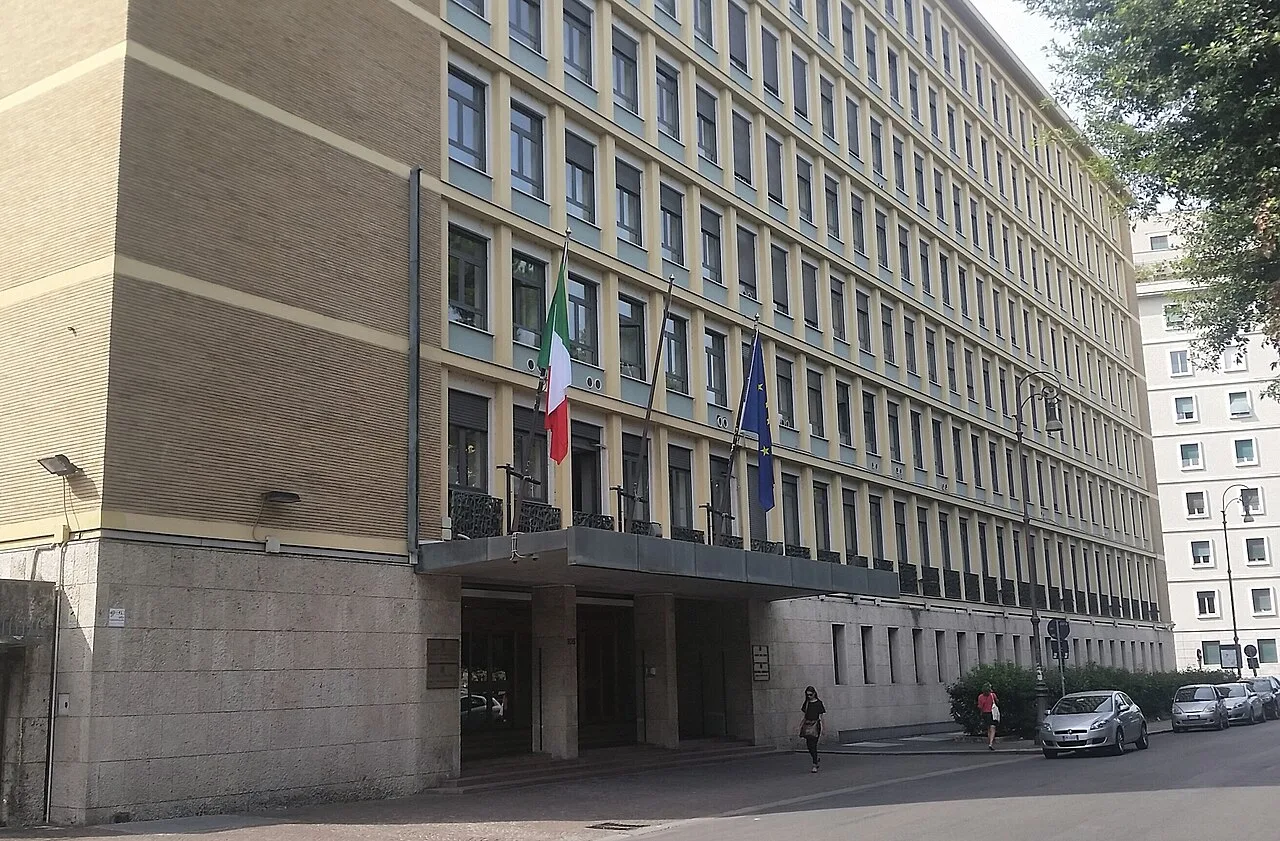
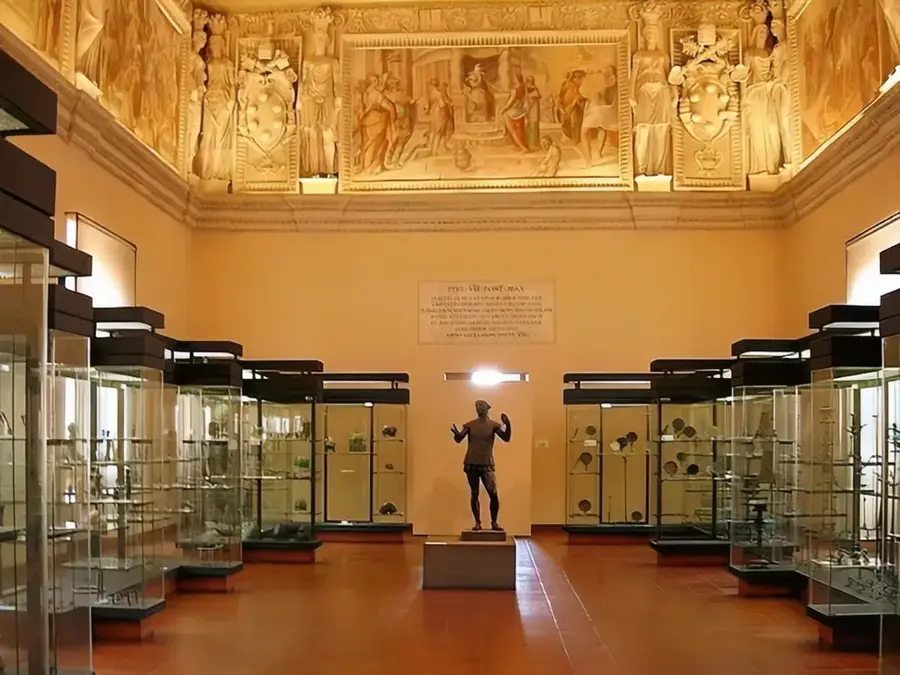
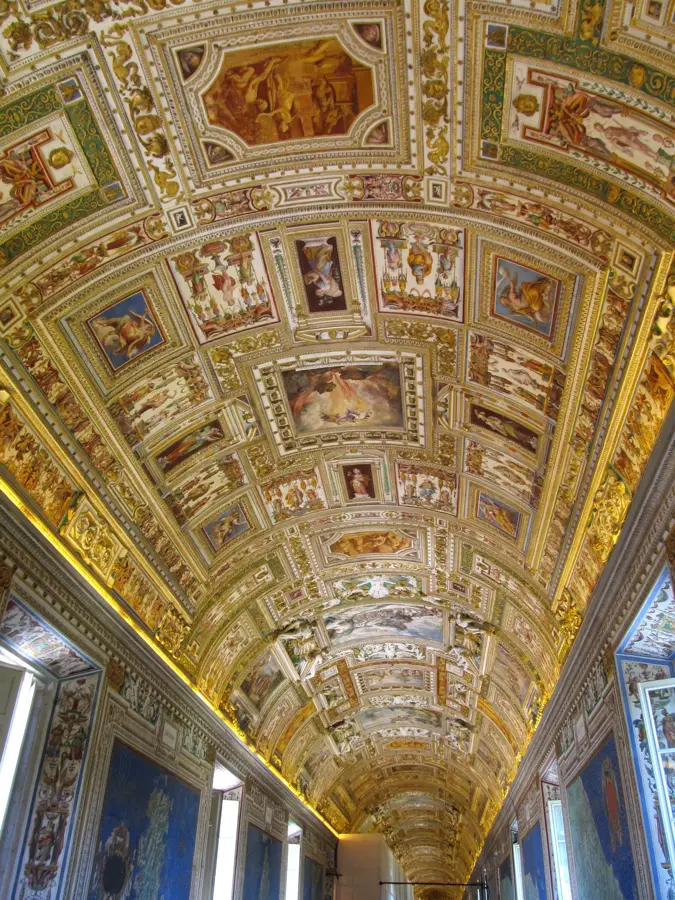
The Sala delle Muse, or Hall of the Muses, is an architectural masterpiece within the Pio-Clementine Museum, built between 1778 and 1784 under Pope Pius VI. Designed by Michelangelo Simonetti, the octagonal hall is characterized by 16 magnificent Corinthian columns carved from Carrara marble. The room was specifically conceived to house a group of statues representing Apollo and the nine Muses, which were discovered in an ancient villa near Tivoli. The undisputed highlight of the collection is the Belvedere Torso, a fragmented Greek sculpture from the 1st century BC that profoundly influenced Renaissance artists, most notably Michelangelo. The ceiling frescoes, painted by Tommaso Conca, depict Apollo and the patron deities of the arts, reinforcing the hall's classical theme. This hall is an exceptional example of 18th-century Neoclassicism, showcasing the Papacy's dedication to preserving ancient ideals of beauty and intellect. Its harmonious design and priceless artifacts make it a focal point for visitors to the Vatican Museums.
- Location: Vatican
- Top sights: Scala Elicoidale Giuseppe Momo · Missionary Ethnological Museum · Museo Pio Clementino
Best time to visit & climate
The most pleasant time to visit is May, Jun, Sep.
| Jan | Feb | Mar | Apr | May | Jun | Jul | Aug | Sep | Oct | Nov | Dec | |
|---|---|---|---|---|---|---|---|---|---|---|---|---|
| Avg °C | 7 | 8 | 10 | 14 | 18 | 23 | 26 | 26 | 21 | 17 | 12 | 8 |
| Rain mm | 73 | 77 | 69 | 56 | 57 | 34 | 26 | 26 | 70 | 82 | 114 | 92 |
📋 Practical info
Geography
Facts
- Constructed between 1778 and 1784 by Pope Pius VI.
- Features 16 massive Corinthian columns of Carrara marble.
- Home to the Belvedere Torso, dating from the 1st century BC.
- The Muses statues were unearthed near Tivoli in 1774.
- The ceiling frescoes were executed by artist Tommaso Conca.
- The octagonal design was inspired by ancient Roman mausoleums.
Explore nearby
Notable places around
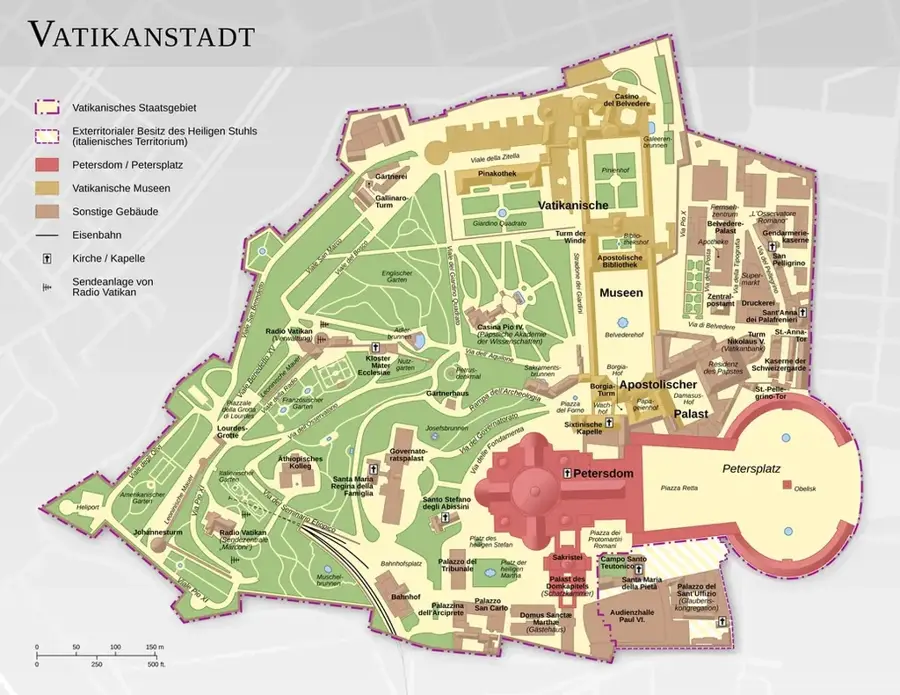
Route planner — Car & Motorhome
Where do you start? We build the route here, with stops and country notes along the way.
© OpenStreetMap contributors · OpenRouteService
Sights in the town Hall of the Muses (10)
Galleria dei Candelabri🏛 museum
Gallery in the Vatican Museums, known for its large marble candelabra.
Tower of the Winds🗼 tower
Tower in Vatican City, built in the 16th century, topped with a weather vane.
Necropoli della Via Triumphalis
Necropolis in Vatican City, ancient tombs along the Via Triumphalis road.
Pius IV House
Seat of the Pontifical Academy of Sciences, a Renaissance building in Vatican City.
Belvedere Courtyard
Former Vatican courtyard designed by Bramante, linking palaces and museums.
Saint Peregrin's Church
Church in Vatican City dedicated to Saint Peregrine, a quiet place of worship.
Sights nearby
Frequently asked questions
What is the most important work in the Hall of the Muses?
Where do the floor mosaics come from?
Who designed the hall's architecture?
What do the ceiling frescoes depict?
What statues are seen here besides the Torso?
Hall of the Muses: where is it located?
Hall of the Muses: what is there to see?
Hall of the Muses: when is the best time to visit?
Hall of the Muses: why is it worth visiting?

History & landmarks

More places