Plizio Visual Lab
Gregorian Profane Museum
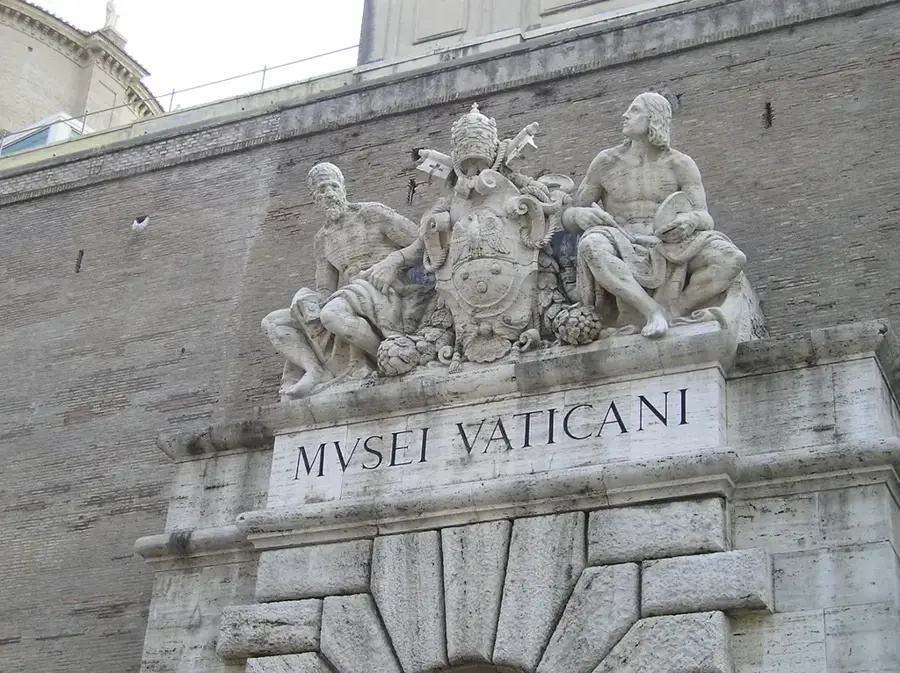
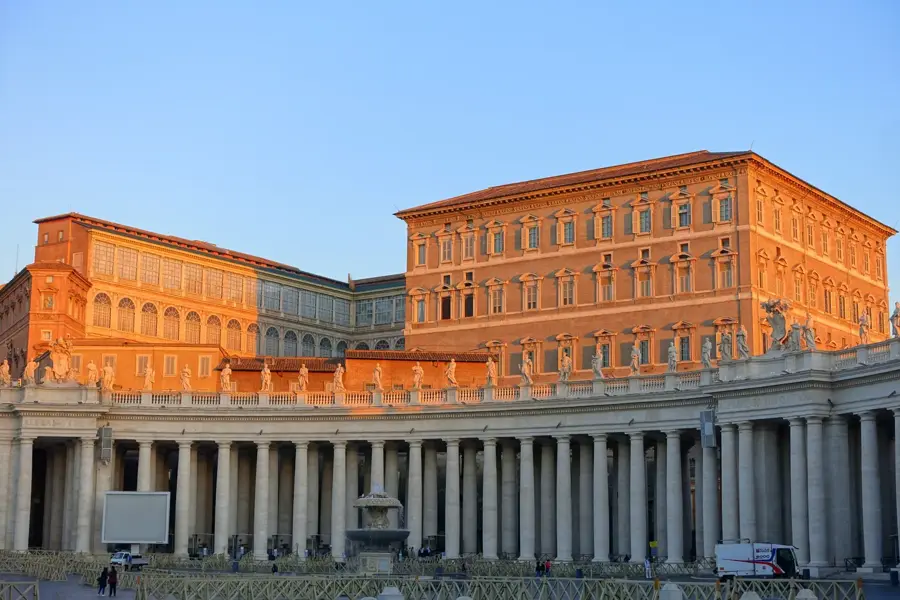
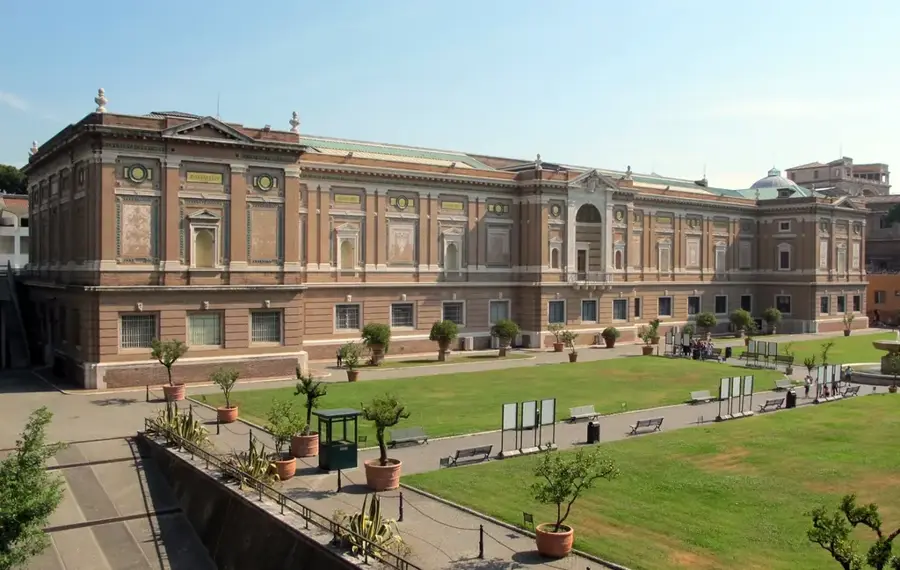
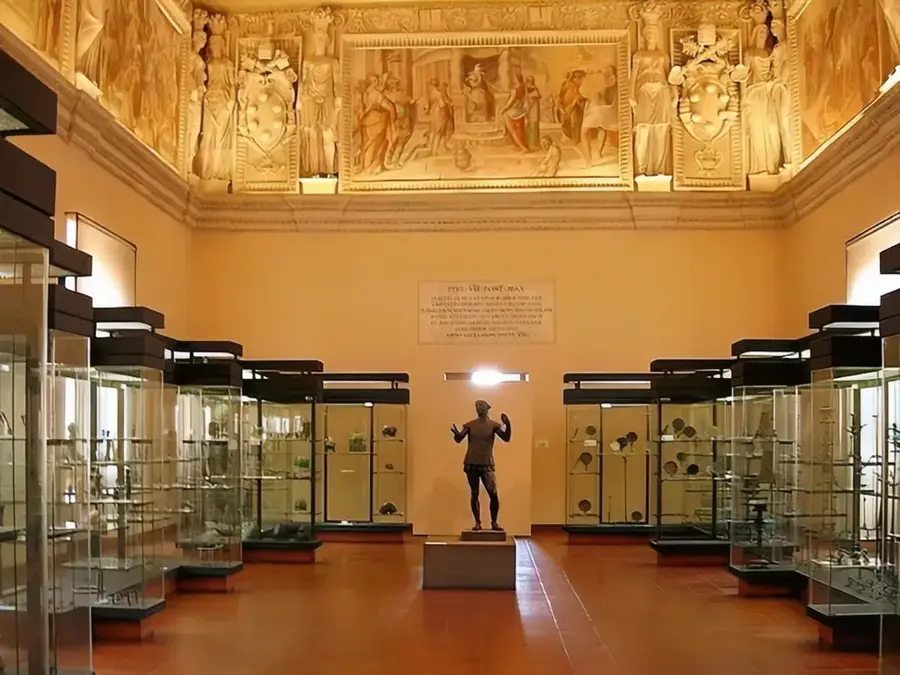
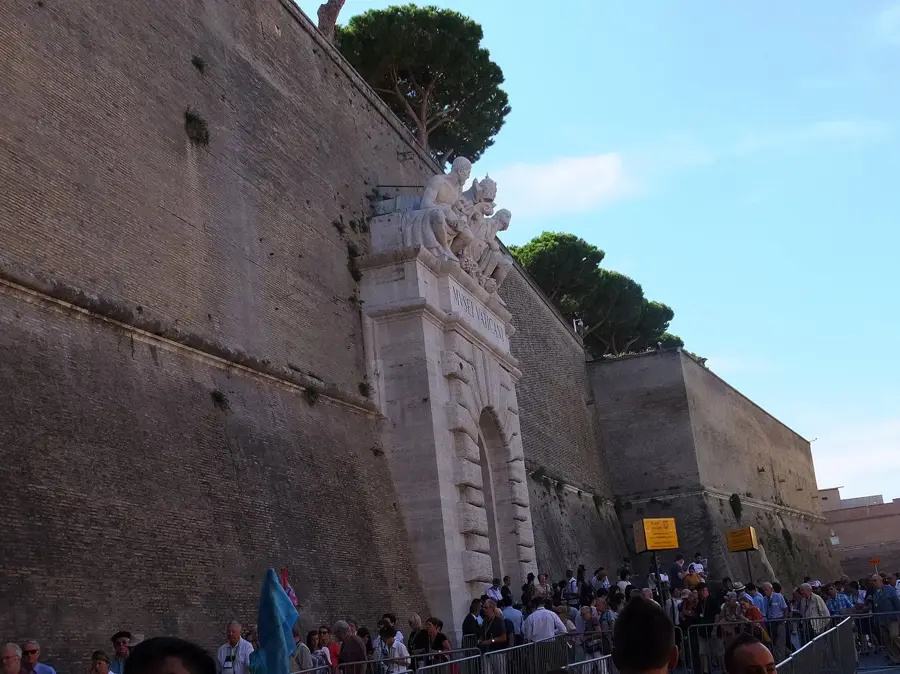
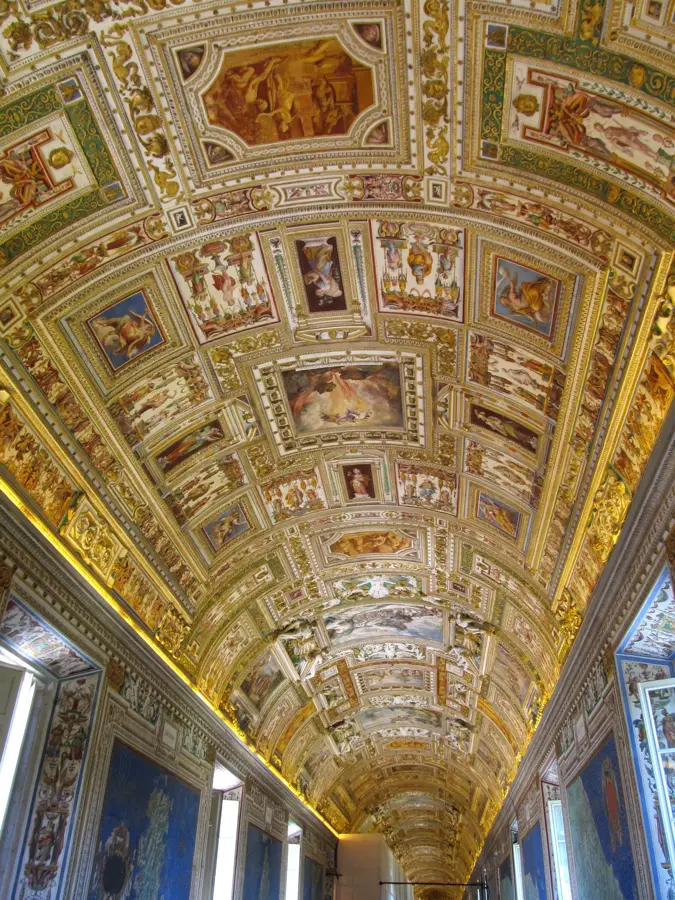
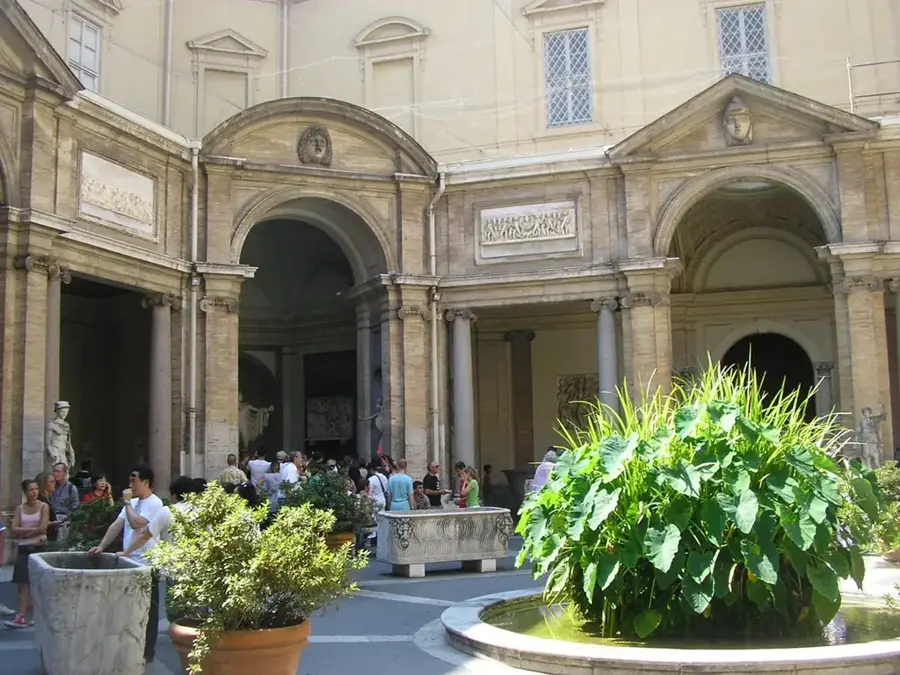
The Gregorian Profane Museum was established in 1844 by Pope Gregory XVI to house ancient artworks of non-Christian origin discovered during excavations within the Papal States. Originally located in the Lateran Palace, the collection was moved in 1970 to a purpose-built modern facility within the Vatican Museums, designed by the Passarelli architectural firm. The museum's layout follows a chronological path, showcasing Greek and Roman sculptural masterpieces ranging from the 5th century BC to the 4th century AD. Notable highlights include findings from the theater of Caere and high-quality Roman copies of lost Greek originals, such as Myron's Athena and Marsyas group. The museum provides a comprehensive overview of the development of classical art and its role in Roman cultural history. Its modern, light-filled architectural design enhances the visibility of the intricate textures and details of the marble exhibits.
- Location: Vatican
- Top sights: Galleria dei Candelabri · Museo Gregoriano Egizio · Museo Chiaramonti
Best time to visit & climate
The most pleasant time to visit is May, Jun, Sep.
| Jan | Feb | Mar | Apr | May | Jun | Jul | Aug | Sep | Oct | Nov | Dec | |
|---|---|---|---|---|---|---|---|---|---|---|---|---|
| Avg °C | 7 | 8 | 10 | 14 | 18 | 23 | 26 | 26 | 21 | 17 | 12 | 8 |
| Rain mm | 73 | 77 | 69 | 56 | 57 | 34 | 26 | 26 | 70 | 82 | 114 | 92 |
📋 Practical info
Geography
Facts
- Founded by Pope Gregory XVI on May 14, 1844.
- Relocated to the Vatican in 1970 under Pope Paul VI.
- Houses original fragments from the Parthenon in Athens.
- Features the famous funerary stele of the 'Vicmagistri'.
- The collection includes imperial-era sarcophagi and portraits.
- The modern building uses innovative steel and glass design.
Explore nearby
Notable places around
Route planner — Car & Motorhome
Where do you start? We build the route here, with stops and country notes along the way.
© OpenStreetMap contributors · OpenRouteService
Sights in the town Gregorian Profane Museum (10)
Museo Chiaramonti🏛 museum
Branch of the Vatican Museums, housing ancient sculptures and Roman portraits.
Tower of the Winds🗼 tower
Tower in Vatican City, built in the 16th century, topped with a weather vane.
Necropoli della Via Triumphalis
Necropolis in Vatican City, ancient tombs along the Via Triumphalis road.
Belvedere Courtyard
Former Vatican courtyard designed by Bramante, linking palaces and museums.
Saint Peregrin's Church
Church in Vatican City dedicated to Saint Peregrine, a quiet place of worship.
Pius IV House
Seat of the Pontifical Academy of Sciences, a Renaissance building in Vatican City.
Sights nearby
Frequently asked questions
What does the Museo Gregoriano Profano display?
When was this museum founded?
What famous mosaic can be seen here?
Is it part of the Vatican Museums?
Is there Egyptian art here?
Gregorian Profane Museum: where is it located?
Gregorian Profane Museum: what is there to see?
Gregorian Profane Museum: when is the best time to visit?
Gregorian Profane Museum: why is it worth visiting?

History & landmarks


More places