Plizio Visual Lab
Gregorian Egyptian Museum
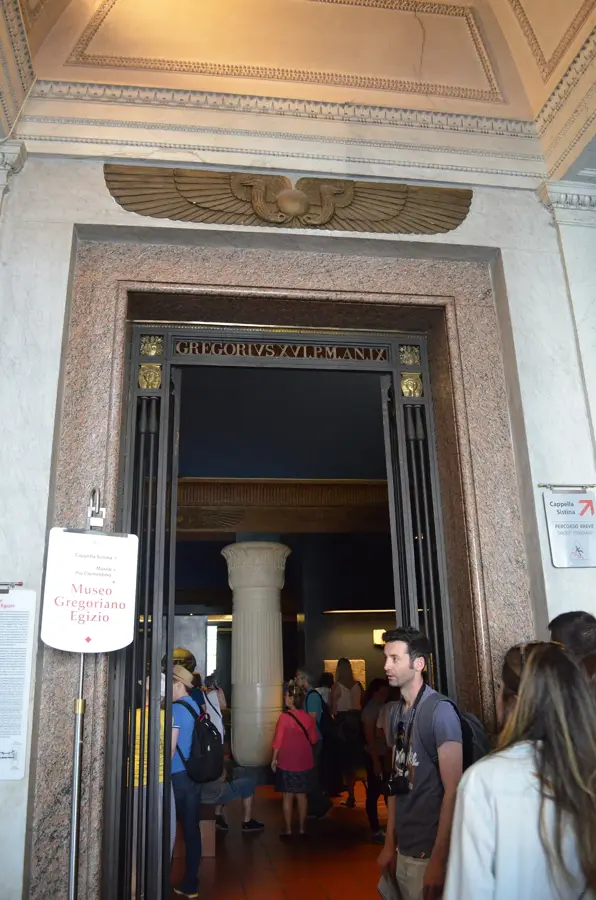
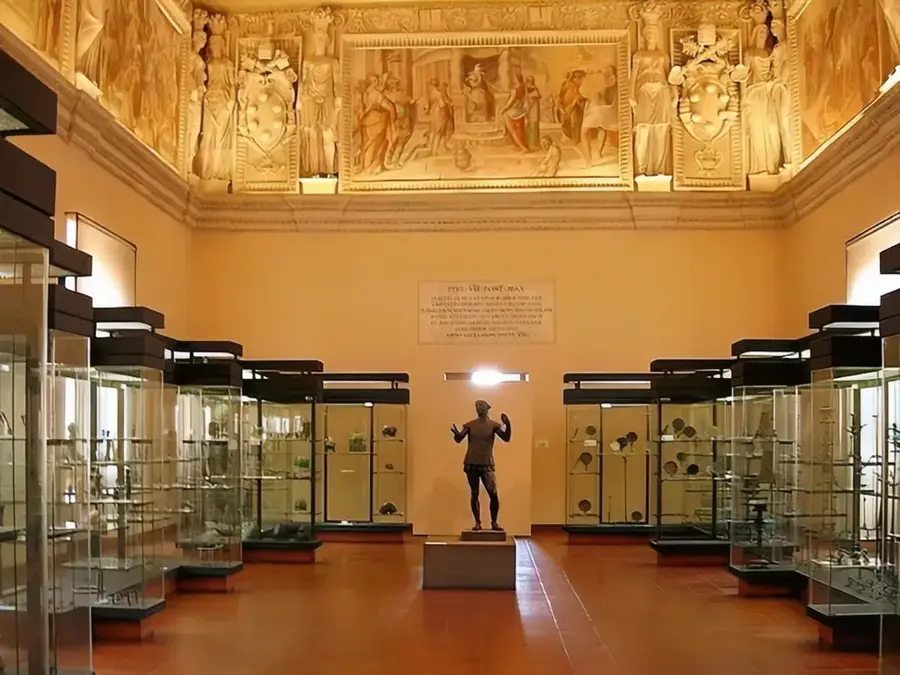
The Gregorian Egyptian Museum was founded in 1839 by Pope Gregory XVI and is a significant part of the Vatican Museums complex. Comprising nine rooms, the museum houses a vast collection of artifacts from Ancient Egypt, alongside Assyrian and Mesopotamian finds. A large portion of the items on display were originally brought to Rome during the imperial era to decorate villas such as Hadrian's Villa in Tivoli, reflecting the Roman fascination with Egyptian art. Key highlights of the collection include basalt statues from the late Egyptian period, elaborately decorated sarcophagi, mummies, and steles with hieroglyphic inscriptions. The museum's rooms are often decorated in an Egyptianizing style to complement the ancient exhibits. This museum provides essential context for understanding how Egyptian religious and artistic traditions were assimilated and preserved by the Romans. It remains a crucial resource for the study of Near Eastern civilizations in the heart of the Vatican.
- Location: Vatican
- Top sights: Museo Gregoriano Egizio · Museo Pio Clementino · Scala Elicoidale Giuseppe Momo
Best time to visit & climate
The most pleasant time to visit is May, Jun, Sep.
| Jan | Feb | Mar | Apr | May | Jun | Jul | Aug | Sep | Oct | Nov | Dec | |
|---|---|---|---|---|---|---|---|---|---|---|---|---|
| Avg °C | 7 | 8 | 10 | 14 | 18 | 23 | 26 | 26 | 21 | 17 | 12 | 8 |
| Rain mm | 73 | 77 | 69 | 56 | 57 | 34 | 26 | 26 | 70 | 82 | 114 | 92 |
📋 Practical info
Geography
Facts
- Founded by Pope Gregory XVI in the year 1839
- Consists of nine rooms dedicated to ancient civilizations
- Many artifacts were sourced from Hadrian's Villa in Tivoli
- Features a collection of Egyptian, Assyrian, and Mesopotamian art
- Houses rare basalt statues and well-preserved mummies
- The interior decor reflects 19th-century Egyptian revival style
Explore nearby
Notable places around
Route planner — Car & Motorhome
Where do you start? We build the route here, with stops and country notes along the way.
© OpenStreetMap contributors · OpenRouteService
Sights in the town Gregorian Egyptian Museum (10)
Galleria dei Candelabri🏛 museum
Gallery in the Vatican Museums, named after the large marble candelabra displayed there.
Tower of the Winds🗼 tower
Tower in Vatican City, once used as an observatory and weather station.
Necropoli della Via Triumphalis
Ancient necropolis in Vatican City, located along the Via Triumphalis.
Belvedere Courtyard
Former Vatican courtyard, now part of the Vatican Museums complex.
Saint Peregrin's Church
Church in Vatican City, dedicated to Saint Peregrin.
Pius IV House
Seat of the Pontifical Academy of Sciences, named after Pope Pius IV.
Sights nearby
Frequently asked questions
When was the museum founded?
What are the highlights of the collection?
Where do most of the pieces come from?
How many rooms does the museum have?
Is entry included in the Vatican Museums ticket?
Gregorian Egyptian Museum: where is it located?
Gregorian Egyptian Museum: what is there to see?
Gregorian Egyptian Museum: when is the best time to visit?
Gregorian Egyptian Museum: why is it worth visiting?

History & landmarks




More places