Plizio Visual Lab
Camellia Path
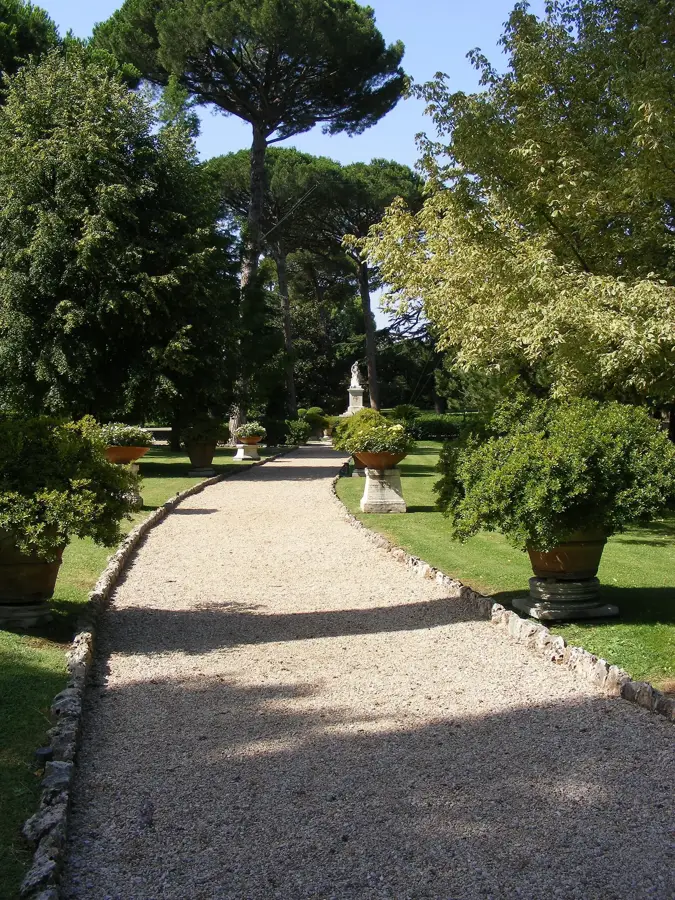
The Camellia Path is a shaded and atmospheric section of the Vatican Gardens, particularly renowned for its variety of Camellia japonica. This path was designed to benefit from the high canopies of adjacent trees, creating the convenient partial shade for these East Asian beauties. The collection features numerous cultivars with flower shapes ranging from simple cups to densely double, rose-like varieties. Blooming often begins as early as late winter and continues through spring, making the path one of the first attractions of the gardening year. Gardeners pay meticulous attention to the soil's acidity, which is crucial for the camellias' success. Historically, the first camellias arrived in Europe in the 18th century and soon found their way into the exclusive gardens of the nobility and the Church. The path is laid with fine gravel and bordered by low hedges, emphasizing the location's intimacy. The plants also function as visual screens, dividing the garden into different experiential rooms. Regular fertilization and controlled irrigation ensure a magnificent display of flowers every year.
- Location: Vatican
- Top sights: Vatican Hill · Lourdes Grotto · St Mary's Church
Best time to visit & climate
The most pleasant time to visit is May, Jun, Sep.
| Jan | Feb | Mar | Apr | May | Jun | Jul | Aug | Sep | Oct | Nov | Dec | |
|---|---|---|---|---|---|---|---|---|---|---|---|---|
| Avg °C | 7 | 8 | 10 | 14 | 18 | 23 | 26 | 26 | 21 | 17 | 12 | 8 |
| Rain mm | 73 | 77 | 69 | 56 | 57 | 34 | 26 | 26 | 70 | 82 | 114 | 92 |
📋 Practical info
Geography
Facts
- Camellias belong to the Theaceae (tea) family
- The plants prefer lime-free, acidic soils
- The name honors the Moravian Jesuit botanist Georg Joseph Kamel
- Some shrubs along the path have grown over two meters tall
- Flower colors range from pure white to deep dark red
- Rainwater is often collected for irrigation as it is low in lime
Explore nearby
Notable places around


Route planner — Car & Motorhome
Where do you start? We build the route here, with stops and country notes along the way.
© OpenStreetMap contributors · OpenRouteService
Sights in the town Camellia Path (10)
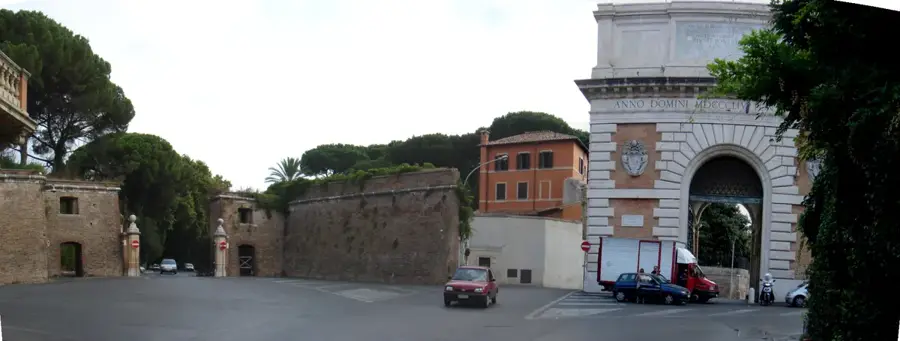
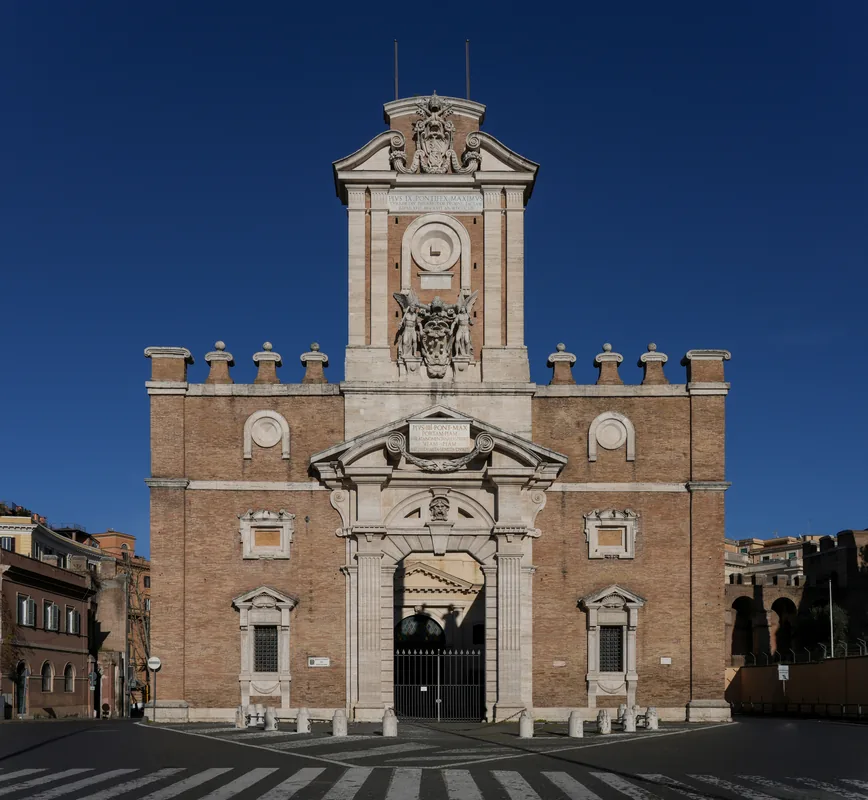
Porta Pertusa
Building in Rome, Italy, a city gate.
Saint Stephen of the Ethiopians⛪ church
Church of the Vatican City, dedicated to Saint Stephen.
Cupola di San Pietro
Dome of St. Peter's Basilica in Vatican City.
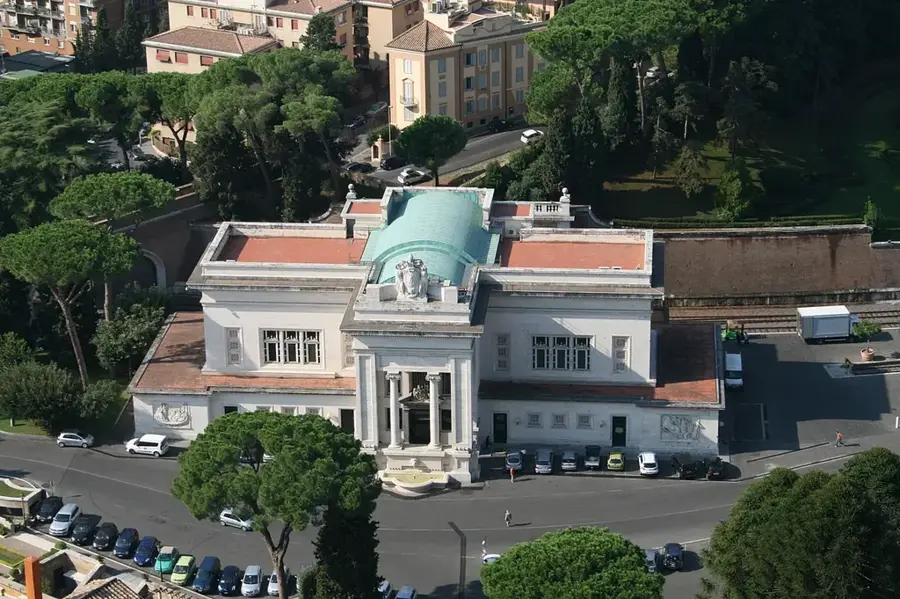
Pius IV House
Seat of the Pontifical Academy of Sciences.
Dome of Saint Peter
Dome of St. Peter's Basilica, used as a viewpoint.
Saint Peter's Basilica
Church in Vatican City, the principal papal church.
Sights nearby
Frequently asked questions
When do the camellias bloom?
What colors are the camellias?
Do camellias like the sun?
Are the plants large?
Is the path suitable for wheelchair users?
Camellia Path: where is it located?
Camellia Path: what is there to see?
Camellia Path: when is the best time to visit?
Camellia Path: why is it worth visiting?

History & landmarks
Nature

More places