Plizio Visual Lab
Mount Santop

Weather…
Water temperature…
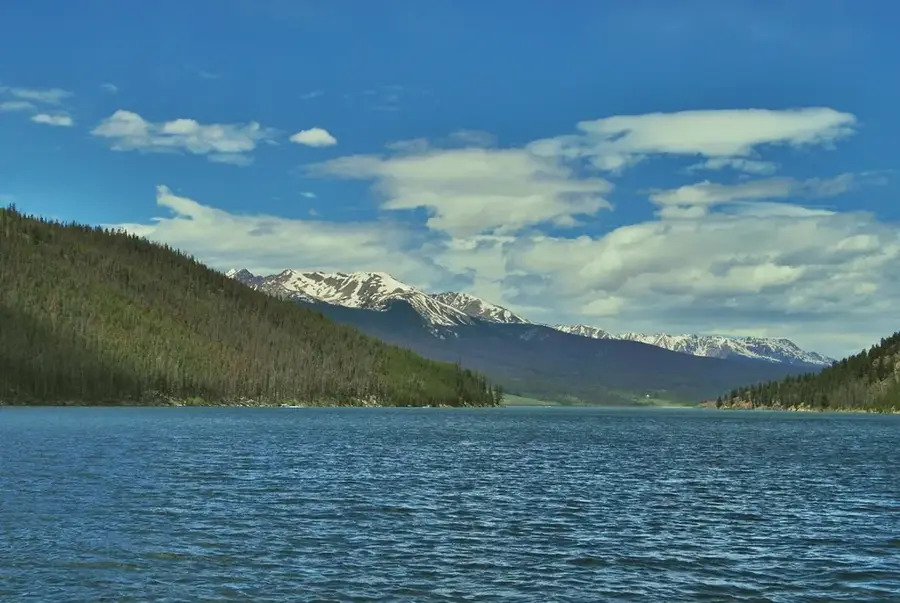
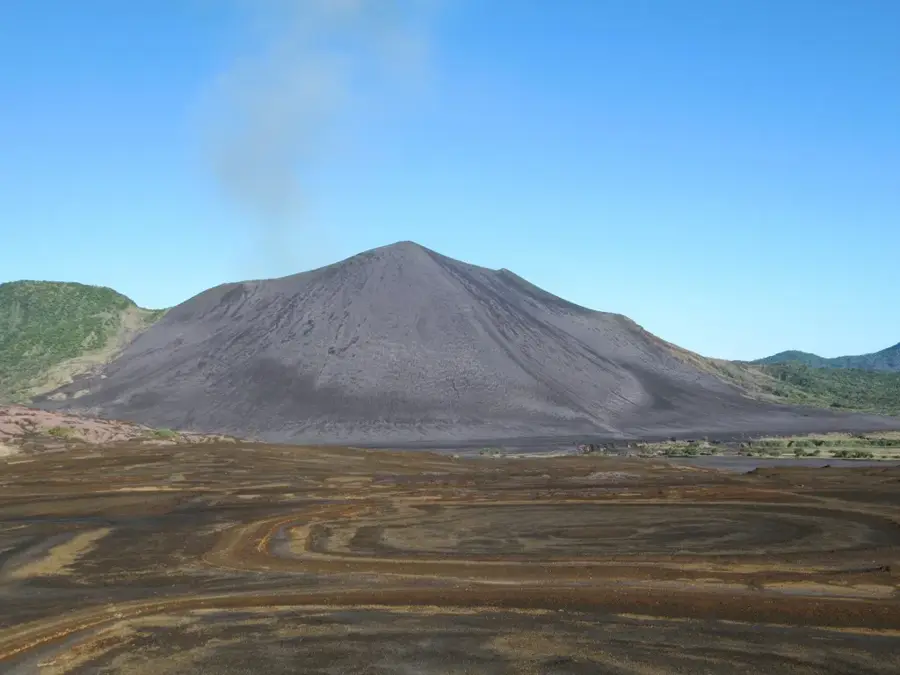
Mount Santop is a prominent elevation in the central highlands of Espiritu Santo island in Vanuatu, ranking among the highest peaks in the country. With an estimated elevation of approximately 1,704 meters, it is situated in a region characterized by extreme topographical variations and dense cloud forests. Geologically, the mountain is part of a massif formed by tectonic uplift and volcanic activity in late geological history. The slopes of Mount Santop are ecologically invaluable, providing habitat for numerous endemic species that can only survive at these specific altitudes. Due to extreme humidity and frequent cloud cover, the vegetation here is particularly lush, including ferns, mosses, and orchids. Accessing the mountain is exceptionally difficult, requiring multi-day expeditions through impenetrable jungle, making it a destination for experienced mountaineers and researchers. The mountain also holds significance in the mythology of local communities, who often regard the summit region as a sacred site.
- Location: Vanuatu
- Nearby: Louniel Traditional Site (82 km)
Best time to visit & climate
The most pleasant time to visit is Jul–Sep.
| Jan | Feb | Mar | Apr | May | Jun | Jul | Aug | Sep | Oct | Nov | Dec | |
|---|---|---|---|---|---|---|---|---|---|---|---|---|
| Avg °C | 27 | 28 | 28 | 27 | 26 | 25 | 24 | 24 | 24 | 25 | 26 | 27 |
| Rain mm | 195 | 172 | 244 | 206 | 111 | 98 | 68 | 60 | 55 | 93 | 102 | 140 |
📋 Practical info
Geography
Facts
- Estimated summit elevation of 1,704 meters
- Second highest peak on Espiritu Santo island
- Surrounded by primary tropical cloud forest
- Critical watershed for the island's rivers
- Tectonic origin dating to the Pleistocene
- Sacred site in local kastom traditions
Explore nearby
Notable places around


Route planner — Car & Motorhome
Where do you start? We build the route here, with stops and country notes along the way.
© OpenStreetMap contributors · OpenRouteService
Sights nearby
Frequently asked questions
When should you visit the mountain?
Is the hike scenic?
Are there dangerous animals?
How fit must you be?
Is wild camping allowed?
Mount Santop: where is it located?
Mount Santop: when is the best time to visit?
Mount Santop: why is it worth visiting?
Nearby cities

History & landmarks
Nature
More places