Plizio Visual Lab

Al Hajar Mountains
Plizio editorial teamData Sources
Mountain
—°2
Al Hajar Mountains (United Arab Emirates)

Weather…

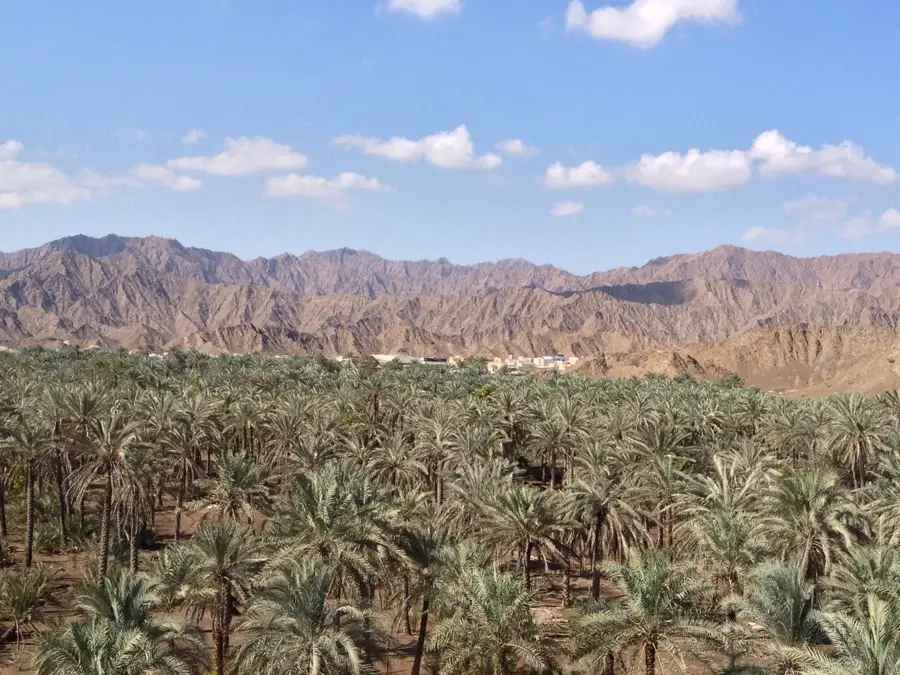
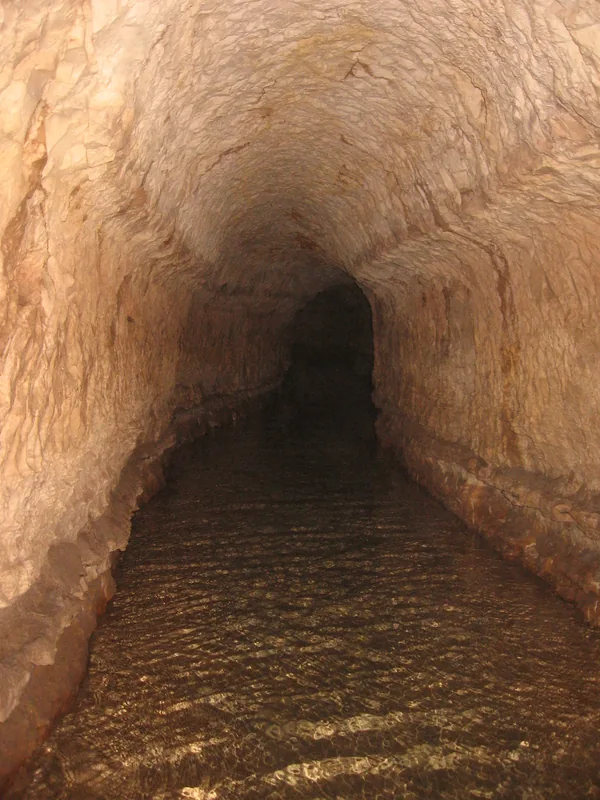
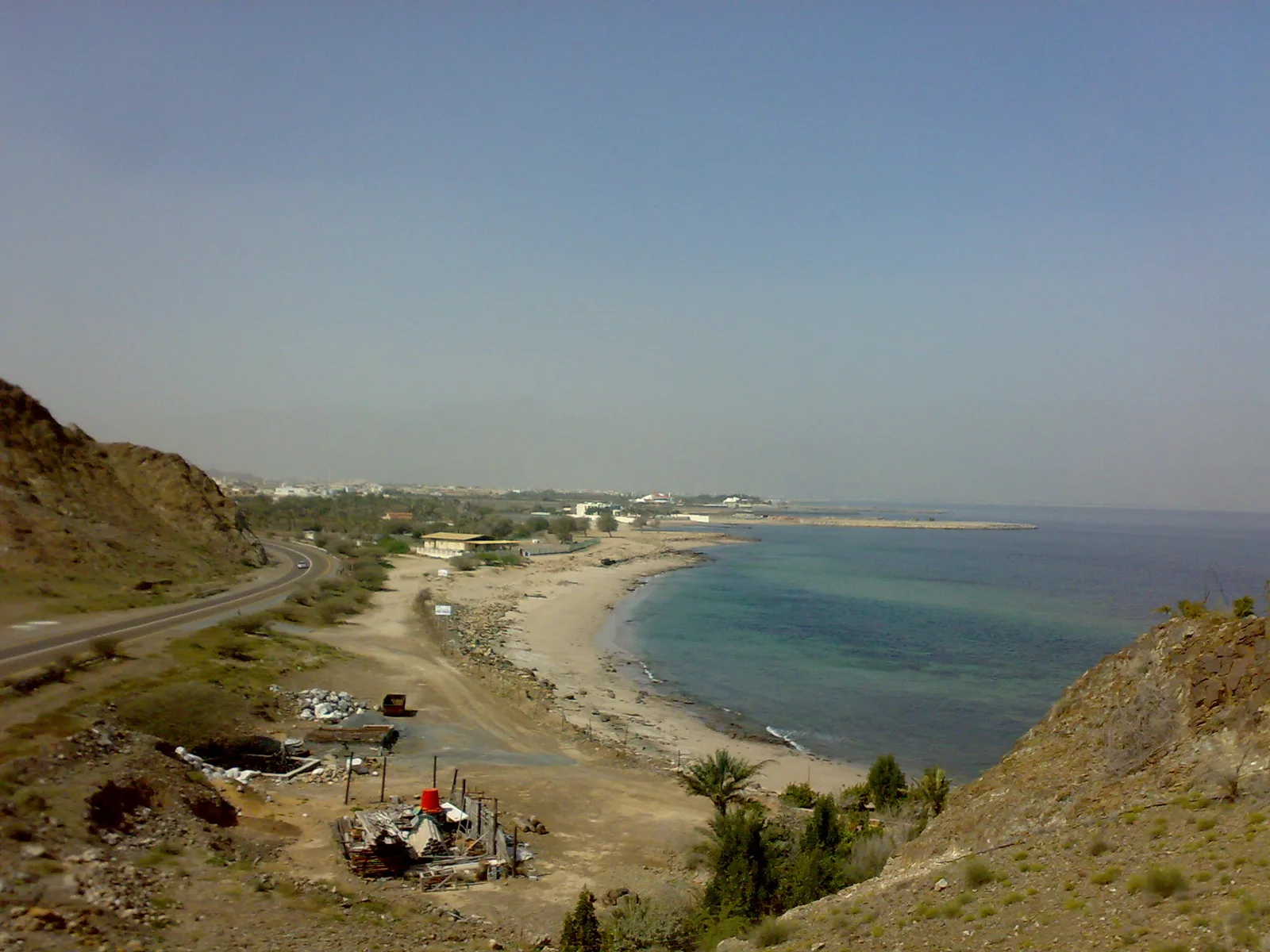
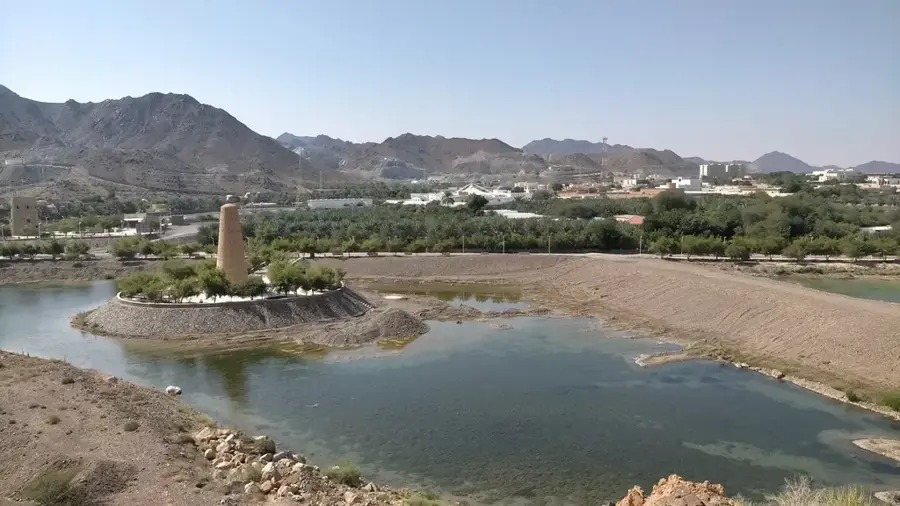
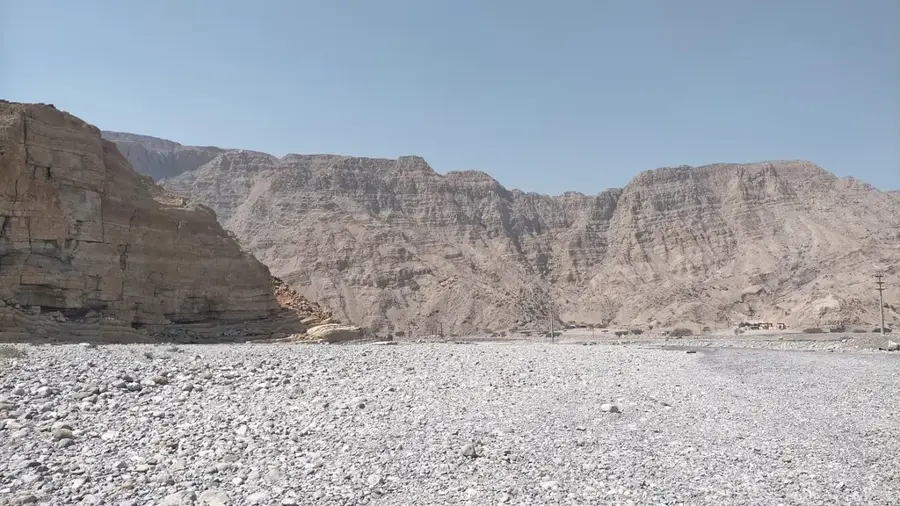
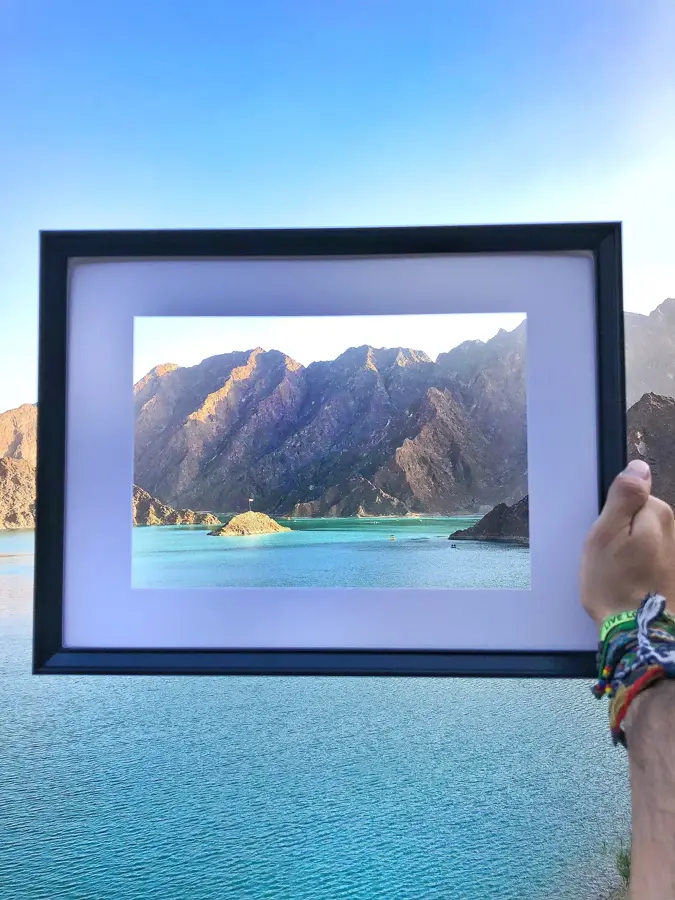
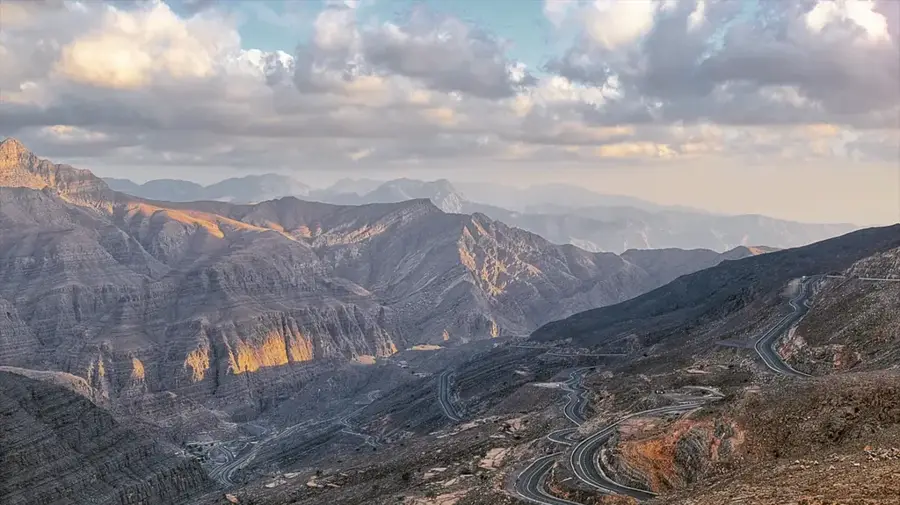
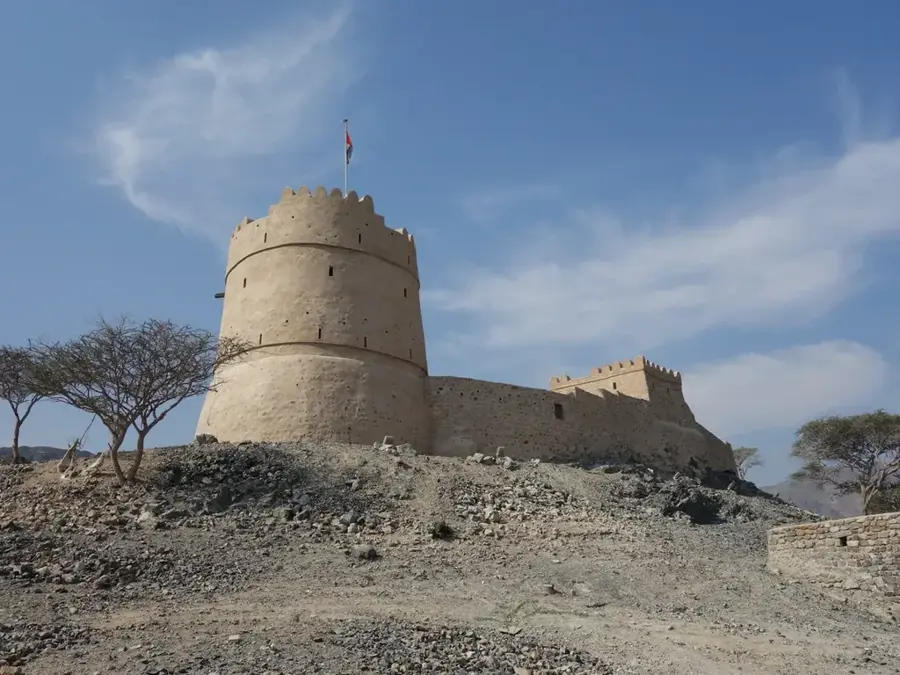
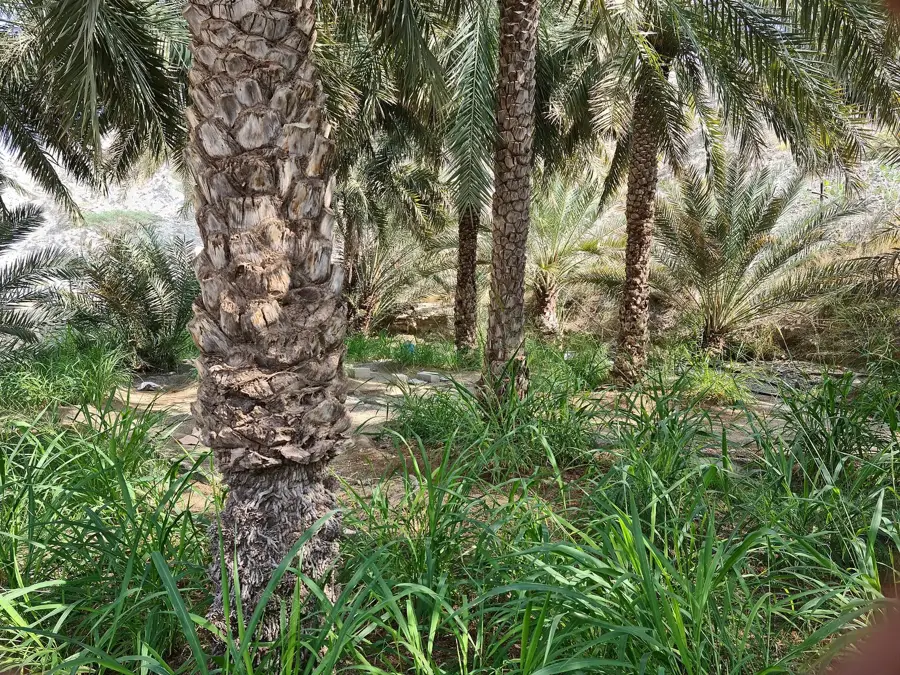
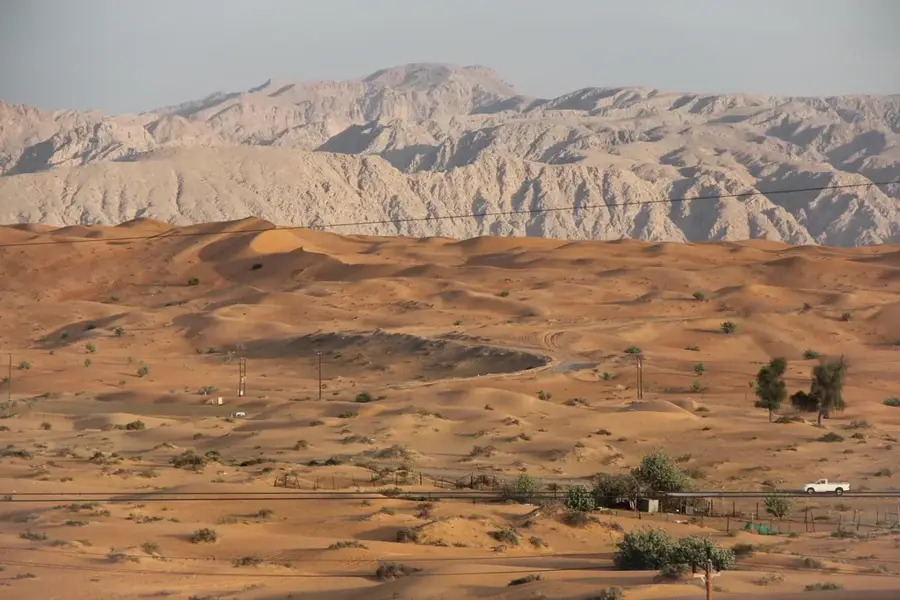
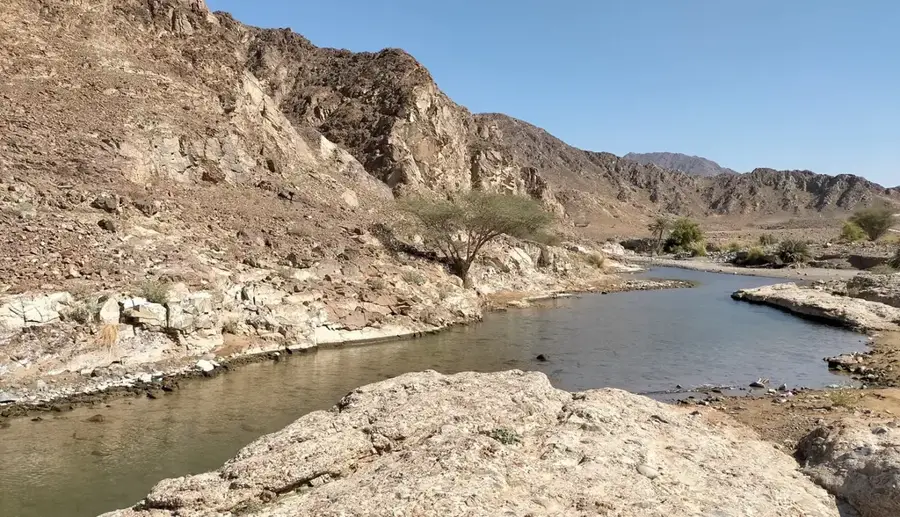
The Al Hajar Mountains are the highest mountain range in the eastern Arabian Peninsula, stretching across large parts of Oman and the eastern United Arab Emirates. The range was formed approximately 70 million years ago through tectonic collisions between the Arabian and Eurasian plates. A unique feature of the region is the presence of ophiolites, rocks from the former ocean floor that were uplifted here, fascinating geologists worldwide. The landscape is characterized by rugged peaks, deep canyons (wadis), and terraced slopes where agriculture has been practised for centuries. The mountains act as a significant climatic divide, trapping moisture from the Indian Ocean, resulting in occasional rainfall and a level of biodiversity unusual for the region. Ancient irrigation systems called falaj, which are part of the UNESCO World Heritage, are often found in the valleys. For tourists, the Hajar Mountains offer excellent opportunities for off-road adventures, hiking, and cultural exploration.

Best time to visit & climate

The most pleasant time to visit is Jan, Feb, Dec.

JanFebMarAprMayJunJulAugSepOctNovDec
Avg °C202124283335353433302622
Rain mm29101761622131015

📋 Practical info

🧭
Getting there
Approaching this dramatic mountain range typically begins from the eastern coastal cities or by driving inland from Dubai and Sharjah. Well-paved highways slowly transition into winding, steep mountain passes that lead deep into the rocky interior.
📅
Best season
The winter season, stretching from November to March, features the most pleasant and safest conditions for exploring the rugged terrain. During summer, the scorching heat radiates from the stones, making strenuous outdoor activities extremely demanding.
⛰️
Terrain & paths
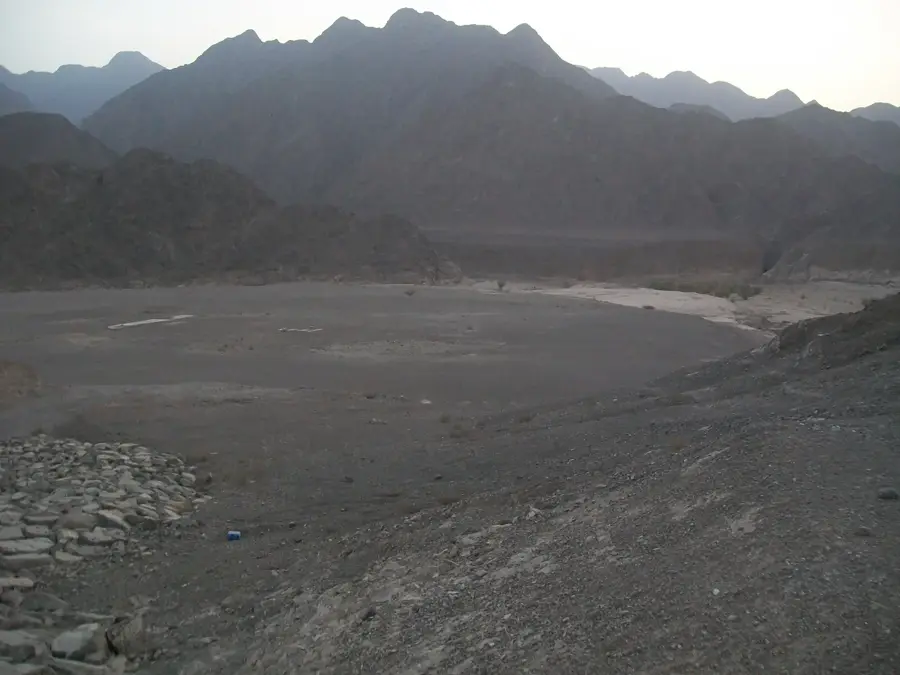
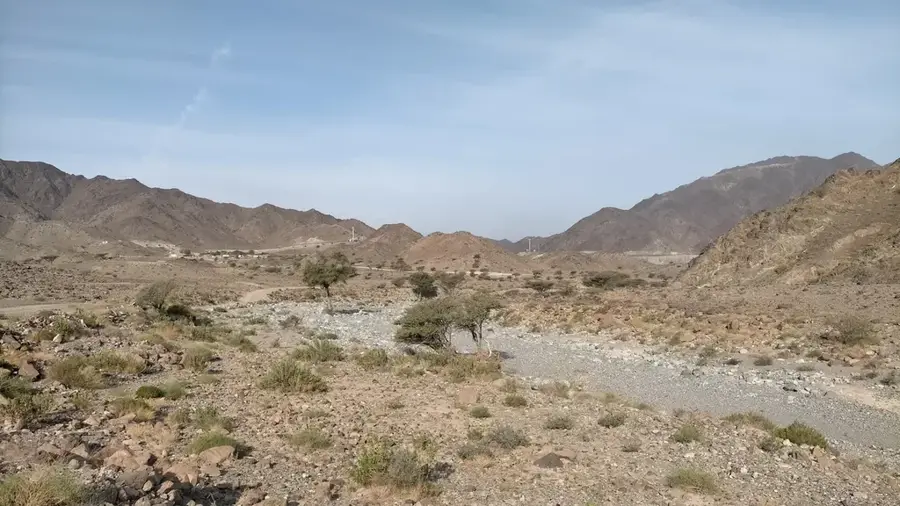
The landscape is remarkably arid and rocky, characterized by sharp peaks, deep dry riverbeds known as wadis, and loose gravel paths. Hikers will find steep inclines and uneven surfaces that demand constant attention to foot placement.
🎒
What to bring
High-quality hiking boots with excellent ankle support are an absolute necessity for traversing the unstable rocky trails. Visitors must carry abundant water reserves, emergency communication devices, and layers of clothing for sudden temperature drops.
🅿️
Parking
Designated parking zones are usually found at the entrances of popular wadis or near established mountain resort properties. When pulling off along the winding mountain roads, ensure the vehicle is completely clear of tight blind corners and traffic.
⚠️
Safety
Flash floods in the wadis represent a severe and sudden hazard during sporadic rainstorms, requiring immediate evacuation to higher ground. Traveling with multiple vehicles and experienced guides is strongly recommended in these isolated areas.
⏱️
Time needed
A thorough exploration of a specific wadi or a prominent mountain peak trail comfortably fills an entire day from dawn to dusk. Multi-day camping expeditions are also popular among well-prepared adventurers looking to fully immerse themselves.

Geography

Coordinates
25.30000, 56.10000

Facts

  • The highest peak in the range is Jebel Shams in Oman, standing at 3,009 metres.
  • The mountains stretch over a total length of approximately 500 kilometres.
  • Geologically, the region contains the world's largest exposed ophiolite complex.
  • The name 'Hajar' is derived from Arabic and translates to 'stone' or 'rocky'.
  • Mountain building (orogeny) began in the Late Cretaceous, about 70 million years ago.
  • The range is home to rare wildlife, including the endangered Arabian tahr.

Explore nearby

Notable places around

Route planner — Car & Motorhome

Where do you start? We build the route here, with stops and country notes along the way.

Vehicle
Only stops with (optional):

© OpenStreetMap contributors · OpenRouteService

Sights in the town Al Hajar Mountains (2)

Jabal Hidehid🌿 nature

A rugged limestone peak within the dramatic, arid landscape of the Al Hajar Mountains.

Jabal Al 'Arfay🌿 nature

A prominent summit offering vistas over the jagged peaks and deep wadis of the Hajar mountain range.

Sights nearby

Frequently asked questions

What are the Al Hajar Mountains?
An impressive mountain range running through Oman and the UAE.
Is it cooler there?
Yes, at higher altitudes, temperatures are often 5-10 degrees lower.
Is it suitable for hiking?
Absolutely, the mountains offer some of the best hiking trails in the entire region.
Which vehicle is best?
A robust 4x4 vehicle is essential for the steep and often unpaved routes.
Is there accommodation there?
There are some luxury resorts and mountain lodges in selected areas.
Al Hajar Mountains: where is it located?
Al Hajar Mountains is located in United Arab Emirates.
Al Hajar Mountains: what is there to see?
Highlights include Jabal Hidehid, Jabal Al 'Arfay.
Al Hajar Mountains: when is the best time to visit?
The most pleasant time to visit is Jan, Feb, Dec.
Al Hajar Mountains: why is it worth visiting?

The Al Hajar Mountains are the highest mountain range in the eastern Arabian Peninsula, stretching across large parts of Oman and the eastern United Arab Emirates.
View on map → The Top 50 Attractions → OpenStreetMap →
Asia
Explore with Plizio Discover more places in Asia
More places in United Arab Emirates →

Nearby cities

History & landmarks

Nature
More places