Plizio Visual Lab
Banana Plantations
Weather…
Water temperature…
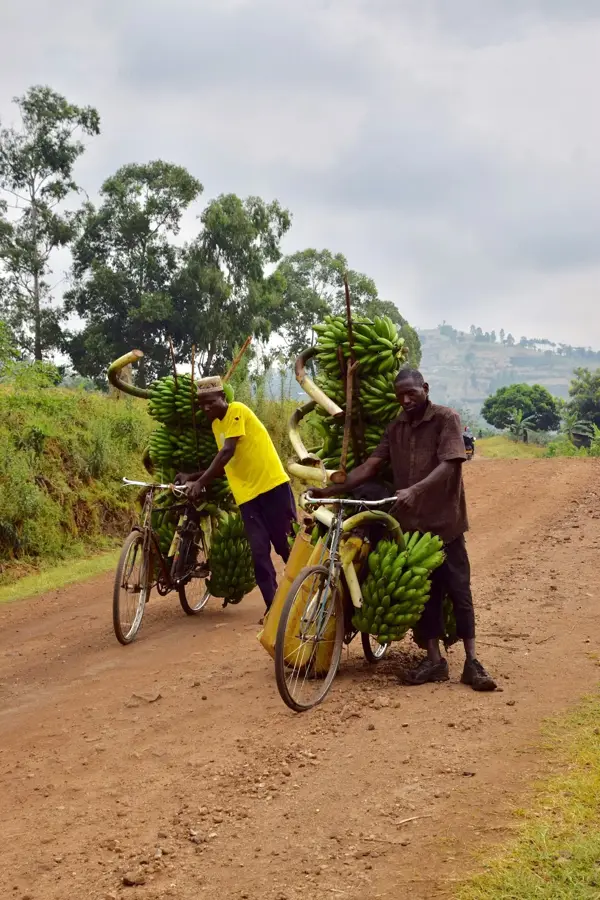
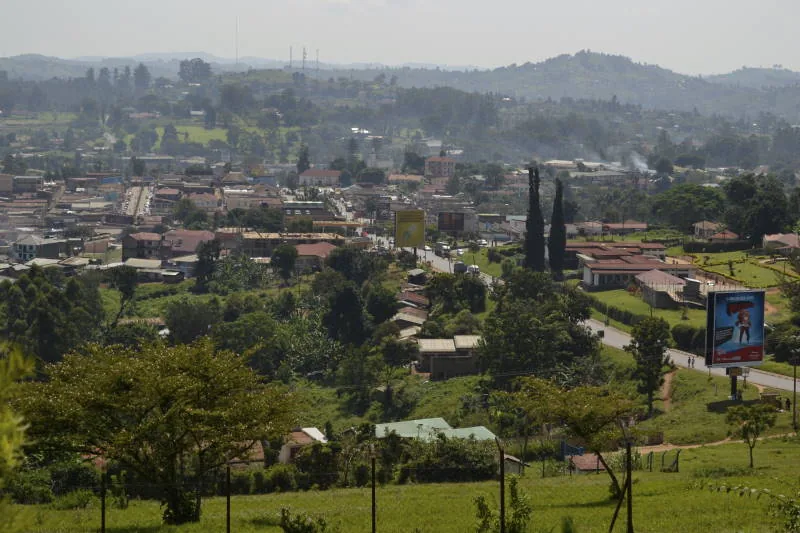
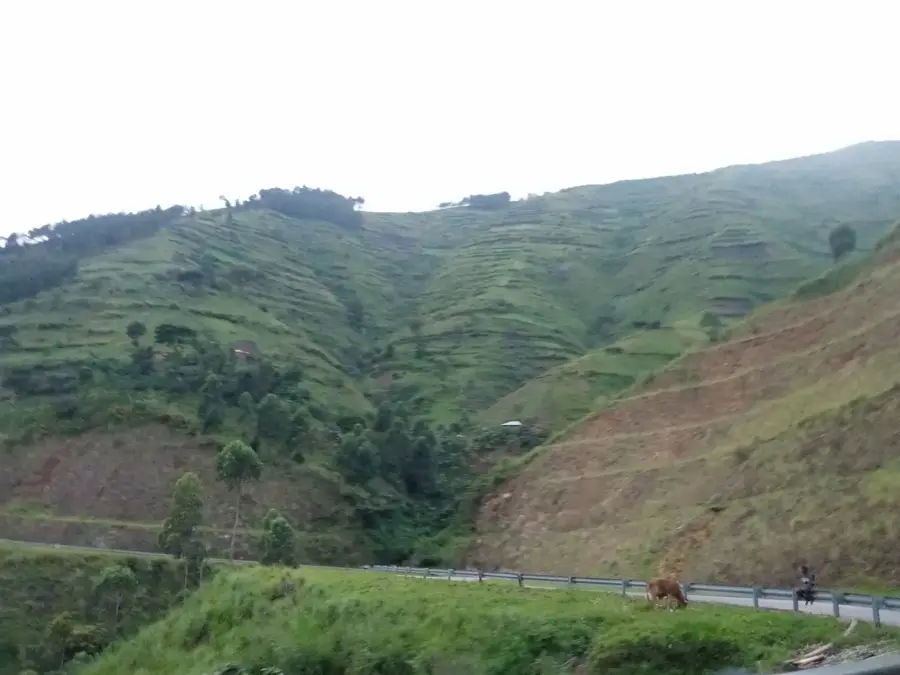
Banana plantations are the lifeblood of Uganda, a nation often referred to as a 'banana republic' in the most literal and positive sense due to its status as one of the world's leading producers. The landscape, particularly in the fertile southwestern regions, is dominated by lush groves of East African Highland bananas. The most critical variety is 'Matooke', a starchy cooking banana that serves as the national staple. Farmers harvest the heavy bunches year-round, and the fruit is typically steamed in banana leaves until tender, then mashed into a dense, nutritious meal. Beyond being a primary food source, the plantations support a delicate ecosystem where the broad leaves provide essential shade for secondary crops like coffee. Every part of the plant is utilized: stalks are fed to livestock, leaves are used for roofing and cooking, and the fruit provides income for millions of small-scale farmers, making these plantations central to Uganda's social and economic identity.
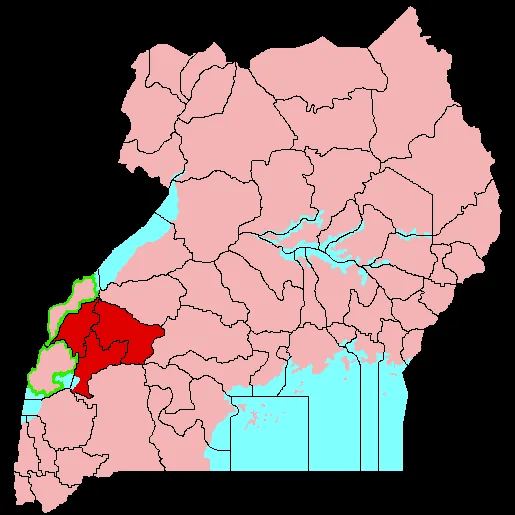
- Location: Uganda
- Nearby: Kyenjojo (12 km)
Best time to visit & climate
The most pleasant time to visit is Jan, Jun, Jul.
| Jan | Feb | Mar | Apr | May | Jun | Jul | Aug | Sep | Oct | Nov | Dec | |
|---|---|---|---|---|---|---|---|---|---|---|---|---|
| Avg °C | 22 | 23 | 22 | 21 | 21 | 21 | 21 | 21 | 21 | 21 | 21 | 21 |
| Rain mm | 60 | 61 | 118 | 126 | 116 | 72 | 69 | 111 | 138 | 159 | 155 | 96 |
📋 Practical info
Geography
Facts
- Households involved: 1.5 million
- Weevil yield loss: up to 40%
- Tissue culture adoption: increasing
- Year-round production: yes
- Value-added products: chips, flour, wine
- Major regions: Masaka, Rakai, Luwero
Explore nearby
Notable places around
Route planner — Car & Motorhome
Where do you start? We build the route here, with stops and country notes along the way.
© OpenStreetMap contributors · OpenRouteService
Sights nearby
Frequently asked questions
What makes banana plantations unique?
Can one buy fruits directly?
Are there guided tours?
Is the area safe?
What is the best season?
Banana Plantations: where is it located?
Banana Plantations: when is the best time to visit?
Banana Plantations: why is it worth visiting?

Nearby cities
Nature
More places