Plizio Visual Lab
Pergamon
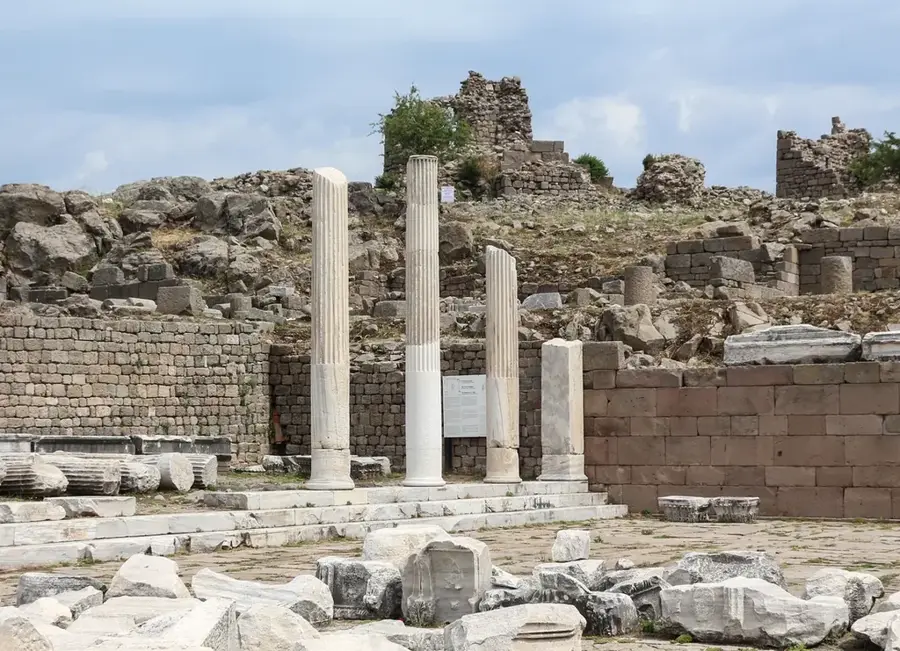
Pergamon was a powerful ancient Greek city in Mysia, located near the modern-day town of Bergama in Turkey. During the Attalid dynasty in the 3rd and 2nd centuries BC, it emerged as a preeminent cultural and political hub of the Hellenistic world. The acropolis features the steepest theater of antiquity, ingeniously built into the hillside to accommodate 10,000 spectators. The Great Altar of Pergamon, famous for its dramatic gigantomachy frieze, was once the crown jewel of the city before its relocation to Berlin. The city's library was the second largest in the ancient world, housing over 200,000 scrolls and prompting the innovation of parchment as a writing surface. In the Roman period, Pergamon became the first official center of the imperial cult in the province of Asia and remained a vital urban center through the Byzantine era.
- Location: Turkey
- Top sights: The Great Altar (Pergamon Altar) · Pergamon Acropolis · Temple of Athena
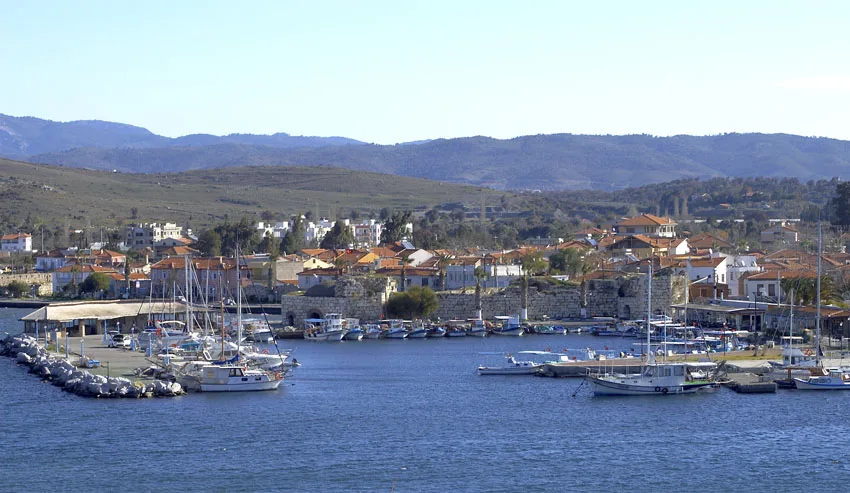
- Nearby: Dikili (26 km)
Best time to visit & climate
The most pleasant time to visit is May, Jun, Sep.
| Jan | Feb | Mar | Apr | May | Jun | Jul | Aug | Sep | Oct | Nov | Dec | |
|---|---|---|---|---|---|---|---|---|---|---|---|---|
| Avg °C | 8 | 9 | 11 | 14 | 19 | 23 | 26 | 26 | 23 | 18 | 14 | 10 |
| Rain mm | 116 | 91 | 58 | 48 | 29 | 19 | 4 | 3 | 20 | 53 | 73 | 101 |
📋 Practical info
Geography
Facts
- The Acropolis sits approximately 335 meters above sea level on a dominant hilltop.
- The Great Theater of Pergamon features a 70-degree incline and could hold 10,000 people.
- The Library of Pergamon was established by Eumenes II to house 200,000 parchment scrolls.
- The Sanctuary of Asclepius was a major healing center where the physician Galen practiced.
- Pergamon was officially inscribed as a UNESCO World Heritage site in 2014.
- The Attalid Kingdom ended when Attalus III bequeathed the city to Rome in 133 BC.
Explore nearby
Notable places around

Route planner — Car & Motorhome
Where do you start? We build the route here, with stops and country notes along the way.
© OpenStreetMap contributors · OpenRouteService
Sights in the town Pergamon (10)
Upper Agora
Upper Agora of Pergamon, the central marketplace of the upper city, surrounded by stoas.
Pergamon
Ancient city in modern-day Turkey, known for its acropolis and library.
Arsenal
Arsenal of Pergamon, ruins of an ancient weapons depot on the acropolis.
Bergamalı Kadri Eğitim Tarihi Müzesi🏛 museum
Museum in Bergama displaying the history of education in the region.
Kale Mahallesi
Neighborhood in Bergama at the foot of the acropolis, with traditional houses.
Ansarlı Cami
Mosque in Bergama, a historic Islamic place of worship.
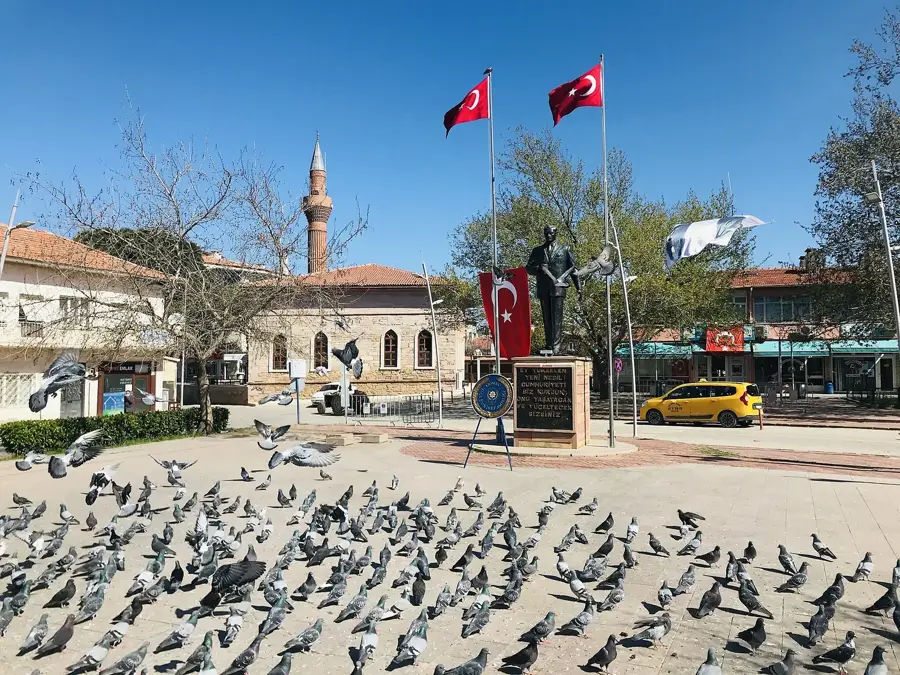
Kaymakamlık Atatürk Anıtı
Atatürk monument in front of the district office in Bergama.
Sights nearby
Frequently asked questions
How do I get to the Acropolis?
How steep is the theater?
Is there a lot of walking?
What must one see in Bergama?
How much time do I need?
Pergamon: where is it located?
Pergamon: what is there to see?
Pergamon: when is the best time to visit?
Pergamon: why is it worth visiting?

Nearby cities
History & landmarks
Nature
More places