Plizio Visual Lab

Gallipoli

Plizio editorial teamData Sources
battlefield
—°3
Gallipoli (Turkey)

Weather…

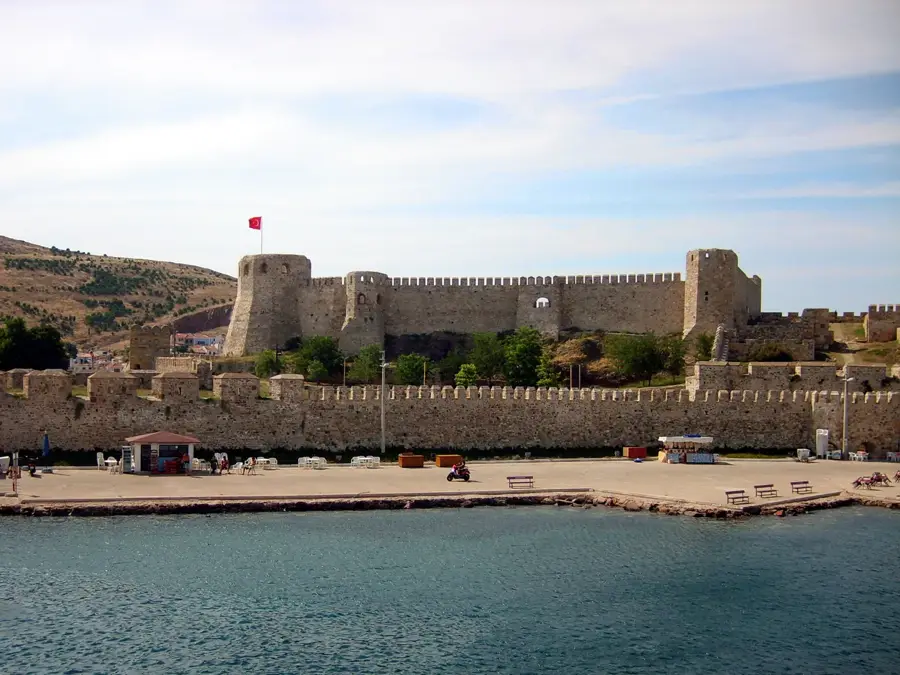
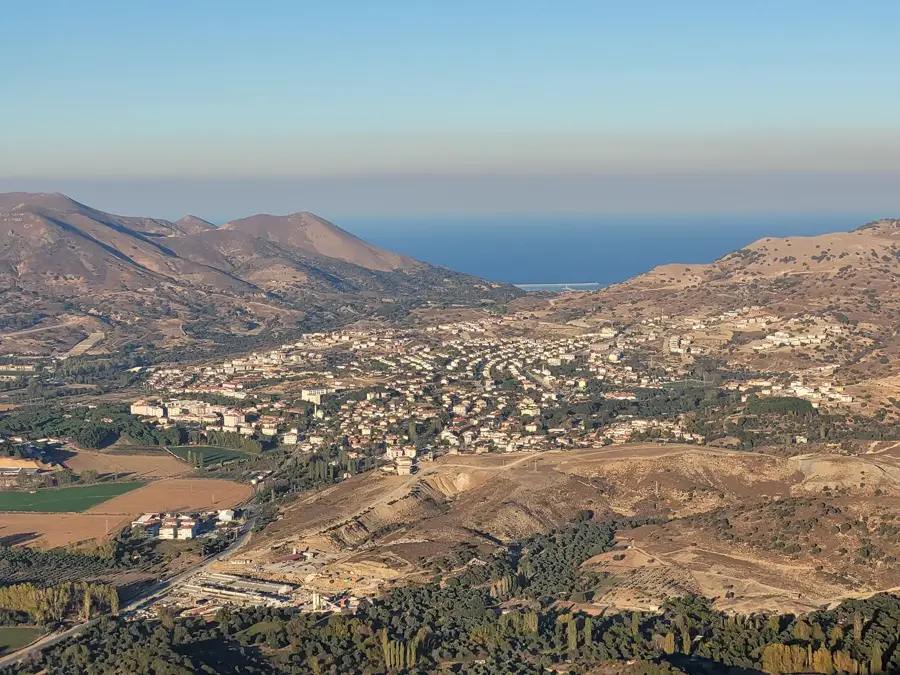
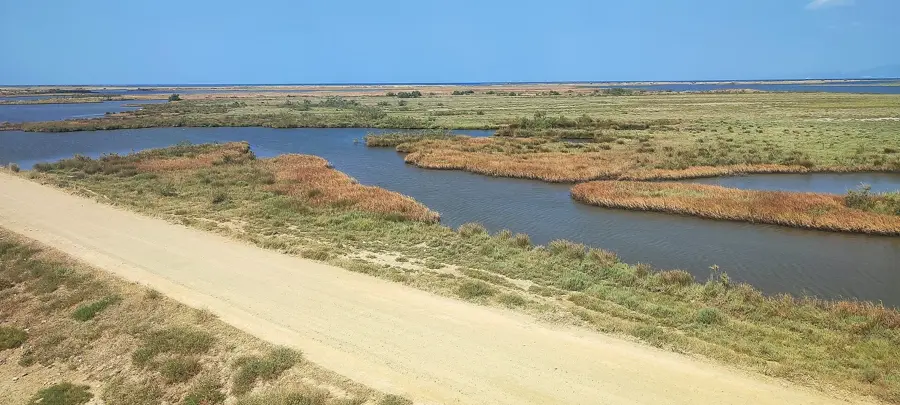
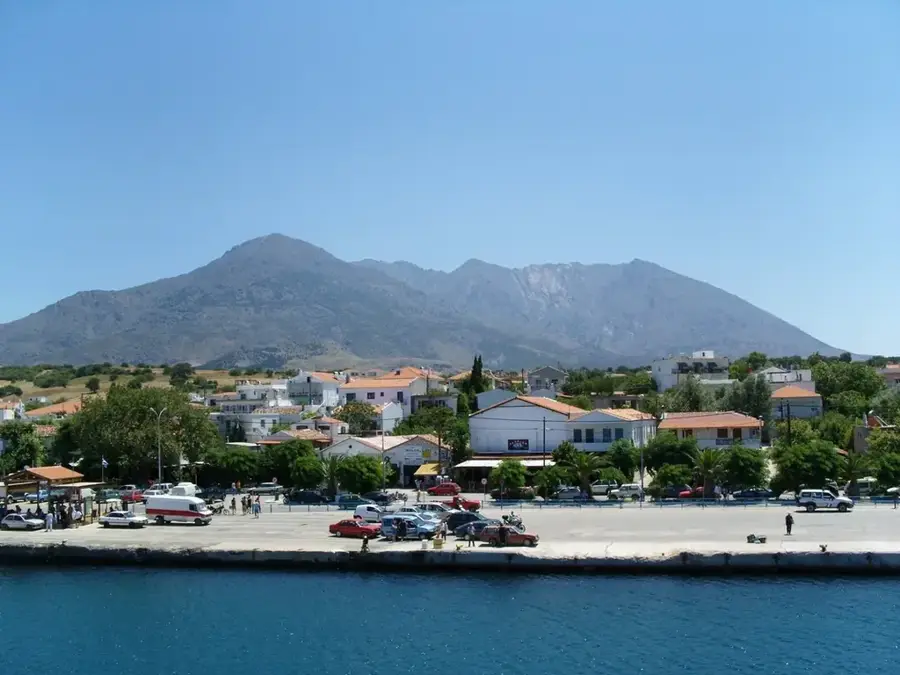
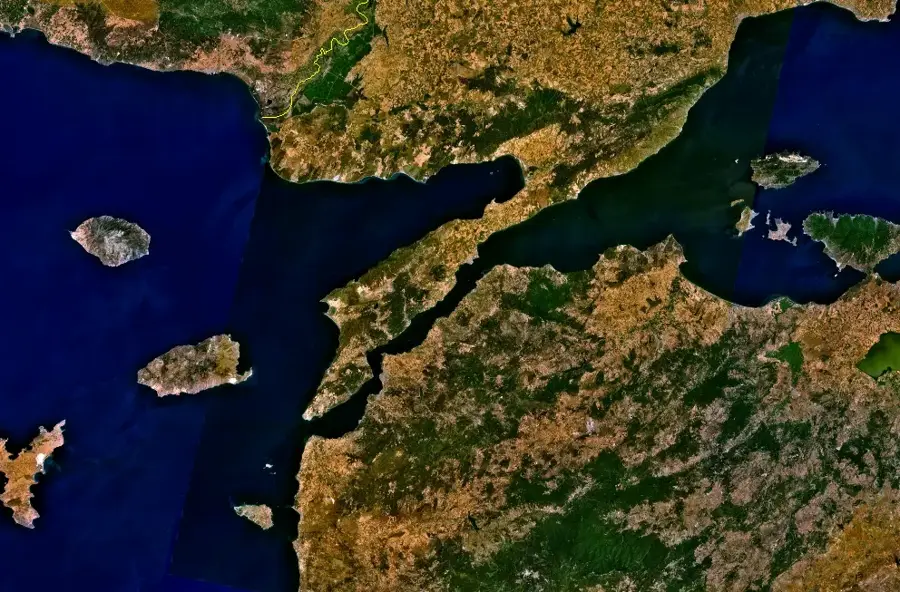
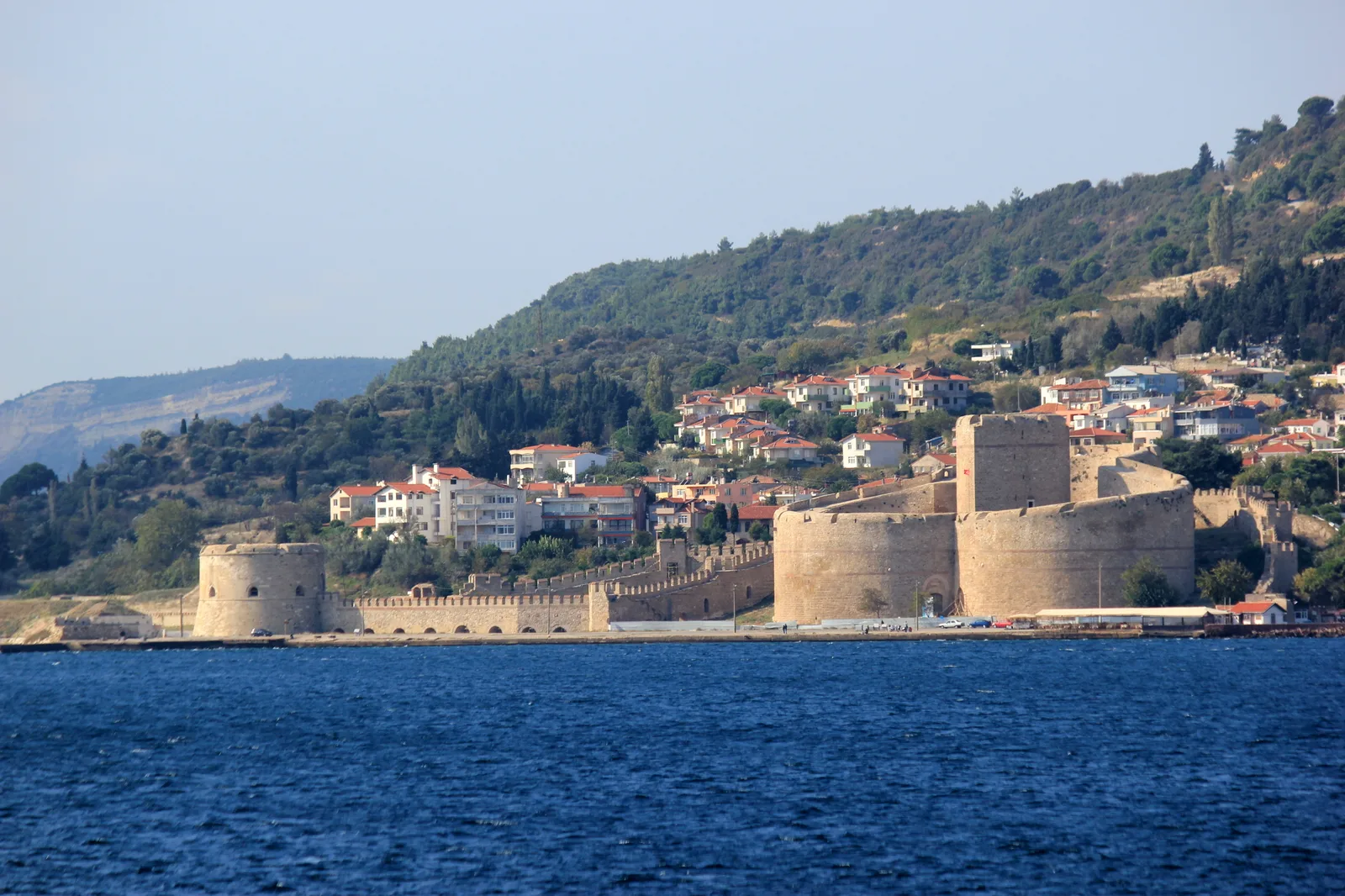
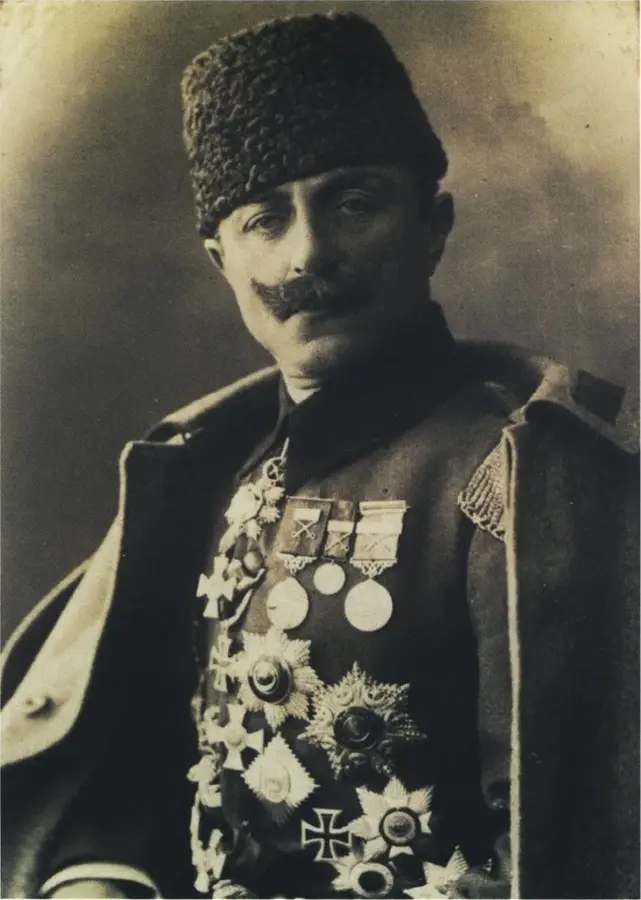
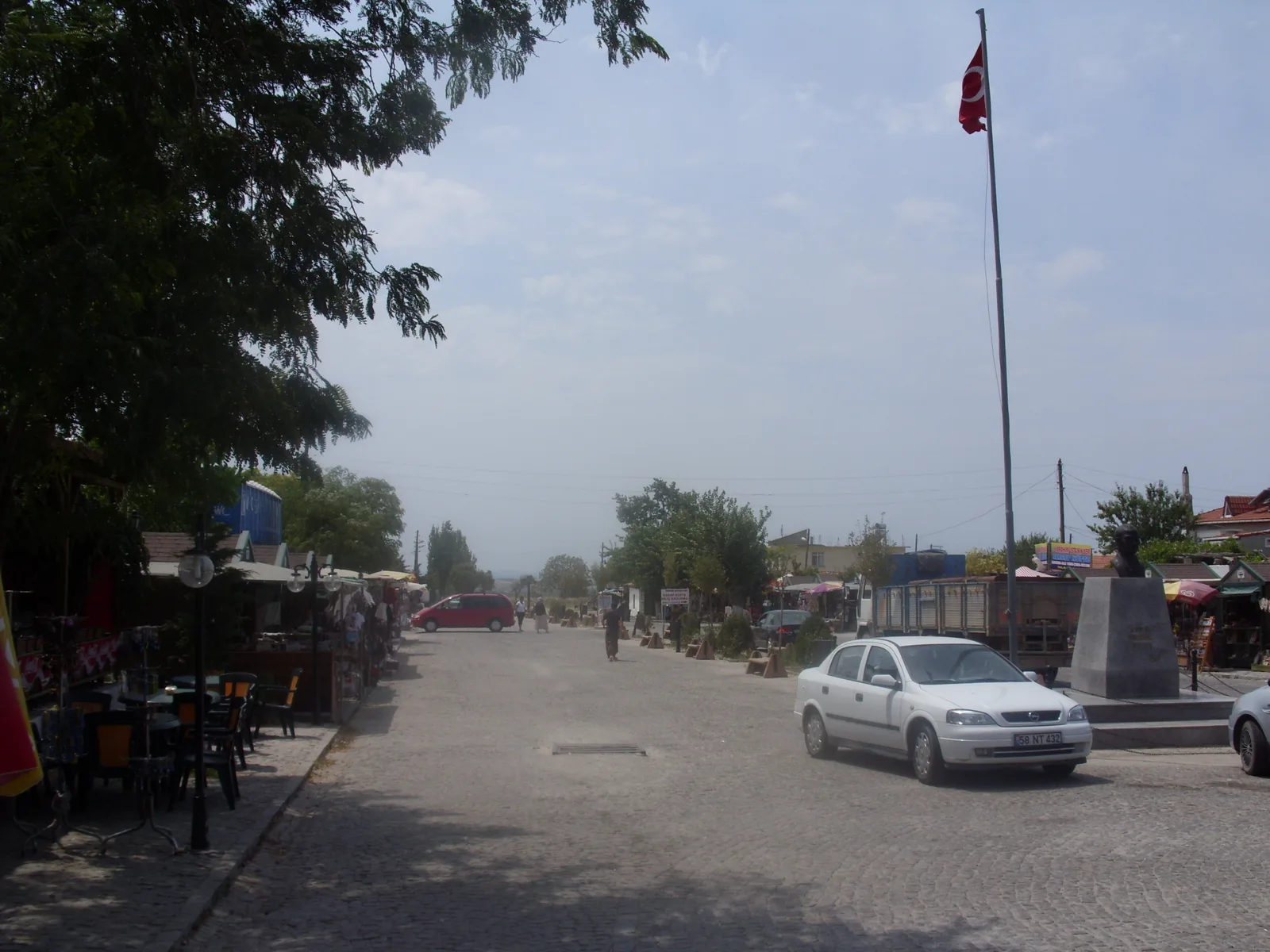
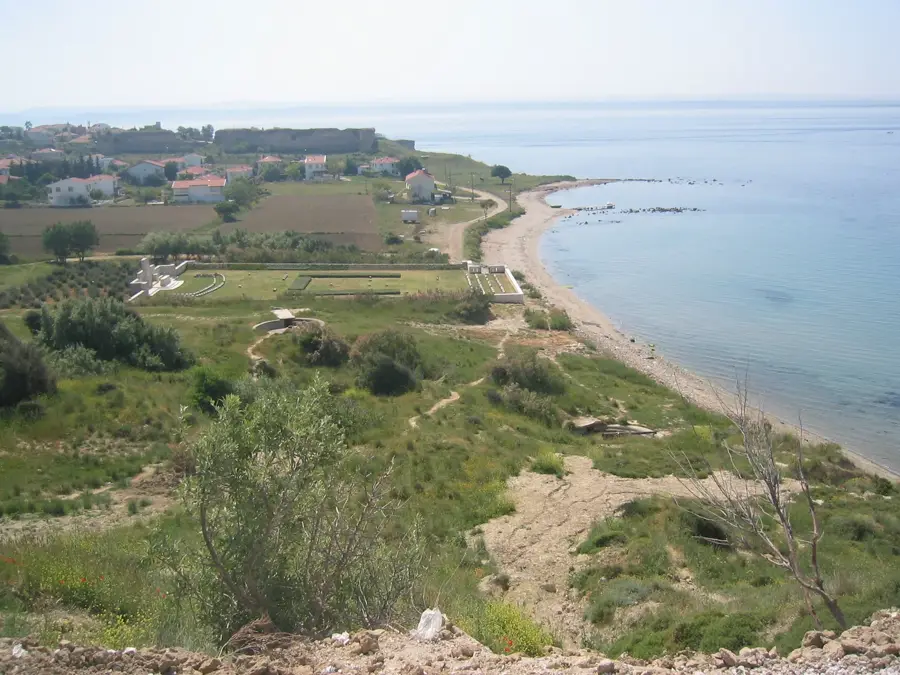
The Gallipoli Peninsula, located on the northwestern shore of the Dardanelles, is one of the most significant historical sites in modern Turkey. It was the theater of the Gallipoli Campaign in 1915 during World War I, a brutal conflict between the Allied forces and the Ottoman Empire. The successful defense by Ottoman troops led by Mustafa Kemal, later known as Atatürk, laid the foundations for the Turkish War of Independence and the birth of the Republic. Simultaneously, Gallipoli is a sacred place of remembrance for Australia and New Zealand, as the ANZAC legend forged during the battles shaped their national identities. The area is now a national park, home to numerous war cemeteries, memorials, and preserved trenches that bear witness to the intensity of the combat. The towering Çanakkale Martyrs' Memorial stands as a tribute to the over 250,000 casualties on the Ottoman side. Today, the site serves as a symbol of international peace and reconciliation among the nations involved.

Best time to visit & climate

The most pleasant time to visit is May, Jun, Sep.

JanFebMarAprMayJunJulAugSepOctNovDec
Avg °C881013182326262217139
Rain mm95765648312713628657596

📋 Practical info

🚪
Visiting
The historic battlefield of the Gallipoli Peninsula can be visited as a vast open-air museum encompassing numerous monuments, memorials, and war cemeteries. Most of the commemorative sites and preserved trench systems are located outdoors and are freely accessible to all visitors.
🕒
Typical hours
As it is an expansive outdoor area, the memorials and cemeteries are generally accessible around the clock, though visiting during daylight hours is highly recommended. Any local visitor centers or small museums typically operate with fixed opening hours during standard daytime periods.
📷
Photography
The expansive landscape and the impressive commemorative monuments provide excellent and deeply moving photographic opportunities for history enthusiasts. Drone flights are often subject to strict local regulations due to the military and solemn historical nature of the entire region.
⏱️
Time needed
For a comprehensive exploration of the various cemeteries, memorials, and the expansive landscape, you should plan to spend at least half to a full day. Those who wish to deeply immerse themselves in the historical details often spend several days exploring the entire historic region.
Combine with
A visit can be excellently combined with exploring the ancient city of Troy, which is located not far away on the Asian side and is easily accessible. The characterful coastal city of Çanakkale also makes a well-suited base and provides additional interesting historical museums and fortresses.
🧭
Getting there
The peninsula is best accessed by a rental car or as part of an organized guided tour departing from either Istanbul or the city of Çanakkale. There are also regular ferry connections operating across the Dardanelles, which considerably facilitate access from the Asian side of Turkey.
💡
Insider tip
Be sure to wear comfortable walking shoes, as the terrain is often uneven, and carry plenty of drinking water as well as sun protection for the long walks. A knowledgeable local tour guide can often convey the complex military events and historical context in a much more vivid manner.

Geography

Coordinates
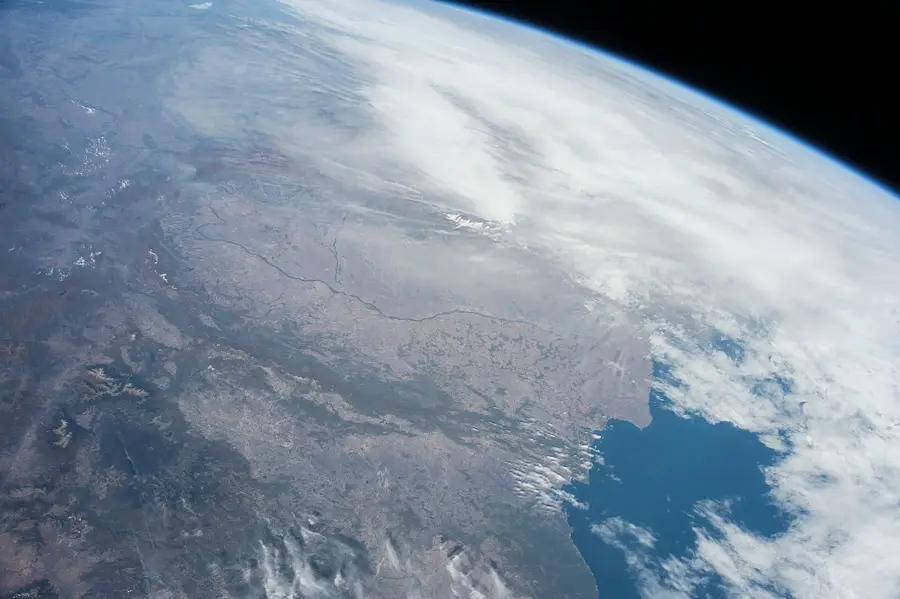
40.24500, 26.27700

Facts

  • The Gallipoli Campaign lasted from February 1915 to January 1916.
  • Total casualties on both sides exceeded 500,000 personnel.
  • Mustafa Kemal rose to national prominence as a military leader here.
  • Anzac Day is commemorated annually on April 25th at the site.
  • The Çanakkale Martyrs' Memorial stands 41.7 meters tall.
  • There are 31 Commonwealth war cemeteries located on the peninsula.

Explore nearby

Notable places around

Route planner — Car & Motorhome

Where do you start? We build the route here, with stops and country notes along the way.

Vehicle
Only stops with (optional):

© OpenStreetMap contributors · OpenRouteService

Sights in the town Gallipoli (3)

Brighton Beach🎡 recreation

Resting historically along the coast of Battlefield Gallipoli, Brighton Beach is a notable shoreline in Turkey. Today, the stretch exudes a contemplative, quiet spirit where travelers can reflect while walking or dipping their toes in the Aegean Sea. Visiting this significant location during a clear spring or summer day merges natural beauty with profound history.

B Beach🎡 recreation

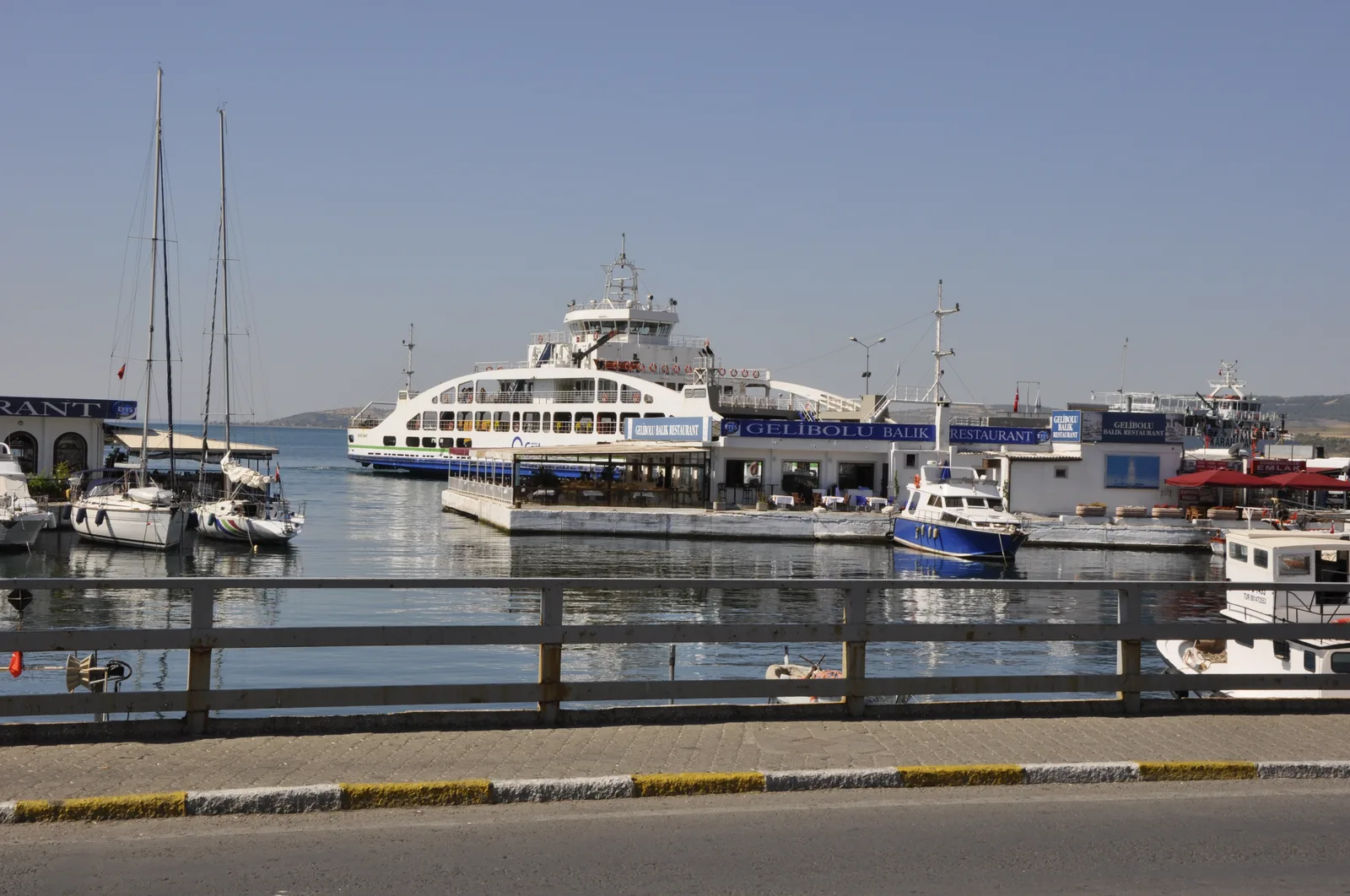
Characterizing a quiet coastal stretch within Battlefield Gallipoli, B Beach allows visitors to approach the historic Turkish coastline. The mood is typically somber and peaceful, naturally inviting gentle coastline strolls rather than lively beach activities. Coming here during the quieter morning hours provides an undisturbed opportunity to appreciate the seaside environment.

C Beach🎡 recreation

Located among the historically rich lands of Battlefield Gallipoli, C Beach forms a modest sandy domain on the Turkish coast. Visitors usually experience a highly serene atmosphere, well-suited for taking in the view and reflecting near the gentle waters. A respectful visit during the daytime reveals the raw coastal scenery that borders the ancient terrain.

Sights nearby

Frequently asked questions

How long does a tour of the battlefield take?
A full-day tour is handy to see the main monuments and cemeteries.
Is a guide necessary for Gallipoli?
Highly recommended to be able to properly understand the historical events.
How do I get to Gallipoli?
Best from Eceabat or Çanakkale with a guided tour.
Is it a peaceful place?
Yes, today it is a place of remembrance and very quiet.
When is the best time to visit?
Spring, especially around ANZAC Day on April 25th.
Gallipoli: where is it located?
Gallipoli is located in Turkey.
Gallipoli: what is there to see?
Highlights include Brighton Beach, B Beach, C Beach.
Gallipoli: when is the best time to visit?
The most pleasant time to visit is May, Jun, Sep.
Gallipoli: why is it worth visiting?
The Gallipoli Peninsula, located on the northwestern shore of the Dardanelles, is one of the most significant historical sites in modern Turkey.
View on map → The Top 50 Attractions → Most beautiful beaches → OpenStreetMap →
Europe
Explore with Plizio Discover more places in Europe
More places in Turkey →

Nearby cities

Nature

More places