Plizio Visual Lab

Gulf of Tunis
Plizio editorial teamData Sources
Sea
—°1
Gulf of Tunis (Tunisia)

Weather…

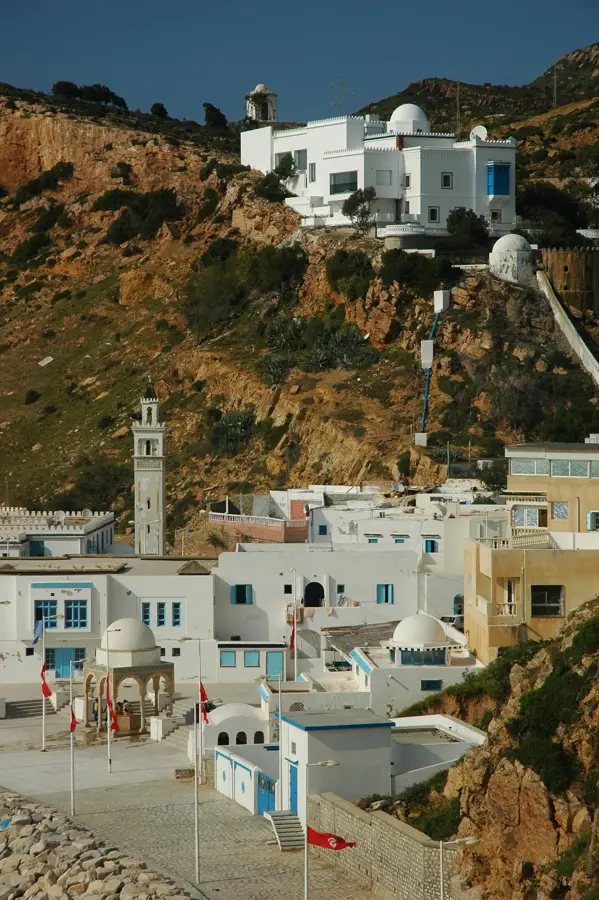
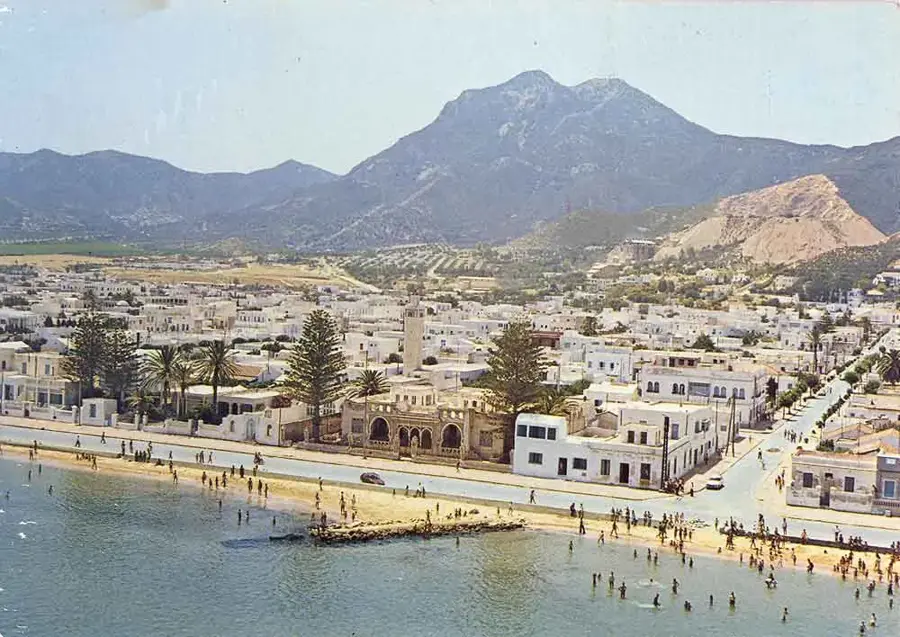
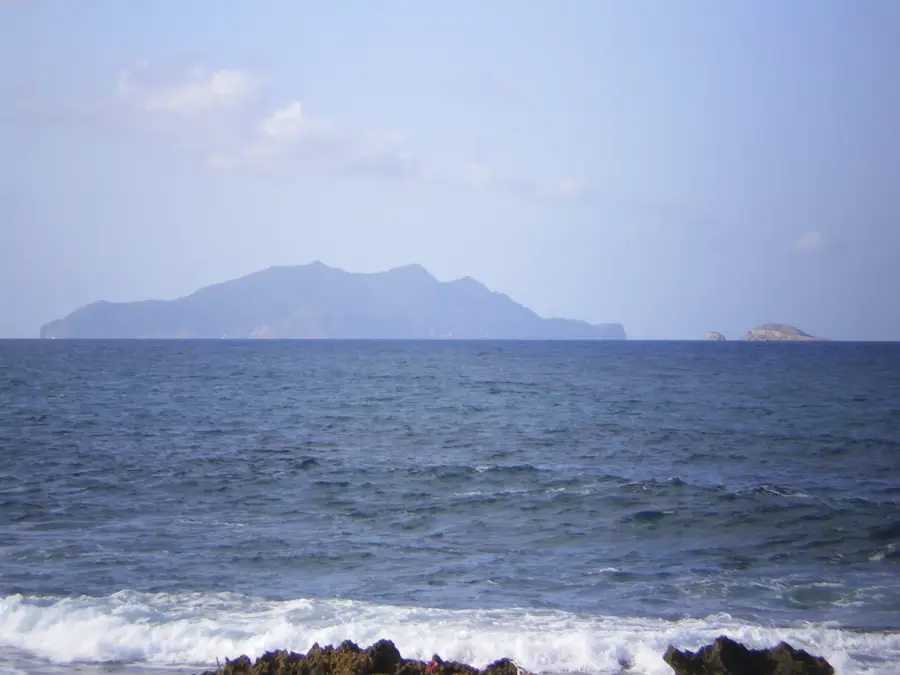
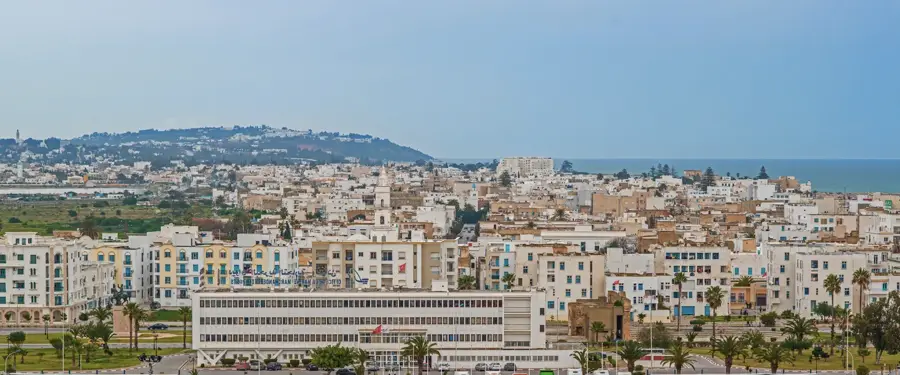
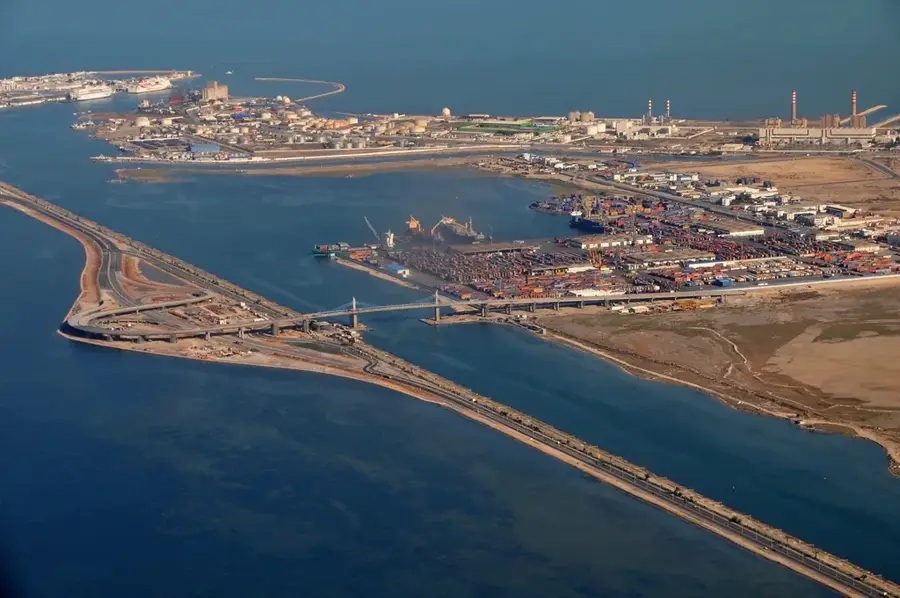
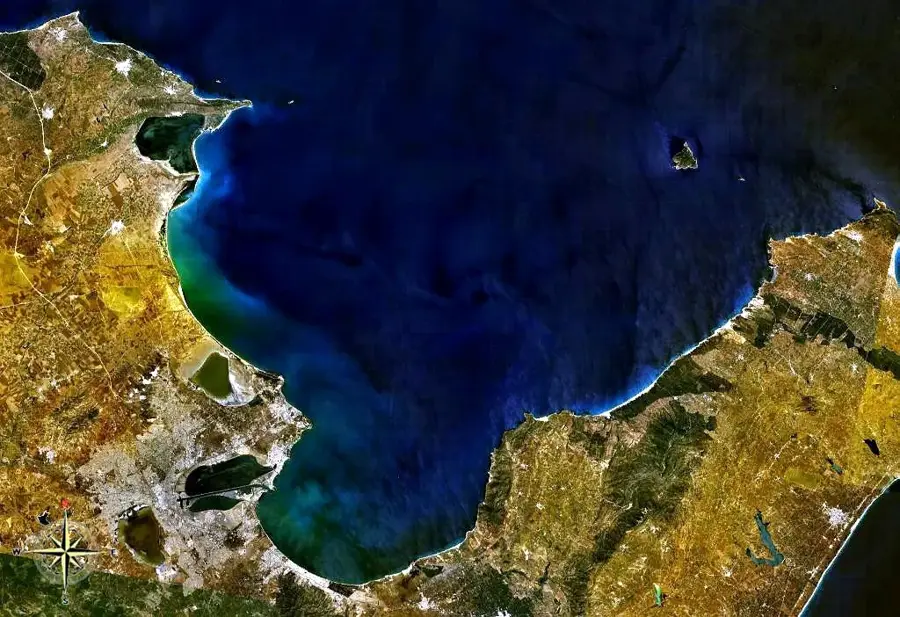
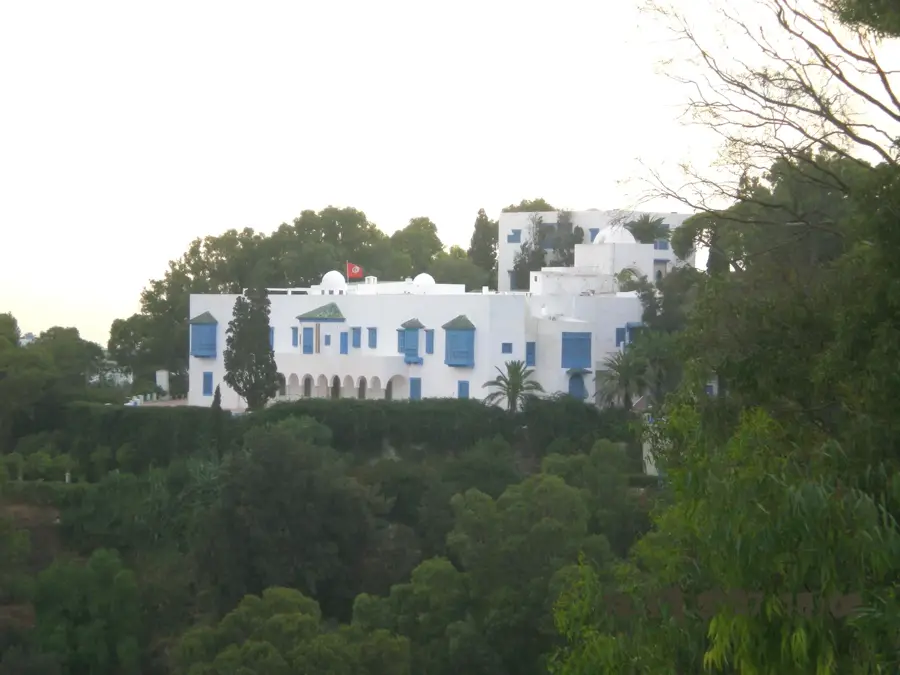
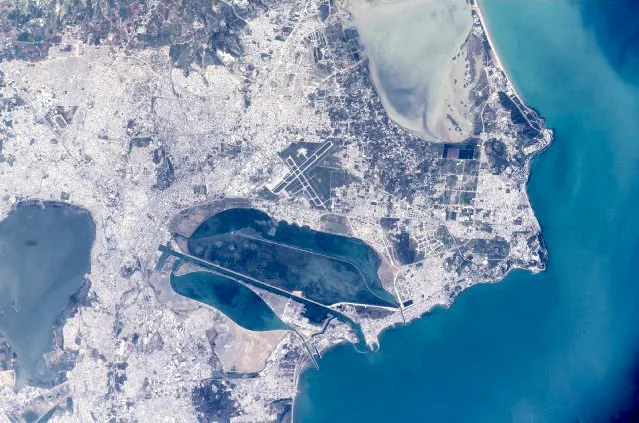
The Gulf of Tunis is a large Mediterranean embayment in northeastern Tunisia, extending from Cape Farina in the west to Cap Bon in the east. At its southern tip lies the capital city, Tunis, which is connected to the gulf via a shipping canal. The area holds immense historical significance as its shores are home to the ruins of ancient Carthage, once a dominant power in the Mediterranean world. The Medjerda River, Tunisia's most vital waterway, empties into the western part of the gulf, depositing sediments that have reshaped the coastline over centuries. Geographically, the gulf provides a sheltered environment for maritime activities, leading to the development of major ports like La Goulette and Radès. The waters support a rich marine biodiversity and serve as a crucial fishing ground for the surrounding governorates. The iconic village of Sidi Bou Said perches on the cliffs overlooking the gulf, world-renowned for its distinctive blue-and-white architecture.

Best time to visit & climate

The most pleasant time to visit is May, Jun, Oct.

JanFebMarAprMayJunJulAugSepOctNovDec
Avg °C131214161923262725221814
Rain mm52425542271752071635260

📋 Practical info

🧭
Getting there
The Gulf of Tunis is extremely accessible via the Tunisian capital and its extensive surrounding suburbs, including popular spots like Carthage, Sidi Bou Said, and La Marsa. An excellent network of local trains (TGM), buses, and taxis connects the city center directly to the coastal promenades.
📅
Best season
The best months to visit are from May to October, when the Mediterranean climate provides warm, sunny days great for enjoying the shoreline. Summer brings lively crowds and hot weather, while spring and autumn are well-suited for comfortable coastal walks and historical sightseeing.
⛰️
Terrain & paths
The immediate coastal area features a mix of well-maintained urban beaches, paved seaside promenades, and gentle cliffs around Sidi Bou Said. The terrain is overwhelmingly flat and paved in tourist areas, allowing for effortless walking for visitors of all ages and abilities.
🎒
What to bring
A standard smart-casual wardrobe is suitable for blending city exploration with gulf-side relaxation, supplemented by comfortable walking shoes. Essential additions for summer include strong sunscreen, a hat, and a light jacket for breezy evenings by the water.
🅿️
Parking
Parking is widely available along the coastal suburbs, though finding a spot can be challenging on summer weekends near popular beaches like La Marsa. Many designated public parking zones and private secure lots operate near the main promenades and historical sites.
⚠️
Safety
The Gulf of Tunis is highly developed and generally safe, with well-monitored beaches and standard urban safety practices applying. As with any popular tourist destination, visitors should guard against minor pickpocketing in crowded areas and stay hydrated in summer.
⏱️
Time needed
Visitors usually dedicate a full day to exploring the coastal suburbs framing the gulf, combining a beach visit with the ancient ruins of Carthage. However, many tourists base their entire week-long stay in these pleasant gulf-side neighborhoods for easy city access.

Geography

Coordinates
36.80000, 10.50000

Facts

  • The gulf covers a total surface area of approximately 1,500 square kilometers.
  • The average depth of the gulf ranges between 15 and 50 meters.
  • Its shores host ancient Carthage, a UNESCO World Heritage site since 1979.
  • The Medjerda River deposits about 20 million cubic meters of sediment annually.
  • La Goulette is the country's primary passenger port located on the gulf.
  • The bay is bounded to the east by the rugged Cap Bon peninsula.

Explore nearby

Notable places around

Route planner — Car & Motorhome

Where do you start? We build the route here, with stops and country notes along the way.

Vehicle
Only stops with (optional):

© OpenStreetMap contributors · OpenRouteService

Sights in the town Gulf of Tunis (1)

Marisa🏺 historical

The Marisa archaeological site preserves historical ruins along the shores of the Gulf of Tunis.

Sights nearby

Frequently asked questions

What water sports are there in the Gulf of Tunis?
Sailing, kitesurfing, and diving are very common here.
Are there clean beaches?
The beaches in the resort towns are cleaned daily.
What is the water temperature?
Warm in summer, approx. 25-27 °C, good for swimming.
Can one see dolphins?
Occasionally, especially on boat trips further out at sea.
What is the best time for sailing?
May to September has stable winds.
Gulf of Tunis: where is it located?
Gulf of Tunis is located in Tunisia.
Gulf of Tunis: when is the best time to visit?
The most pleasant time to visit is May, Jun, Oct.
Gulf of Tunis: why is it worth visiting?

The Gulf of Tunis is a large Mediterranean embayment in northeastern Tunisia, extending from Cape Farina in the west to Cap Bon in the east.
View on map → The Top 50 Attractions → OpenStreetMap →
Africa
Explore with Plizio Discover more places in Africa
More places in Tunisia →

Nearby cities

History & landmarks
Nature
More places