Plizio Visual Lab

Ruins of Carthage
Plizio editorial teamData Sources
Historical site
—°8
Ruins of Carthage (Tunisia)

Weather…

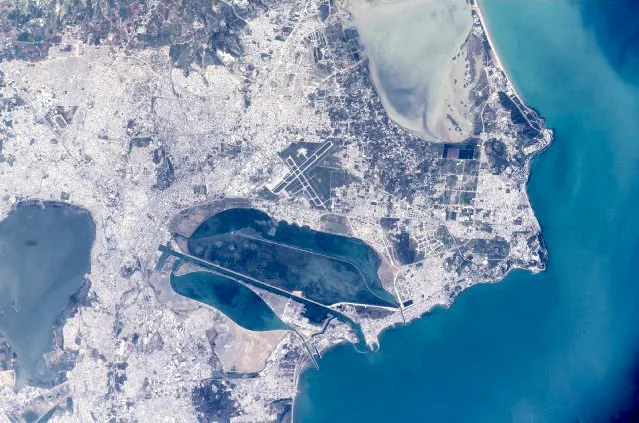
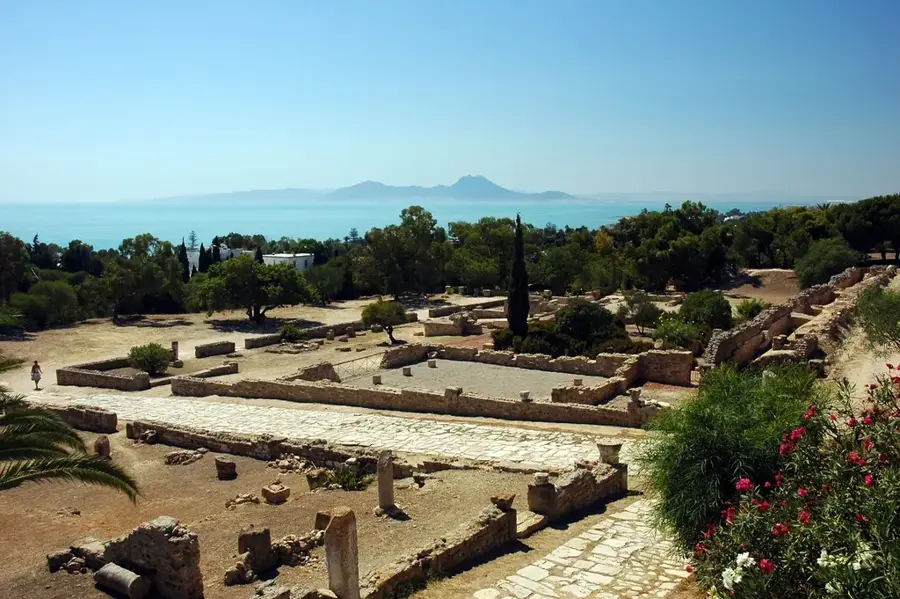
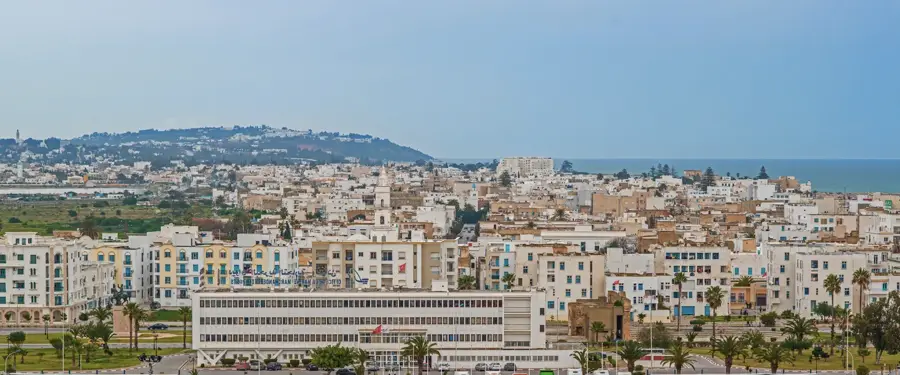
The ruins of Carthage, once the epicenter of one of antiquity's most formidable civilizations, sprawl across Byrsa Hill and the coastal plain northeast of Tunis. Founded in the 9th century BC by Phoenician settlers from Tyre, the city rose to become the dominant maritime and commercial power in the Mediterranean. Following the three Punic Wars, Carthage was utterly destroyed by the Romans in 146 BC, only to be refounded as a Roman colony under Augustus. Today, visitors can examine remnants from multiple eras, including the unique circular Punic ports, the monumental Baths of Antoninus, and the Roman amphitheater. The site was designated a UNESCO World Heritage site in 1979 and stands as a primary symbol of Tunisia's historical depth. The archaeological zone on Byrsa Hill also provides a commanding view of the Gulf of Tunis and the surrounding landscape.

Best time to visit & climate

The most pleasant time to visit is May, Jun, Oct.

JanFebMarAprMayJunJulAugSepOctNovDec
Avg °C131214161923262725221814
Rain mm52425542271752071635260

📋 Practical info

🚪
Visiting
The ruins of Carthage are open as an archaeological park. Visitors can explore the remains of the ancient city on foot, though some areas like the baths or the Antonine Baths require a separate ticket. The site is extensive.
🕒
Typical hours
The park is typically open daily from sunrise to sunset. Individual monuments often have fixed opening hours that vary by season. Checking before your visit is recommended.
📷
Photography
Photography is allowed throughout the site for personal use. The use of tripods or drones usually requires a permit. Look out for signs indicating restricted areas.
⏱️
Time needed
Allow at least two to three hours to see the main ruins such as the baths and Roman theatre. For a thorough exploration including the archaeological museum, budget half a day.
Combine with
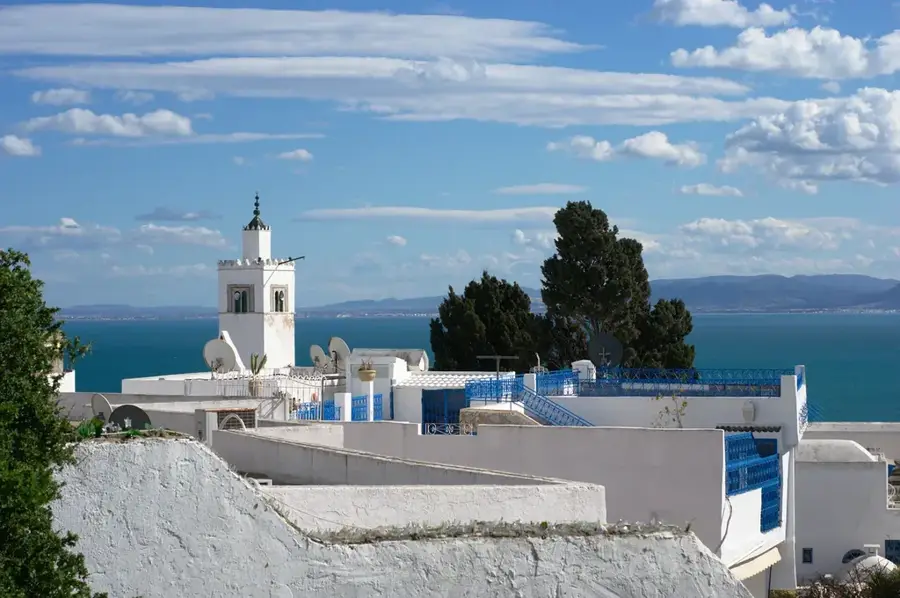
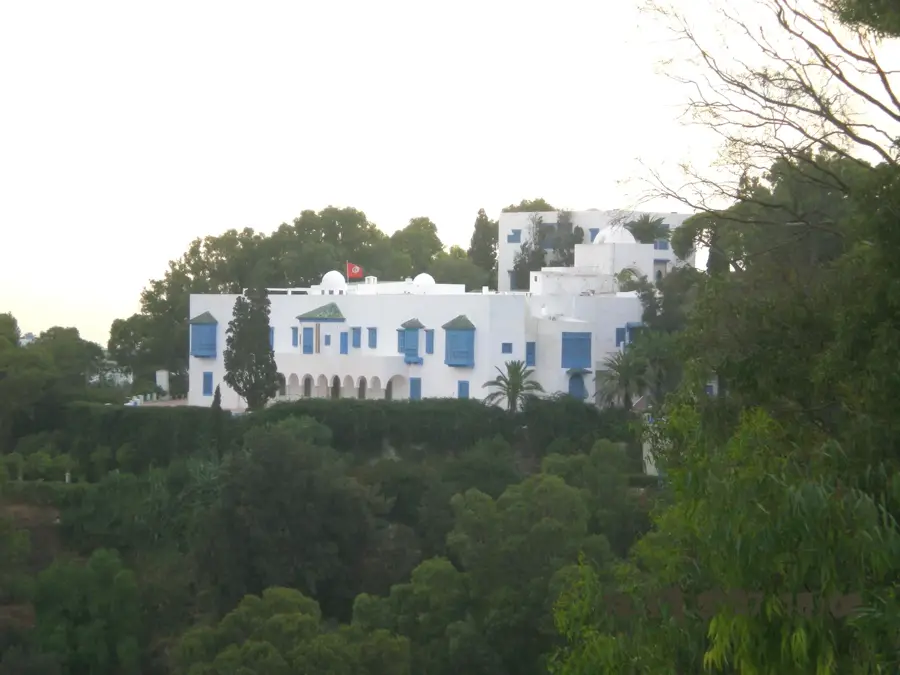
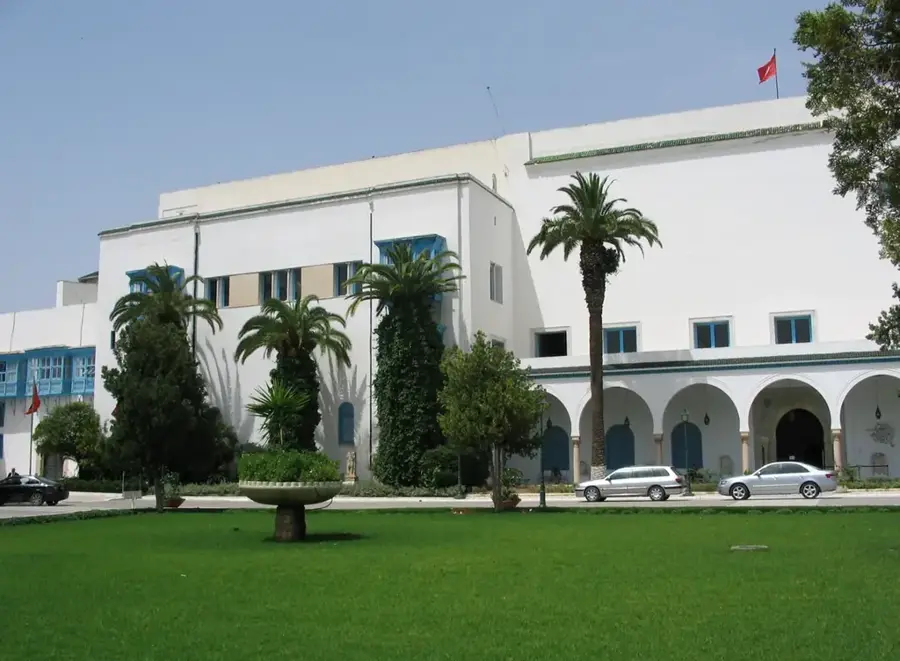
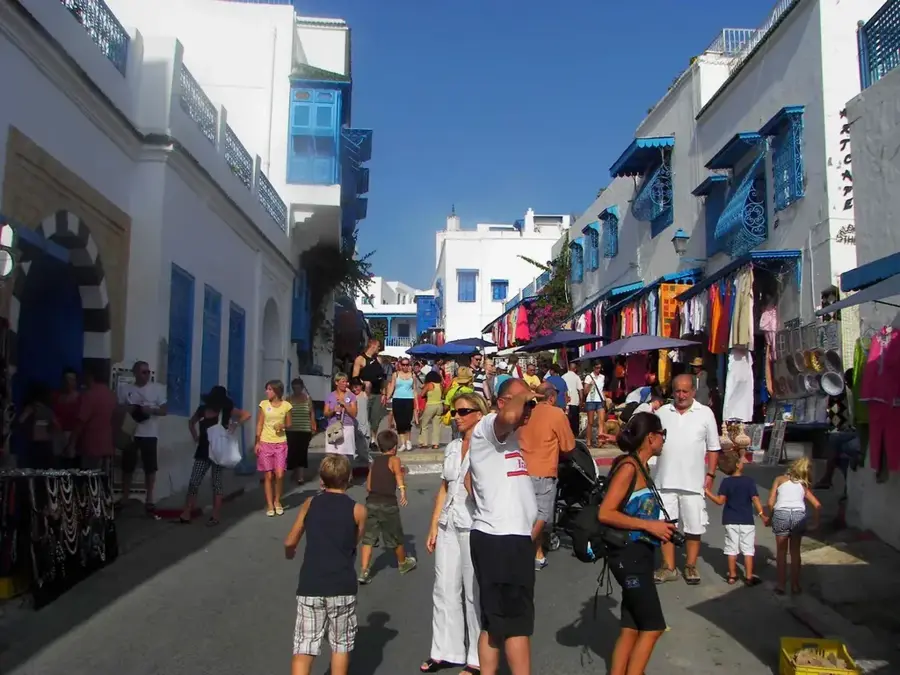
Carthage is located near the Tunisian capital Tunis. Combine the visit with a trip to Sidi Bou Said, a photogenic blue-and-white village, or the Bardo Museum in Tunis, which houses ancient mosaics.
🧭
Getting there
Carthage is easily reachable by the TGM suburban train from Tunis; the Carthage Hannibal station is right by the park. Taxis and buses also run regularly. Parking is available at the main entrances.
💡
Insider tip
Arrive early in the morning to enjoy the ruins in peace before the tourist buses arrive. Bring plenty of water and sun protection, as there is little shade on the site.

Geography

Coordinates
36.85280, 10.32330

Facts

  • Founded in 814 BC by Phoenicians
  • Destroyed by Rome in 146 BC
  • UNESCO World Heritage site since 1979
  • Contains the largest Roman baths in Africa
  • Central hub of the Punic Empire
  • Byrsa Hill served as the ancient citadel

Explore nearby

Notable places around
Route planner — Car & Motorhome

Where do you start? We build the route here, with stops and country notes along the way.

Vehicle
Only stops with (optional):

© OpenStreetMap contributors · OpenRouteService

Sights in the town Ruins of Carthage (8)

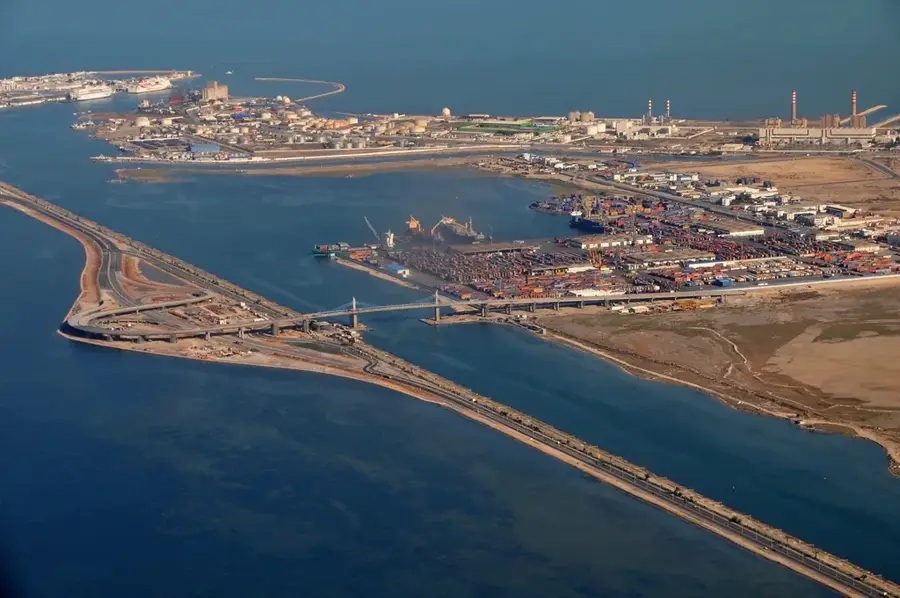
Port de Carthage📍 landmark

The Port de Carthage encompasses the historical remains of the once-mighty seaports of ancient Carthage.

Port Marchand de Carthage📍 landmark

The Port Marchand de Carthage is the ancient Punic commercial harbor basin, noted for its characteristic rectangular shape.

Colline de Byrsa🏺 historical

The Colline de Byrsa is a historic hill that served as the acropolis and center of the ancient city of Carthage.

Acropolium of Carthage🎭 culture

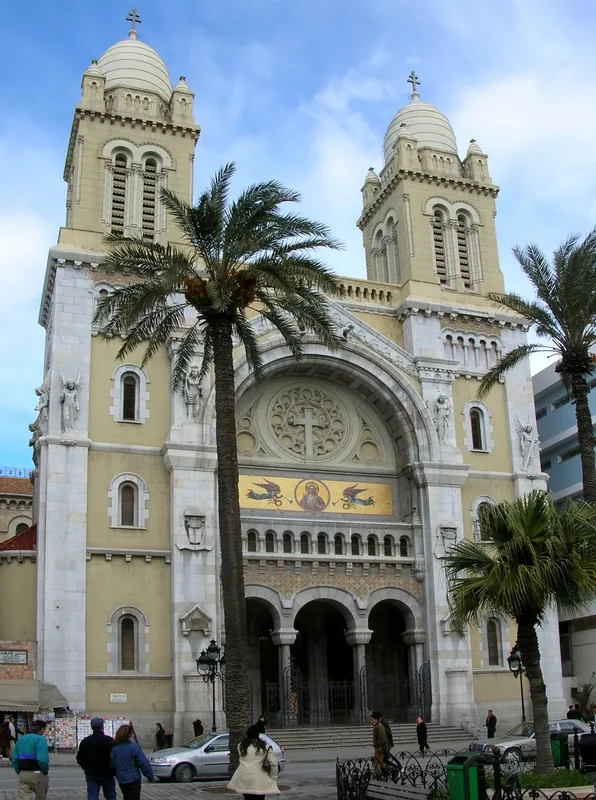
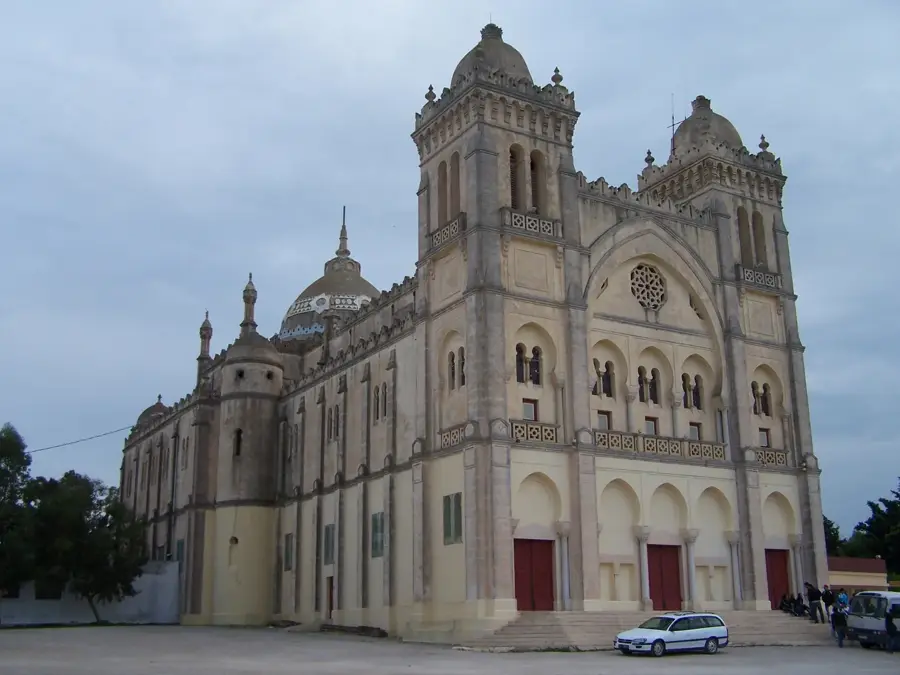
The Acropolium of Carthage is a former church on Byrsa Hill that now serves as an impressive arts centre.

Bib Knissia Basilica🏛 museum

The remains of the basilica in Carthage now house the Paleo-Christian Museum.

💶

Salammbô Oceanographic Museum “Dar El Hout”🏛 museum

The Salammbô Oceanographic Museum "Dar El Hout" showcases the marine flora and fauna of the Mediterranean Sea.

🕒 Tu-Su 10:00-18:00; Jul-Sep 15 10:00-19:00; Mo off

Tophet de Salammbô🏺 historical

The Tophet of Salammbô is an ancient Punic sacrificial and burial site filled with historic stelae in Carthage.

Salambo Beach🎡 recreation

Salambo Beach is a sandy coastal stretch near the ancient Punic harbors of Carthage.

Sights nearby

Frequently asked questions

How much time should I plan for Carthage?
Plan at least half a day to a full day to explore the extensive ruins at your own pace.
What are the opening hours of the ruins?
The sites are typically open daily from 8:00 AM to 5:00 PM or 7:00 PM, depending on the season.
Is there a combined ticket for all attractions?
Yes, there is a centralized ticket that includes access to most significant archaeological sites in Carthage.
Are the sites wheelchair accessible?
Partially limited, as many paths are uneven, sandy, or paved with historical stones.
Is photography allowed in the ruins?
Yes, personal photography is allowed everywhere; professional equipment often requires a permit.
Ruins of Carthage: where is it located?
Ruins of Carthage is located in Tunisia.
Ruins of Carthage: what is there to see?
Highlights include Port de Carthage, Port Marchand de Carthage, Colline de Byrsa.
Ruins of Carthage: when is the best time to visit?
The most pleasant time to visit is May, Jun, Oct.
Ruins of Carthage: why is it worth visiting?

The ruins of Carthage, once the epicenter of one of antiquity's most formidable civilizations, sprawl across Byrsa Hill and the coastal plain northeast of Tunis.
View on map → The Top 50 Attractions → OpenStreetMap →
Africa
Explore with Plizio Discover more places in Africa
More places in Tunisia →

Nearby cities

History & landmarks
More places