Plizio Visual Lab

Nino Konis Santana National Park
Plizio editorial teamData Sources
national-park
—°1
Nino Konis Santana National Park (Timor-Leste)

Weather…

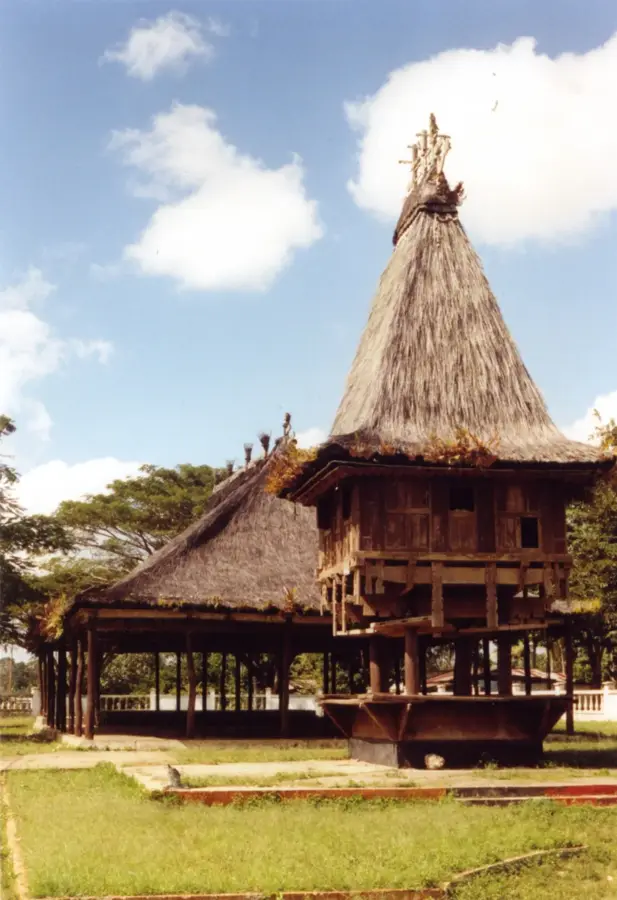
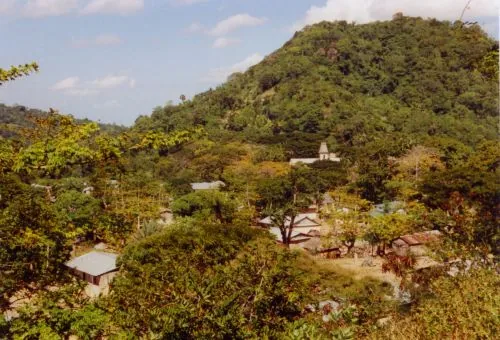
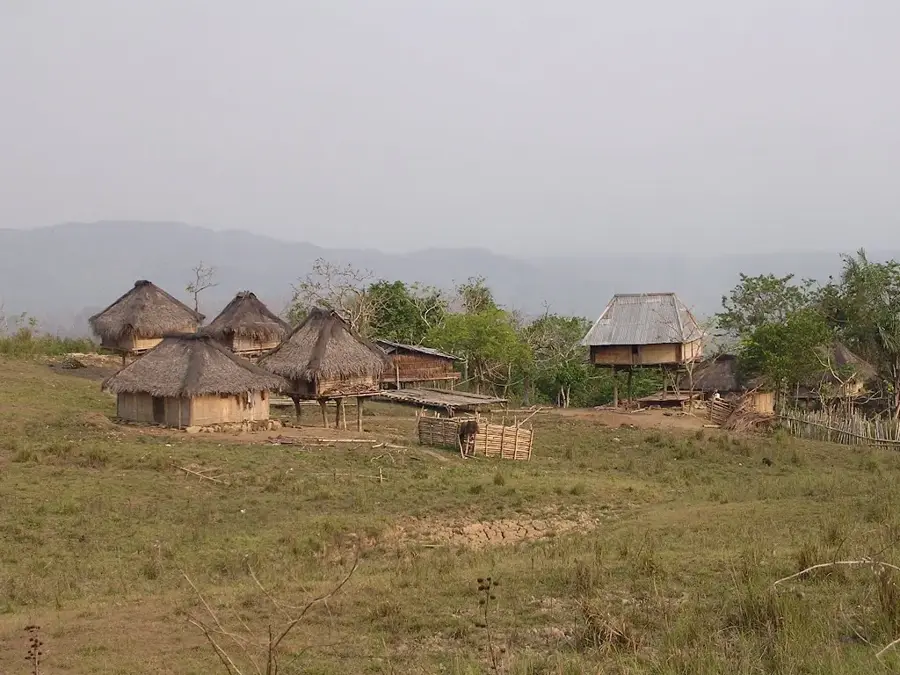
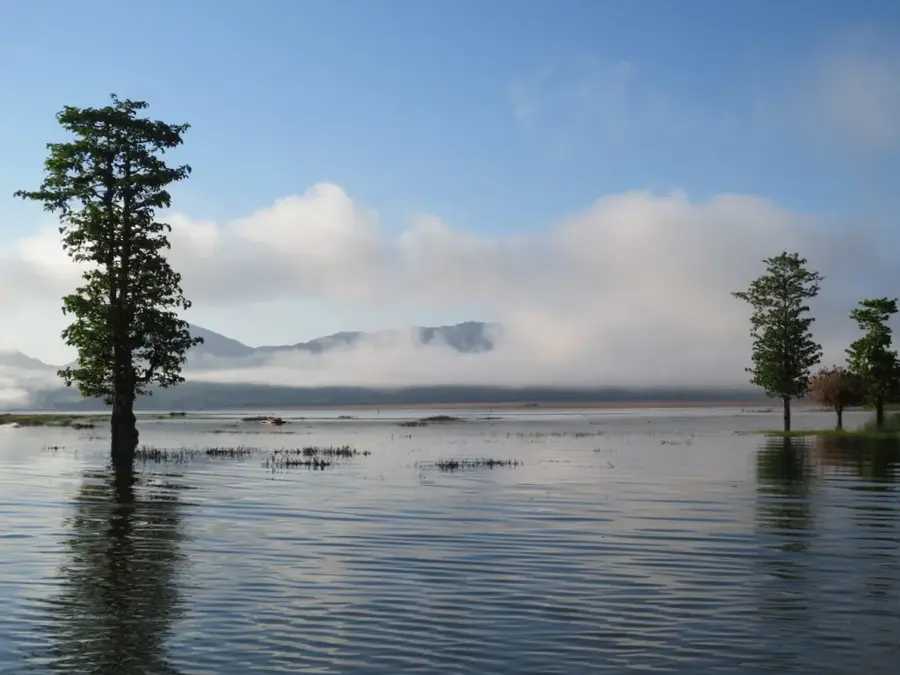
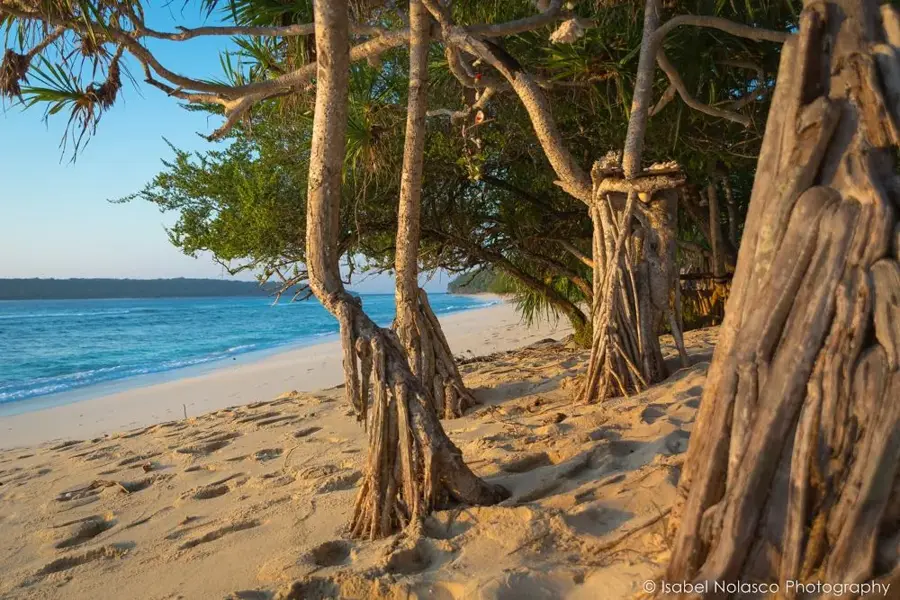
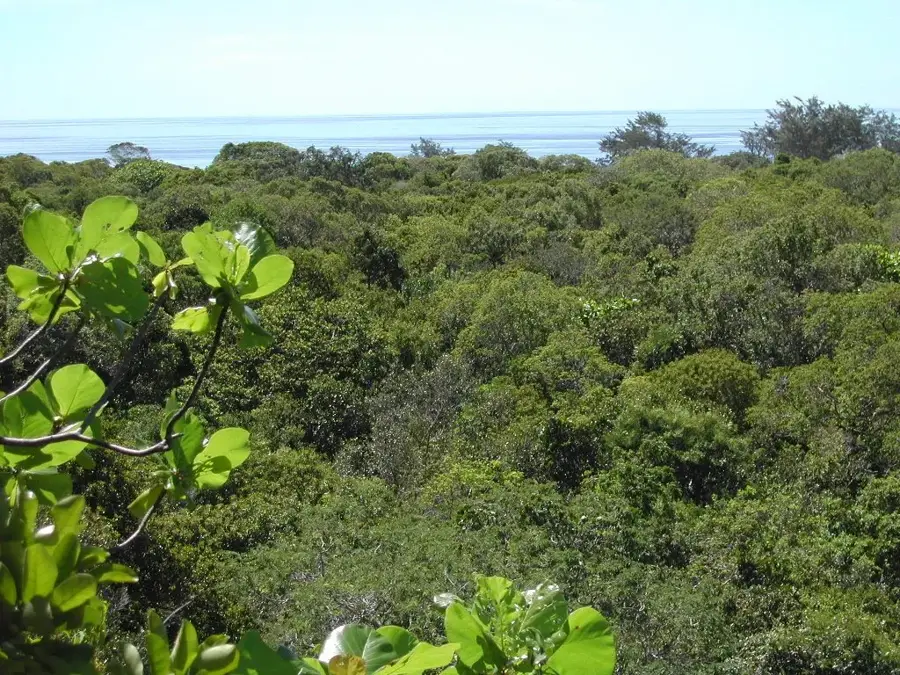
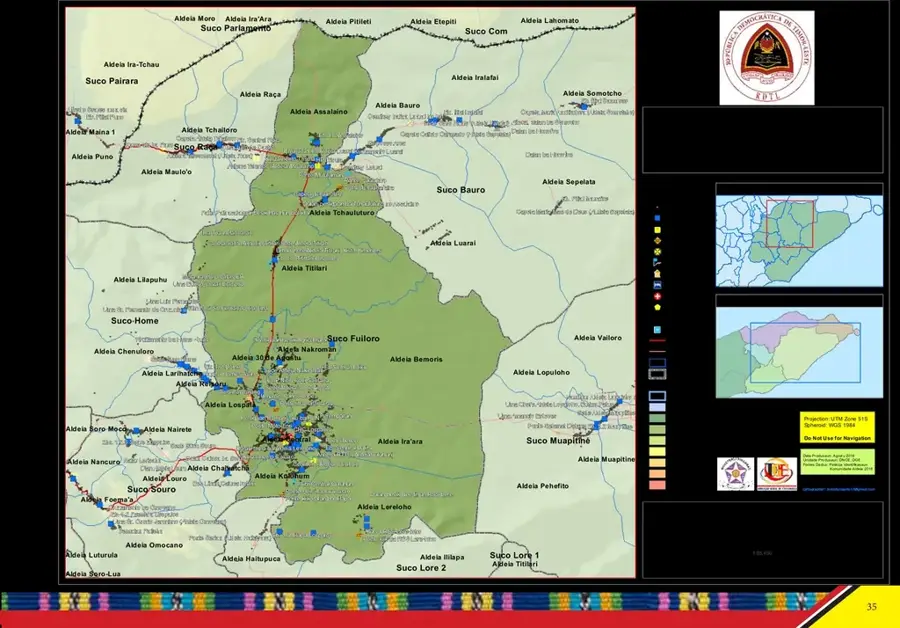
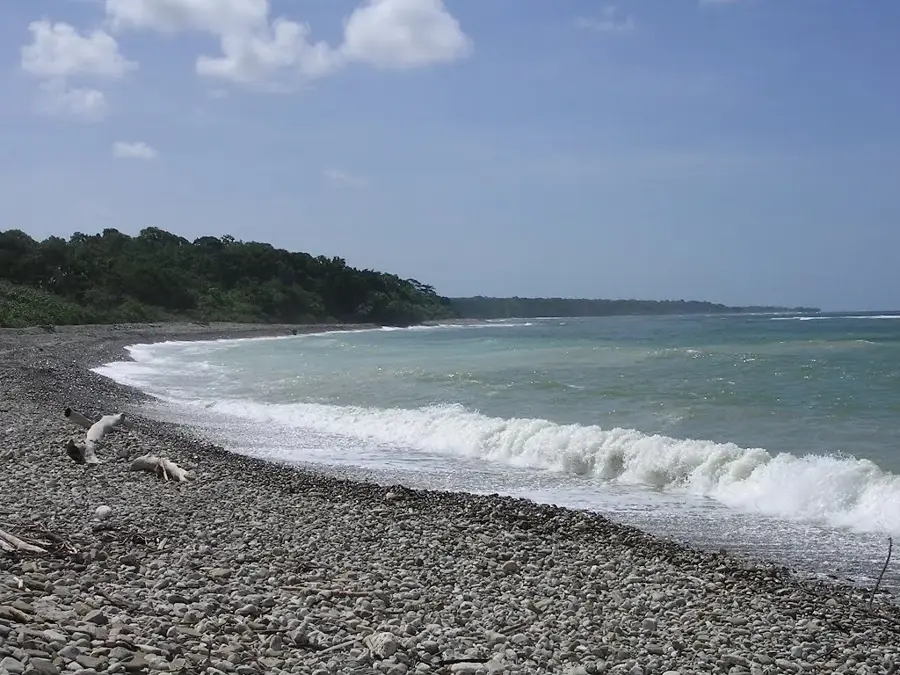
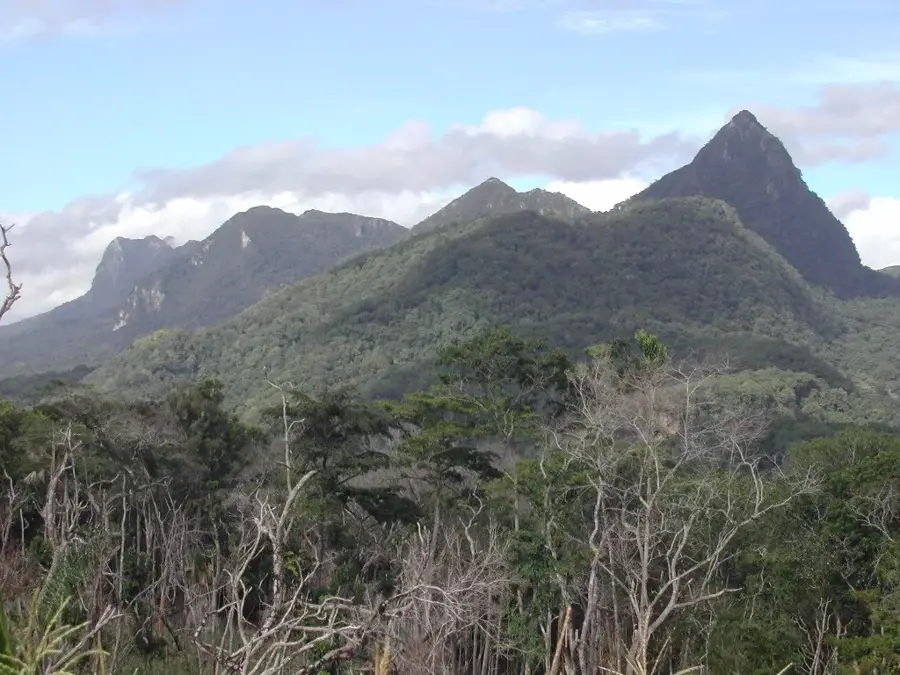
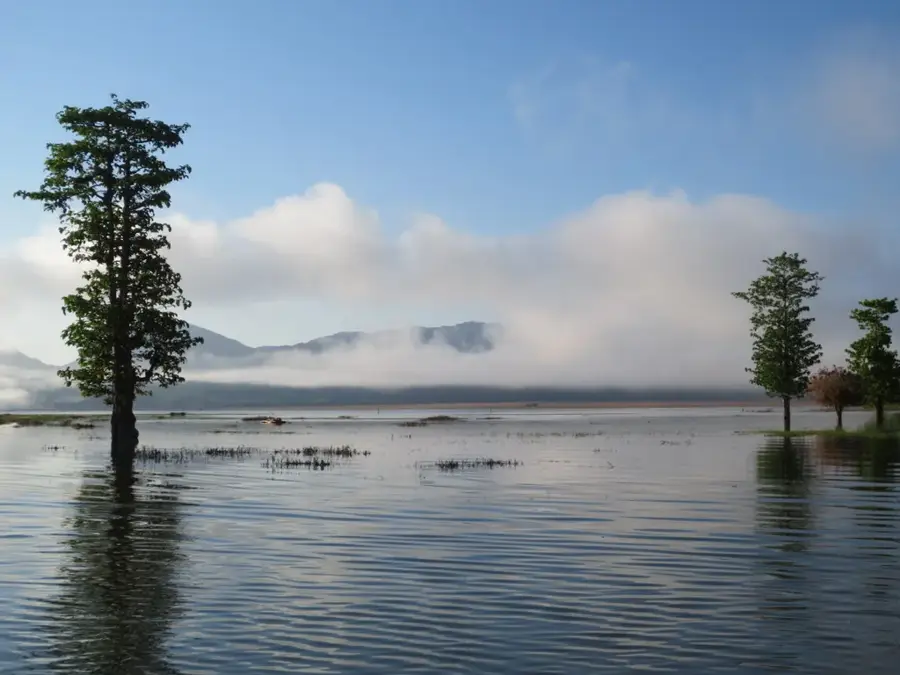
Nino Konis Santana National Park is Timor-Leste's first national park, established in 2007 to protect the country's unique natural and cultural heritage. Spanning 1,236 square kilometers in the eastern Lautém municipality, the park encompasses significant terrestrial forests and expansive marine protected areas. Named after the national resistance leader Nino Konis Santana, the park reflects the deep connection between the land and the struggle for independence. It is a biodiversity hotspot, featuring tropical rainforests, pristine coral reefs, and Lake Ira Lalaro, the nation's largest freshwater body. The park is home to over 200 bird species, including several endemics, and provides vital nesting grounds for endangered sea turtles. Culturally, the area is rich with prehistoric rock art and sacred sites belonging to the Fataluku people. Current management strategies focus on community-led conservation and sustainable ecoturism to benefit local residents. Major highlights for visitors include the remote beaches of Tutuala and the uninhabited Jaco Island, which is held as sacred by the local community.

Best time to visit & climate

The most pleasant time to visit is Jul–Sep.

JanFebMarAprMayJunJulAugSepOctNovDec
Avg °C282828282726262627282929
Rain mm20316211863512913551046145

📋 Practical info

🧭
Getting there
The national park is typically accessed via a long, adventurous overland drive from the capital, Dili, to the easternmost district of Lautem. The rugged journey requires a reliable four-wheel-drive vehicle, as local roads are largely unpaved, poorly maintained, and prone to seasonal washouts.
📅
Best season
The dry season, running from May to October, is generally considered the safest and most comfortable period for visiting and trekking. During the heavy monsoon months, torrential rains often render the challenging dirt tracks completely impassable and reduce visibility for diving or snorkeling.
⛰️
Terrain & paths
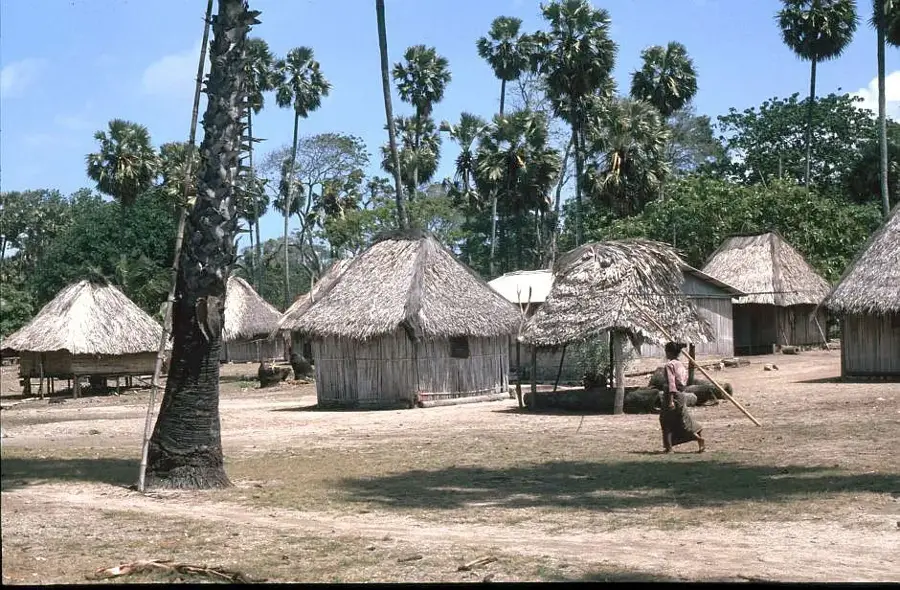
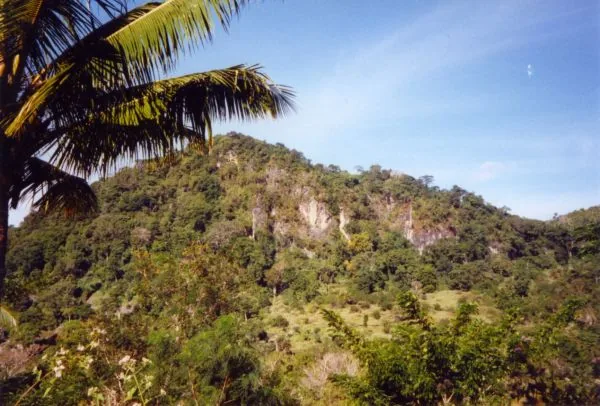
Visitors will encounter a remarkably diverse landscape transitioning from dense, humid tropical lowland forests to expansive, jagged limestone karst formations. The coastal sections feature pristine sandy beaches that abruptly drop off into bustling, ecologically rich underwater coral reef systems.
🎒
What to bring
Given the harsh sun and challenging trails, sturdy hiking shoes and lightweight, breathable tropical clothing are considered absolutely essential. Due to the area's remoteness, travelers must carry comprehensive snorkeling gear, a robust first-aid kit, insect repellent, and all their own provisions.
🅿️
Parking
Formal parking infrastructure is essentially nonexistent; vehicles are typically parked informally at remote village guesthouses or near natural trailheads. Ensure your hired four-wheel-drive is parked safely off the narrow main tracks and always ask local community leaders for permission before leaving it.
⚠️
Safety
Saltwater crocodiles represent a genuine, severe hazard in many coastal estuaries and beaches; swimming should only be attempted in locally verified safe zones. Additionally, always carry sufficient water and antimalarial medication, as emergency medical facilities are extremely distant from the park borders.
⏱️
Time needed
Due to the lengthy, exhausting travel time required just to reach this remote tip of the island, a bare minimum visit of three to four days is strongly advised. True wilderness exploration, encompassing both deep jungle trekking and extensive coastal diving, easily warrants a thoroughly planned week-long expedition.

Geography

Coordinates
-8.41110, 127.18400

Facts

  • The park was officially established by government decree on August 3, 2007
  • It covers a total area of approximately 1,236 km2 of land and sea
  • Jaco Island at the park's eastern tip remains strictly uninhabited and sacred
  • More than 200 bird species have been recorded within the park boundaries
  • Prehistoric rock art in the Tutuala area dates back over 30,000 years
  • The park is part of the 'Coral Triangle,' boasting immense marine diversity

Explore nearby

Notable places around

Route planner — Car & Motorhome

Where do you start? We build the route here, with stops and country notes along the way.

Vehicle
Only stops with (optional):

© OpenStreetMap contributors · OpenRouteService

Sights in the town Nino Konis Santana National Park (1)

Praia🎡 recreation

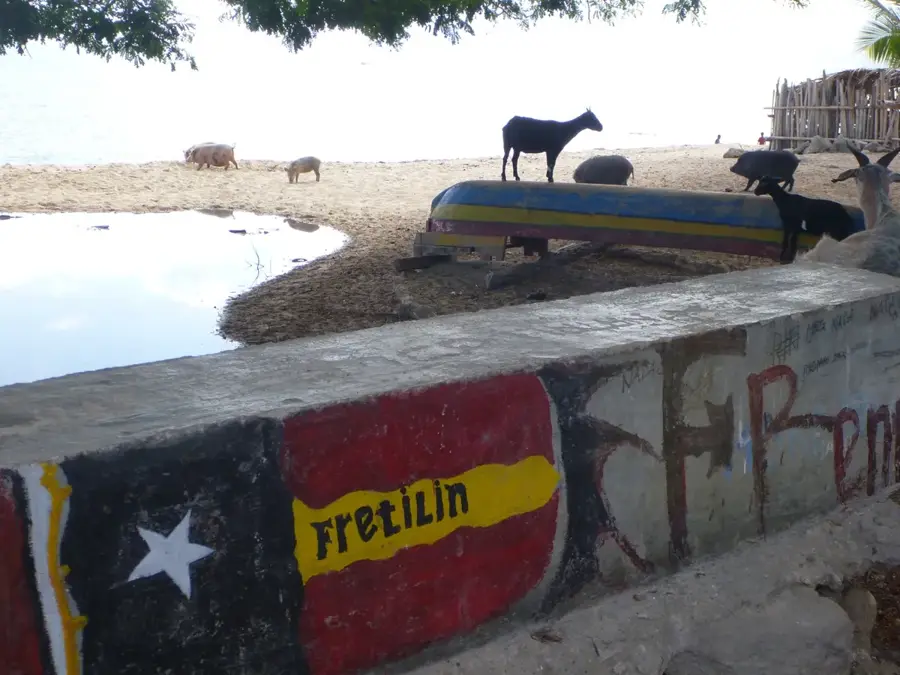
A pristine, protected sandy beach situated within the diverse ecosystems of Nino Konis Santana National Park.

Sights nearby

Frequently asked questions

What is the highlight of Nino Konis Santana National Park?
The untouched nature, Lake Ira-Lalaro, and historical sites are the main attractions.
Are there camping opportunities there?
Wild camping is not allowed; check with local accommodations in the region.
Is the park well-accessible?
The infrastructure is basic; a 4WD vehicle is necessary for many areas.
What is the best season to visit?
In the dry season between May and September, the roads are best accessible.
Do you have to pay admission for the park?
Currently, there is usually no formal entry system, but local support is welcome.
Nino Konis Santana National Park: where is it located?
Nino Konis Santana National Park is located in Timor-Leste.
Nino Konis Santana National Park: when is the best time to visit?
The most pleasant time to visit is Jul, Sep.
Nino Konis Santana National Park: why is it worth visiting?

Nino Konis Santana National Park is Timor-Leste's first national park, established in 2007 to protect the country's unique natural and cultural heritage.
View on map → The Top 50 Attractions → OpenStreetMap →
Asia
Explore with Plizio Discover more places in Asia
More places in Timor-Leste →

Nearby cities

History & landmarks
Nature
More places