Plizio Visual Lab
Luro
ℹ️Practical info — Luro
▾
🌤 Weather — 5 days
📍 Nearby
Sights nearby
💡 Tips
- The road to Luro is steep and can be rough; a 4WD vehicle is highly recommended for the journey.
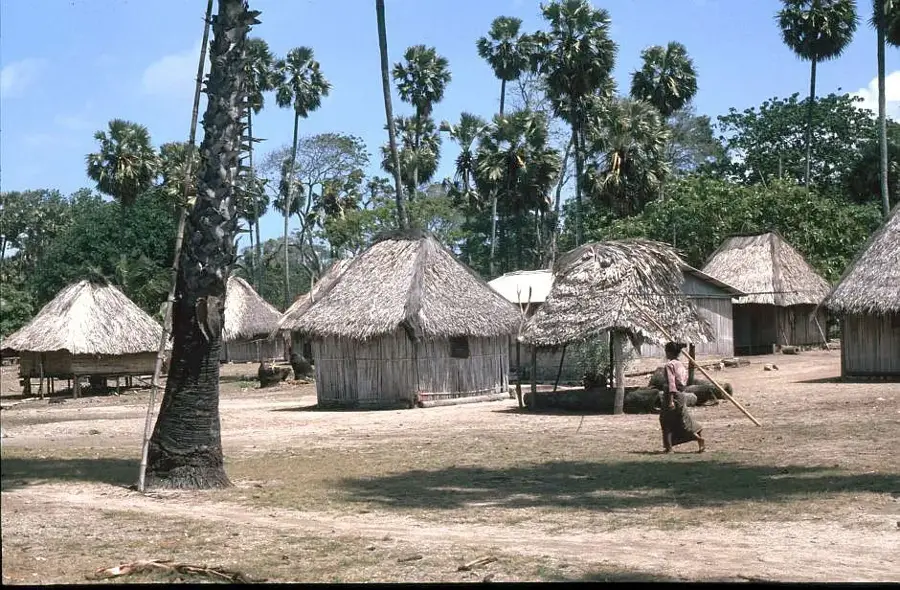
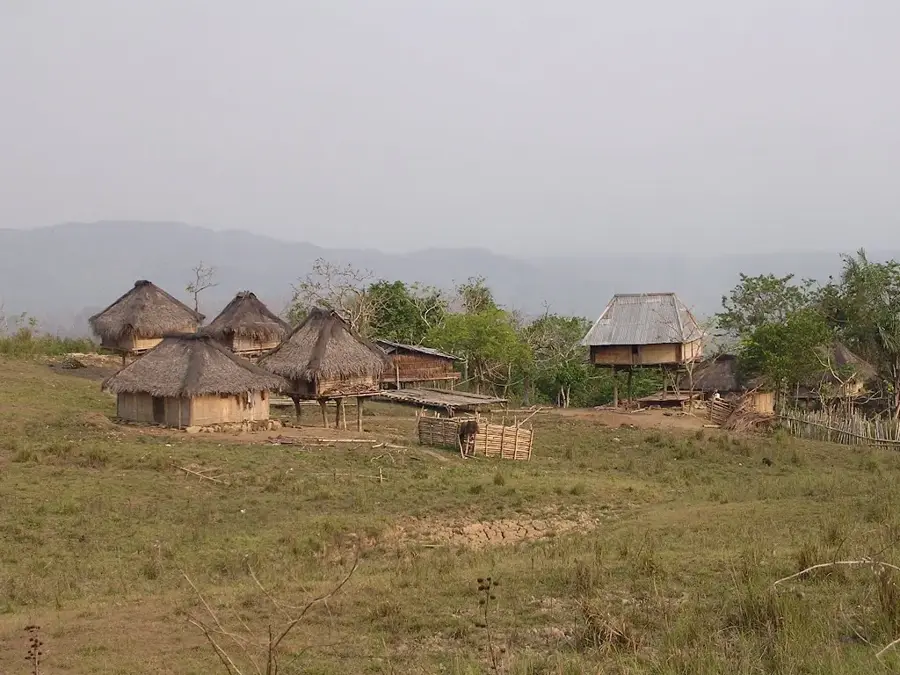
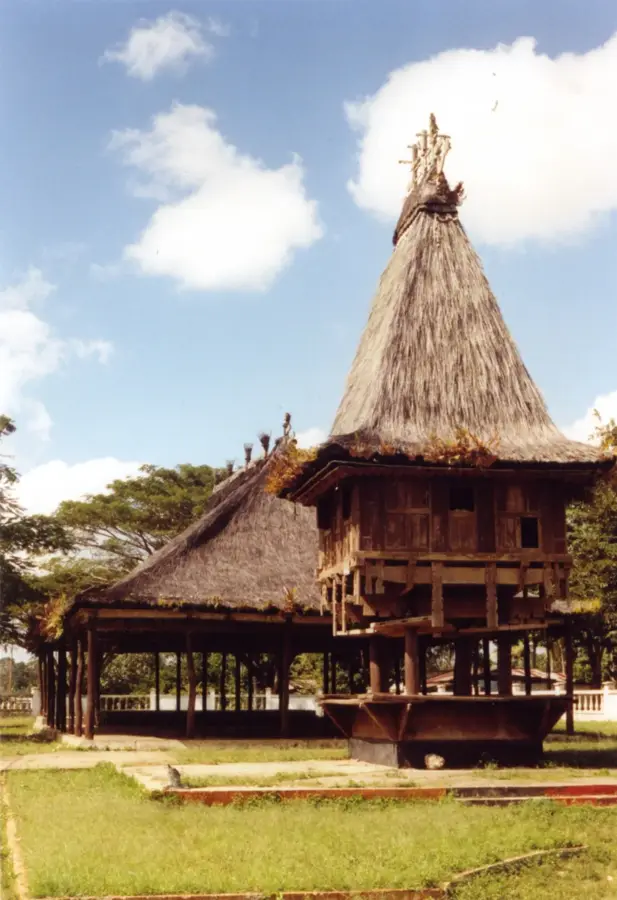
- Look for the traditional Fataluku 'spirit houses' (Lee-teinu) with their iconic high-pitched thatched roofs.
- Temperatures in the mountains can drop at night; bring a light jacket or sweater even in the dry season.
- Always ask for permission before taking photographs of local people or their traditional dwellings.
- Combine your village visit with a trek down to the spectacular wild coastal stretches of the Lautém region.
🍽 Food
Luro is famous for its forest honey, often sold by locals in recycled bottles along the main road.
Try the meat traditionally smoked over wood fires, a common specialty in these mountain villages.
A strong, locally-grown coffee cultivated in the cooler altitudes surrounding the village.
🛍 Shopping · 🧘 Quiet spots
Hand-woven baskets and mats featuring the distinct geometric patterns of the Fataluku people.
Purchase small batches of coffee beans directly from the farmers in the village area.
The trails above Luro provide meditative silence and expansive views that stretch to the coast.
Explore the cool, forested areas nearby for a peaceful stroll in the early morning fog.
Water temperature…
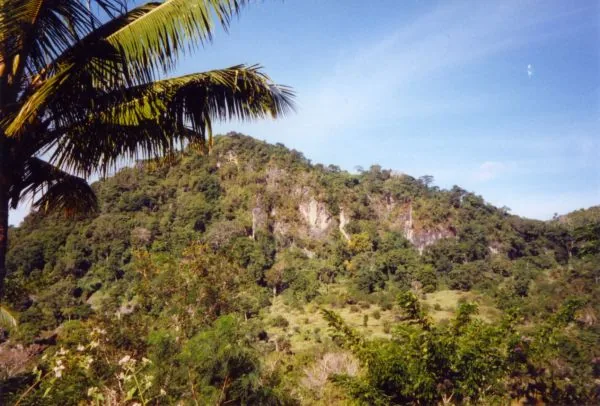
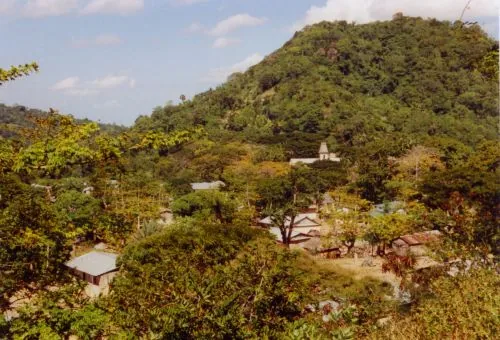
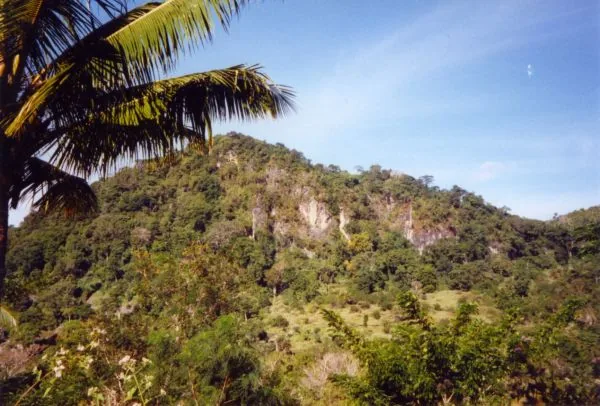
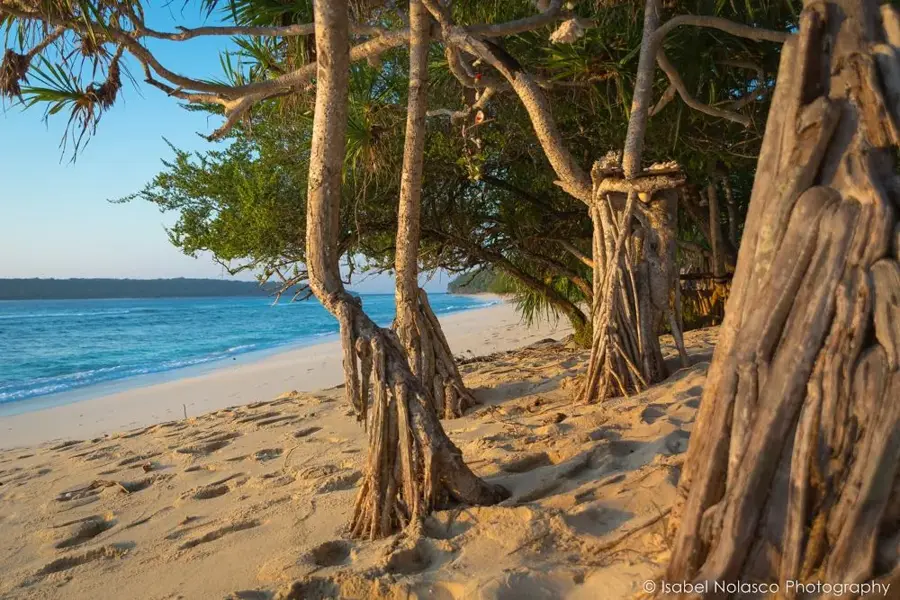
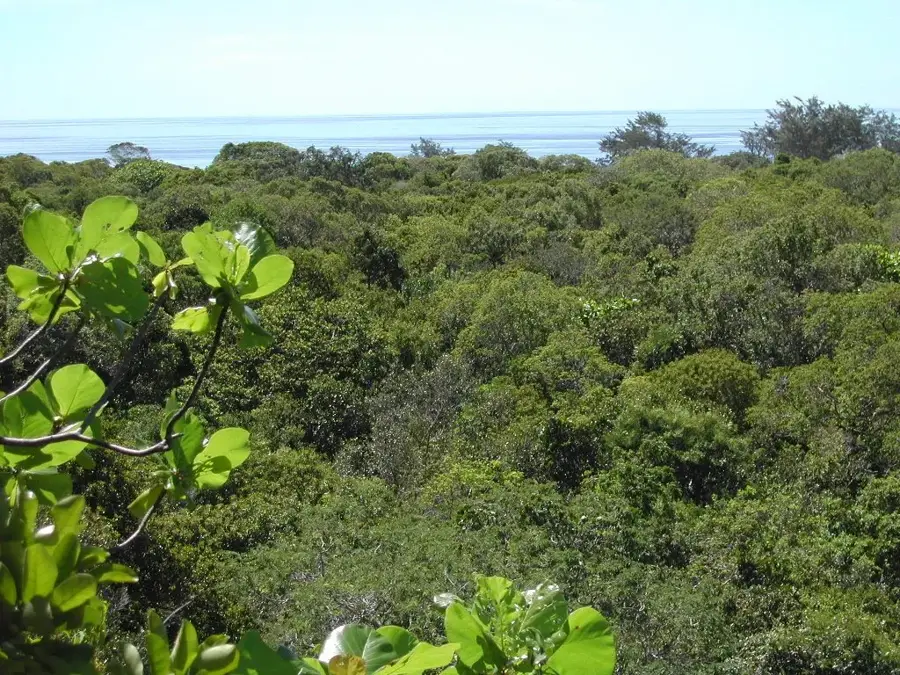
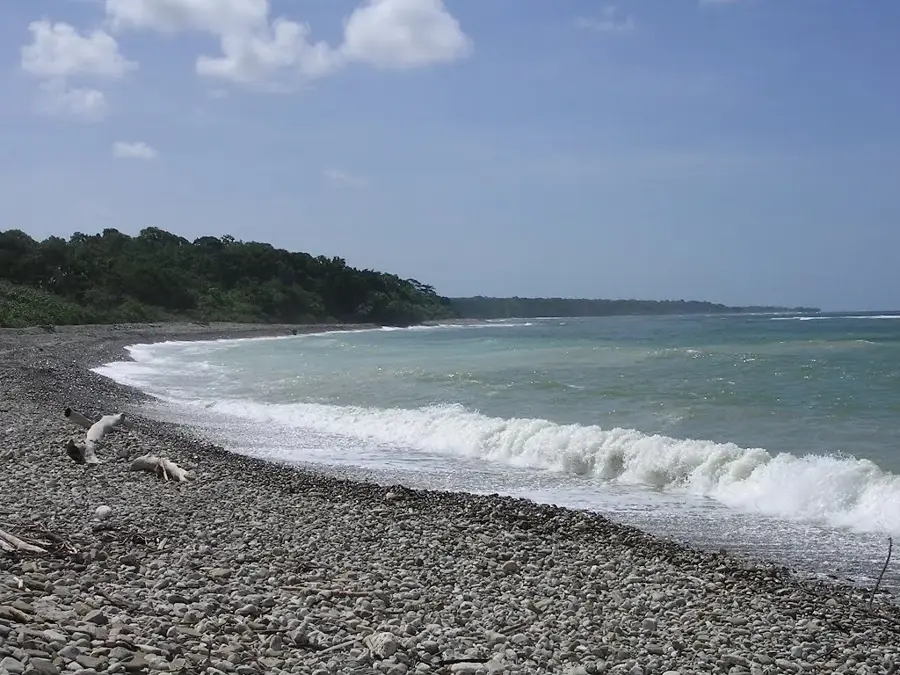
Luro is located in the cooler highlands of the Lautém District but still features access to the sweeping coastal areas of eastern East Timor. The region is known for its untouched nature and the wild Praia stretches that lie below the limestone cliffs. These beaches are often accessible only via narrow paths and offer maximum privacy and proximity to nature. The water at the Praia here is particularly clear and is excellent for explorers who want to snorkel away from civilization. Luro's culture is deeply rooted in the traditions of the Fataluku people, reflected in the architecture of the distinctive stilt houses. The combination of mountainous landscape and the nearby ocean creates a unique microclimate. Visitors can taste local specialties such as smoked meats and mountain coffee. Traveling to the far east of the country is arduous but rewards with landscapes that are among the most pristine in Southeast Asia. The untouched Praia is the first-rate place to feel the power of the Indo-Pacific.
- Location: Timor-Leste
- Nearby: Iliomar (13 km)
- Population: ~2.839 (2025)
Best time to visit & climate
The most pleasant time to visit is Jul–Sep.
| Jan | Feb | Mar | Apr | May | Jun | Jul | Aug | Sep | Oct | Nov | Dec | |
|---|---|---|---|---|---|---|---|---|---|---|---|---|
| Avg °C | 28 | 28 | 28 | 28 | 27 | 26 | 26 | 26 | 27 | 28 | 29 | 29 |
| Rain mm | 203 | 162 | 118 | 63 | 51 | 29 | 13 | 5 | 5 | 10 | 46 | 145 |
Geography
Facts
- Lautém District
- Fataluku culture
- Mountain-sea proximity
- Wild coastal paths
- Traditional stilt houses
- Cooler climate
- Rich biodiversity
- Very remote
Explore nearby
Notable places around

Route planner — Car & Motorhome
Where do you start? We build the route here, with stops and country notes along the way.
© OpenStreetMap contributors · OpenRouteService
Sights in the town Luro (1)
Frequently asked questions
What can you do in Luro?
How is the climate in Luro?
How do you get to Luro?
What food is common in the region?
Is Luro safe for tourists?
Luro: where is it located?
Luro: when is the best time to visit?
Luro: why is it worth visiting?

Nearby cities
History & landmarks
Nature
More places