Plizio Visual Lab
Balibo
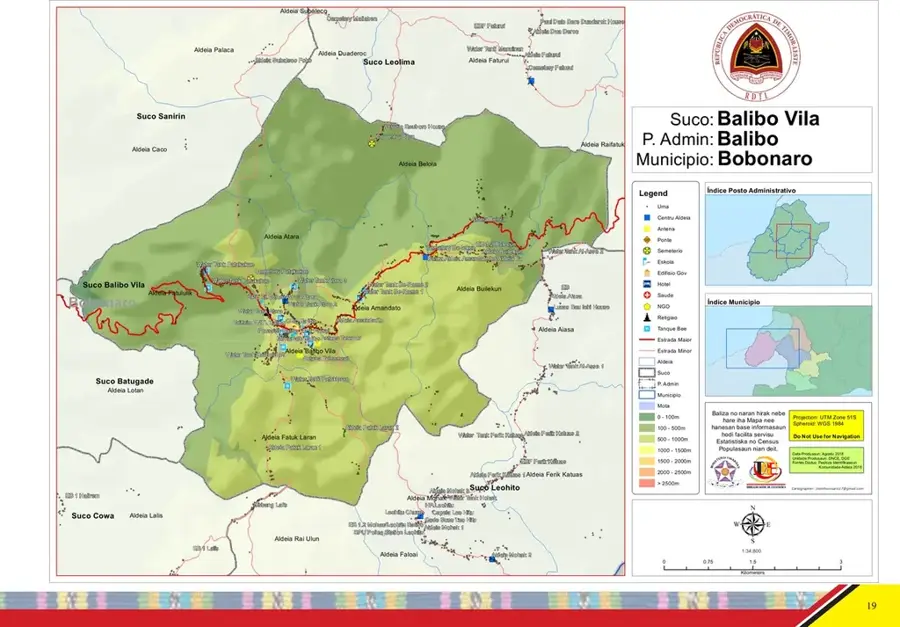
ℹ️Practical info — Balibo
▾
🌤 Weather — 5 days
📍 Nearby
Sights nearby
💡 Tips
- Visit the historic Balibo Fort early to enjoy the morning breeze and clear views.
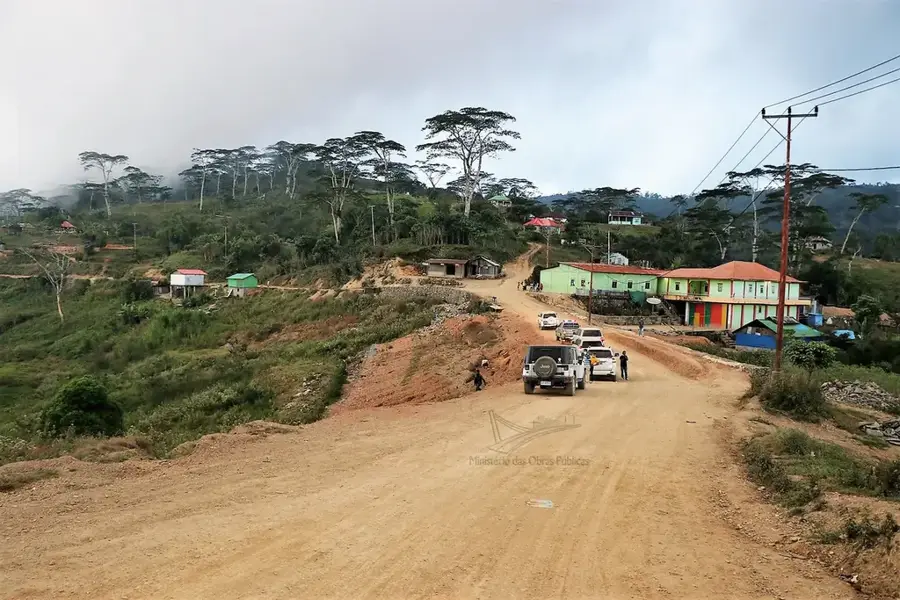
- Roads can be rough, so a 4WD vehicle is highly recommended.
- Take time to visit the Balibo 5 Flag House to understand the local history.
- Bring plenty of cash, as card payments are practically non-existent.
🍽 Food
Enjoy a fresh cup at the cafe by the fort.
Grilled fish in tamarind, ask at small local eateries.
Sweet potato dishes that are a common side in village meals.
🛍 Shopping · 🧘 Quiet spots
Handwoven traditional textiles available from local women.
Buy locally grown coffee as an authentic souvenir.
A well-suited spot for a quiet sunset view.
Take a relaxing walk on the paths surrounding the village.
Water temperature…
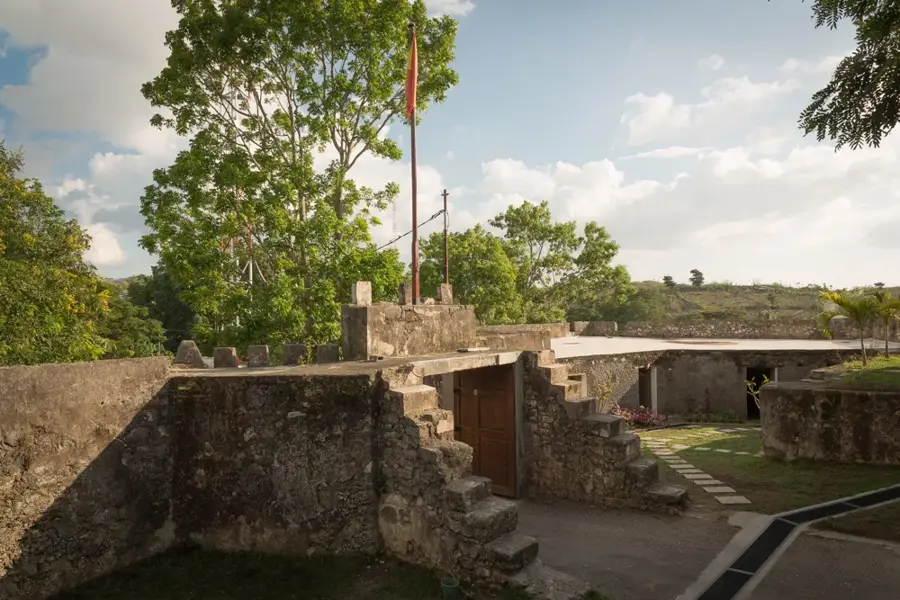
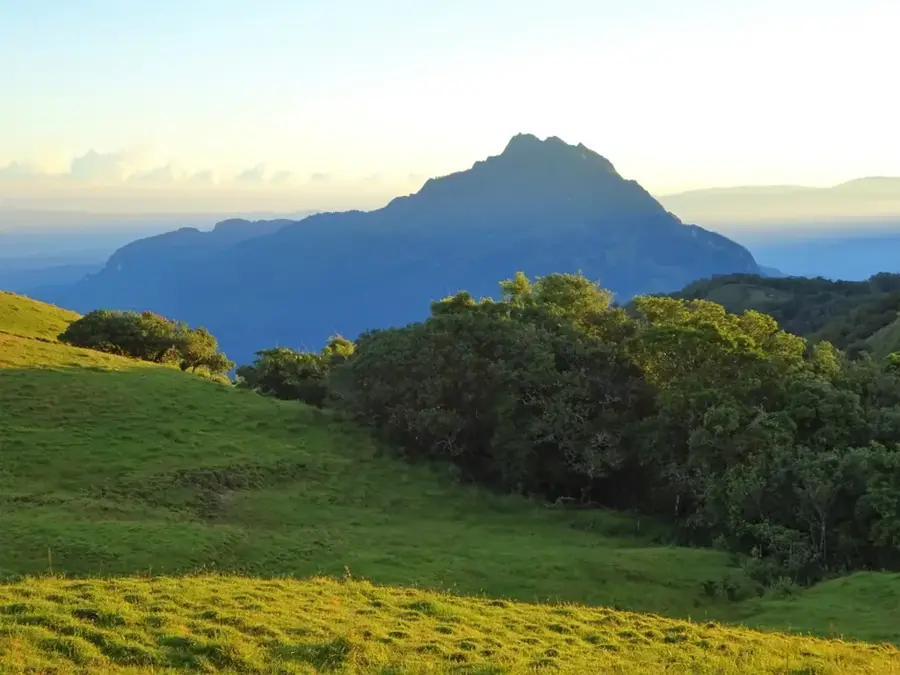
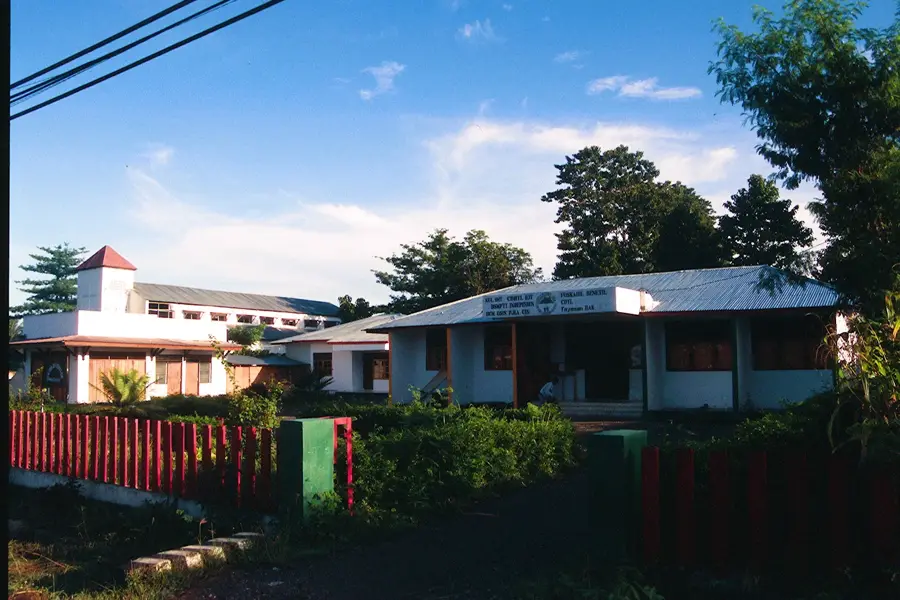
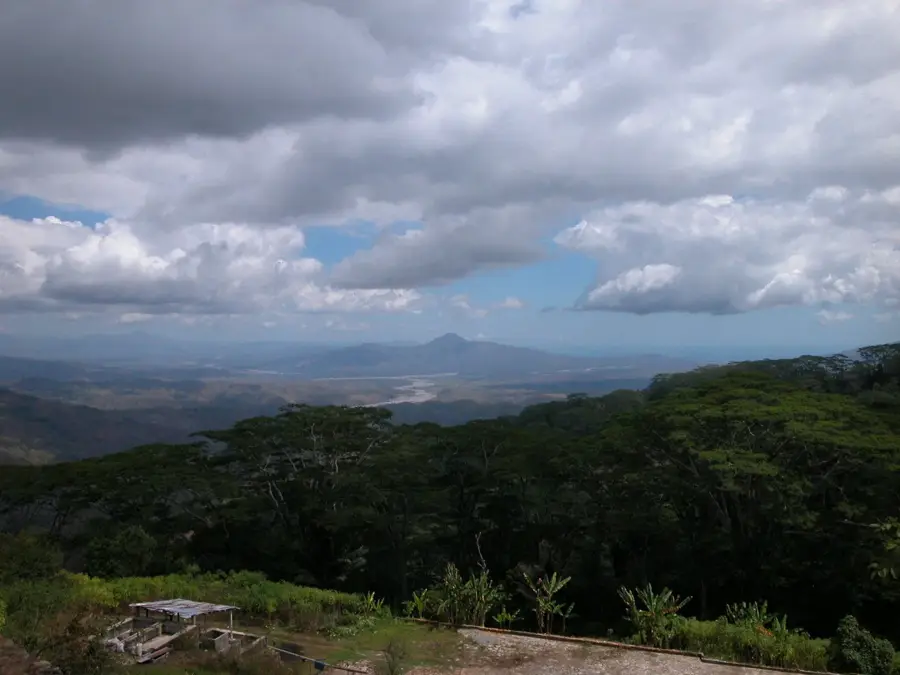
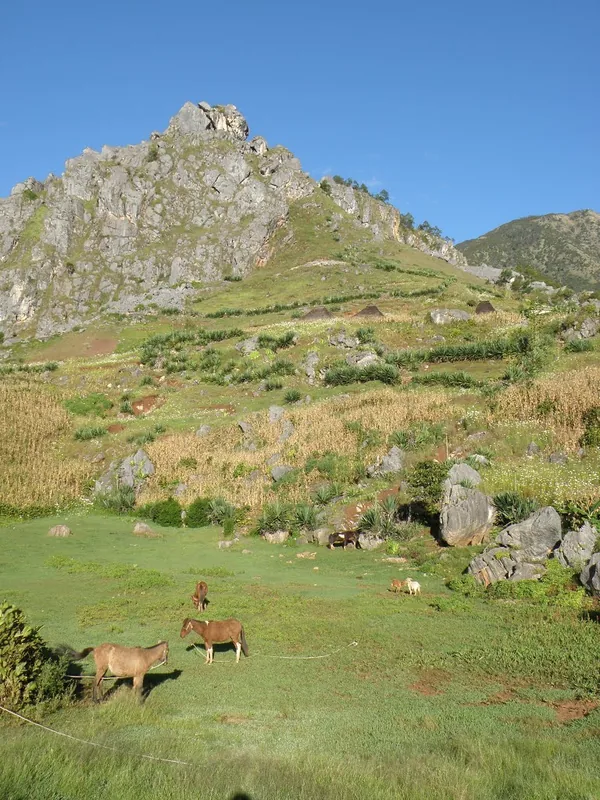
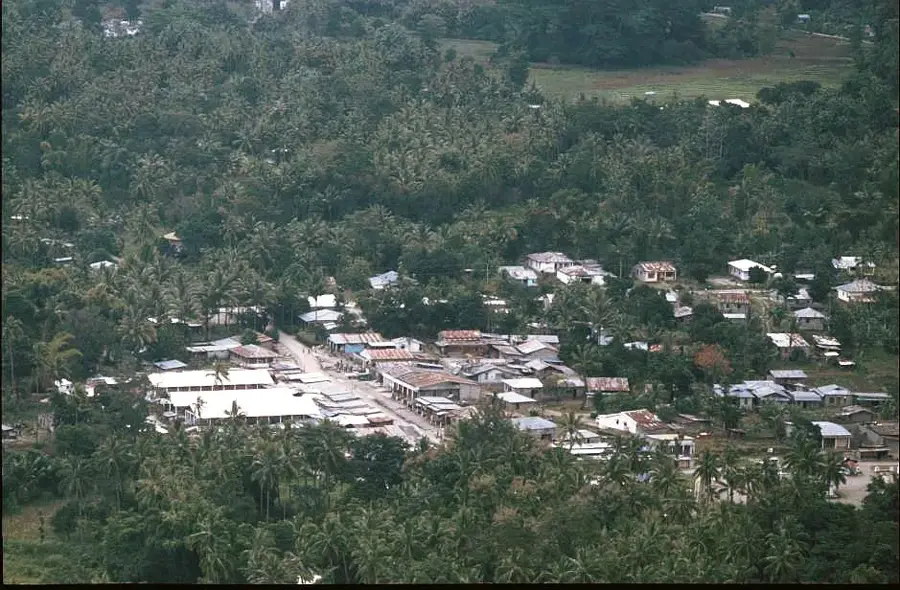
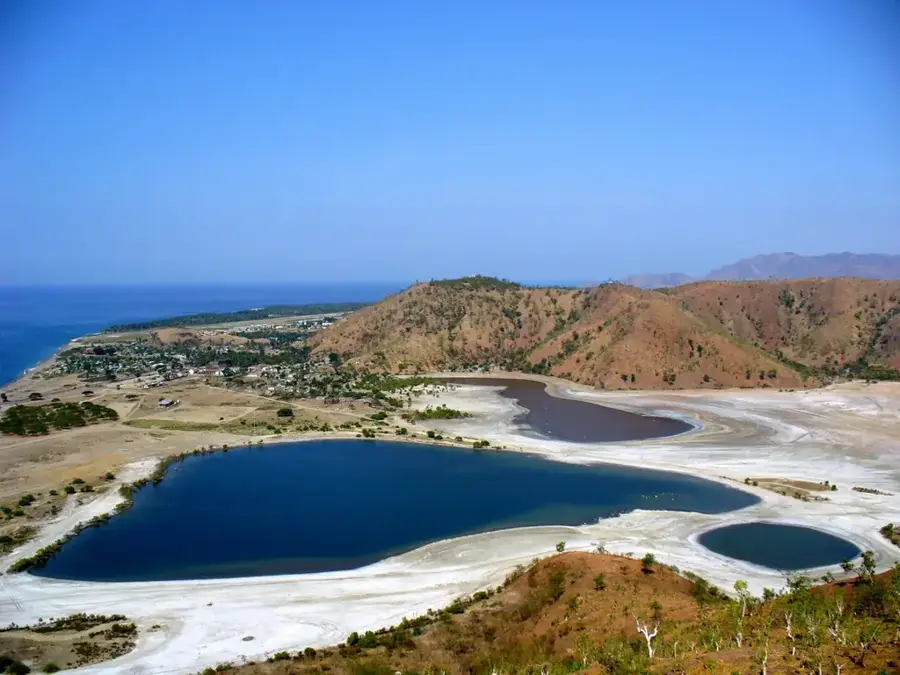
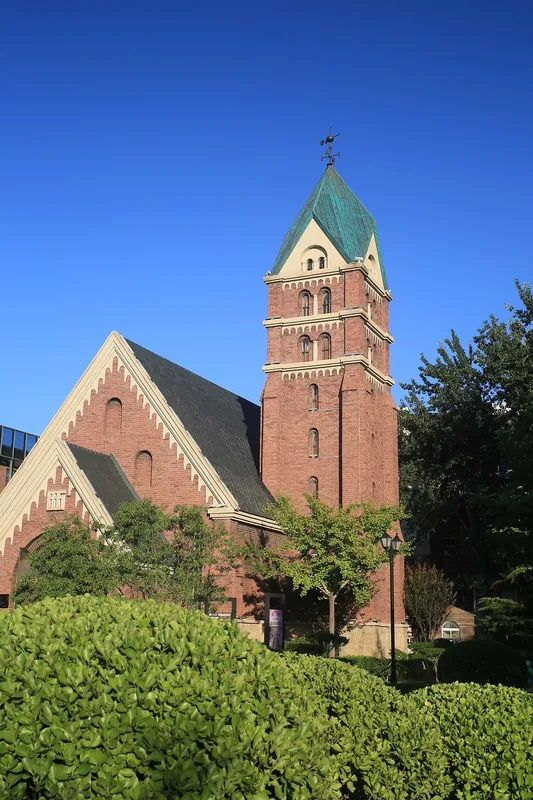
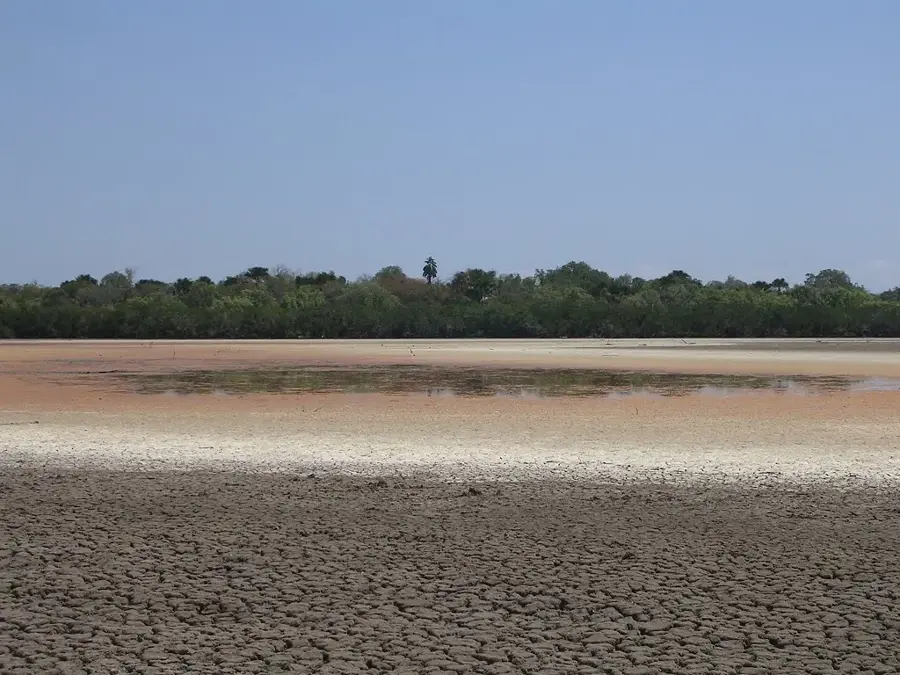
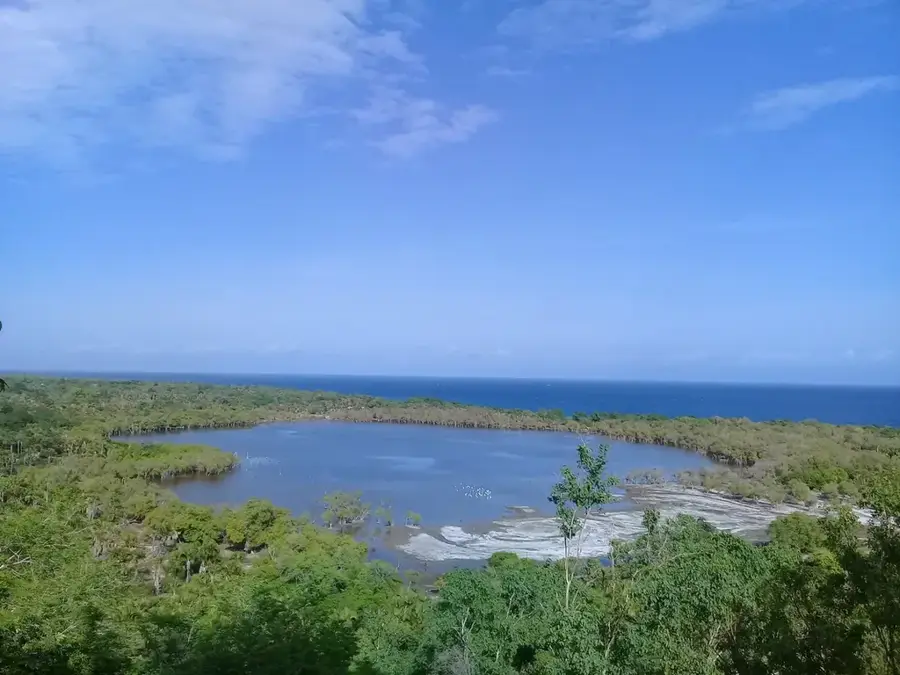
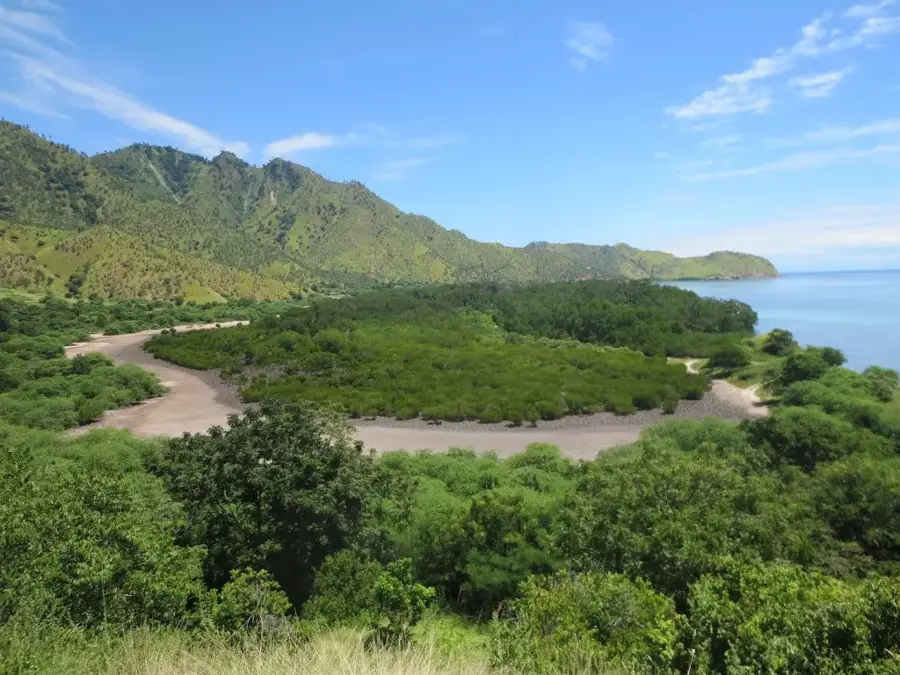
Balibo is a historically significant town in the Bobonaro municipality, situated near the border with Indonesian West Timor. The town is primarily known for its strategic location, anchored by the imposing Balibo Fort, which was constructed in 1645 during the Portuguese colonial era. In modern history, Balibo gained international notoriety due to the tragic events of 1975, when five foreign journalists, known as the "Balibo Five," were killed during the Indonesian invasion. The fort has since been restored and currently functions as a hotel and memorial site, commemorating the town's complex past. Perched on a hill, the town provides expansive views across the coastal plains towards the Indonesian border. The architecture in the town center reflects a blend of colonial influences and contemporary Timorese elements. Today, Balibo plays a vital role in cross-border trade and serves as a hub for community development projects. The surrounding landscape is arid and rugged, which originally defined the defensive nature of the settlement.
- Location: Timor-Leste
- Nearby: Maliana (20 km)
Best time to visit & climate
The most pleasant time to visit is Jun–Aug.
| Jan | Feb | Mar | Apr | May | Jun | Jul | Aug | Sep | Oct | Nov | Dec | |
|---|---|---|---|---|---|---|---|---|---|---|---|---|
| Avg °C | 26 | 26 | 26 | 26 | 26 | 25 | 25 | 25 | 27 | 28 | 29 | 27 |
| Rain mm | 276 | 242 | 147 | 60 | 39 | 24 | 11 | 5 | 6 | 16 | 66 | 203 |
Geography
Facts
- Established as a strategic outpost with the fort's construction in 1645.
- Site of the death of the 'Balibo Five' journalists in October 1975.
- The restored Balibo Fort now houses a museum and boutique hotel.
- Located only about 10 kilometers from the international border with Indonesia.
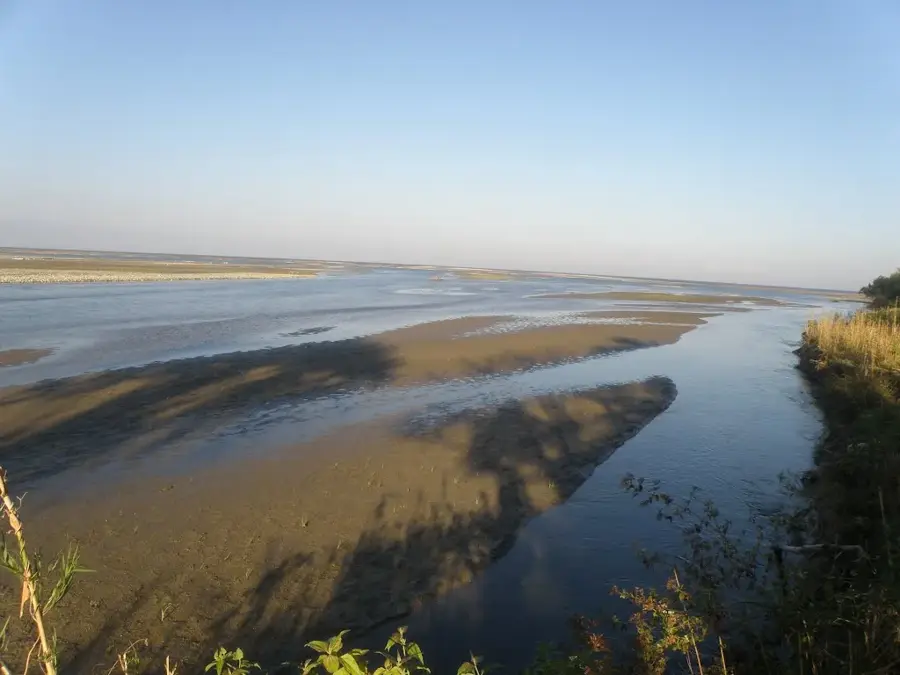
- Offers panoramic views of the Sawu Sea and the surrounding countryside.
- Hub for the Balibo House Trust, a social enterprise supporting local people.
Explore nearby
Notable places around
Route planner — Car & Motorhome
Where do you start? We build the route here, with stops and country notes along the way.
© OpenStreetMap contributors · OpenRouteService
Sights in the town Balibo (1)
Frequently asked questions
How long to stay in Balibo?
Best time to travel?
How to get there?
What is the main sight?
Are there accommodations?
Balibo: where is it located?
Balibo: when is the best time to visit?
Balibo: why is it worth visiting?

Nearby cities
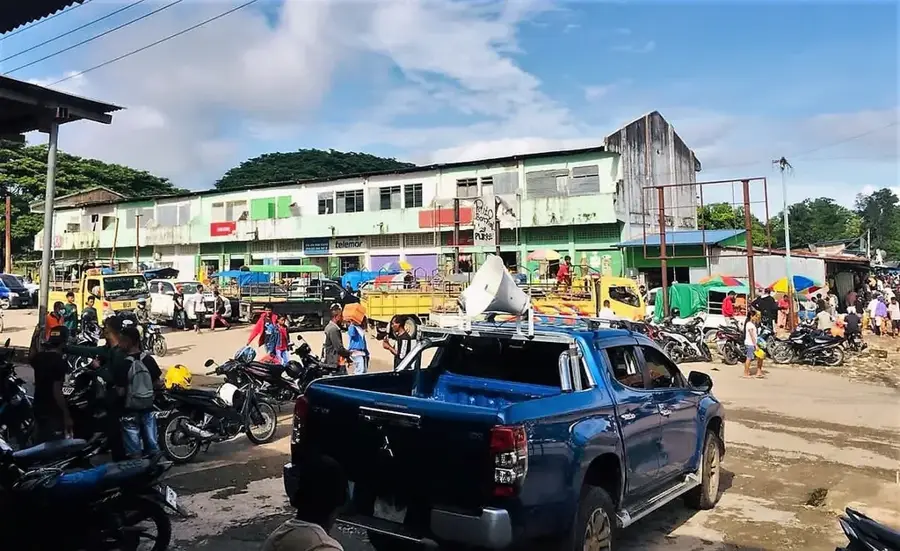
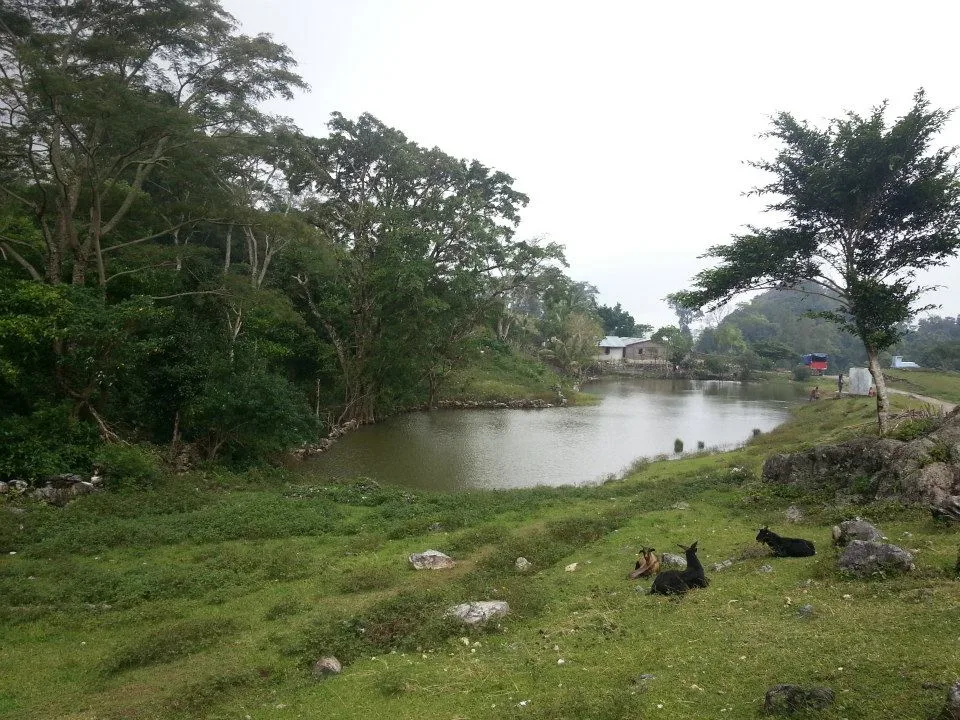
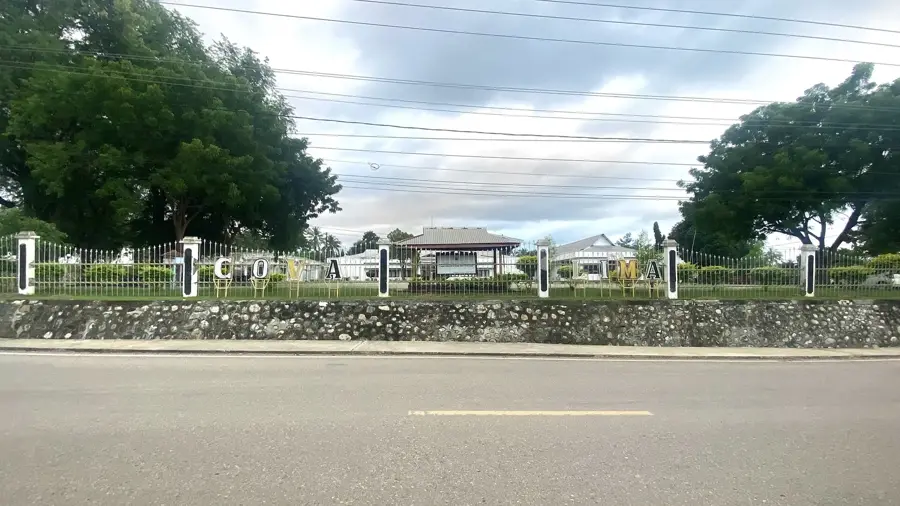
History & landmarks
Nature
More places