Plizio Visual Lab

Selous Forest
Plizio editorial teamData Sources
Forest
—°
Selous Forest (Tanzania)

Weather…

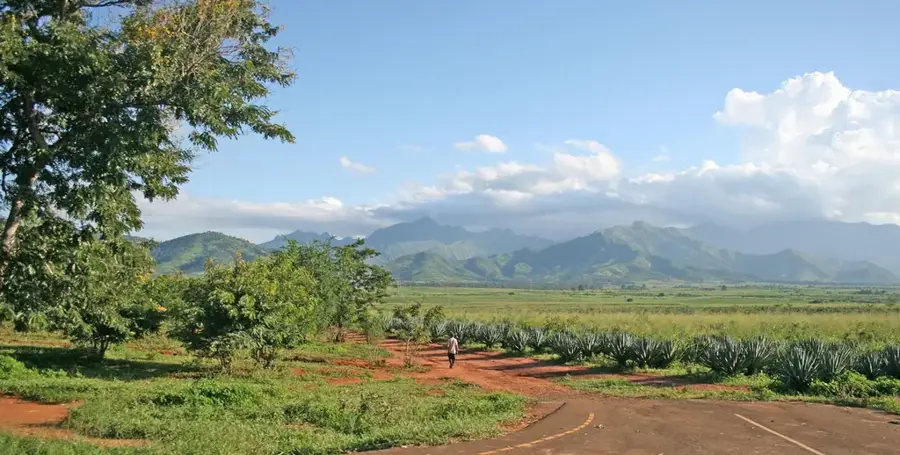
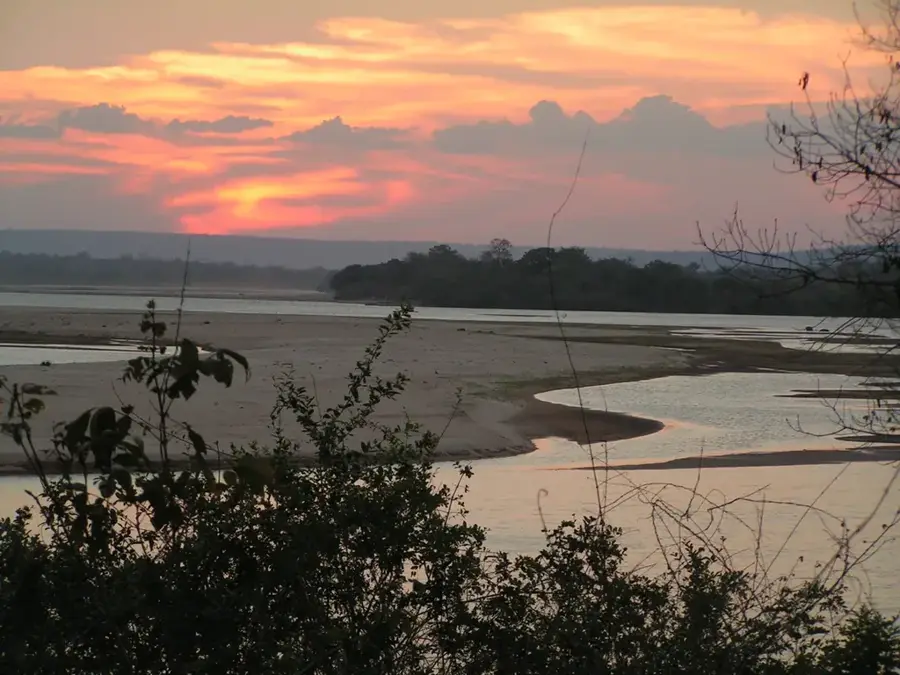
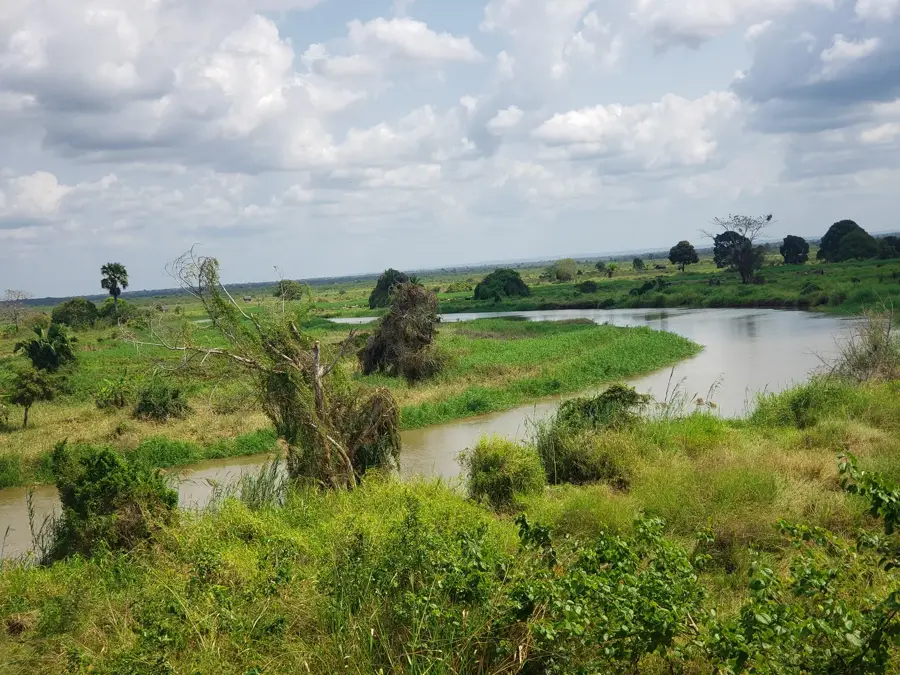
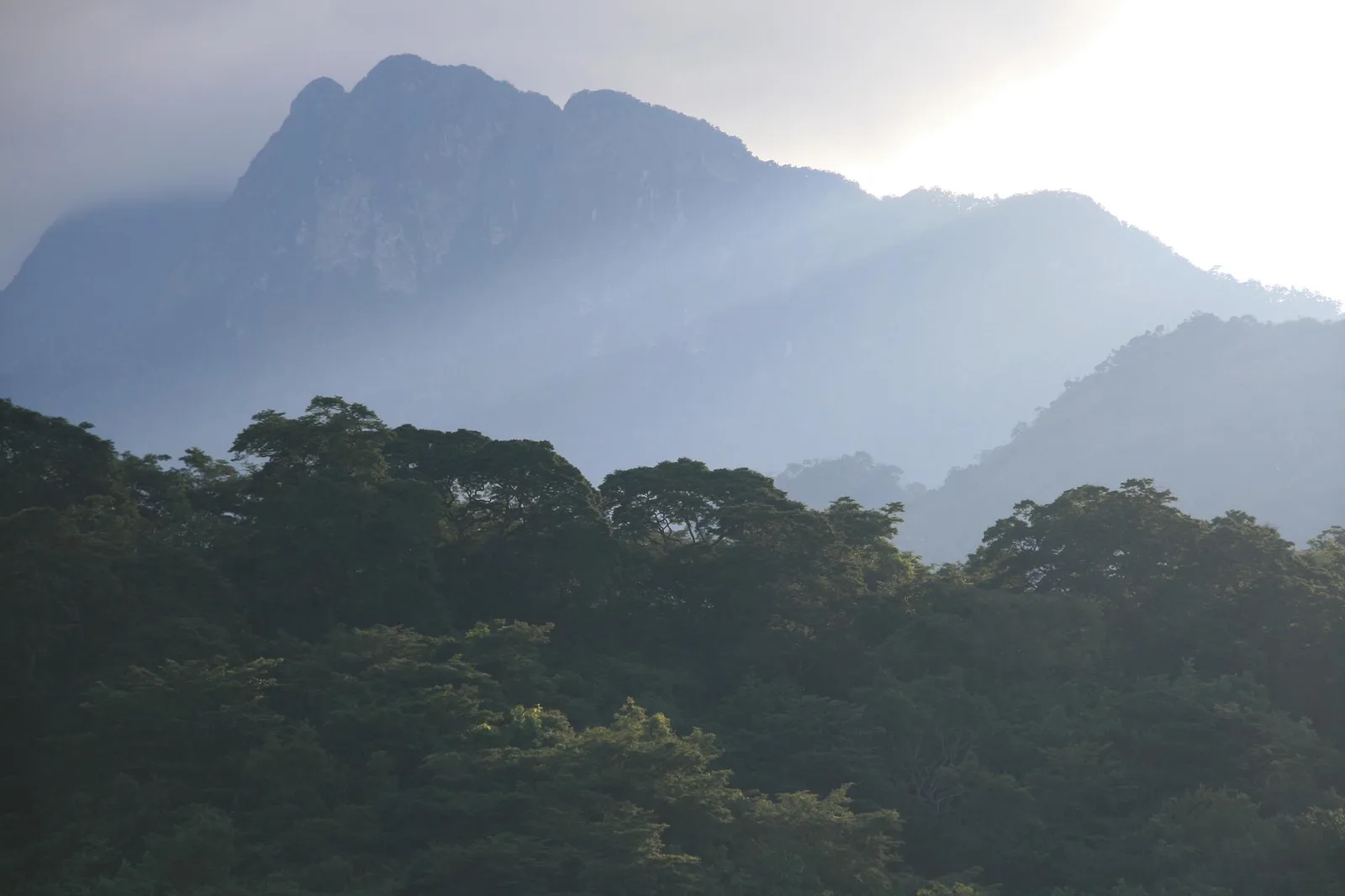
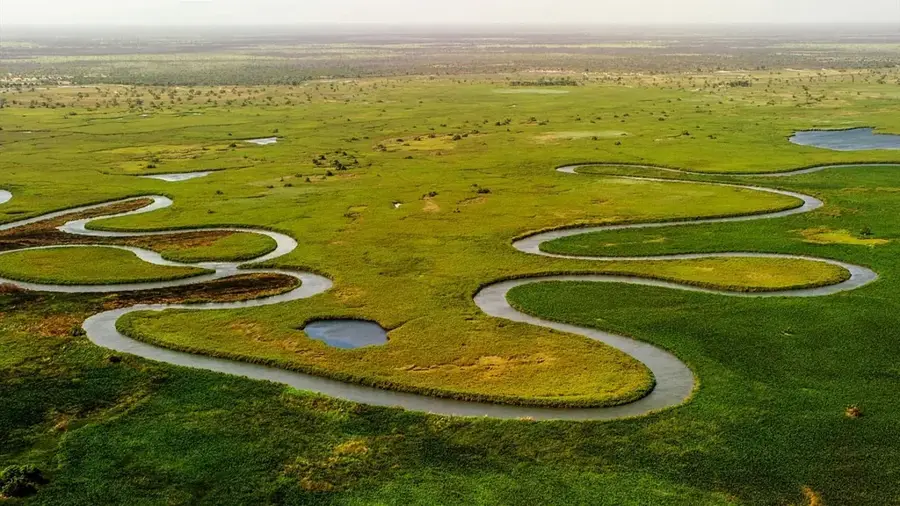
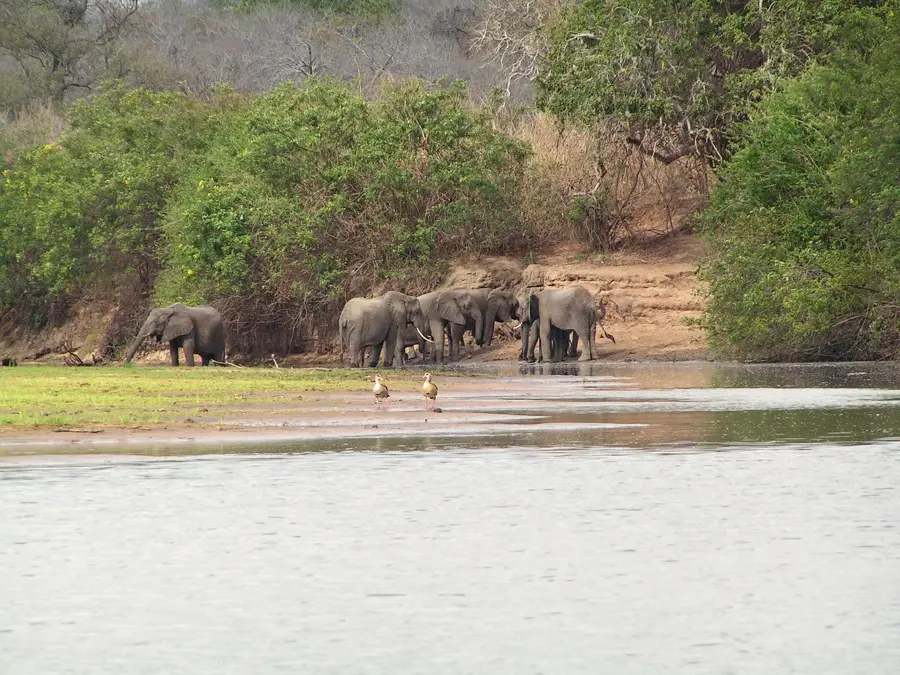
The Selous Game Reserve (now partly Nyerere National Park) is one of Africa's largest protected areas, covering approximately 50,000 square kilometers. It was designated a UNESCO World Heritage site in 1982 for its pristine wilderness and vast wildlife populations. The landscape is dominated by the Rufiji River, which creates a complex network of lakes, channels, and swamps that support a rich variety of flora and fauna. It was named after Frederick Courteney Selous, a British hunter and conservationist who died in the area during World War I. Geographically, the reserve features miombo woodlands, open grass savannas, and dense riverine vegetation. it hosts significant populations of elephants, rhinos, and hippos, and is one of the last major sanctuaries for the African wild dog. Tourism in Selous is characterized by exclusive boat safaris and guided walking tours.

Best time to visit & climate

The most pleasant time to visit is Jun–Aug.

JanFebMarAprMayJunJulAugSepOctNovDec
Avg °C262525242322232426272827
Rain mm2171752381834265473871184

📋 Practical info

🧭
Getting there
Access to the vast Selous forest reserves is typically organized through flights from Dar es Salaam to specific remote gravel airstrips. Alternatively, adventurous travelers can take the slow train or embark on an incredibly long and demanding journey via rugged dirt roads.
📅
Best season
The classic dry season, extending from late June to October, provides the best accessibility as the dense vegetation thins out noticeably. Heavy rains between March and May often flood the internal dirt tracks, forcing many remote camps and lodges to close completely.
⛰️
Terrain & paths
The topography features a diverse mix of dense miombo woodlands, expansive grassy clearings, and seasonal riverbeds winding through the landscape. Navigating this wild terrain off-road is strictly regulated and extremely difficult without an exceptionally capable safari vehicle.
🎒
What to bring
Durable, lightweight cotton clothing in muted bush colors is highly recommended to minimize attracting the persistent local tsetse flies. Visitors must remember to pack potent insect repellent, sun hats, and specialized binoculars to spot distant or camouflaged wildlife.
🅿️
Parking
Independent parking infrastructure does not exist in this enormous wilderness area, as self-driving is exceptionally rare and discouraged. Instead, designated and secured parking spots are strictly confined to the compounds of authorized safari lodges and ranger stations.
⚠️
Safety
Due to the intense concentration of large predators and unpredictable wild elephants, visitors are never permitted to walk unescorted in the forest. Adhering strictly to the instructions of trained armed rangers during all planned walking safaris is completely non-negotiable.
⏱️
Time needed
A meaningful and comprehensive visit to this massive reserve requires absolute minimum of three to four days to justify the complex travel logistics. Many dedicated nature enthusiasts opt to spend well over a week exploring different sections of the diverse ecosystem.

Geography

Coordinates
-9.00000, 37.50000

Facts

  • The reserve is larger in size than the entire country of Switzerland.
  • Roughly 10% of the world's remaining African wild dogs live here.
  • The Rufiji River divides the reserve into northern and southern sectors.
  • There are over 2,100 different plant species found throughout the area.
  • The reserve was originally established as a protected area in 1896.
  • More than 440 bird species have been recorded within its boundaries.

Explore nearby

Notable places around
Route planner — Car & Motorhome

Where do you start? We build the route here, with stops and country notes along the way.

Vehicle
Only stops with (optional):

© OpenStreetMap contributors · OpenRouteService

Sights nearby

Frequently asked questions

What is special about Selous forest?
It is one of Africa's largest protected areas with huge wildlife populations.
Are walking safaris allowed?
Yes, guided walking safaris are a highlight of this reserve.
When is the best travel time?
The dry season from June to October has the best sightings.
Is the reserve easily accessible?
Travel is usually by light aircraft from Dar es Salaam.
Can one also do river safaris there?
Yes, boat trips on the Rufiji are very popular.
Selous Forest: where is it located?
Selous Forest is located in Tanzania.
Selous Forest: when is the best time to visit?
The most pleasant time to visit is Jun, Aug.
Selous Forest: why is it worth visiting?

The Selous Game Reserve (now partly Nyerere National Park) is one of Africa's largest protected areas, covering approximately 50,000 square kilometers.
View on map → The Top 50 Attractions → OpenStreetMap →
Africa
Explore with Plizio Discover more places in Africa
More places in Tanzania →

Nearby cities

History & landmarks
Nature
More places