Plizio Visual Lab

Mikumi Forest
Plizio editorial teamData Sources
Forest
—°
Mikumi Forest (Tanzania)

Weather…

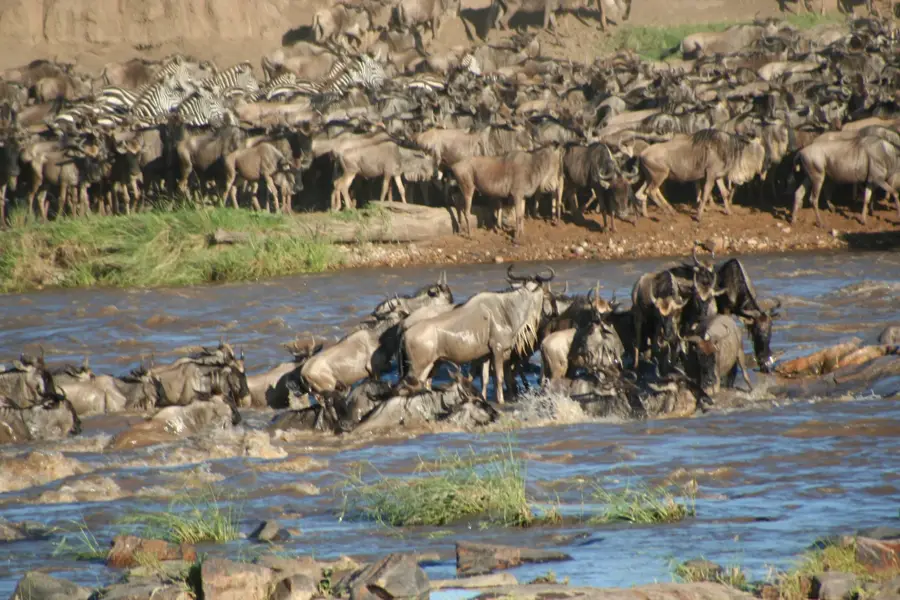
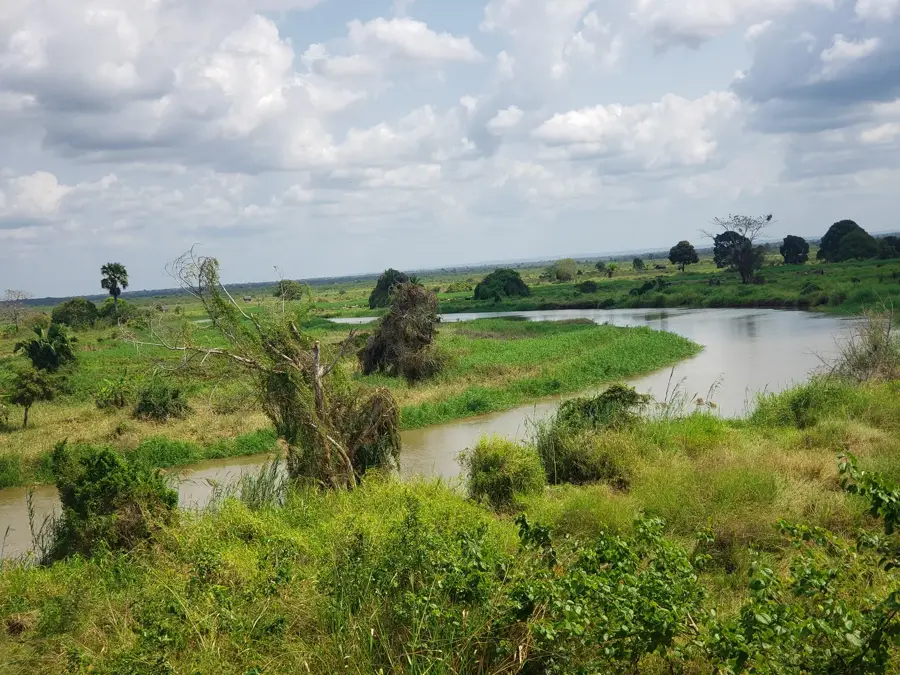
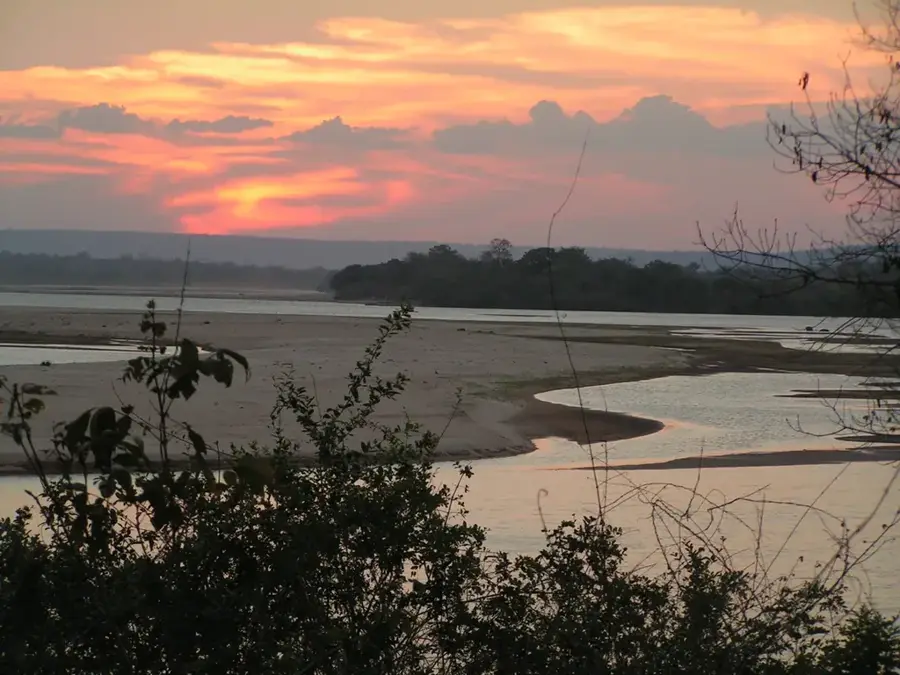
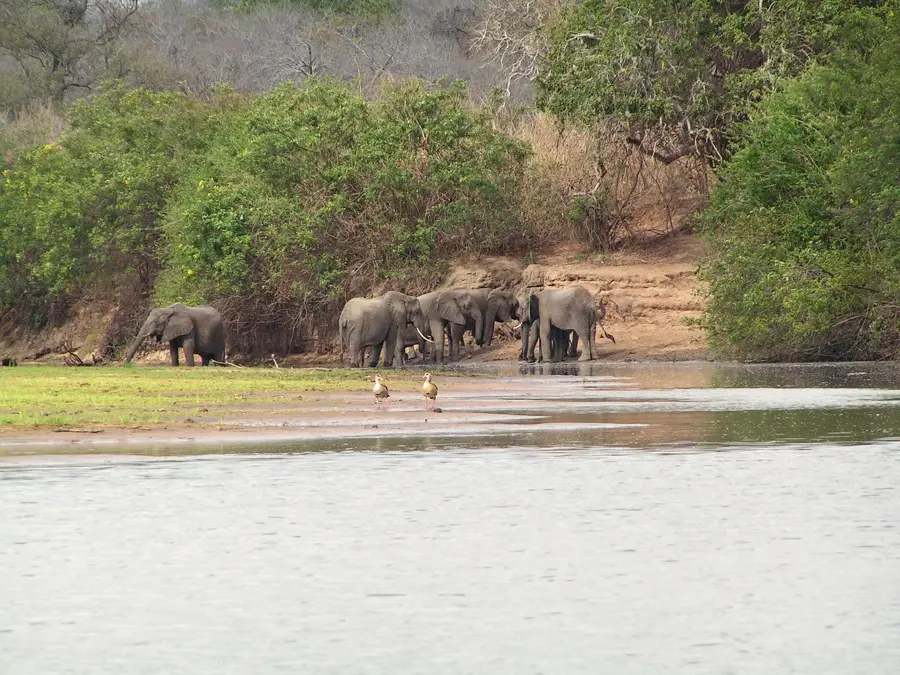
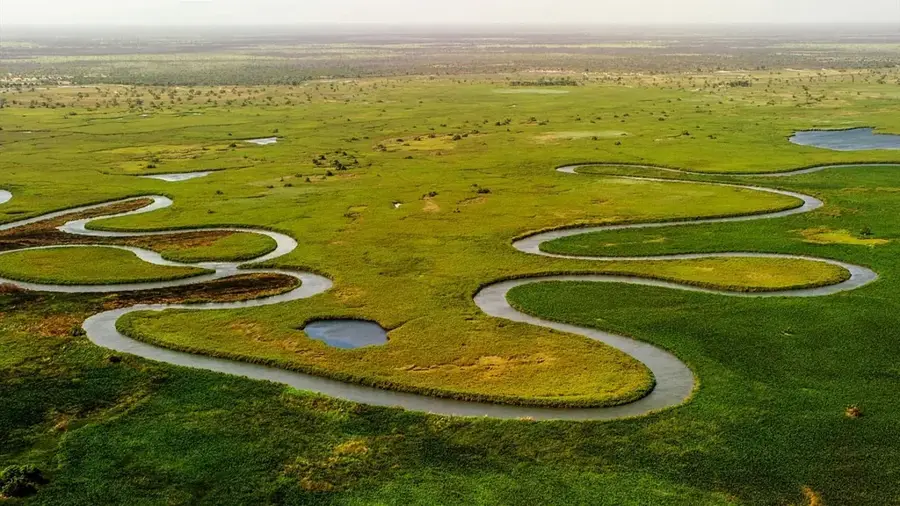
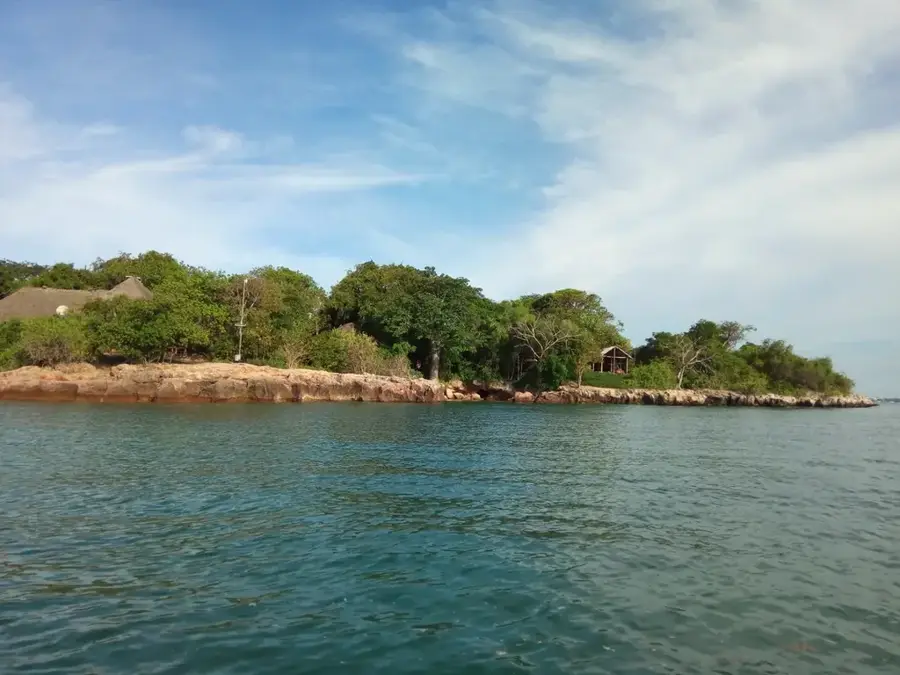
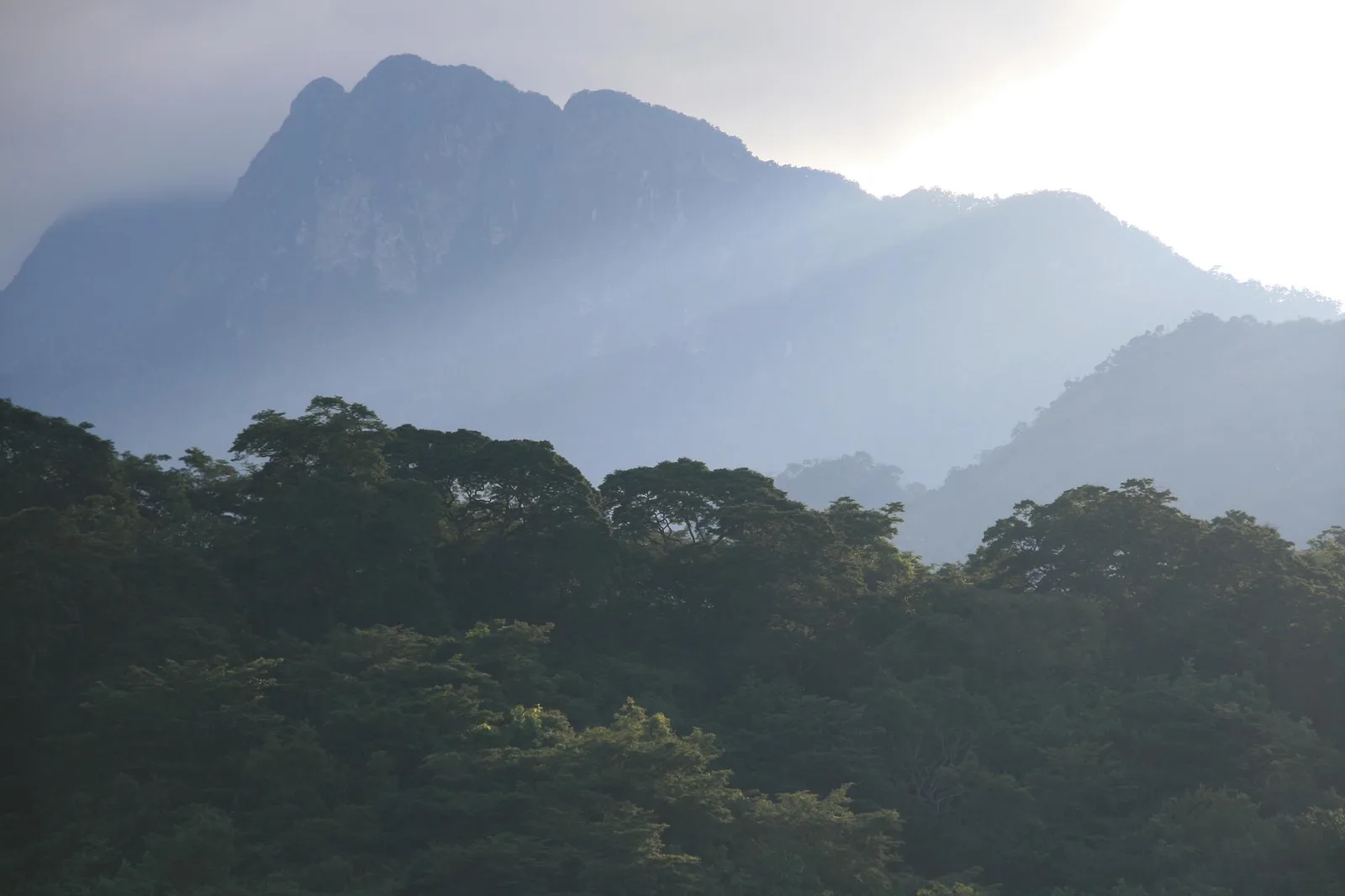
The Mikumi Forest is a central part of the Mikumi National Park, established in 1964 and now the fourth largest protected area in Tanzania. The forest borders the expansive Mkata Floodplain and is framed by the striking peaks of the Uluguru Mountains to the east and the Rubeho Mountains to the west. The vegetation consists of Miombo woodland, acacia stands, and open savanna, providing well-suited living conditions for a variety of large mammals. The region is particularly famous for its large herds of buffalo, elephants, and the rare Lichtenstein's hartebeest, which are regularly spotted here. The important A7 highway runs through the area, making the forest one of the most accessible wilderness areas in the country. In addition to its fauna, the forest is known for its rich birdlife, with over 400 recorded species of international interest to ornithologists. Ecologically, Mikumi forms a crucial corridor to the Nyerere National Park to the south, thereby maintaining the genetic diversity of the wildlife.

Best time to visit & climate

The most pleasant time to visit is Jun–Aug.

JanFebMarAprMayJunJulAugSepOctNovDec
Avg °C232323222120202123252524
Rain mm200169216198781811883484177

📋 Practical info

🧭
Getting there
Entry is exclusively permitted through the official national park gates, usually requiring visitors to have a registered safari vehicle or authorized guide. The journey from the main highway to the forested areas involves navigating deeply rutted dirt tracks that demand a sturdy four-wheel-drive vehicle.
📅
Best season
The dry season, running from late June to October, is undeniably the best period, as thinner vegetation dramatically improves the chances of spotting elusive wildlife. The wet season brings dense green foliage and muddy roads, making game viewing challenging and some park zones entirely inaccessible.
⛰️
Terrain & paths
The environment features a thick canopy of mature trees, tangled underbrush, and sporadic clearings that serve as grazing spots for forest-dwelling animals. Visitors experience this terrain almost entirely from the strict safety of a vehicle, as independent walking is strictly forbidden due to predators.
🎒
What to bring
Quality binoculars are the single most important item to bring, allowing you to scan the shadowy branches for monkeys, leopards, and diverse bird species. Wearing muted earth tones helps blend into the environment, while a good zoom lens is essential for capturing wildlife photos in the dappled light.
🅿️
Parking
Parking is highly structured and limited exclusively to designated picnic sites, official park headquarters, or specialized safari lodges located on the periphery. Drivers must never randomly pull over and turn off the engine on narrow forest tracks unless explicitly stopping for a clear wildlife sighting.
⚠️
Safety
Under no circumstances should you exit your vehicle or even dangle arms out of windows, as dangerous wildlife can remain perfectly camouflaged very close to the track. Tsetse flies are notoriously prevalent in forested areas, so keeping windows rolled up and avoiding dark blue clothing is highly advised.
⏱️
Time needed
A game drive through this specific wooded section usually lasts two to three hours before vehicles move on to the more open floodplains. Comprehensive safari itineraries will generally include a morning or late afternoon pass through the forest to maximize the chances of seeing diverse, habitat-specific species.

Geography

Coordinates
-7.50000, 37.00000

Facts

  • The national park was officially established in the year 1964.
  • The entire protected area covers 3,230 square kilometers.
  • Over 400 different bird species have been documented in the forest area.
  • The A7 highway bisects the forest into two main sections.
  • Malundwe Mountain is the highest elevation in the park at 1,255 meters.
  • Mikumi is the fourth largest nature reserve in all of Tanzania.

Explore nearby

Notable places around
Route planner — Car & Motorhome

Where do you start? We build the route here, with stops and country notes along the way.

Vehicle
Only stops with (optional):

© OpenStreetMap contributors · OpenRouteService

Sights nearby

Frequently asked questions

Which animals can be seen in Mikumi Forest?
Elephants, giraffes, and antelopes are common in the region.
Is the forest suitable for families?
Yes, guided safaris are well-suited for children and families.
What is the climate like?
It is warm year-round, with a distinct rainy season from March to May.
Are there good photo opportunities?
Yes, the open landscape features excellent conditions for wildlife photography.
How long does a tour take?
Short tours take a few hours; full-day trips are also common.
Mikumi Forest: where is it located?
Mikumi Forest is located in Tanzania.
Mikumi Forest: when is the best time to visit?
The most pleasant time to visit is Jun, Aug.
Mikumi Forest: why is it worth visiting?

The Mikumi Forest is a central part of the Mikumi National Park, established in 1964 and now the fourth largest protected area in Tanzania.
View on map → The Top 50 Attractions → OpenStreetMap →
Africa
Explore with Plizio Discover more places in Africa
More places in Tanzania →

Nearby cities

History & landmarks
Nature
More places