Plizio Visual Lab
Ruvu River
Weather…
Water temperature…
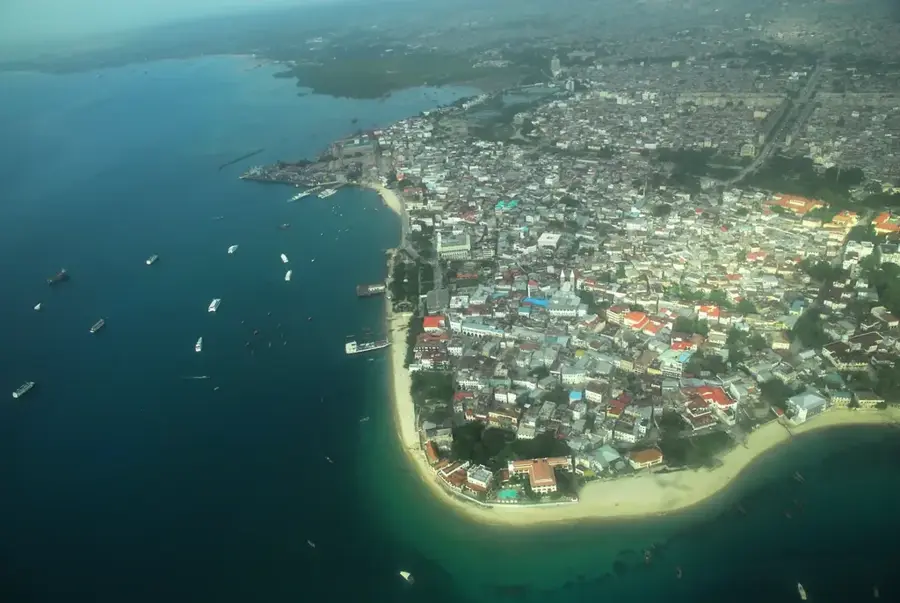
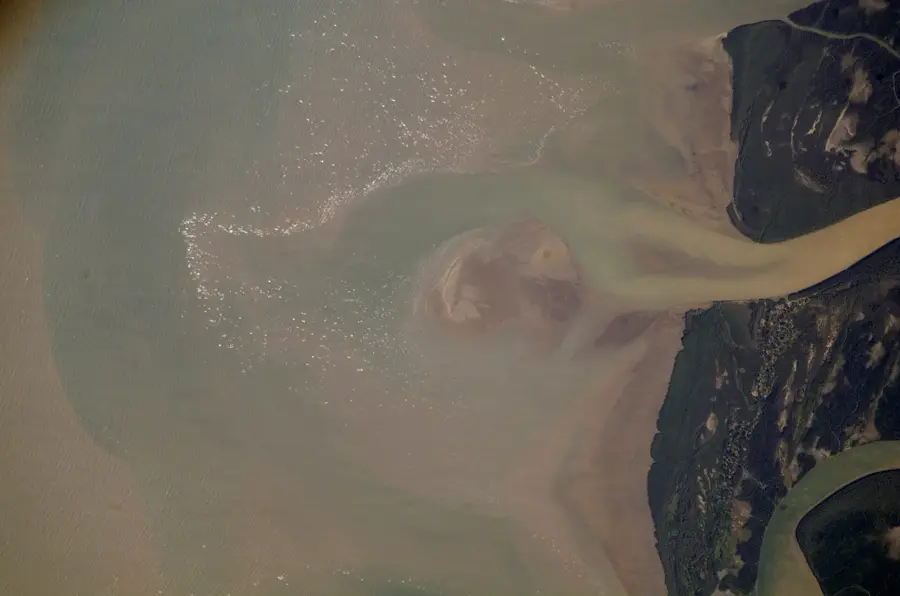
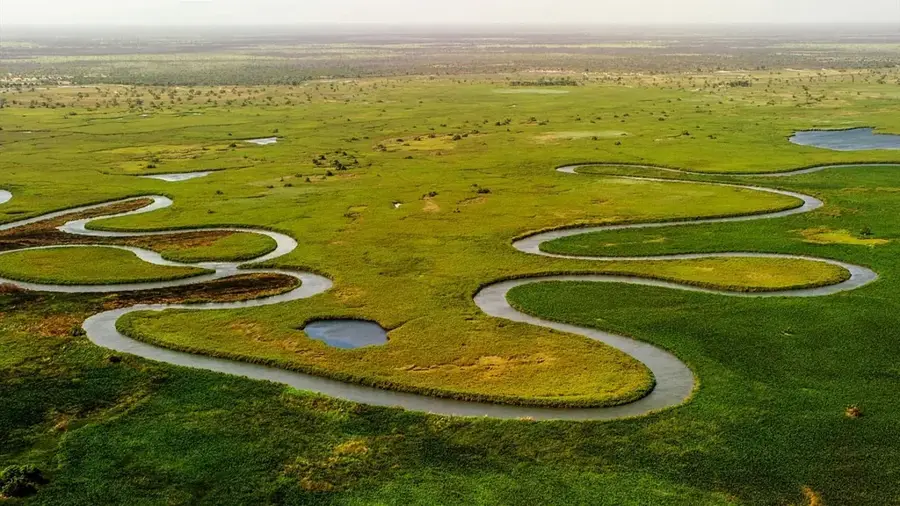
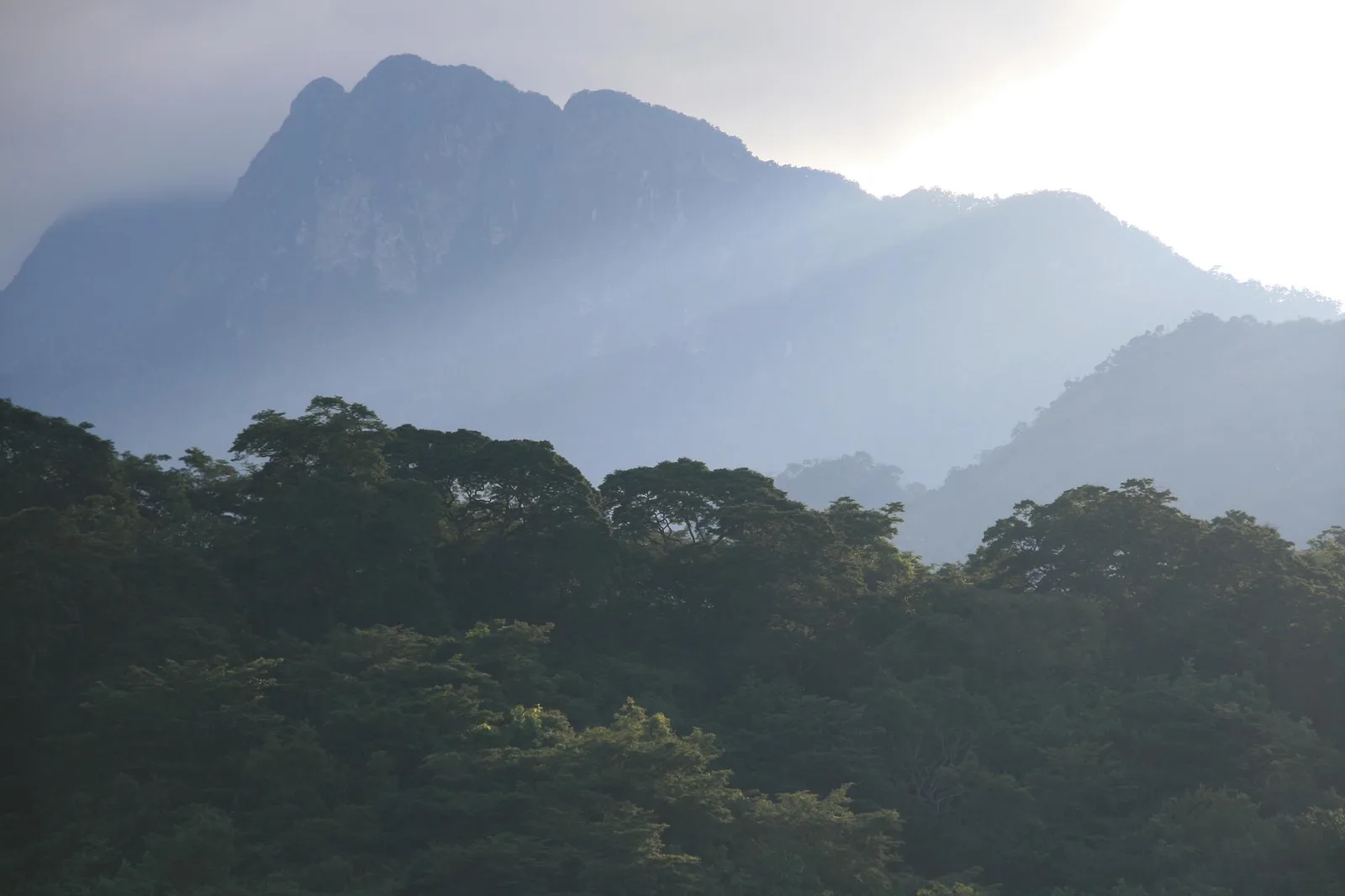
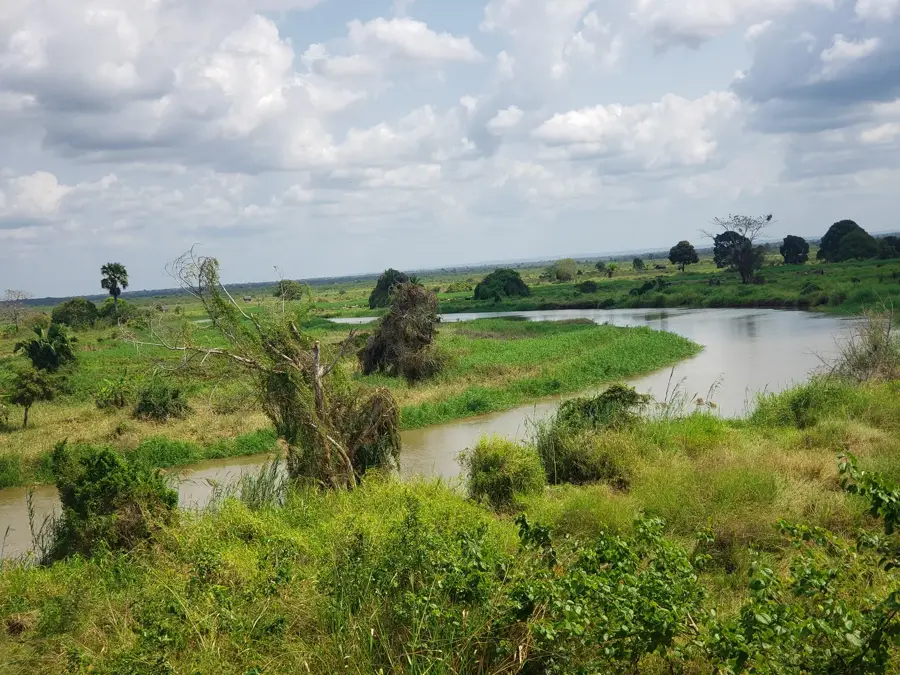
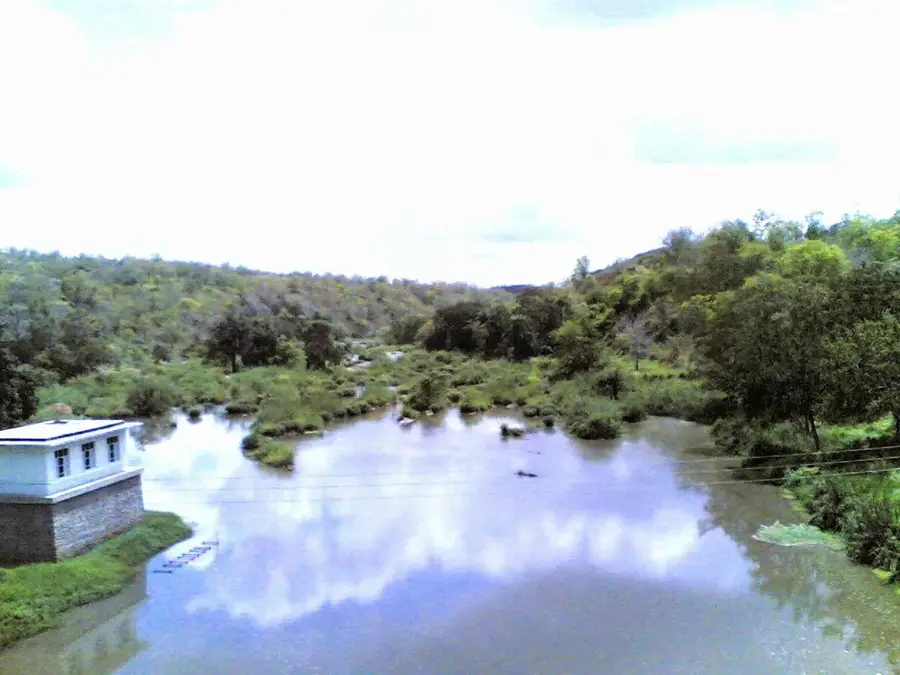
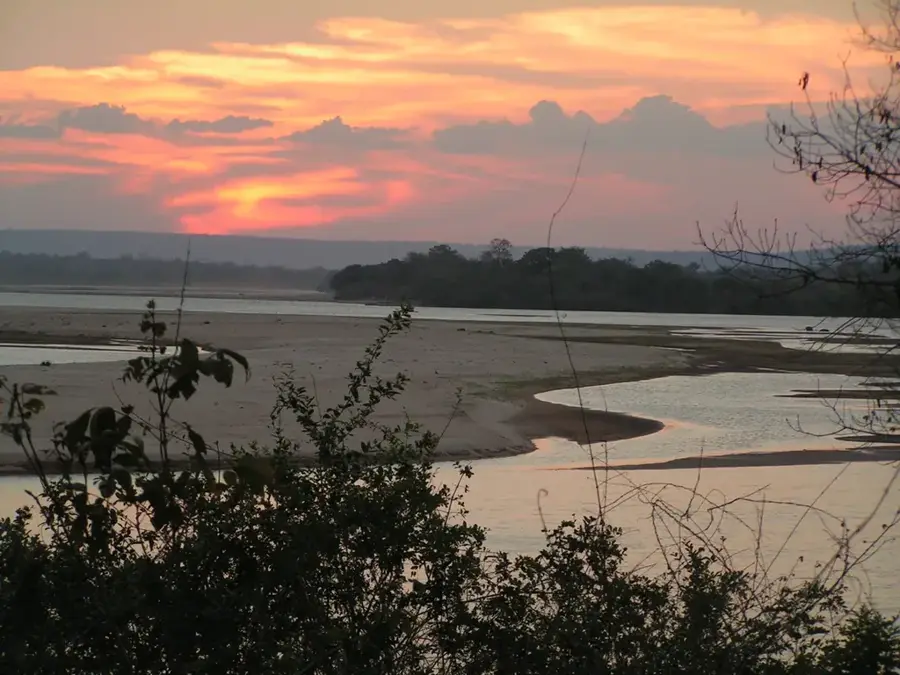
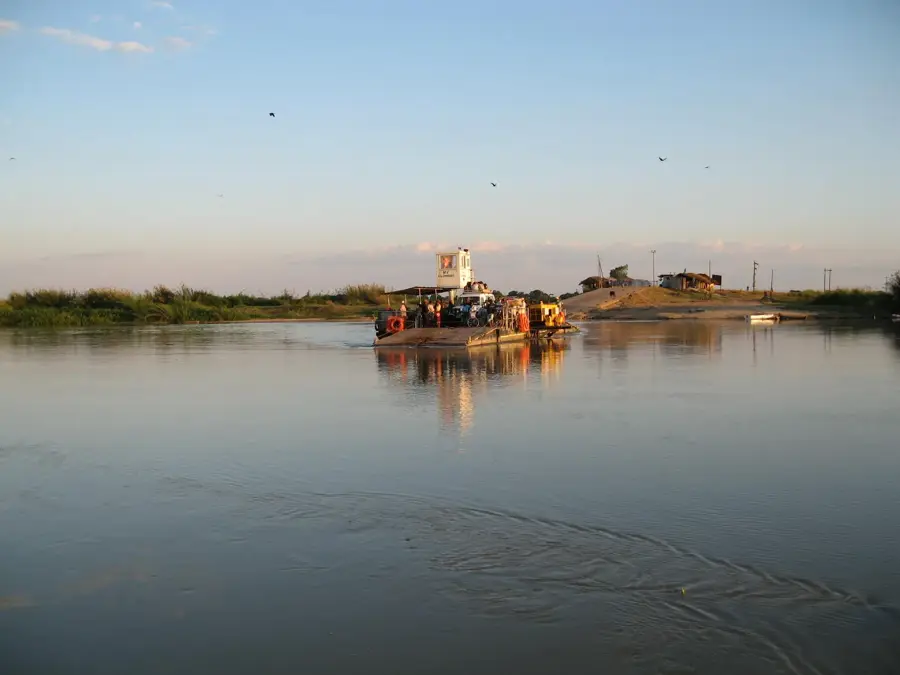
The Ruvu River is one of the most important waterways in eastern Tanzania and plays a critical role in providing water to the metropolis of Dar es Salaam. It originates in the high-rainfall Uluguru Mountains and flows for approximately 300 kilometers in a northeasterly direction before emptying into the Indian Ocean near the historic town of Bagamoyo. Its catchment area includes fertile plains that are used intensively for agriculture, particularly for growing rice and vegetables. However, the river is increasingly threatened by deforestation in the upper reaches and pollution, which affects the stability of its water flow. Along its banks, remnants of gallery forests can be found, providing habitat for crocodiles, hippos, and a wide variety of waterbirds.
- Location: Tanzania
- Nearby: Bagamoyo (45 km)
Best time to visit & climate
The most pleasant time to visit is Jun–Aug.
| Jan | Feb | Mar | Apr | May | Jun | Jul | Aug | Sep | Oct | Nov | Dec | |
|---|---|---|---|---|---|---|---|---|---|---|---|---|
| Avg °C | 27 | 28 | 27 | 27 | 25 | 24 | 24 | 25 | 26 | 27 | 27 | 27 |
| Rain mm | 112 | 88 | 166 | 256 | 137 | 20 | 13 | 18 | 32 | 89 | 152 | 142 |
📋 Practical info
Geography
Facts
- The Ruvu provides over 80% of the drinking water for Dar es Salaam.
- The total length of the river is approximately 300 kilometers.
- The sources are located in the Uluguru Mountains at over 2,000 meters.
- Bagamoyo, an ancient trading town, is situated at its mouth.
- The catchment area covers an area of around 18,000 km².
- Heavy rains often lead to flooding in the Ruvu basin.
Explore nearby
Notable places around
Route planner — Car & Motorhome
Where do you start? We build the route here, with stops and country notes along the way.
© OpenStreetMap contributors · OpenRouteService
Sights nearby
Frequently asked questions
What kind of region is Ruvu?
Can the river be used for tourism?
What animals live along the Ruvu?
Is the river navigable?
Are the surroundings safe?
Ruvu River: where is it located?
Ruvu River: when is the best time to visit?
Ruvu River: why is it worth visiting?

Nearby cities
History & landmarks
Nature
More places