Plizio Visual Lab
Mpwapwa
ℹ️Practical info — Mpwapwa
▾
🌤 Weather — 5 days
📍 Nearby
Sights nearby
💡 Tips
- Visit the livestock market on Fridays; it is one of the oldest and most lively in central Tanzania.
- Always ask for permission before taking photos of the herders or their animals.
- Temperatures in the Kiboriani Mountains can drop; bring a warm layer of clothing.
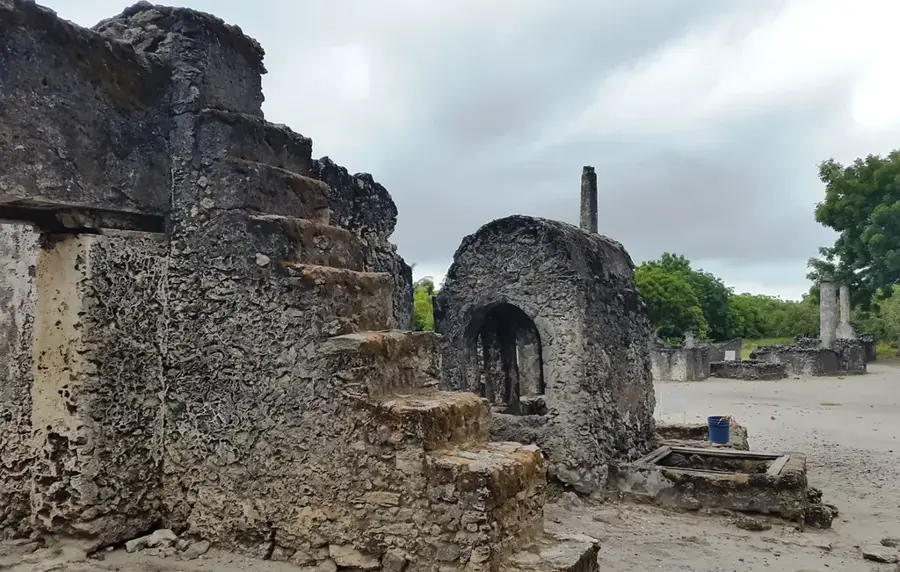
- Explore the remains of the German Boma to learn about the town's colonial history.
- Use a 4WD vehicle if you plan to venture into the mountain villages surrounding the town.
🍽 Food
Sorghum-based ugali, a traditional staple of the local Gogo culture.
A nutritious stew of maize and beans, commonly found in local eateries.
Freshly roasted meat, best sampled on market days near the livestock area.
🛍 Shopping · 🧘 Quiet spots
Look for handmade jewelry by local women, often available in the village center.
Even if you're not buying cattle, watching the trade is a unique cultural experience.
Hike to the higher ridges for absolute silence and vast views over the plains.
The green valleys outside the town center offer shaded spots for a peaceful break.
Water temperature…
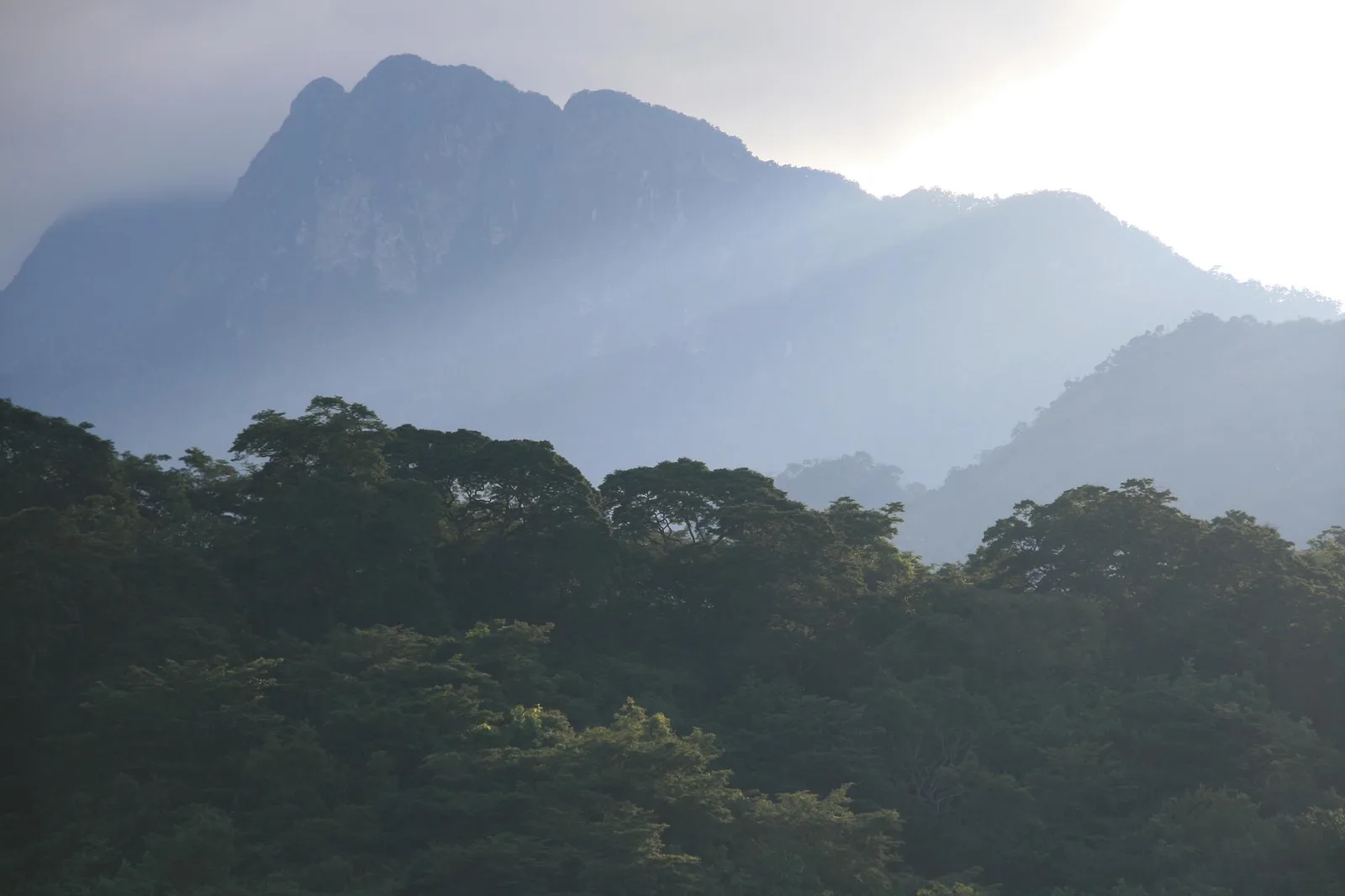
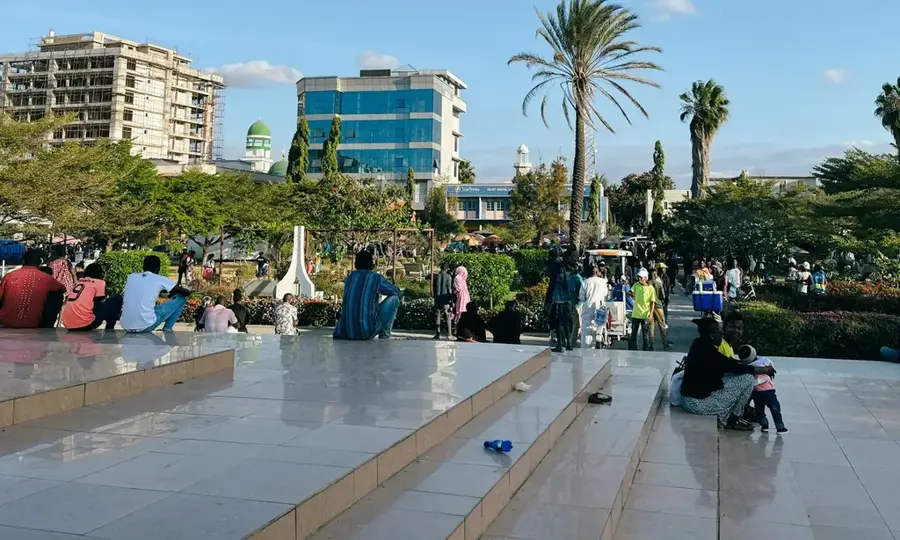
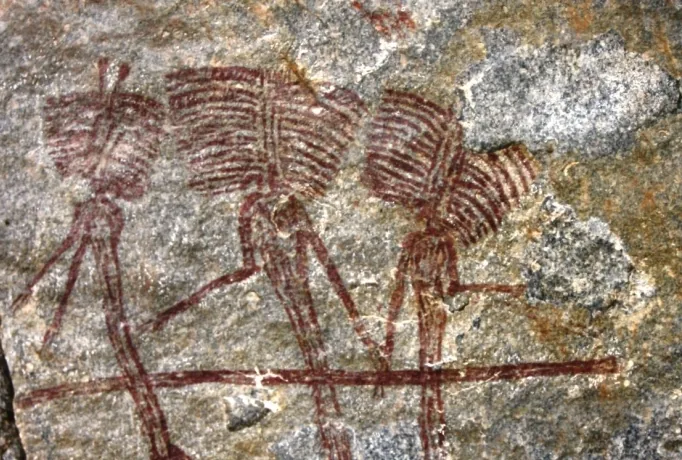
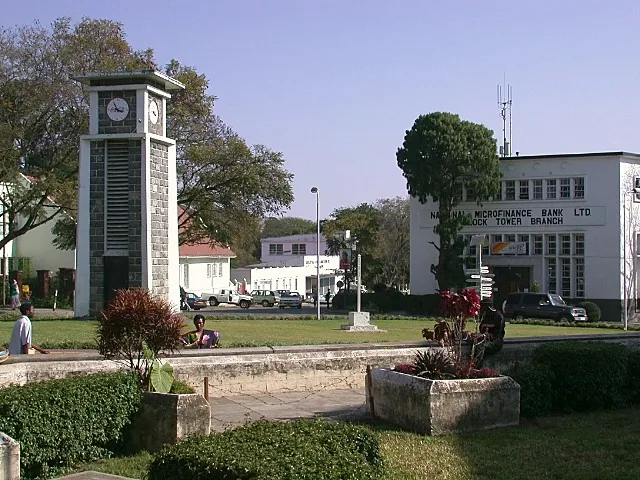
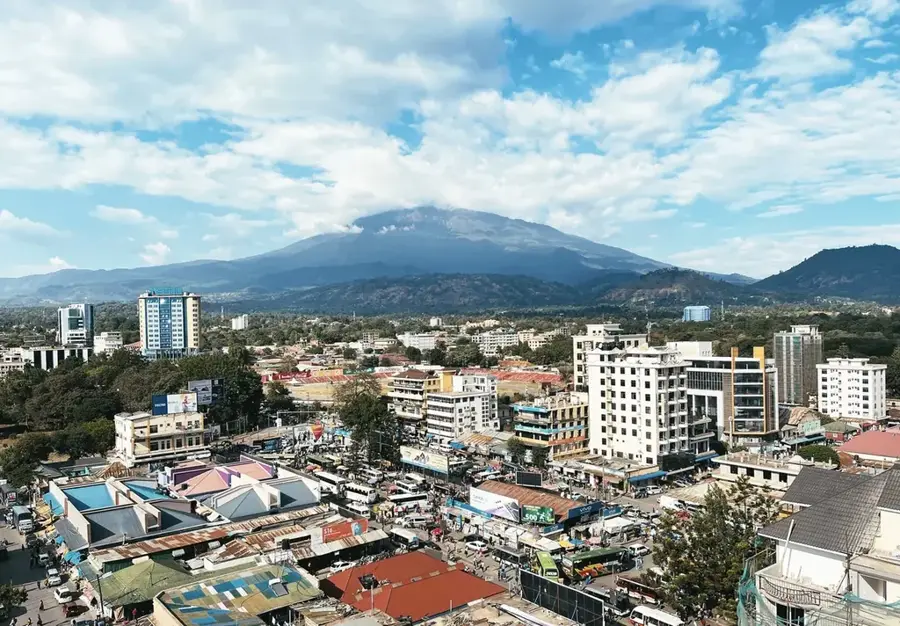
Mpwapwa is one of the oldest and most historically rich towns in Tanzania, situated within the Dodoma Region in the central highlands. Established in the 19th century, it was a strategic rest point on the caravan route from the coast to Lake Tanganyika and later served as a vital administrative and military outpost during the German colonial era. The town is renowned for its early educational and research institutions, including one of the country's first veterinary stations, built as early as 1905. Geographically, Mpwapwa is located in a hilly, semi-arid region defined by prominent ranges such as the Kiboriani Mountains. Today, the town remains a significant center for livestock development and agricultural research in central Tanzania. Despite its deep historical roots, Mpwapwa retains the character of a peaceful rural market town. The local architecture still displays remnants of its colonial past, now integrated with modern Tanzanian urban development.
- Location: Tanzania
- Top sights: Mpwapwa District · Anglican Diocese of Mpwapwa · Mpwapwa Mjini
- Population: ~30.000 (2024)
Best time to visit & climate
The most pleasant time to visit is Jun, Aug, Sep.
| Jan | Feb | Mar | Apr | May | Jun | Jul | Aug | Sep | Oct | Nov | Dec | |
|---|---|---|---|---|---|---|---|---|---|---|---|---|
| Avg °C | 23 | 23 | 22 | 22 | 21 | 20 | 19 | 21 | 23 | 24 | 24 | 24 |
| Rain mm | 190 | 124 | 146 | 105 | 34 | 6 | 5 | 3 | 3 | 19 | 61 | 171 |
Geography
Facts
- Mpwapwa was a major center for the Church Missionary Society in the late 19th century.
- The town is home to one of the oldest teacher training colleges in Tanzania.
- Mpwapwa is situated at an elevation of approximately 1,050 meters above sea level.
- The 'Mpwapwa cattle' breed was specifically developed here for tropical environments.
- The German fort in Mpwapwa was established as a military station in 1889.
- The district is a key producer of millet and sorghum for the central Tanzanian market.
Explore nearby
Notable places around
Route planner — Car & Motorhome
Where do you start? We build the route here, with stops and country notes along the way.
© OpenStreetMap contributors · OpenRouteService
Sights in the town Mpwapwa (3)
Frequently asked questions
How much time should I plan for Mpwapwa?
When is the best time for Mpwapwa?
How to get to Mpwapwa?
What is there culinary in Mpwapwa?
Is Mpwapwa family-friendly?
Mpwapwa: where is it located?
Mpwapwa: what is there to see?
Mpwapwa: when is the best time to visit?
Mpwapwa: why is it worth visiting?

Nearby cities
History & landmarks
Nature
More places