Plizio Visual Lab

Harran Plain
Plizio editorial teamData Sources
plateau
—°8
Harran Plain (Turkey)

Weather…

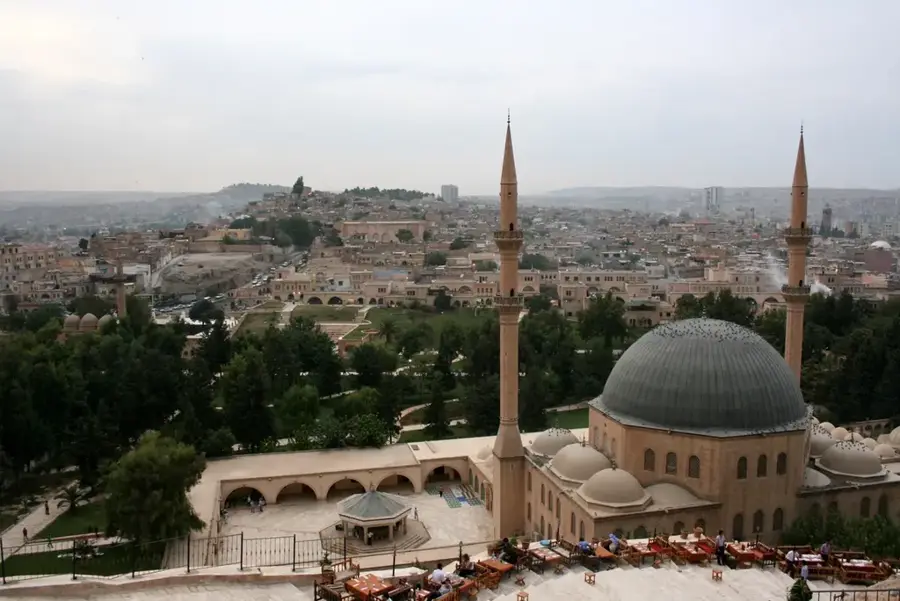
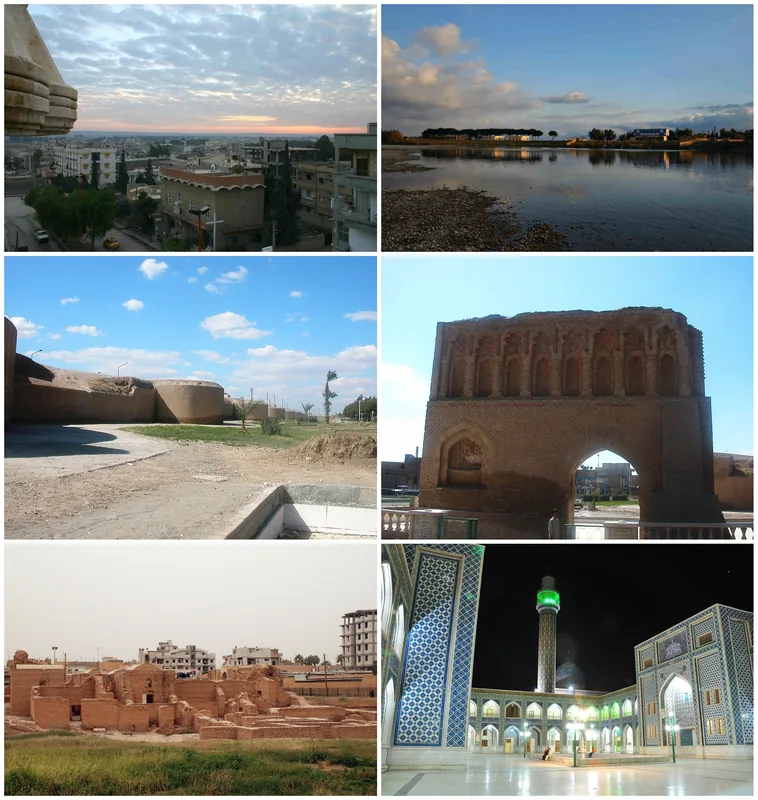
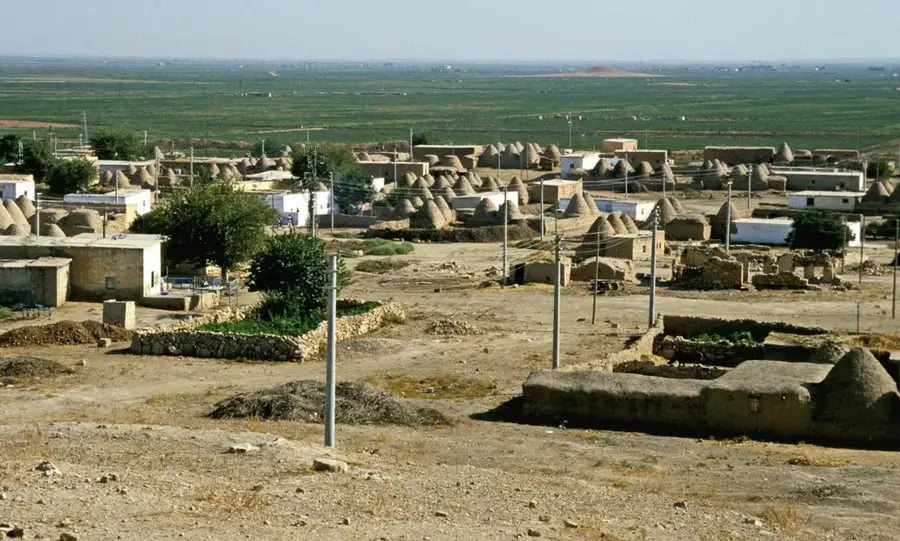
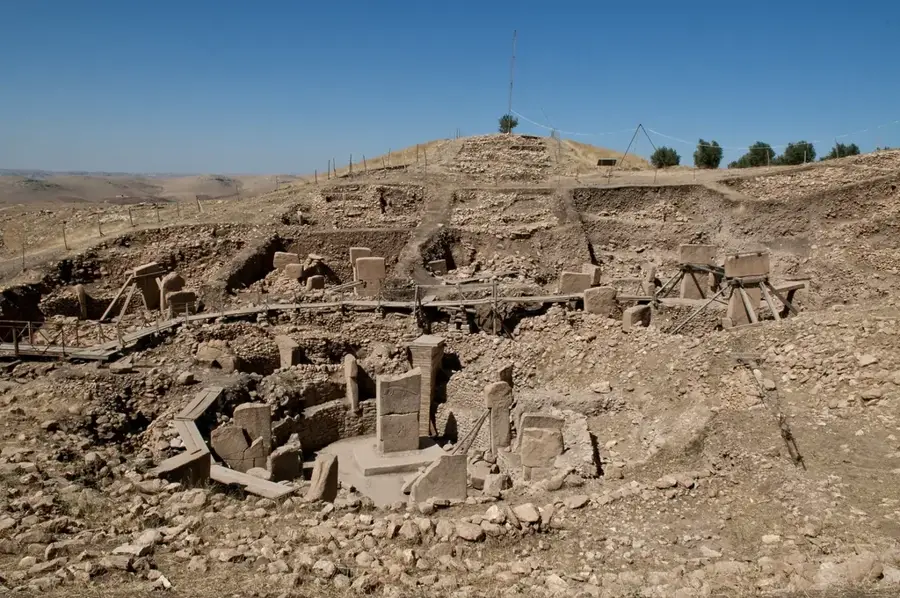
The Harran Plain is located in the Şanlıurfa province of southeastern Turkey, situated near the border with Syria. Geographically, it is a vast, flat alluvial plain that has become one of Turkey's most fertile agricultural regions following irrigation through the Southeastern Anatolia Project (GAP). Historically, Harran is one of the oldest continuously inhabited sites on Earth, with mentions in both the Bible and the Quran. The area is famous for its unique 'beehive houses,' traditional mud-brick structures designed to stay cool in the scorching summer heat. In antiquity, Harran was a renowned center for astronomy and the site of the world's first Islamic university. Today, the plain is a primary hub for cotton cultivation and other high-yield crops. Its cultural significance is further enhanced by its links to Abrahamic traditions and its proximity to Göbekli Tepe, the world's oldest temple complex.

Best time to visit & climate

The most pleasant time to visit is May, Sep, Oct.

JanFebMarAprMayJunJulAugSepOctNovDec
Avg °C461015212832322720116
Rain mm64574643225115274469

📋 Practical info

🧭
Getting there
The historic Harran Plain is directly accessible via a short drive south from the major city of Şanlıurfa. Well-paved regional roads smoothly connect the ancient ruins to the modern urban infrastructure.
📅
Best season
Spring (March to May) and autumn (September to November) offer the most pleasant conditions for walking among the historical sites. Summer temperatures here regularly exceed comfortable limits, making midday exploration extremely taxing.
⛰️
Terrain & paths
The terrain is predominantly flat, deeply cultivated agricultural land dotted with fascinating ancient mounds and ruins. Walking paths are generally easy, flat, and dusty, making standard, comfortable walking shoes perfectly adequate.
🎒
What to bring
Light, breathable cotton clothing is strongly recommended to cope with the significant warmth and relentless sunshine. Do not forget a sturdy water bottle, effective sunglasses, and a reliable guidebook to appreciate the history.
🅿️
Parking
Plentiful parking is typically available directly adjacent to the main visitor centers and major archaeological attractions. These official lots are usually well-marked and provide a secure place to leave your vehicle.
⚠️
Safety
The primary concern is protecting yourself from the severe risk of sunstroke and dehydration during the hottest hours of the day. Stick to marked trails around archaeological digs to avoid damaging unexcavated historical artifacts.
⏱️
Time needed
A thorough half-day trip is usually sufficient to explore the iconic beehive houses and immediate ancient ruins. Those interested in deeper historical context might easily spend a full day surveying the broader rural plain.

Geography

Coordinates
36.86670, 39.03330

Facts

  • In antiquity, Harran was a major center for the worship of the moon god Sin.
  • The world's first Islamic university was established here in the 8th century AD.
  • The traditional beehive houses were constructed entirely without wood, using only mud and brick.
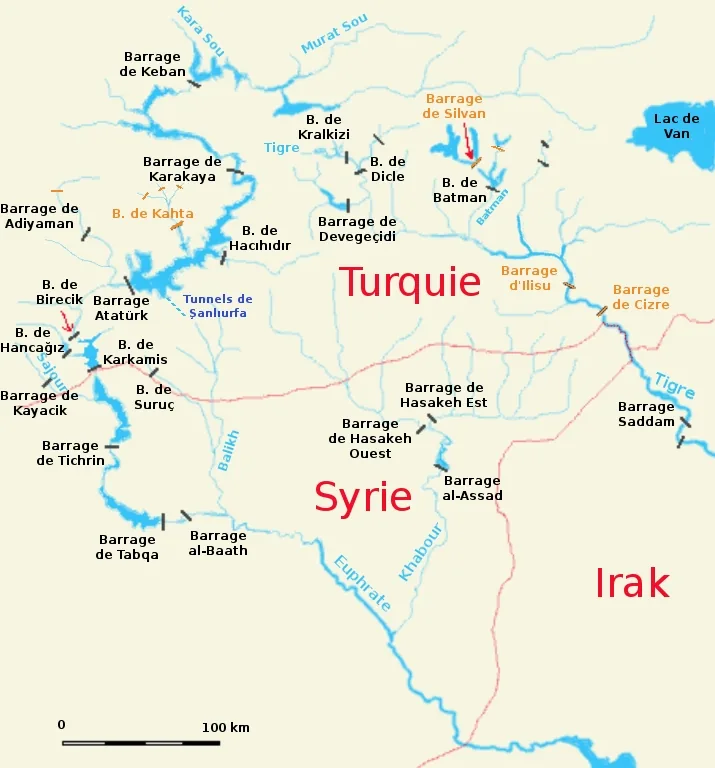
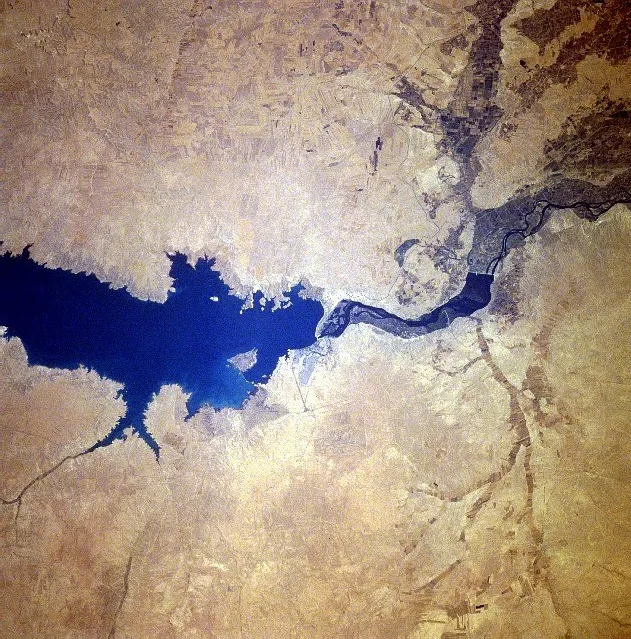
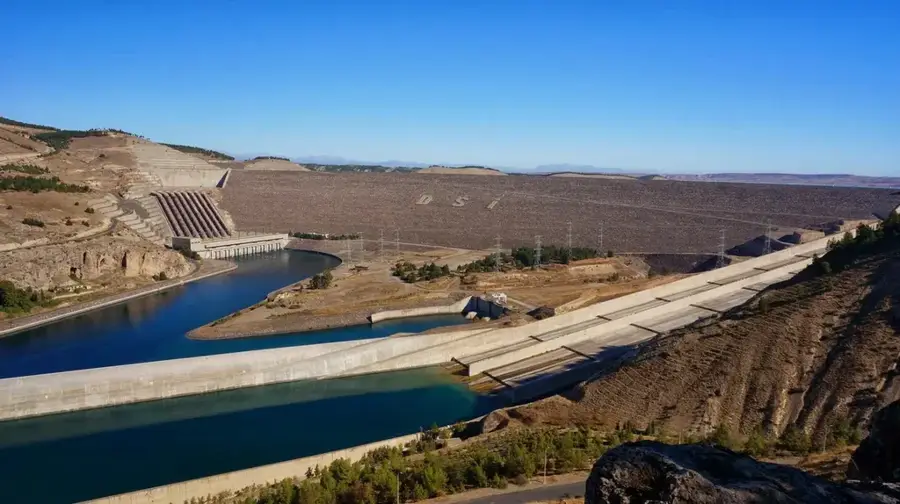
  • The plain is irrigated by water from the Atatürk Dam, the largest dam in Turkey.
  • Harran is located only about 20 kilometers north of the Syrian border.
  • In biblical tradition, Harran is the place where the prophet Abraham lived for a period.

Explore nearby

Notable places around
Route planner — Car & Motorhome

Where do you start? We build the route here, with stops and country notes along the way.

Vehicle
Only stops with (optional):

© OpenStreetMap contributors · OpenRouteService

Sights in the town Harran Plain (8)

Harran🏺 historical

Ancient settlement famous for its unique conical beehive adobe houses.

Harran Culture House🏛 museum

A museum set in traditional mud-brick beehive houses showcasing historical local life.

Harran Kültür Evi🏛 museum

A cultural center showcasing the traditional architecture and lifestyle of Harran.

Harran, Ulu Çamı🏺 historical

Ruins of the Great Mosque, recognized as one of the oldest Islamic structures in Anatolia.

Harran Kalesi📍 landmark

A massive fortress built on the ruins of a pre-Islamic Moon Temple.

Tell Magrin🏺 historical

A historic settlement mound rising above the flat agricultural plains of Harran.

İmam Bakır Camii ve Türbesi📍 landmark

A religious complex featuring the tomb of the revered Imam Mohammed al-Baqir.

Hayati Harrani Camii📍 landmark

A mosque dedicated to a 12th-century Sufi saint, featuring a prominent tomb.

Sights nearby

Frequently asked questions

What is special about the Harran Plain?
It is famous for its traditional beehive houses.
What is the climate like?
Very hot and dry in summer, mild in winter.
Can I visit the houses?
Yes, some are open to visitors.
Is the region agricultural?
Yes, it is one of the oldest fertile regions in history.
What is nearby?
The city of Şanlıurfa is an important religious and historical center.
Harran Plain: where is it located?
Harran Plain is located in Turkey.
Harran Plain: what is there to see?
Highlights include Harran, Harran Culture House, Harran Kültür Evi.
Harran Plain: when is the best time to visit?
The most pleasant time to visit is May, Sep, Oct.
Harran Plain: why is it worth visiting?

The Harran Plain is located in the Şanlıurfa province of southeastern Turkey, situated near the border with Syria.
View on map → The Top 50 Attractions → Most beautiful beaches → OpenStreetMap →
Europe
Explore with Plizio Discover more places in Europe
More places in Turkey →

Nearby cities

Nature

More places