Plizio Visual Lab

Bohus Fortress
Plizio editorial teamData Sources
ruins
—°7
Bohus Fortress (Sweden)

Weather…

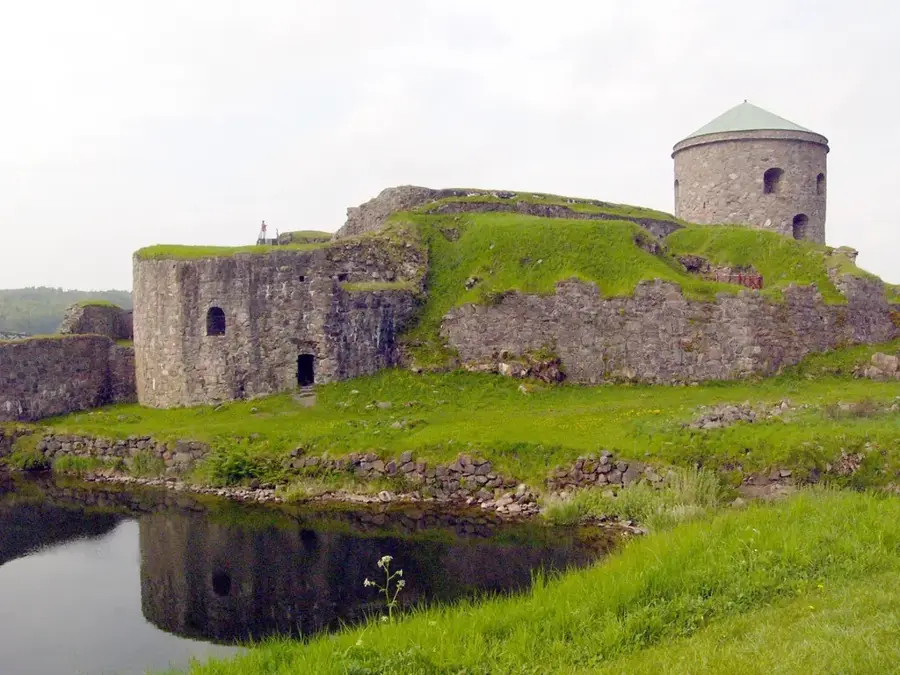
Bohus Fortress was commissioned in 1308 by King Haakon V of Norway to defend the kingdom's southern border. Strategically perched on a 40-meter-high rock on Bagaholmen island in the Göta älv river, the fortress controlled vital access routes to the interior. For over four centuries, it remained one of Scandinavia's most impregnable strongholds, famously enduring 14 sieges by Swedish, Danish, and Norwegian forces without ever being captured in battle. The fortress only became Swedish territory following the Treaty of Roskilde in 1658. Under Swedish rule, it was expanded into a modern bastion fortress, but its strategic importance waned during the 18th century, leading to its partial dismantling for building materials. Today, the impressive ruins, most notably the 'Fars hatt' (Father's Hat) tower, are preserved as a national monument. The site functions as a museum and cultural venue, illustrating the turbulent military history and architectural evolution of the Nordic borderlands.

Best time to visit & climate

The most pleasant time to visit is Jun–Aug.

JanFebMarAprMayJunJulAugSepOctNovDec
Avg °C0-1261115171713951
Rain mm89655855668893100831079694

📋 Practical info

🚪
Visiting
The imposing ruins of this heavily fortified structure are open for exploration, allowing visitors to climb its remaining towers and walk along the sturdy defensive walls. Interactive exhibits and historical re-enactments frequently take place within the extensive courtyard areas.
🕒
Typical hours
The fortress typically welcomes visitors daily during the peak summer months, with somewhat reduced operating hours or weekend-only access during the spring and autumn shoulder seasons. It is usually closed completely during the harsh winter months due to safety considerations.
📷
Photography
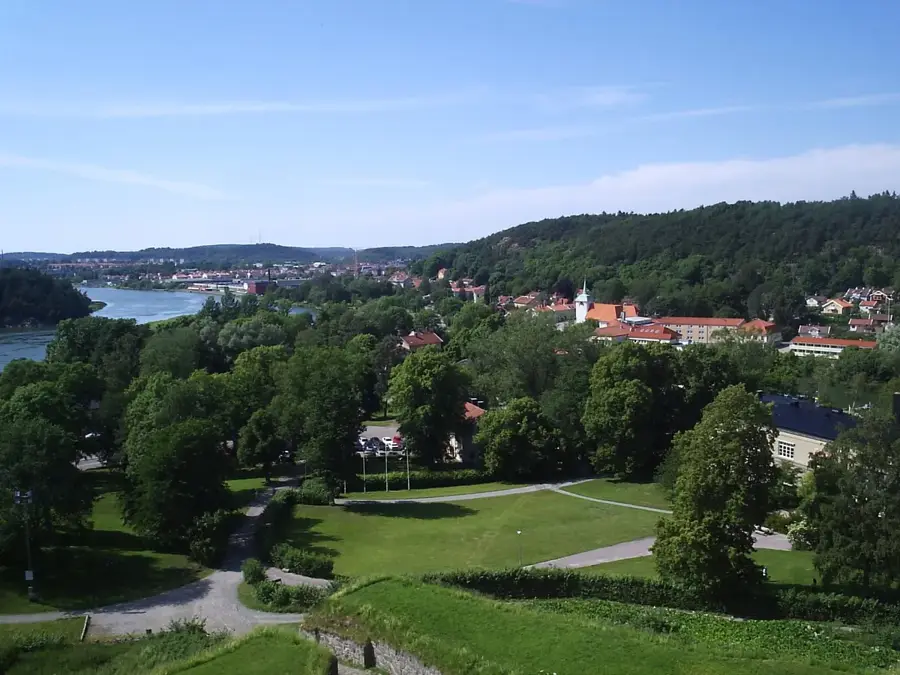
The strategic riverside location provides magnificent panoramic views from the battlements, making it a first-rate spot for capturing sweeping landscape and architectural photos. The dark stone archways and crumbling dungeons offer dramatic lighting conditions for moody, historical shots.
⏱️
Time needed
Plan to spend roughly two to three hours exploring the vast grounds, climbing the accessible towers, and reading the informative plaques detailing the numerous sieges. Those attending special events or guided tours should allocate additional time to their schedule.
Combine with
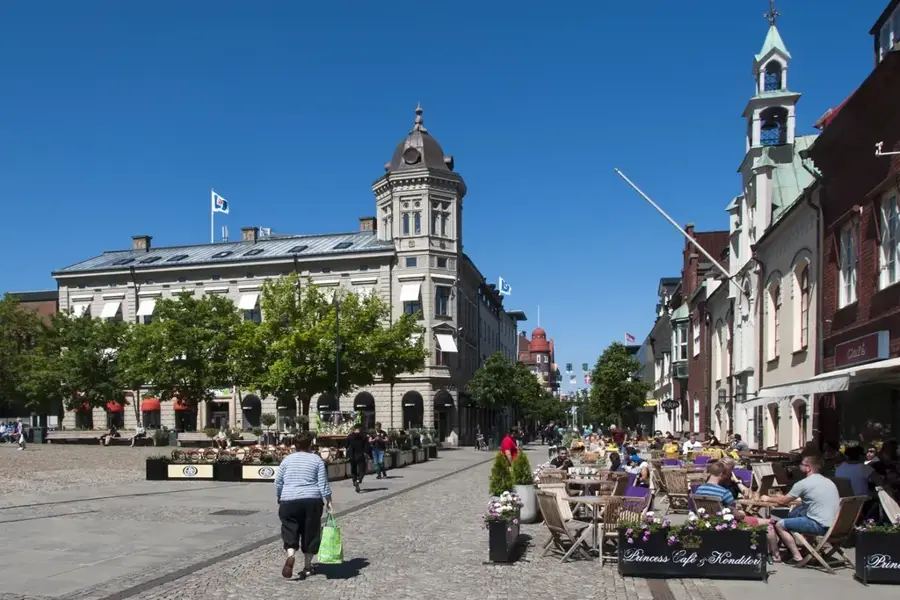
The nearby characterful town of Kungälv is just a short walk away and provides photogenic wooden houses and cozy cafes for a relaxing afternoon. You can also easily combine this trip with a broader exploration of the impressive Bohuslän coastline to the north.
🧭
Getting there
Situated conveniently near the major highway routes north of Gothenburg, the fortress is easily accessible by car with ample parking available nearby. It is also well-connected by regional bus services, making it a straightforward excursion for those relying on public transportation.
💡
Insider tip
Take special care when exploring the upper levels and the ancient dungeon areas, as the stone stairs can be remarkably uneven and slippery when damp. If traveling with children, check the fortress schedule in advance for days featuring medieval jousting or craft workshops.

Geography

Coordinates
57.86170, 11.99970

Facts

  • The fortress was founded in 1308 by King Haakon V of Norway.
  • It famously withstood 14 separate sieges throughout its history.
  • The stronghold was ceded to Sweden in 1658 after the Treaty of Roskilde.
  • The iconic round tower is nicknamed 'Fars hatt' (Father's Hat).
  • The fortress is located on the island of Bagaholmen in the Göta älv river.
  • At its peak, it was one of the strongest military positions in Scandinavia.

Explore nearby

Notable places around
Route planner — Car & Motorhome

Where do you start? We build the route here, with stops and country notes along the way.

Vehicle
Only stops with (optional):

© OpenStreetMap contributors · OpenRouteService

Sights in the town Bohus Fortress (7)

Bohus fästning🏰 castle

A medieval fortress and castle ruins located on a cliff overlooking the Göta river.

Fontins naturreservat🌿 nature

A nature reserve near Bohus Fortress known for its hiking trails and forests.

Mariebergs naturreservat🌿 nature

A protected nature reserve located near the Bohus Fortress.

Göddered-Hakereds naturreservat🌿 nature

A nature reserve featuring local flora and fauna near Bohus Fortress.

Surte Glasbruksmuseum🏛 museum

Surte Glasbruksmuseum, glass museum in Surte near Bohus Fortress.

Kastelleklostret⛪ religious

The remains of a medieval monastery located near Bohus Fortress.

Mimers teater🎭 culture

A local theatre for cultural events in the Bohus Fortress area.

Sights nearby

Frequently asked questions

Where is Bohus Fortress located?
In Kungälv, about 20 km north of Gothenburg, on an island in the Göta älv river.
Who built the fortress?
It was built in 1308 by the Norwegian King Håkon V Magnusson.
How many times was it besieged?
The fortress was besieged 14 times but was never taken by force.
Are there activities for visitors?
Yes, there is archery, guided tours, and often medieval tournaments in the summer.
What are the opening hours?
Mainly open from April to September; in high summer, daily from 10:00 AM to 6:00 PM.
Bohus Fortress: where is it located?
Bohus Fortress is located in Sweden.
Bohus Fortress: what is there to see?
Highlights include Bohus fästning, Fontins naturreservat, Mariebergs naturreservat.
Bohus Fortress: when is the best time to visit?
The most pleasant time to visit is Jun, Aug.
Bohus Fortress: why is it worth visiting?

Bohus Fortress was commissioned in 1308 by King Haakon V of Norway to defend the kingdom's southern border.
View on map → The Top 50 Attractions → Most beautiful beaches → OpenStreetMap →
Europe
Explore with Plizio Discover more places in Europe
More places in Sweden →

Nearby cities

More places